
Selecting the right breast milk storage system is one of the most practical decisions a breastfeeding mother will make. The ideal choice depends on whether you are building a long-term freezer stash, keeping milk fresh in the refrigerator for the next feed, or pumping on the go. Momcozy offers a range of storage bags, reusable containers, and bottles designed to fit different stages of your breastfeeding journey. By matching these options to your daily routine, available kitchen space, and feeding habits, you can preserve every drop of breast milk safely and efficiently.
In a tropical climate like the Philippines, where high temperatures and humidity are constant factors, proper milk storage becomes even more critical. Warm weather accelerates bacterial growth, meaning that how you store, cool, and transport your expressed milk directly impacts its safety and nutritional value. Whether you are a working mother navigating a daily commute with a cooler bag or a stay-at-home parent organizing a dedicated section of the family freezer, understanding the distinct advantages of each storage medium ensures your baby receives high-quality nutrition with minimal waste.
Understanding Your Milk Storage Needs
Before purchasing any storage gear, it is essential to map out your primary storage scenarios. Breast milk handling generally falls into three categories: long-term freezing, short-term refrigeration, and immediate portable use. Long-term freezing is ideal for building a backup supply that lasts for several months, while short-term refrigeration keeps milk ready for use within a few days. Portable storage is designed for active days out, office pumping sessions, or travel, where milk must remain securely sealed and chilled in insulated bags until you reach a refrigerator or freezer.
Products mentioned in this guide
Prices are valid at publication and may change. Please refer to the product page for the latest price.
Your daily pumping frequency and feeding routine will heavily influence which products you use most. An exclusive pumping mother who expresses milk multiple times a day will require a high-volume, highly organized storage system to keep track of dates and quantities. Conversely, a mother who primarily direct-feeds and only pumps occasionally may only need a few reusable bottles or containers to store small top-up feeds. Assessing your typical daily yield helps you avoid over-purchasing or running out of storage options at critical moments.
Available kitchen and freezer space is another practical constraint that dictates your storage strategy. Standard household refrigerators in local homes often feature compact freezer compartments that must be shared with everyday frozen foods. In these setups, bulky containers can quickly overcrowd the shelves, making flat-laying storage bags the most space-efficient choice. If you have a dedicated chest freezer or a spacious multi-door refrigerator, you have more flexibility to incorporate rigid, reusable containers into your rotation.
Finally, you must weigh the trade-offs between single-use convenience and reusable durability. Single-use plastic storage bags offer unmatched convenience because they are pre-sterilized, easy to seal, and require zero cleanup after use. However, they generate ongoing recurring costs and plastic waste. Reusable silicone or plastic containers and glass bottles are highly durable, eco-friendly, and cost-effective over time, but they require regular washing, sterilizing, and physical storage space in your cupboards when not in use.
Evaluating Momcozy Milk Storage Bags
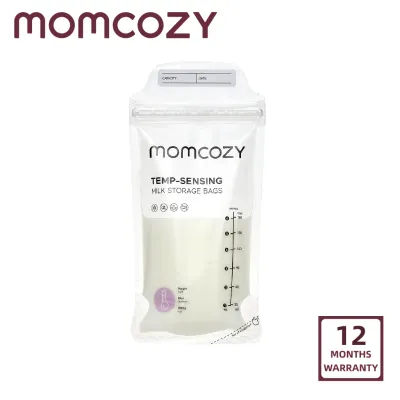
Momcozy milk storage bags are specifically designed to maximize freezer space and facilitate long-term breast milk storage. Because these bags are made from flexible, food-grade plastic, they can be laid completely flat on a freezer shelf during the initial freezing process. Once frozen solid, they can be stacked vertically or filed neatly in storage bins, allowing you to store a significant volume of milk in a relatively small freezer compartment. This space-saving design is highly beneficial for mothers aiming to build a substantial milk bank.

When selecting storage bags, always check the product packaging to verify key safety and convenience features. Ensure the bags are labeled as pre-sterilized, which guarantees they are clean and ready for immediate use straight out of the box. Look for double-zipper leak-proof seals, which provide a secure barrier against spills and prevent the milk from absorbing freezer odors. Additionally, verify that the bags feature a dedicated, textured write-on label area so you can clearly record the date, time, and volume with a permanent marker without the ink smudging.
Despite their convenience, storage bags do have specific limitations that you should consider. They are strictly single-use items and cannot be washed or reused due to hygiene risks and the difficulty of thoroughly cleaning the inner corners. Because the plastic material is flexible, it is susceptible to accidental punctures from sharp freezer frost or adjacent frozen food packaging. Furthermore, frozen bags require gentle handling during the thawing process, as rough movement can cause micro-tears in the plastic seams, leading to leaks once the milk liquefies.
Evaluating Momcozy Milk Storage Containers
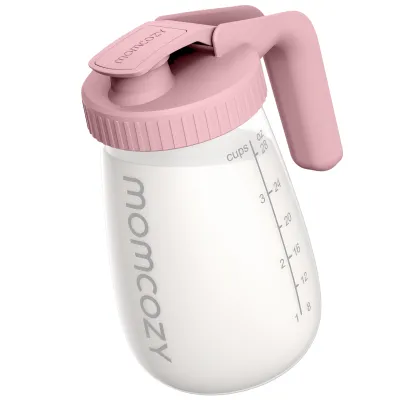
Reusable milk storage containers, often designed as small cups or pots with secure lids, are excellent for short-term refrigeration and organizing daily feeding portions. These containers are particularly useful for storing freshly expressed milk that will be consumed within a few days, as they allow for quick access and easy pouring. Their rigid structure makes them highly stable on refrigerator shelves, reducing the risk of accidental tips or spills that can occur with flexible bags.
One of the primary benefits of choosing reusable containers is the significant reduction in single-use plastic waste. For environmentally conscious families, investing in a set of durable, reusable cups is a sustainable choice that pays off over months of continuous use. These containers typically feature wide openings, which not only make transferring milk from a pump collection cup straightforward but also simplify the process of pouring the milk into a feeding bottle without losing a single drop.
Before purchasing, it is crucial to verify the material safety labels and care instructions directly on the product specifications. Ensure the containers are certified BPA-free to guarantee that no harmful chemicals will leach into your baby’s milk during storage or heating. Additionally, check if the containers are dishwasher-safe and compatible with steam or UV sterilizers. In humid tropical environments, thorough sterilization is vital to prevent the growth of mold and bacteria on reusable baby gear, so choosing heat-resistant materials is highly recommended.
The main trade-off with rigid storage containers is the physical space they occupy. Unlike storage bags, these containers maintain their shape whether they are full or empty, meaning they cannot be flattened to save space. If you have limited refrigerator or freezer shelving, storing a large number of rigid cups can quickly become impractical. They are best suited for a rolling inventory system where milk is constantly rotated and consumed, rather than long-term, high-volume freezer storage.
Evaluating Momcozy Milk Storage Bottles
Momcozy milk storage bottles serve a dual purpose by facilitating direct pumping, secure storage, and portable feeding. Many mothers prefer storage bottles because they minimize the need to transfer milk between different vessels. By pumping directly into the bottle, storing it in the fridge, and then attaching a compatible nipple for feeding, you streamline your daily workflow and significantly reduce the number of items that need to be washed and sterilized.
This direct-pump-to-feed method is highly advantageous for active lifestyles and portable feeding. When traveling or running errands, carrying a sealed storage bottle with a matching nipple in your diaper bag allows you to feed your baby quickly and cleanly without having to pour milk from a bag in a public space. This minimizes the risk of contamination and ensures a smooth, stress-free feeding experience while away from home.
To ensure a seamless experience, always check the compatibility of the storage bottles with your specific breast pump before making a purchase. Compatibility depends heavily on the pump’s flange design, connector type, and thread size. While some bottles are designed to screw directly onto wide-neck pumps, others may require specific adapters. Checking the manufacturer’s compatibility list on the product description will help you avoid purchasing bottles that do not fit your existing pumping setup.
Additionally, review the cleaning requirements and durability of the bottles for daily, repeated use. High-quality storage bottles should feature clear, accurate, and easy-to-read volume measurement markings that do not fade or rub off after multiple rounds of washing and sterilization. Look for bottles made from durable, impact-resistant materials that can withstand accidental drops on hard kitchen tiles, ensuring they remain a reliable part of your feeding toolkit for the long haul.
Matching Products to Your Routine
To help you decide which Momcozy milk storage option best fits your lifestyle, consider how each product aligns with your primary storage goals, space constraints, and budget. Many mothers find that a hybrid approach—using bags for the freezer stash and bottles or containers for daily fridge storage—provides the ultimate balance of convenience and efficiency.
| Product Type | Primary Use Case | Space Efficiency | Reusability | Pump Compatibility |
|---|---|---|---|---|
| Storage Bags | Long-term freezer storage | Excellent (lays flat) | Single-use only | Requires transfer or adapter |
| Storage Containers | Short-term fridge storage | Moderate (rigid shape) | Highly reusable | Requires transfer |
| Storage Bottles | Direct pumping & portable feeding | Moderate (rigid shape) | Highly reusable | Direct attachment (verify threads) |
When planning your purchase, it is wise to check current prices in Philippine Pesos (₱) and look for bundle options on official online stores or authorized e-commerce platforms. Buying storage bags in larger pack sizes or purchasing multi-packs of bottles and containers often offers better value and ensures you always have a clean, sterile storage option ready when you need to pump.
Safety, Handling, and Labeling Essentials
Regardless of the storage product you choose, adhering to safe handling and labeling practices is essential to protect the quality of your breast milk and ensure your baby’s safety. Always wash your hands thoroughly with soap and water before pumping, handling milk, or preparing feeds. In warm, tropical climates, milk should be placed in the refrigerator or freezer as soon as possible after expression to maintain its freshness and prevent bacterial growth.
Implementing a consistent and highly visible labeling system is key to managing your milk supply effectively. Use a waterproof marker to write the exact date, time, and volume on the dedicated label area of your storage bag or container. Always practice the “first in, first out” rule, using the oldest stored milk first to ensure your stash remains fresh. If you are sending milk to a daycare center, remember to include your baby’s full name on the label as well.
Before feeding, inspect the stored milk for any signs of spoilage, such as an unusually sour smell or a curdled appearance that does not blend back together when the container is gently swirled. When it is time to feed, follow safe thawing practices to preserve the milk’s vital nutrients and protective antibodies. The safest method is to transfer the frozen milk to the refrigerator to thaw overnight, or to place the sealed container in a bowl of warm water. Never use a microwave or boiling water to thaw or heat breast milk, as this can destroy beneficial nutrients and create dangerous hot spots that can burn your baby’s mouth.
Frequently Asked Questions (FAQ)
Can I reuse Momcozy milk storage bags?
No, Momcozy milk storage bags are strictly designed for single-use and should not be washed or reused. Reusing single-use plastic bags introduces significant hygiene risks, as the narrow corners and seams are incredibly difficult to clean and sterilize thoroughly, creating a breeding ground for harmful bacteria. To ensure your baby’s safety, always discard used bags immediately and refer to the product packaging or official manual for explicit usage instructions.
How do I properly thaw milk stored in bags or containers?
The safest way to thaw breast milk is to place the frozen bag or container in the refrigerator overnight, allowing it to liquefy gradually. If you need the milk immediately, you can place the sealed container under cool running water, gradually increasing the temperature, or submerge it in a bowl of warm water. Avoid using a microwave or boiling water, as extreme heat destroys the milk’s natural antibodies and can cause uneven heating.
Are Momcozy bottles compatible with all breast pumps?
Momcozy storage bottles are designed to be compatible with specific breast pump models, but compatibility is not universal across all brands. It depends heavily on the thread size, neck width, and connector design of your pump’s flange assembly. Before purchasing, always check the detailed product specifications or the manufacturer’s compatibility chart on authorized e-commerce platforms to confirm if they will fit your specific pump model directly or if you will need to purchase separate adapters.

Community discussion
Share your experience or ask a question. Comments are reviewed before publication.