
Setting up a nursery is an exciting milestone, but finding the right balance between style, safety, and long-term utility can feel overwhelming. When selecting Kuna changing tables and nursery furniture sets, the ideal choice depends on your specific room dimensions, storage needs, and how well the pieces adapt as your child grows. In tropical climates like the Philippines, where high humidity can affect wood and finishes, choosing well-constructed furniture with robust safety certifications is essential. By focusing on convertible designs, verifying manufacturer specifications, and planning your layout carefully, you can create a secure, organized, and beautiful space that serves your family for years.
Key Criteria for Selecting Nursery Furniture and Changing Tables
When planning your baby’s room, safety must always be the primary filter through which you evaluate every piece of furniture. Before looking at specific aesthetics, check the product labels and manufacturer documentation for compliance with recognized international safety standards. These certifications verify that the furniture has undergone rigorous testing for structural stability, load-bearing capacity, and the absence of lead or other harmful chemicals in the finishes. In a humid environment, verifying that the paints and sealants are non-toxic and moisture-resistant is particularly important, as damp air can sometimes accelerate the degradation of low-quality coatings.
Ergonomics play a massive role in your daily comfort, as you will spend hours bending over the changing table and lifting your baby. To prevent back strain, look for a changing table height that aligns comfortably with your waistline, allowing you to change diapers without excessively hunching your shoulders. The ideal height typically ranges between 36 and 43 inches, but you should test this against your own height and that of any other primary caregivers. Additionally, ensure there is sufficient toe-kick space at the base of the unit so you can stand close to the changing surface without stubbing your toes.
Products mentioned in this guide
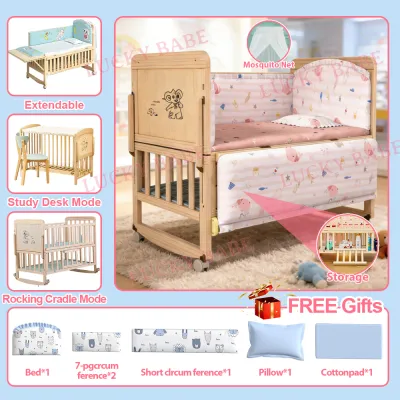

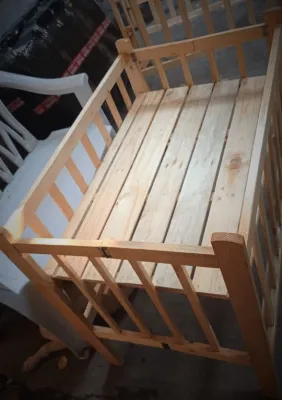
Prices are valid at publication and may change. Please refer to the product page for the latest price.
Space planning is another critical factor, especially if you are working with compact nursery layouts or shared bedrooms. Multi-functional furniture, such as a crib with built-in drawers or a dresser that doubles as a changing station, helps maximize floor space while keeping essential items within arm’s reach. When evaluating convertible designs, always check which components are included in the initial purchase and which must be bought separately, such as toddler guardrails or full-size bed conversion kits. Planning for these transitions early ensures that your furniture remains functional from infancy through the toddler years.
Evaluating Kuna Changing Table Options
As you explore the Kuna product lineup, you will generally encounter two primary configurations: standalone changing tables and dresser-top changing toppers. Standalone changing tables are lightweight, highly portable, and often feature open shelving that provides quick, unobstructed access to diapers, wipes, and fresh onesies. These are excellent for smaller rooms where you want to maintain an airy, uncluttered feel, but they do require you to keep items neatly organized in baskets. On the other hand, a dresser-top changing topper is a removable wooden frame that secures directly to the top of a matching Kuna dresser, offering a seamless look and abundant closed storage.

Your storage capacity requirements will largely dictate which style is best for your daily routine. Consider how many diapers, swaddles, receiving blankets, and changes of clothes you need to store in the immediate changing area to avoid leaving your baby unattended while searching for supplies. If you opt for a dresser-top setup, ensure the drawers slide smoothly on metal glides and feature safety stops to prevent them from being pulled out completely by an active toddler. In tropical regions, closed drawers are highly beneficial for protecting clean baby clothes and linens from airborne dust, humidity, and pests.
Understanding weight limits and developmental transition points is vital for maintaining a safe changing environment. Most changing tables and toppers are rated for babies up to 30 pounds, or until the child reaches approximately 12 months of age, though you must always verify the exact limits specified in your specific Kuna product manual. More importantly, you should discontinue using the elevated changing surface as soon as your baby begins to roll over, push up on hands and knees, or sit up independently, regardless of their weight. At this stage, the risk of falls increases significantly, and transitioning to a floor-based changing mat is the safest course of action.
Assessing Kuna Nursery Furniture Sets
Investing in a coordinated Kuna nursery furniture set is an excellent way to achieve a cohesive, polished look while often enjoying better overall value than purchasing individual pieces separately. Typical sets include a convertible crib, a double dresser, and either a standalone changing table or a matching changing topper. Before committing to a specific set, obtain the exact dimensions of each piece from the manufacturer’s specifications and map them out on your nursery floor plan. Be sure to account for the clearance needed to fully open dresser drawers, walk comfortably around the crib, and open the nursery door without obstruction.
Convertibility is a major selling point for modern nursery sets, but it requires careful reading of the fine print to avoid future disappointment. Many Kuna cribs are designed to transition from a standard crib to a toddler bed, a daybed, and eventually a full-size headboard and footboard. However, the conversion kits, wooden rails, and mattress support adjustments required for these transitions are frequently sold as separate accessories. It is highly recommended to purchase these conversion kits at the same time as the initial furniture set, as manufacturers may update their designs or discontinue specific colorways over time.
Budgeting for nursery furniture involves looking at both the immediate cost and the long-term value of the pieces. While a complete Kuna furniture set may require a higher upfront investment in ₱, it often proves more economical than buying a crib, dresser, and changing table individually over several months. When comparing prices, factor in the potential shipping fees for large, heavy items, as well as any assembly services if you prefer not to build the furniture yourself. Remember that high-quality, durable furniture that grows with your child ultimately reduces the need for future purchases, making it a highly practical investment.
Safety Checks and Setup Guidelines for Kuna Furniture
Once your Kuna furniture arrives, proper assembly and installation are paramount to creating a secure environment for your baby. The single most critical safety step you can take is anchoring all heavy furniture, including dressers, wardrobes, and changing tables, securely to the wall. Tip-over accidents can cause severe injuries, especially as babies grow into curious toddlers who attempt to climb open drawers. Always use the manufacturer-provided anti-tip kits, and ensure the anchors are secured directly into wall studs rather than simple drywall or plaster, using a stud finder to locate the strongest mounting points.
Before you begin the assembly process, and periodically throughout your use of the furniture, check the manufacturer’s official website for any safety notices, recalls, or hardware updates related to your specific model. When assembling the pieces, follow the step-by-step instructions meticulously, ensuring that every screw, bolt, and dowel is tightened securely but not stripped. Avoid using power tools unless explicitly recommended by the manual, as excessive force can crack the wood or damage the pre-drilled holes, compromising the structural integrity of the furniture. Regularly inspect the assembled pieces for any loose hardware, splinters, or sharp edges.
The physical placement of the furniture within the nursery is just as important as its structural stability. Position the changing table and crib well away from windows, where cords from window blinds, heavy drapes, or electrical outlets could present strangulation or entanglement hazards. Additionally, avoid placing furniture directly under heavy wall decorations, shelving, or air conditioning units that could drop dust, condensation, or objects into the baby’s sleeping or changing areas. In tropical climates, position the crib in a well-ventilated spot that receives gentle airflow but is shielded from direct, cold drafts from air conditioners or fans.
Where to Buy and Verify Kuna Products
To ensure you are receiving authentic Kuna furniture backed by genuine manufacturer warranties, always purchase through authorized retailers, official brand stores, or reputable e-commerce platforms. Buying from unauthorized third-party sellers or unverified online marketplaces increases the risk of receiving counterfeit goods, damaged items, or older models that may not comply with current safety standards. When browsing online, look for official seller badges or verify the retailer list directly on the official Kuna website to guarantee a secure transaction and reliable customer service.
Before finalizing your purchase, take the time to thoroughly review the warranty terms, return policies, and after-sales support options for large furniture items. Shipping heavy wooden furniture can sometimes result in minor transit damage, so it is crucial to know the retailer’s policy regarding returns, exchanges, and replacement parts. A robust warranty should cover manufacturing defects and structural failures for a reasonable period, giving you peace of mind that your investment is protected. Keep your digital receipts, order confirmations, and product manuals in a dedicated folder for easy reference should you ever need to contact customer support.
When your furniture is delivered, inspect the packages immediately before the delivery personnel leave, if possible, or before you begin unpacking and assembling. Check the exterior boxes for any signs of severe impact, water damage, or tearing that could indicate rough handling during transit. Once unpacked, lay out all the wooden panels and hardware components to verify that everything matches the parts list in the instruction manual. If you notice any cracked wood, missing screws, or damaged finishes, contact the retailer’s customer service department immediately to request replacement parts before attempting to assemble or use the furniture.
Frequently Asked Questions (FAQ)
How do I clean and maintain a Kuna changing table pad?
To keep your changing table pad clean and hygienic, always begin by checking the manufacturer’s care label for specific washing or wiping instructions. Most changing pads feature a water-resistant outer cover that can be easily wiped down after each diaper change using a damp cloth and a mild, baby-safe soap. Avoid using harsh chemical cleaners, bleach, or abrasive scrubs, as these can degrade the waterproof coating, cause the material to crack, and leave behind irritating chemical residues that could react with your baby’s sensitive skin. In humid tropical climates, ensure the pad is completely dry before placing any fabric covers or liners over it, as trapped moisture can quickly lead to the growth of mold and mildew.
Can I use a Kuna changing table after my baby outgrows it?
Yes, many Kuna changing tables are designed with long-term versatility in mind, allowing you to repurpose the furniture once your baby outgrows the diaper-changing stage. If you opted for a dresser-top changing topper, you can simply unscrew the safety brackets from the back of the dresser and remove the topper entirely, leaving you with a beautiful, standard chest of drawers that fits perfectly in a child’s bedroom or guest room. If you have a standalone changing table, it can often be repurposed as a stylish storage cart for toys, books, crafting supplies, or even bathroom linens. Regardless of how you choose to reuse the furniture, always ensure that the unit remains stable, properly balanced, and securely anchored to the wall to prevent tip-over hazards as your child continues to grow.

Community discussion
Share your experience or ask a question. Comments are reviewed before publication.