
Selecting the right Huppy Buppy products for storing and bringing baby food on the go requires a careful balance of food safety, portability, and convenience. In a tropical climate like the Philippines, where high humidity and warm temperatures can accelerate food spoilage, choosing the correct container is not just about convenience—it is a matter of keeping your baby’s meals fresh and safe. To make the best choice, parents must evaluate the specific food textures they plan to carry, the duration of their outings, and the ease of maintaining hygiene while away from home. By matching these factors with the brand’s distinct product categories, you can build a reliable travel feeding system that fits seamlessly into your daily routine.
Essential Features for Portable Baby Food Storage
Before selecting specific containers, it is crucial to understand the baseline requirements for safe and practical travel feeding. The primary concern for any parent carrying baby food in a diaper bag is preventing messy leaks. A reliable container must feature a robust sealing mechanism, such as silicone gaskets or secure snap-on lids, that can withstand being jostled during transit. In tropical environments, a compromised seal does not just mean a messy bag; it also exposes the food to airborne contaminants and humidity, which can quickly compromise its freshness.
Material safety is another non-negotiable factor. Parents should always inspect product packaging and manufacturer declarations to verify that the containers are made from food-grade materials, such as high-quality silicone or BPA-free plastics. These materials must be stable enough to handle temperature transitions without leaching harmful chemicals into the baby’s food.
Products mentioned in this guide
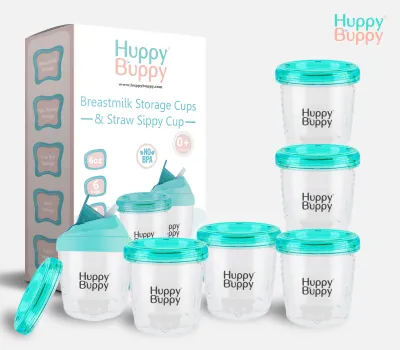
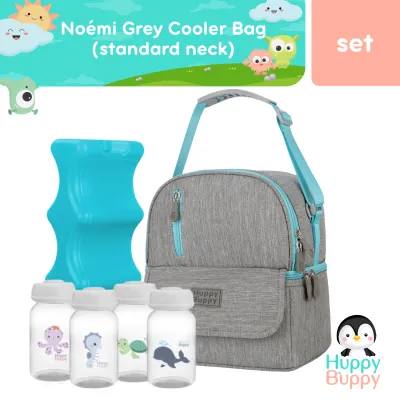
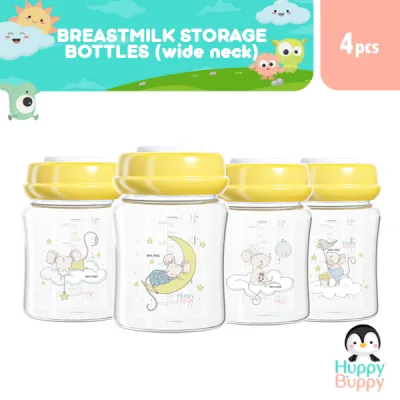
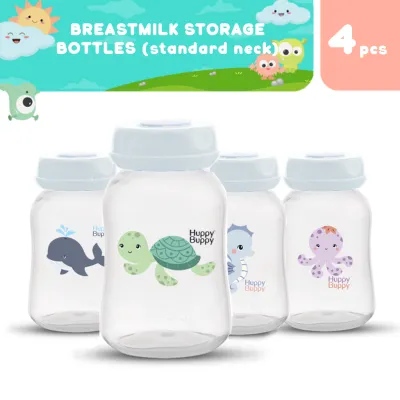
Prices are valid at publication and may change. Please refer to the product page for the latest price.
Furthermore, the ease of cleaning and sterilization is vital for maintaining hygiene on the go. Complex designs with hard-to-reach crevices can trap food residue, leading to mold and bacterial growth, especially in warm and humid weather. Opt for containers that can be easily disassembled, allowing every seal, lid, and corner to be thoroughly scrubbed and sterilized.
Finally, consider the physical footprint and weight of the storage solutions. When packing for an outing, every square inch of your diaper bag is valuable. Lightweight, stackable, or collapsible containers help minimize bulk, ensuring you can carry necessary meals without overloading yourself during long walks or commutes.
Evaluating Huppy Buppy Storage Categories for Different Needs
Huppy Buppy offers a variety of portable baby food storage solutions designed to accommodate different stages of weaning and feeding. Choosing the right category depends heavily on the state of the food—whether you are carrying liquids like breast milk or formula, semi-solids like purees and mashes, or dry finger foods and snacks. Each product type is engineered with specific materials and closures to optimize food preservation and ease of use. To ensure safety and performance, parents should always check the manufacturer’s intended use and temperature limits for each category before packing them for an outing.

Insulated Food Jars for Warm Meals
For longer trips where you need to keep purees, warm porridges, or soft grains at a safe temperature, insulated food jars are highly practical. When evaluating these jars, always refer to the product manual to verify the exact heat and cold retention durations specified by the manufacturer. Keeping food at the correct temperature is essential for preventing bacterial growth, particularly when traveling in warm weather.
Look for insulated jars that feature a wide-mouth design. This structural feature serves two purposes: it allows you to easily scoop food directly from the jar with a baby spoon, and it simplifies the cleaning process by giving you full access to the interior walls during washing. Additionally, check the exterior material of the jar. A textured or non-slip outer surface provides a secure grip when feeding your baby in busy public spaces, while condensation-resistant exteriors prevent the jar from slipping out of your hands or making other items in your bag damp.
Reusable Silicone Pouches for Liquid or Semi-Liquid Foods
Reusable silicone pouches offer a flexible, space-saving alternative for storing smooth purees, yogurt, breast milk, or prepared formula. Because silicone is highly durable and temperature-resistant, these pouches are often designed to transition from the freezer directly to your travel bag. However, it is important to review the manufacturer’s specific thawing and heating instructions to avoid damaging the material or creating hot spots in the food.
When inspecting silicone pouches, pay close attention to the sealing mechanism. A secure, leak-proof cap or zip-seal is necessary to prevent accidental squeezing and spills inside your bag. Additionally, ensure that the caps and any small detachable parts are designed to prevent choking hazards, especially if your baby is at an age where they like to explore objects with their mouth. Always adhere to the manufacturer’s guidelines regarding maximum filling limits; overfilling a flexible pouch can cause it to burst under pressure or when squeezed during feeding.
Compartmentalized Portion Containers for Snacks and Solids
As babies transition to solid finger foods, puffs, and sliced fruits, compartmentalized portion containers become incredibly useful. These containers allow you to organize different food items without them mixing together, preserving textures and flavors. When choosing these containers, evaluate the security of the latching mechanisms and the effectiveness of the internal dividers to ensure that dry snacks do not absorb moisture from adjacent damp foods.
Stackability is another key feature to look for, as it allows you to pack multiple meals or snacks vertically, saving precious space in your diaper bag. Ensure that the portion sizes of the compartments align with your baby’s current developmental stage and appetite. Using pre-portioned containers helps you monitor your baby’s food intake while away from home and prevents the waste of carrying more food than necessary.
Matching the Storage Solution to Your Daily Routine
Selecting the ideal combination of Huppy Buppy storage products requires analyzing your typical daily schedule and your baby’s feeding habits. For short errands, such as a quick trip to a local mall or a brief visit to a nearby park, lightweight and single-serve options are usually sufficient. A single silicone pouch or a small portion container can easily fit into a compact handbag, providing a quick snack without the need for heavy insulated gear.
Conversely, full-day travel, family gatherings, or long road trips demand a more robust setup. In these scenarios, you will likely need a combination of insulated food jars to keep main meals warm, alongside multiple compartmentalized containers for snacks throughout the day. Planning your meals in advance allows you to pack only what is necessary, keeping your travel load manageable.
Your baby’s level of feeding independence also plays a significant role in your choice. If your baby is still in the early stages of weaning and requires spoon-feeding, wide-mouth jars and deep bowls that allow easy adult access are ideal. If your child has progressed to self-feeding, look for easy-grip snack containers with soft, spill-resistant lids that allow tiny hands to reach inside without spilling the contents.
Additionally, consider the availability of cleaning facilities at your destination. If you are visiting a place with reliable access to clean water and sterilization equipment, you can comfortably use complex containers with multiple parts. However, if you are traveling to outdoor locations or areas where washing facilities are limited, simple, single-piece containers that can be easily wiped clean or sealed tightly until you return home are much more practical.
Safety, Hygiene, and Pre-Purchase Verification
Ensuring the safety and hygiene of your baby’s food storage containers requires strict adherence to official guidelines and regular product maintenance. Always rely on the product’s official manual for age grading, temperature limits, and approved sterilization methods. Different materials require different care; for instance, while some silicone components can withstand high-temperature steam or boiling water, certain plastic lids or decorative elements may warp or degrade under the same conditions. If you use a UV sterilizer, verify that the manufacturer explicitly states the material is UV-safe to prevent premature aging and discoloration of the plastics.
Regularly inspect all components of your storage containers before use. Look closely at silicone seals, valves, and straw components for micro-tears, discoloration, or stubborn residue. Over time, humidity and food moisture can lead to mold growth in hidden crevices, which can pose health risks to your baby. If you notice any signs of degradation, persistent odors, or compromised seals, it is important to retire the container. Damaged containers should be discarded rather than repurposed for food storage, as compromised surfaces can harbor bacteria and are no longer guaranteed to be leak-proof or food-safe.
Finding and Verifying Authentic Products
To guarantee that you are receiving genuine Huppy Buppy products that have undergone proper safety and material testing, it is essential to purchase from verified sources. Prioritize buying directly from the official brand website or authorized flagship stores on reputable e-commerce platforms. Avoid purchasing from unverified third-party sellers who offer unusually low prices, as counterfeit baby products may use sub-standard materials that contain harmful chemicals like BPA or phthalates.
Before making a purchase, take the time to verify the seller’s credentials and read customer reviews, focusing on feedback regarding product packaging, material quality, and authenticity. Reliable sellers will have clear return policies and responsive customer service. Upon receiving your order, inspect the packaging for official holograms, batch numbers, or authenticity verification codes provided by the brand. Checking these details ensures that the products you use to feed your baby meet the highest safety and quality standards.
Frequently Asked Questions (FAQ)
Can I microwave Huppy Buppy storage containers directly?
Microwave safety depends entirely on the specific material of the container and the manufacturer’s explicit instructions. While some high-grade silicone and specific plastic components are rated as microwave-safe, others may warp, melt, or release chemicals when exposed to high heat. Always check the bottom of the container or the product manual for the microwave-safe symbol before heating. If microwaving is permitted, ensure you remove all lids, seals, and metal components to prevent pressure buildup or damage. If the manual prohibits microwaving, safely transfer the food to a microwave-safe glass or ceramic dish, or use a warm water bath to heat the meal.
How do I remove stubborn food odors from silicone pouches?
Silicone is a porous material that can sometimes absorb strong food odors over time. To address this, always consult the brand’s official care guide for approved cleaning methods. A safe and common practice is to wash the pouch thoroughly with mild, unscented dish soap and warm water, followed by complete air-drying in a well-ventilated area. Avoid using harsh chemical scrubbers, bleach, or abrasive cleaning pads, as these can scratch and degrade the silicone surface, making it more susceptible to harboring bacteria. If a persistent odor remains even after thorough cleaning and drying, it may indicate that the silicone material has degraded, and the pouch should be replaced for hygiene reasons.
Are these products suitable for storing hot liquids?
The suitability of Huppy Buppy containers for hot liquids varies significantly by product category and material design. Insulated food jars are generally designed to handle warm or hot foods, but sealing hot liquids in non-vented containers can create a vacuum or cause pressure buildup as the air inside expands. This pressure can lead to sudden leaks, difficulty opening the container, or accidental scalding when the lid is removed. Always check the specific product’s maximum temperature threshold in the user manual before filling it with hot liquids, and allow extremely hot liquids to cool slightly before sealing the container.

Community discussion
Share your experience or ask a question. Comments are reviewed before publication.