
Introducing solid foods to your baby is an exciting milestone, but it also brings a wave of practical challenges for parents. From managing messy spills to ensuring your little one can comfortably grasp their new utensils, having the right feeding gear makes a significant difference in your daily routine. When exploring options on an online marketplace, the Hoshi Baby official store offers a wide array of silicone and plastic tableware designed to support babies through various stages of development. However, because every child develops at their own pace, selecting the right bowls, plates, and cups requires a clear understanding of your baby’s current motor skills and feeding needs.
Rather than purchasing a complete set all at once, many parents find success by matching specific product features to their baby’s immediate weaning phase. This approach not only saves money but also ensures that your child is using tools that match their physical capabilities. By evaluating design elements such as suction strength, cup lid styles, and utensil ergonomics, you can create a safe, encouraging, and highly functional dining environment for your growing baby.
Understanding Your Baby's Weaning Stages
The journey of learning to eat solid foods is generally divided into three distinct developmental phases, each requiring a different approach to tableware design. Recognizing where your baby falls on this spectrum is the first step in making an informed purchase from the Hoshi Baby official store.
Products mentioned in this guide
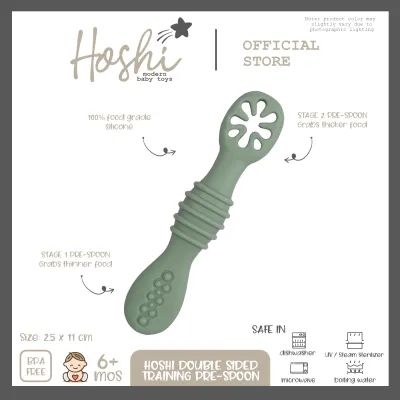
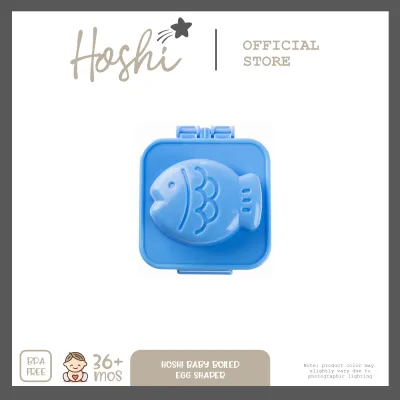
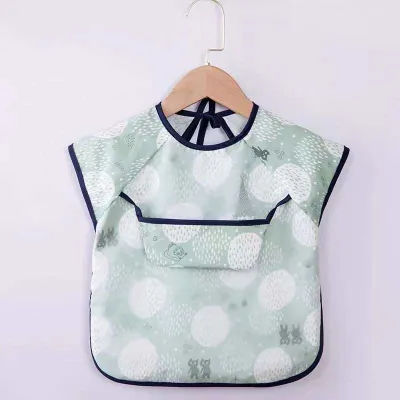
Prices are valid at publication and may change. Please refer to the product page for the latest price.
Early weaning typically begins around six months of age, when a baby shows signs of readiness such as sitting up with minimal support and holding their head steady. At this stage, the diet consists primarily of smooth, single-ingredient purees. Because the caregiver does all the feeding, the baby does not need to handle the bowl or spoon. Instead, the focus is on small, manageable portions and utensils that are gentle on sensitive, teething gums. The primary goal is introducing new flavors and textures rather than consuming large volumes of food.
Mid weaning, which usually spans from seven to nine months, is characterized by the introduction of thicker, mashed foods and soft lumps. During this phase, babies begin to develop their pincer grasp, allowing them to pick up small pieces of food with their thumb and index finger. They also start showing a keen interest in holding the spoon or grabbing the bowl themselves. Tableware for this stage must prioritize stability to prevent accidental spills as your baby experiments with their hands.
Late weaning and the transition to independent self-feeding occur from ten months onward. At this point, toddlers are eating a wider variety of finger foods and actively attempting to scoop food with their own utensils. They are also transitioning from sucking to active sipping. Tableware for older babies needs to be highly durable, slip-resistant, and designed with divided sections to accommodate different food groups, helping them navigate more complex meals with confidence.
Selecting Hoshi Baby Bowls and Plates for Early and Mid Weaning
During the initial months of weaning, feeding sessions are highly interactive and often messy. When selecting bowls and plates for early and mid weaning, the physical design of the tableware plays a crucial role in how smoothly the meal progresses.

One of the most important features to look for is a reliable suction base. In many households, babies are fed on high chair trays or smooth dining tables. A bowl with a strong suction base anchors the dish to the surface, preventing your baby from swiping it onto the floor in a moment of excitement. When browsing the Hoshi Baby official store, look for bowls made from flexible, food-grade silicone, as this material naturally adheres well to flat, non-porous surfaces.
In addition to suction, the shape of the bowl’s walls is vital for both caregivers and babies. Bowls with high, curved, or slightly undercut walls make it much easier to scoop up purees and mashes. When you press a spoon against a curved wall, the food is naturally guided onto the spoon rather than spilling over the edge. This design is particularly helpful during mid weaning when your baby is first attempting to use a spoon independently.
Portion size is another factor that parents often overlook. During early weaning, babies consume very small amounts of food. Using a large toddler plate can make these tiny portions look insignificant, which sometimes leads caregivers to overfill the dish and waste food. Opt for smaller, compact bowls that are specifically sized for first foods. These smaller bowls are also easier to pack in a diaper bag when traveling or visiting relatives.
Finally, always verify the manufacturer’s guidelines regarding heat resistance. Purees and mashes often need to be warmed up before serving. Checking whether a bowl is safe for use in the microwave or a bottle warmer ensures you can prepare meals quickly without damaging the tableware or compromising food safety. Look for clear temperature limits on the product packaging or official online listing before making your purchase.
Transitioning to Self-Feeding: Plates and Utensil Compatibility
As your baby enters the late weaning stage, their desire for independence grows. They will want to feed themselves, which requires a shift in the type of tableware and utensils you provide.
Divided plates are exceptionally useful during this transition. Introducing a variety of flavors and textures is key to preventing picky eating, and a divided plate allows you to serve different foods—such as soft grains, steamed vegetables, and protein—without them mixing together. This separation helps toddlers identify different tastes and textures visually and texturally. When selecting divided plates from the Hoshi Baby official store, look for options with deep sections to keep runny foods from spilling into dry ones.
Plate stability remains a priority even as your child gets older. Toddlers often use significant force when trying to scoop food or spear it with a fork. If the plate slides around, the child can quickly become frustrated and give up. Look for plates with wide, non-slip silicone bases or integrated suction pads that keep the plate firmly in place, even when subjected to enthusiastic toddler handling.
Utensil compatibility is another critical element of self-feeding. Standard adult spoons are too long and thin for a baby’s developing motor skills. Instead, look for spoon and fork sets with short, thick, and textured handles that fit comfortably in a toddler’s palmar grasp. Many self-feeding utensils feature a collar or shield near the tip to prevent the baby from inserting the spoon too far into their mouth, which helps reduce the risk of gagging.
Durability is the ultimate test for any toddler tableware. It is highly likely that plates and utensils will be dropped, thrown, or bitten repeatedly. Food-grade silicone is an excellent choice for this stage because it is virtually unbreakable, does not chip, and is soft enough to protect your baby’s developing teeth and gums when they bite down on the edges of their plate or spoon.
Choosing the Right Hoshi Baby Water Cups by Milestone
Teaching your baby how to drink water is just as important as introducing solid foods. The transition from a bottle or breast to a cup involves a complex set of oral motor skills that develop gradually over several months.
For early sipping practice, which typically begins around six months alongside solid foods, training cups with soft spouts are a common starting point. These cups feature a spout that is gentle on sensitive gums and requires a sucking motion similar to what the baby is already used to. However, because spout cups do not encourage mature swallowing patterns, they are best used as a brief transitional tool rather than a long-term solution.
As your baby reaches mid weaning (around seven to nine months), transitioning to a straw cup is highly beneficial. Drinking from a straw helps develop the muscles in the tongue, cheeks, and lips, which are crucial for speech development. When shopping on the Hoshi Baby official store, look for straw cups that feature a weighted straw. A weighted straw moves with the liquid, allowing your baby to drink successfully even if they tilt the cup upside down or lie back while drinking.
For late weaning and toddlers, open cups or 360-degree rim cups are the gold standard for oral health. Pediatric dentists generally recommend transitioning to open cups as early as practical because they promote natural jaw alignment and healthy tooth development. A 360-degree cup allows your child to drink from any side of the rim, mimicking an open cup while utilizing a spill-proof valve that only releases liquid when pressure is applied.
Regardless of the cup style you choose, ease of cleaning is a paramount consideration, especially in warm, humid tropical climates where mold can quickly develop in small crevices. Look for cups with removable valves, simple locking mechanisms, and minimal parts. Check if the cup is leak-proof to ensure it can be tossed into a diaper bag without causing a mess during family outings.
What to Verify Before Buying from the Official Store
Shopping online offers incredible convenience, but it also requires a level of diligence to ensure you are getting safe, authentic products that suit your baby’s specific needs. Before finalizing your purchase from the Hoshi Baby official store, there are several key details you should verify.
First, always read the specific age and weight recommendations provided on the product packaging or the official online listing. While general guidelines can help you plan, the manufacturer’s specific recommendations are tailored to the physical dimensions and safety testing of that particular item. Never assume a product is suitable for your baby based solely on its category or appearance.
Second, verify the material safety labels directly on the product page. Look for explicit confirmations that the items are made from food-grade silicone, are BPA-free, and do not contain harmful phthalates or heavy metals. Because safety standards are dynamic, relying on general brand assumptions is not enough; take a moment to read the specifications for each individual item you plan to buy.
Third, carefully review the care and maintenance instructions. Consider your daily household routine: do you rely heavily on a dishwasher, a microwave, or a specific type of sterilizer? Some silicone items are highly heat-resistant and can withstand steam or boiling water, while certain plastic components or printed designs may degrade under high heat or UV sterilization. Matching the product’s care requirements to your existing cleaning routine will extend the lifespan of the tableware.
Finally, compare prices in Philippine Pesos (₱) across different product listings and bundle options. Many online stores offer discounted bundles that combine a bowl, plate, cup, and utensils at a lower price than purchasing them individually. Always double-check that you are buying from the authorized Hoshi Baby official store on the ecommerce platform to ensure you receive genuine products, accurate safety documentation, and valid customer support.
Frequently Asked Questions (FAQ)
How do I clean and sterilize Hoshi Baby silicone tableware?
To maintain the hygiene and longevity of your silicone tableware, always check the manufacturer’s manual for the specific maximum temperature limits of each item. Generally, food-grade silicone can withstand high temperatures, making it compatible with boiling water, steam sterilizers, and top-rack dishwasher cycles. However, you must verify this for each product before exposing it to extreme heat. When washing by hand, use a mild dishwashing liquid and a soft sponge. Avoid using harsh abrasive scrubbers or steel wool, as these can create microscopic scratches on the silicone surface where food particles and bacteria can accumulate over time.
What should I do if the suction base on a bowl stops sticking?
If a suction bowl or plate loses its grip, the issue is often caused by a buildup of invisible grease, soap residue, or dust on either the suction base or the feeding surface. Start by thoroughly washing both the bottom of the bowl and the high chair tray with warm, soapy water, then dry them completely. For the best suction, ensure both surfaces are smooth, clean, and slightly damp before pressing the bowl down firmly from the center outward to push out any trapped air. Additionally, inspect the suction base for any warping, tears, or physical damage that might prevent a proper seal. If the product appears defective or does not perform as expected out of the box, contact the official store to inquire about their return or warranty policies.

Community discussion
Share your experience or ask a question. Comments are reviewed before publication.