
Introducing solid foods and water is a major milestone in your baby’s development, and having the right tools can make mealtime smoother for both of you. Dr. Spock offers a variety of tableware and drinkware designed to support early weaning, but choosing the exact right items depends on your baby’s current motor skills, feeding environment, and safety needs. This guide provides a structured framework to help you evaluate Dr. Spock products, verify safety features, and build a practical weaning shortlist without relying on unverified claims.
Understanding Early Weaning Needs for Tableware and Cups
Transitioning from milk to solid foods represents a significant shift in your baby’s physical development. Around the age of six months, infants begin to lose their tongue-thrust reflex, allowing them to swallow purees and soft solids safely. This period is also when they start developing their palmar grasp, using their entire hand to clutch objects before eventually moving to the more precise pincer grasp.
During this transition, the size and weight of the tableware play a critical role in your baby’s learning process. Oversized plates or heavy bowls can overwhelm a small child and make it difficult for them to reach their food. Choosing items with appropriate portion capacities helps parents monitor intake while keeping the physical challenge manageable for the baby.
Products mentioned in this guide
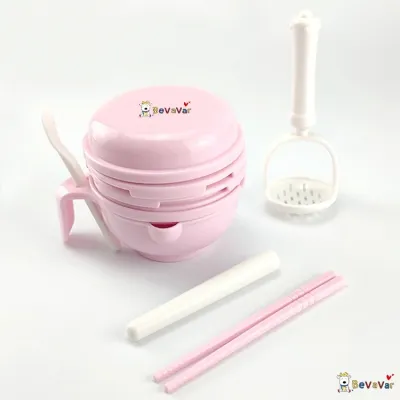
Prices are valid at publication and may change. Please refer to the product page for the latest price.
Introducing water is equally important for hydration and oral motor development. Moving from a bottle or breast to a cup requires different muscle coordination in the jaw, tongue, and lips. Pediatric guidelines often recommend introducing open cups or straw cups early in the weaning process to encourage healthy swallowing patterns and support speech development.
In a tropical climate like the Philippines, maintaining proper hydration is essential, especially as babies become more active. High humidity and warm temperatures mean that water must be easily accessible throughout the day. Using stable, easy-to-hold cups and bowls reduces mealtime frustration, allowing your baby to focus on learning how to eat and drink independently.
Key Features to Evaluate in Dr. Spock Weaning Products
When browsing Dr. Spock weaning products, material safety should always be your primary consideration. Parents must carefully inspect the product packaging for clear labels indicating that the materials are food-grade and free from harmful chemicals like BPA, phthalates, and PVC. High-quality food-grade silicone and stainless steel are excellent choices because they are durable, non-toxic, and resistant to breaking when dropped.

Ergonomics is another crucial factor to evaluate before making a purchase. Look for bowls and plates that feature strong suction bases, which prevent active babies from tipping or throwing their food. Cups should have weighted bases to keep them upright on high chair trays, along with easy-grip handles that fit comfortably in tiny hands.
Cleaning and maintenance are particularly important in warm, humid environments where mold and bacteria can quickly multiply. Evaluate the design of each product to ensure there are no hard-to-reach crevices or complex valve systems that are difficult to clean. Opt for items that are labeled as dishwasher-safe or can be easily disassembled for thorough hand-washing and sterilization.
Building Your Dr. Spock Weaning Shortlist
Creating a targeted shortlist of weaning essentials helps you avoid unnecessary purchases and focuses your budget on items that match your baby’s current developmental stage. By evaluating specific product categories against your daily routine and your baby’s motor skills, you can select the most practical tools for your home.
Plates and Bowls for First Solids
Suction bowls are highly beneficial during the initial stages of weaning when babies are learning to scoop food. A strong suction base keeps the bowl firmly anchored to the high chair tray, preventing it from sliding around as your baby practices using a spoon. This stability helps build your baby’s confidence and significantly reduces the amount of food that ends up on the floor.
Divided plates are ideal for introducing varied textures and keeping different food groups separate. As your baby transitions to finger foods, presenting items like soft steamed vegetables, grains, and proteins in distinct compartments encourages them to explore different tastes and textures individually. This design also helps parents visualize and serve balanced portions during mealtime.
When selecting plates and bowls, pay close attention to their size, depth, and lip design. Bowls with curved, inward-sloping rims make it easier for babies to scoop food onto their spoons independently. The depth should be sufficient to contain purees and semi-solids without spilling, yet shallow enough to allow your baby to see and reach the food easily.
Training Cups and Straw Cups for Hydration
Selecting the right water cup involves matching the cup’s design to your baby’s oral motor skills. While traditional spout cups can serve as a temporary transition tool, many pediatric experts recommend moving directly to straw cups or open cups. Straw cups help develop the muscles needed for mature swallowing and speech, making them an excellent choice for early hydration.
When evaluating cups, consider the balance between leak-proof features and ease of drinking. Cups with complex leak-proof valves prevent spills but often require the baby to suck with significant force, which can cause frustration. Free-flow cups allow water to emerge easily but require close supervision to prevent choking and large spills, especially during the early learning phases.
Handle design is another key element that influences how easily your baby can use a cup. Dual handles that curve outward allow babies to use both hands to lift, tilt, and control the cup. As your baby’s coordination improves, you can transition them to cups with textured surfaces or contoured bodies that encourage a secure, single-handed grip.
Safety Checks and Manufacturer Guidelines
Before using any new tableware or cup, always read the manufacturer’s specific age, weight, and developmental recommendations printed on the packaging. These guidelines are designed to ensure the product is safe for your baby’s current stage of growth. Never assume a product is suitable for your infant based solely on its category or appearance.
Regularly inspect all silicone and plastic weaning items for signs of wear and tear. Babies who are teething often chew on spoon tips, bowl rims, and cup straws, which can cause micro-tears or weaken the material over time. If you notice any deep bite marks, cracks, discoloration, or a sticky texture, discard the item immediately to prevent choking hazards or bacterial buildup.
Verify the temperature limits of each product before exposing it to heat. While food-grade silicone can generally withstand high temperatures, certain plastics, lids, and valve components may warp or degrade when boiled, microwaved, or placed in a steam sterilizer. Always follow the manufacturer’s instructions for cleaning and heating to maintain the safety and longevity of the products.
Purchasing Channels and Authenticity Verification
To ensure you are purchasing genuine, safe Dr. Spock products, always buy from official brand websites, authorized physical baby boutiques, or verified flagship stores on reputable e-commerce platforms. Avoid purchasing from unverified third-party sellers, as counterfeit baby products may contain substandard materials or toxic chemicals that do not meet safety standards.
Upon receiving your order, carefully inspect the packaging for official holograms, batch numbers, or authenticity seals. Genuine products typically feature high-quality packaging with clear, grammatically correct instructions and safety warnings in English. If the packaging looks flimsy, poorly printed, or lacks clear branding, contact the retailer immediately.
Be cautious when comparing prices across different online marketplaces. While finding a discount is helpful, prices in ₱ that are suspiciously lower than the official retail price are often a sign of counterfeit or compromised goods. Investing in authentic, certified tableware is essential for protecting your baby’s health and ensuring a safe weaning experience.
Frequently Asked Questions (FAQ)
How do I clean and sterilize Dr. Spock silicone tableware?
To clean Dr. Spock silicone tableware, always refer to the specific product manual for approved sterilization methods. Most high-quality food-grade silicone can tolerate boiling water, steam sterilization, or top-rack dishwasher cycles. However, you should avoid using harsh abrasive sponges or sharp metal utensils, as these can scratch the silicone surface. Scratches create microscopic grooves where food particles and bacteria can accumulate, especially in warm, humid climates. Use a mild, fragrance-free baby bottle cleanser and a soft sponge to keep the tableware clean and hygienic.
When should I transition from a suction bowl to a regular plate?
You can begin transitioning your baby from a suction bowl to a regular plate when they demonstrate improved motor control and a reduced urge to throw or tip their dishes. This transition typically occurs as the baby approaches toddlerhood and becomes more adept at using utensils. To test their readiness, introduce a non-suction plate during supervised, low-mess meals, such as snack times with dry finger foods. If the baby consistently keeps the plate on the table and focuses on eating, you can gradually phase out suction bowls for regular meals.
Can I use Dr. Spock water cups for hot liquids?
No, you should not use Dr. Spock training cups or straw cups for hot liquids. Always check the manufacturer’s maximum temperature rating on the packaging, which is typically designed for cool or room-temperature beverages. Pouring hot liquids into a sealed straw or spout cup can cause pressure to build up inside the container, leading to unexpected leaks or a sudden spray of hot liquid when the valve is opened. To prevent accidental burns and protect the integrity of the cup’s seals and valves, only serve lukewarm or cool water to your baby.

Community discussion
Share your experience or ask a question. Comments are reviewed before publication.