
Organizing a nursery in a compact condominium requires careful spatial planning and smart product selection. When browsing the cottoncare official store or authorized retail channels, the goal is to find storage solutions that maximize vertical space, serve multiple functions, and safely accommodate baby essentials without overcrowding the room. In the Philippines, where condo living often means working with limited square footage and high ambient humidity, selecting the right organizers can transform a cluttered room into a serene, functional space for both you and your baby.
By focusing on adaptable, high-quality storage options, you can keep daily essentials within reach while maintaining a clean aesthetic. The key is to approach nursery organization systematically, evaluating your physical space, prioritizing versatile product features, and zoning the room according to your daily routines.
Assessing Your Condo Nursery Space Constraints
Before adding any items to your digital cart, it is essential to measure your available physical space with high accuracy. Condo rooms in the Philippines often feature unique architectural layouts, such as protruding structural columns or low window sills, which can limit where you place furniture. Use a reliable measuring tape to record the exact floor footprint of the area designated for storage, noting how far doors, drawers, and wardrobe panels can swing open without obstruction.
Products mentioned in this guide

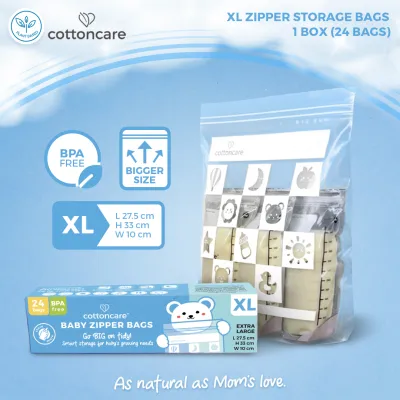
Prices are valid at publication and may change. Please refer to the product page for the latest price.
Do not forget to measure vertical clearance and the width of your entryways, hallways, and elevator doors. Many condo residents purchase beautiful, pre-assembled storage units only to find they cannot clear the tight turns of the building’s corridors or fit through the nursery doorway. Knowing these dimensions beforehand prevents delivery day headaches and ensures a smooth setup process.
Next, look for underutilized areas that typically go unnoticed in standard room layouts. The wall space directly above the changing table, the empty corners of the room, and the vacant area underneath the crib are prime real estate for compact storage. Utilizing these zones allows you to keep the center of the room clear, providing a safer, more open environment as your baby begins to crawl and explore.
Finally, always account for necessary safety clearances around your baby’s primary gear. Storage units must be positioned far enough from the crib to prevent an older baby from using them as leverage to climb out. Additionally, ensure that no organizer blocks essential ventilation grilles, air conditioning units, windows, or emergency exit routes, keeping the nursery both comfortable and compliant with building safety standards.
Space-Saving Features to Prioritize in Cottoncare Products
When exploring the cottoncare official store, prioritize vertical storage options that draw the eye upward and preserve precious floor space. Tall, slender shelving units or modular, stackable bins allow you to store a large volume of items on a minimal footprint. This approach is particularly beneficial in compact Philippine condos, where floor space is at a premium and vertical walls represent your greatest organizational asset.

Multi-functional furniture and accessories are equally valuable when space is tight. Look for changing tables that feature deep, built-in drawers or open shelving underneath, allowing you to store diapers, wipes, and spare clothes directly below the changing pad. Similarly, choosing organizers that can transition from hanging on a closet rod to sitting on a shelf ensures you get maximum utility out of a single purchase.
Collapsible fabric bins and foldable organizers are excellent choices for dynamic nursery environments. These lightweight storage solutions can be easily tucked away flat when not in use, freeing up space when your storage needs temporarily decrease. In tropical climates, look for breathable fabric options that promote airflow, helping to keep stored linens and clothing fresh.
Modular systems offer the flexibility needed to adapt as your child grows. A storage setup that works perfectly for newborn diapers and swaddles may need to accommodate larger toys, books, and shoes a year later. Selecting modular bins and adjustable dividers allows you to reconfigure your storage compartments easily, saving you from having to purchase entirely new furniture pieces in the future.
Matching Storage Types to Nursery Zones
Creating distinct functional zones within your small nursery makes daily care routines much smoother. In the diapering zone, quick-access caddies and shallow drawer organizers are indispensable. A portable diaper caddy stocked with wipes, creams, and diapers can be carried easily from the nursery to the living room, ensuring you always have essentials nearby without needing duplicate storage setups in every room.
For clothing and textiles, utilizing drawer dividers and hanging closet organizers is the most efficient way to manage tiny baby garments. Because baby clothes are small, they easily become jumbled in deep drawers; dividers keep onesies, socks, and swaddles neatly categorized and visible. Stackable bins are ideal for storing bulky blankets, extra bed sheets, and seasonal wear that you do not need to access on a daily basis.
The toy and book area requires low-profile, open-front bins and forward-facing book racks. Placing these storage units at floor level allows toddlers to reach their favorite items independently, fostering early motor skills and a sense of order. Forward-facing book displays not only save space compared to traditional deep bookshelves but also make it easier for young children to identify their favorite stories by their covers.
Verifying Dimensions and Safety Before Purchase
To ensure a seamless fit, always cross-reference the exact product dimensions listed on the cottoncare official store with your physical room measurements. Allow for a small margin of error, especially if you plan to place bins inside existing wardrobes or on specific shelves. Checking these specifications carefully prevents the inconvenience of returning items that are just a few millimeters too wide for your shelving unit.
Weight limits are another critical specification to verify, particularly for hanging organizers, wall-mounted shelves, and fabric bins. Overloading these storage units can cause them to sag, tear, or pull away from their mountings, creating potential hazards. Always check the manufacturer’s guidelines to understand the maximum load capacity and distribute weight evenly across the organizer.
For any tall or top-heavy furniture pieces, verify the wall-anchoring requirements before finalizing your purchase. In a small condo nursery, securing shelving units to the wall is a non-negotiable safety step to prevent tipping accidents as your child becomes active. Ensure your condo association allows wall drilling, and obtain the correct anchoring hardware suitable for your specific wall type, whether concrete, drywall, or plaster. When planning your nursery budget in ₱, investing in versatile, long-lasting storage that anchors securely is always the safest approach.
Lastly, carefully review material safety labels and inspect products for any small detachable parts, sharp edges, or rough finishes. As babies grow, they naturally explore their environment by touching and mouthing objects. Choosing storage solutions made from baby-safe, non-toxic materials with smooth edges ensures that your organization system remains completely safe for your little one to interact with.
Frequently Asked Questions (FAQ)
Can I use hanging organizers on all types of nursery doors?
Before installing an over-the-door organizer, check your nursery door’s thickness, hinge strength, and the clearance space between the top of the door and the frame. Standard condo doors usually accommodate typical hanging hooks, but heavy wooden doors or lightweight hollow-core doors may react differently to added weight. Always follow the manufacturer’s weight limits to prevent warping the door or damaging the hinges over time.
How do I prevent tall shelving units from tipping in a small room?
To secure tall shelving units, you must install heavy-duty wall anchors directly into the wall studs or concrete. Always follow the manufacturer’s included hardware instructions carefully during installation. Additionally, place your heaviest items, such as bulk wipes or heavy books, on the lowest shelves to keep the unit’s center of gravity as low as possible, reducing the risk of tipping.

Community discussion
Share your experience or ask a question. Comments are reviewed before publication.