
Transitioning your toddler from diapers to independent toilet use is a significant developmental milestone. For eco-conscious parents in the Philippines, this phase presents both an exciting opportunity and an environmental challenge. Traditional disposable pull-ups, while convenient, contribute heavily to plastic waste and delay the learning process by locking moisture away too quickly. Choosing reusable cotton training pants offers a sustainable, skin-friendly solution that actively supports your child’s developmental progress.
By opting for washable cotton alternatives, you provide your toddler with the physical feedback necessary to understand their bodily functions while keeping single-use plastics out of local landfills. Navigating the transition successfully requires a clear understanding of fabric performance, sizing mechanics, and practical wardrobe planning tailored to a tropical climate. This guide outlines how to evaluate, select, and maintain the ideal cotton training pants to ensure a smooth, eco-friendly potty training journey.
Why Eco-Conscious Parents Choose Cotton Training Pants
The primary developmental advantage of cotton training pants lies in the immediate sensory feedback they provide. Unlike disposable diapers that utilize superabsorbent polymers to lock away moisture instantly, cotton fabric allows a toddler to feel the physical sensation of wetness when they urinate. This immediate dampness helps the child connect the internal urge to release their bladder with the external consequence of wet clothing. Over time, this cognitive link encourages them to use the potty before an accident occurs, accelerating the overall learning process.
Products mentioned in this guide
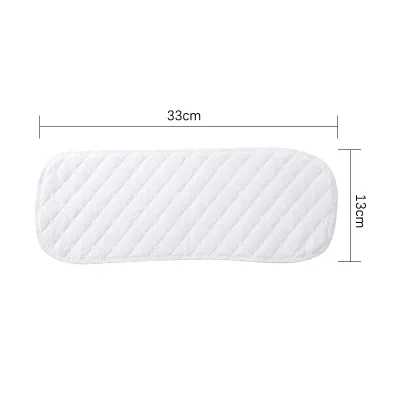
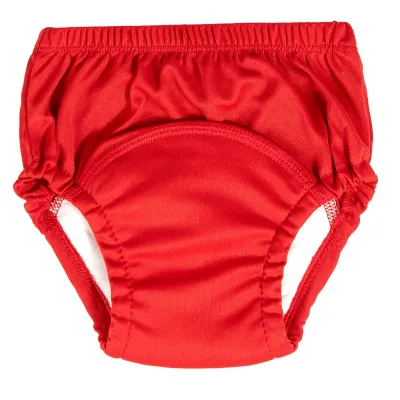
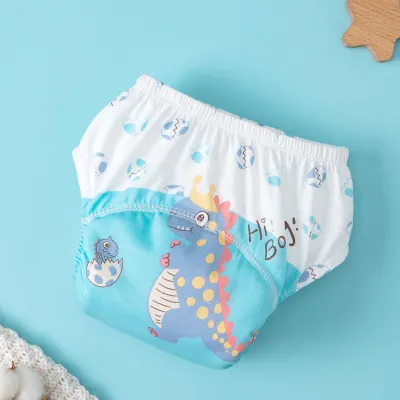
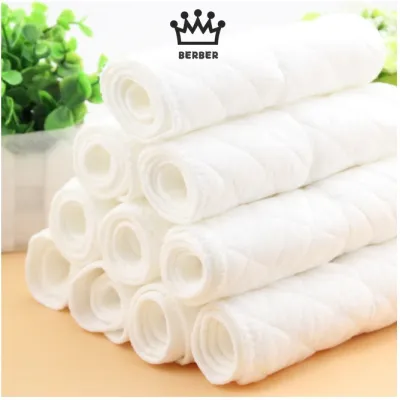
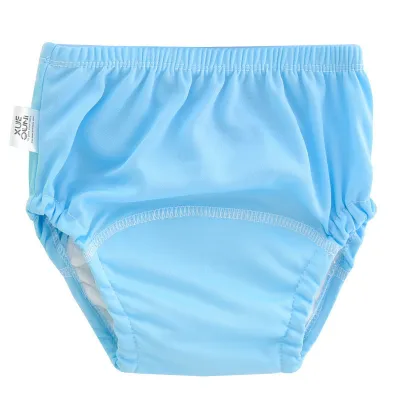
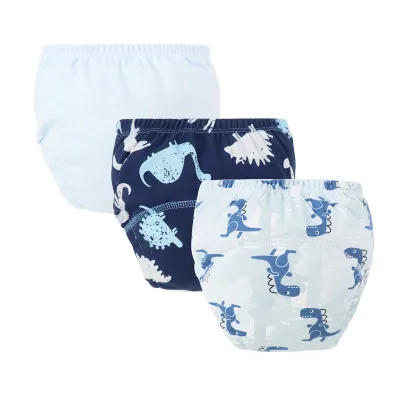
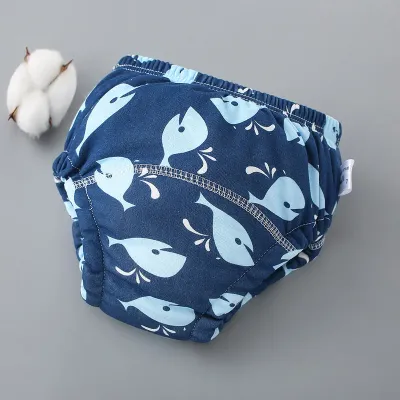
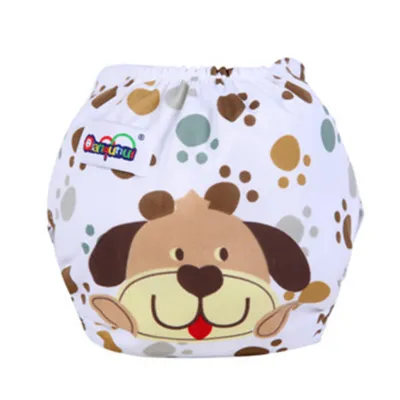
Prices are valid at publication and may change. Please refer to the product page for the latest price.
From an environmental perspective, the benefits of switching to reusable cotton training pants are substantial. Disposable training pants are structurally similar to single-use diapers, containing plastic backings, synthetic adhesives, and chemical absorbent cores that do not easily decompose. In the Philippines, where waste management systems face significant pressure, reducing household trash is a highly impactful choice. By investing in a reusable set of cotton pants, you prevent hundreds of disposable products from ending up in local landfills or polluting coastal ecosystems.
The tropical climate of the Philippines also makes fabric breathability a critical health consideration for active toddlers. High heat and humidity can trap moisture against a child’s delicate skin, leading to painful friction rashes, heat rashes, and yeast infections. Natural cotton fibers are inherently breathable, allowing air to circulate freely and heat to dissipate from the body. This superior temperature regulation keeps your toddler comfortable during active play, reducing the skin irritation commonly associated with synthetic disposable alternatives.
Key Features to Look for in Sustainable Cotton Training Pants
When evaluating cotton training pants, verifying the authenticity of organic and sustainable claims is essential. Many products are marketed with vague eco-friendly buzzwords that do not guarantee safe or ethical manufacturing. Look for physical labels or product documentation that reference recognized textile certifications, such as the Global Organic Textile Standard (GOTS) or OEKO-TEX Standard 100. These certifications ensure that the cotton was grown without harmful synthetic pesticides and that the finished fabric is free from toxic chemical residues that could irritate sensitive skin.

The composition of the absorbent core is another critical feature to examine. High-quality sustainable training pants utilize multiple layers of natural plant-based fibers, such as organic cotton terry, bamboo viscose, or hemp, to absorb liquid. These natural fibers offer excellent absorbency while remaining biodegradable and easy to clean. Be cautious of products that use hidden synthetic microfiber cores; while microfiber absorbs liquid quickly, it is a polyester derivative that sheds microplastics during washing cycles and tends to retain odors over time.
A reliable water-resistant outer layer is necessary to contain minor leaks without sacrificing the breathability of the garment. Look for training pants that feature a hidden layer of polyurethane laminate (PUL) or thermoplastic polyurethane (TPU) heat-bonded to the outer cotton fabric. This construction provides a flexible, waterproof barrier that prevents dampness from immediately soaking through to your toddler’s outer clothing or furniture. Avoid older designs that rely on separate vinyl or plastic covers, as these materials trap heat and can cause severe skin chafing in warm weather.
Navigating Sizing and Fit for Active Toddlers
Selecting the correct size is vital to ensure both leak protection and physical comfort for your active toddler. Because children grow at highly variable rates, relying solely on age recommendations or general weight categories can lead to a poor fit. Before purchasing, use a soft measuring tape to record your child’s waist circumference and the widest part of their upper thighs. Cross-reference these physical measurements directly with the manufacturer’s specific sizing chart to find the most accurate match.
The elasticity and recovery of the waistband and leg gussets are critical for promoting independence. Potty training pants must be easy for a toddler to pull up and down without adult assistance, which builds confidence and self-reliance. Inspect the elastic bands to ensure they are fully enclosed in soft, breathable cotton fabric to prevent direct friction against the skin. The elastic should offer gentle tension that holds the pants securely in place during movement, but it must have enough recovery to stretch easily without leaving deep red indentations on your child’s waist or thighs.
Different structural cuts cater to different stages of the potty training journey and varying toddler body shapes. A trim-fitting cut sits lower on the hips and closely resembles standard underwear, making it ideal for older toddlers who are highly mobile and only experience occasional minor leaks. A generous or high-rise cut offers wider coverage and a thicker absorbent zone, which is better suited for younger toddlers who are just beginning their transition and require more substantial containment during active play.
Building a Practical Potty Training Wardrobe
To build a functional wardrobe of cotton training pants, you must first estimate your toddler’s daily accident frequency. During the initial weeks of potty training, accidents are a natural and frequent part of the learning process. A typical toddler may go through six to ten pairs of training pants per day. If you plan to run a load of laundry every other day, a starting stash of 15 to 20 pairs is generally recommended to ensure you always have a clean, dry option available while others are in the wash.
Balancing the upfront financial investment against long-term savings and environmental costs is a key step in planning. While high-quality cotton training pants require an initial investment of several hundred to a few thousand Pesos (₱) for a complete set, they eliminate the recurring weekly expense of disposable pull-ups. Consider your household’s washing routine; a smaller stash of 8 to 10 pairs will require daily washing, which increases water and electricity consumption, whereas a larger stash allows you to wash less frequently, reducing overall utility usage and extending the lifespan of the fabric.
It is also important to plan separately for daytime learning and nighttime dryness. Standard cotton training pants are designed to catch small dribbles and minor leaks, giving your child time to reach the toilet. They do not have the capacity to hold a full, sudden bladder release, especially during sleep. For naptime, overnight use, or long car rides, you will need to supplement the training pants with reusable natural fiber boosters or transition to high-capacity cloth diapers designed specifically for heavy wetting.
Where to Source Authentic Eco-Friendly Options in the Philippines
Sourcing genuine eco-friendly cotton training pants in the local market requires a careful and discerning approach to avoid greenwashing. Prioritize purchasing directly from official brand websites or authorized distributor storefronts on reputable online marketplaces. Buying from verified channels ensures that you receive authentic products that meet international safety standards, rather than cheap, uncertified imitations that may contain synthetic blends or chemical dyes.
When browsing product listings, scrutinize the detailed material descriptions rather than relying on promotional titles. Authentic sustainable brands will clearly state the exact fiber composition of each layer, such as ‘100% organic cotton inner lining with a hidden TPU waterproof layer.’ Be skeptical of listings that use vague terms like ‘eco-cotton blend’ or ‘natural fiber diaper’ without specifying the percentages, as these products often contain high amounts of polyester or nylon to cut manufacturing costs.
Finally, take the time to read customer reviews and verify the seller’s return policies. Look for reviews from other parents in the Philippines who can speak to how the fabric holds up under local washing conditions and humid weather. Pay close attention to comments regarding elastic durability, colorfastness, and sizing accuracy. Because training pants are classified as hygienic items, most sellers do not accept returns or exchanges once the packaging has been opened, making it crucial to verify all sizing and material details before finalizing your purchase.
Frequently Asked Questions (FAQ)
How do I wash and maintain cotton training pants to ensure longevity?
To preserve the absorbency and fabric integrity of your cotton training pants, use a mild, plant-based, or baby-safe laundry detergent. Avoid detergents that contain synthetic fragrances, optical brighteners, or enzymes, as these chemical additives can leave a residue on the natural fibers, reducing their ability to absorb moisture over time. Ensure that the washing machine’s rinse cycle is thorough to remove all soap traces, which helps prevent fabric buildup and skin irritation.
Never use fabric softeners or chlorine bleach on reusable training pants. Fabric softeners coat the cotton fibers with a thin, water-repellent layer that completely ruins the absorbency of the core. Chlorine bleach can degrade the natural cotton fibers, weaken the elastic bands, and damage the waterproof PUL or TPU lining, leading to premature leaks. For stubborn stains, pre-treat the fabric with a gentle stain remover or rub a small amount of liquid detergent directly onto the area before washing.
In the warm and sunny climate of the Philippines, line-drying outdoors is the most effective and eco-friendly drying method. Hanging the training pants in direct sunlight naturally sanitizes the fabric and helps fade minor stains without the need for harsh chemicals. During the rainy season, hang the pants in a well-ventilated indoor area with an electric fan to ensure they dry completely within 24 hours, preventing the development of mildew or sour odors in the damp fabric.
Can cotton training pants hold a full bladder release, or are they only for small accidents?
Cotton training pants are specifically designed to contain small accidents, dribbles, and minor leaks, rather than a full bladder release. Their primary purpose is to let the child feel the discomfort of wetness so they can learn to recognize the urge to use the toilet. Because they lack the thick, high-capacity absorbent cores found in standard cloth diapers, a sudden, complete release of urine will likely overwhelm the fabric and leak out through the leg openings or waistband.
If you anticipate situations where immediate access to a bathroom is difficult, such as during travel or outdoor outings, you can temporarily increase the absorbency of the training pants. Placing a slim, reusable natural fiber booster made of bamboo or hemp inside the pants provides extra security without adding excessive bulk. This setup allows your child to continue their potty training routine while giving you peace of mind during transitions away from home.
If your toddler regularly experiences complete bladder releases in their training pants without noticing or caring, it may indicate that they are not yet developmentally ready for this stage of potty training. In this scenario, forcing the transition can lead to unnecessary stress and laundry. It is often highly beneficial to temporarily return to high-capacity cloth diapers or reusable pocket diapers, and then reintroduce the cotton training pants in a few weeks when the child shows stronger signs of bladder control.

Community discussion
Share your experience or ask a question. Comments are reviewed before publication.