
Selecting the right skincare products for your baby involves matching specific formulations to their developmental stage, skin type, and daily activities. In a tropical climate like the Philippines, where high humidity and heat are constant factors, choosing gentle, non-clogging products is essential for maintaining a healthy skin barrier. By evaluating product labels, understanding your baby’s unique skin needs, and verifying manufacturer instructions, you can confidently build a safe routine for bath time, daily moisturizing, and outdoor sun protection.
Identifying Core Skincare Needs for Each Baby Care Scenario
Infant skin is structurally different from adult skin, being thinner, more permeable, and highly susceptible to environmental changes. During bath time, the primary goal is to remove sweat, dirt, and excess sebum without stripping the delicate lipid barrier that protects against moisture loss. In contrast, daily hydration focuses on reinforcing this barrier, especially in air-conditioned rooms or during dry, windy days. Sun protection requires a completely different approach, focusing on physical barriers and safe topical formulations that shield sensitive skin from harmful ultraviolet rays without causing irritation.
Caregivers should regularly monitor their baby’s skin for observable signals that indicate a need to adjust their routine. Dry patches, flaking, or mild redness often suggest that the current cleanser is too harsh or that a richer moisturizer is needed. Conversely, small red bumps or heat rash, which are common in warm tropical environments, may indicate that a product is too heavy or occlusive, trapping sweat beneath the skin. If these signs persist or are accompanied by discomfort, it is important to stop using the products and consult a qualified pediatrician or dermatologist.
Products mentioned in this guide
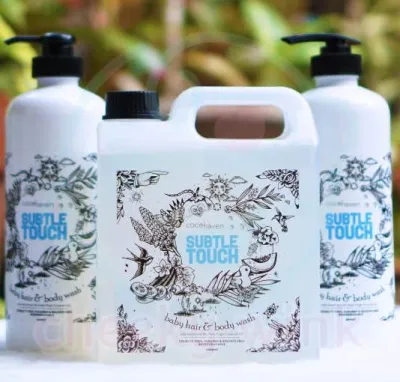
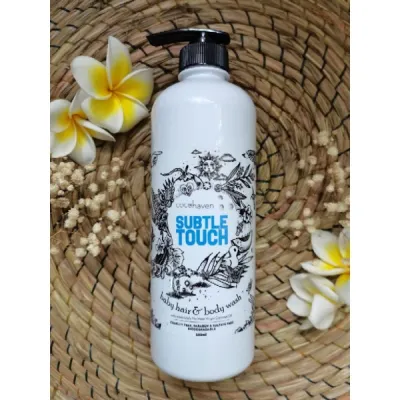
Prices are valid at publication and may change. Please refer to the product page for the latest price.
Age-related safety boundaries are critical when selecting baby skincare. Newborn skin is exceptionally delicate, meaning many products formulated for older babies may not be suitable during the first few weeks of life. Always verify the manufacturer’s age recommendations on the packaging before application. For very young infants, keeping skincare routines minimal and focusing on basic, gentle cleansing and hydration is generally the most cautious approach.
Evaluating Cleansing Options for Bath Time
When selecting a bath product, caregivers must look beyond marketing claims and carefully examine the product label. A suitable baby wash should be formulated to match the natural, slightly acidic pH of healthy skin, which helps preserve the acid mantle. Look for explicit “tear-free” labels, which indicate that the formulation is designed to minimize eye irritation during rinsing. Additionally, check the ingredient list to ensure the product is free from harsh surfactants, such as sodium lauryl sulfate (SLS), which can strip away essential lipids and leave the skin vulnerable to dryness.

It is also vital to verify the age recommendations and specific usage instructions provided by the manufacturer. Some cleansers are designed specifically for newborns, while others are intended for older babies with more resilient skin. If your baby has sensitive or compromised skin, such as areas prone to eczema, look for products that explicitly state they are suitable for these conditions. Always follow the manufacturer’s guidelines regarding dilution, water temperature, and bath duration to prevent over-drying.
After bathing, observe how your baby’s skin feels and looks. Healthy, well-cleansed skin should feel soft, smooth, and comfortable to the touch. If the skin feels tight, looks dry, or shows immediate redness, the cleanser may be too stripping for your baby’s current skin condition. A good baby wash should rinse off easily with lukewarm water, leaving no sticky or heavy residue behind that could clog pores or cause irritation in skin folds.
Selecting Daily Moisturizers for Everyday Hydration
Choosing the right moisturizer requires balancing the product’s texture with your baby’s skin type and the local climate. In the Philippines, where high humidity is common, lightweight lotions are often the most comfortable choice for daytime use because they absorb quickly without leaving a greasy film. For babies with localized dry patches or during cooler, air-conditioned nights, a slightly richer cream or a gentle baby oil may be more appropriate to lock in moisture. Ointments, which are highly occlusive, are best reserved for targeted areas of extreme dryness rather than full-body application.
Reviewing the ingredient list is a crucial step in preventing allergic reactions and skin sensitivities. Avoid products that contain synthetic fragrances, artificial colorants, or harsh preservatives, as these are common triggers for contact dermatitis in infants. Instead, look for simple, plant-based formulations that utilize gentle emollients like coconut oil or sunflower oil, which are known to support the skin barrier. Always check for any known allergens that might affect your family, and verify that the product has been dermatologically tested for infant use.
To maximize the benefits of a daily moisturizer, follow the manufacturer’s guidelines for application frequency and timing. Applying a lotion or oil within a few minutes of bathing, while the skin is still slightly damp, is highly effective at trapping moisture. Gently massage the product into the skin using soft, upward strokes, paying close attention to areas prone to dryness, such as the elbows, knees, and cheeks. Avoid applying heavy moisturizers to areas where sweat accumulates, such as the neck folds or behind the knees, to prevent heat rash.
Choosing Safe Sun Protection for Outdoor Activities
Sun protection is a vital part of baby care, but it requires careful product selection to ensure safety and efficacy. When choosing a sun protection product, verify the Sun Protection Factor (SPF) and broad-spectrum claims directly on the packaging. A broad-spectrum rating ensures the product protects against both UVA and UVB rays, which is essential for preventing skin damage. Look for physical or mineral-based active ingredients, such as zinc oxide or titanium dioxide, which sit on top of the skin to reflect rays rather than being absorbed.
Strictly adhere to manufacturer age restrictions and pediatric guidelines before applying any sun protection product. Major pediatric organizations generally recommend keeping infants under six months of age out of direct sunlight entirely, relying on shade, lightweight clothing, and wide-brimmed hats rather than sunscreen. For babies older than six months, select a sunscreen formulated specifically for infants, and consult a pediatrician if you have any doubts about its suitability for your child’s skin.
In warm, tropical climates, sweat and water exposure can quickly diminish the effectiveness of sun protection. Check the product packaging for water resistance ratings, which indicate how long the product remains effective while swimming or sweating. Always follow the manufacturer’s instructions for reapplication, which typically recommend reapplying every two hours or immediately after towel drying. Remember that sun protection products should always be washed off thoroughly with a gentle cleanser at the end of the day.
Building a Streamlined Skincare Routine Across Scenarios
Creating a streamlined skincare routine can simplify daily care, but it must be done without compromising safety. Many caregivers opt for multi-use products, such as a combined hair-and-body wash, to reduce the number of steps during bath time. This is generally safe and effective, provided the product is formulated to be gentle on both the scalp and the body. However, always verify that the multi-use product meets the specific needs of your baby’s skin type before making it a permanent part of your routine.
While multi-use cleansers are common, you should never use multi-purpose products for sun protection unless they are explicitly tested, rated, and labeled for UV defense. For example, a daily moisturizing lotion that does not carry an official SPF rating cannot protect your baby from sun damage, even if it contains natural oils. Keep sun care as a distinct step in your routine, using dedicated products that have been verified for sun safety.
When introducing any new product or combination of products into your baby’s routine, monitor their skin closely for several days. Introduce only one new product at a time so that you can easily identify the source of any reaction. If you observe any signs of irritation, such as redness, swelling, itching, or a sudden rash, establish a clear stopping condition: discontinue use immediately, rinse the area with clean water, and consult a healthcare professional.
Frequently Asked Questions (FAQ)
Can I use adult skincare products from the same brand on my baby?
Adult skincare products, even those from gentle or natural brands, are often formulated with active ingredients, stronger preservatives, and fragrances that are unsuitable for infant skin. A baby’s skin barrier is much thinner and absorbs substances more readily, increasing the risk of irritation or systemic absorption. Always use products that are explicitly labeled for babies, and consult a pediatrician if you are unsure about a product’s safety.
How do I properly patch test a new baby skincare product?
To perform a patch test, apply a very small, pea-sized amount of the product to a clean, clear area of your baby’s skin, such as the inner arm or behind the ear. Observe the area for 24 to 48 hours, keeping it dry and free from other products. If you notice any redness, swelling, bumps, or signs of discomfort, wash the area immediately and do not use the product. If no reaction occurs, the product is generally safe for wider application.
What steps should I take if my baby shows signs of a skin reaction?
If your baby develops a skin reaction, immediately stop using all recently introduced skincare products. Gently cleanse the affected area with lukewarm water and a mild, soap-free wash to remove any remaining residue, then pat the skin dry with a clean towel. Do not apply home remedies or adult anti-itch creams. If the reaction is severe, spreads quickly, causes significant discomfort, or is accompanied by a fever, consult a pediatrician or pediatric dermatologist immediately.

Community discussion
Share your experience or ask a question. Comments are reviewed before publication.