
Selecting the right baby oil for sensitive skin is not about finding a single magic brand, but rather understanding how different ingredients interact with your baby’s delicate skin barrier. Because an infant’s skin is thinner and more permeable than an adult’s, it is highly susceptible to environmental triggers and topical irritants. In tropical climates like the Philippines, where heat and humidity can exacerbate skin friction and sweat rash, choosing a lightweight, non-clogging oil and verifying its ingredients on the manufacturer’s label is essential for maintaining a healthy skin barrier.
Identifying Your Baby's Skin Sensitivity and Triggers
Newborn skin naturally undergoes peeling during the first few weeks of life, which is a normal developmental process and does not necessarily indicate sensitive skin or an allergic reaction. However, true skin sensitivity or contact dermatitis presents differently. Parents should look for persistent redness, localized dry patches, rough flaking, or signs of discomfort, such as fussiness or crying during or immediately after skincare application.
In warm, humid environments, sweat can easily get trapped in skin folds, leading to heat rash or chafing. When these areas are already irritated, applying the wrong topical product can worsen the inflammation. Before introducing a new baby oil, it is crucial to review all other products currently in contact with your baby’s skin, including bath soaps, body washes, and laundry detergents used for baby clothes and bedding. Overlapping ingredients across multiple products can build up and trigger a reaction, making it difficult to isolate the exact cause of irritation.
Products mentioned in this guide
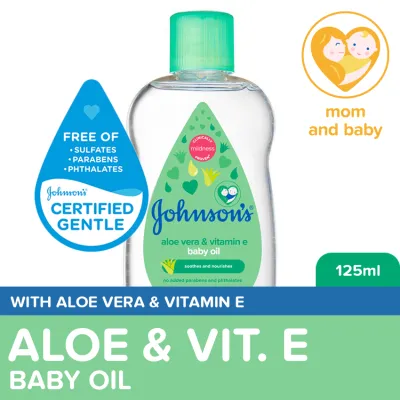
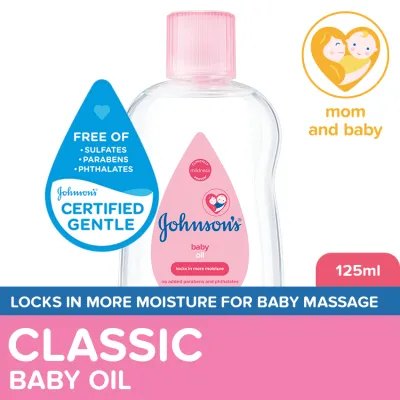
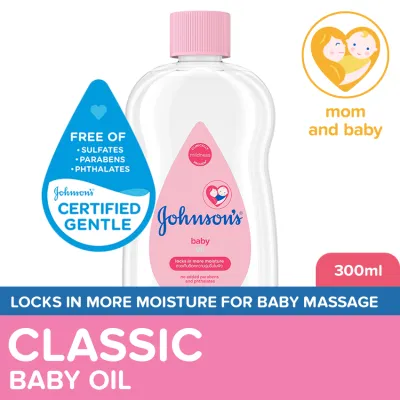
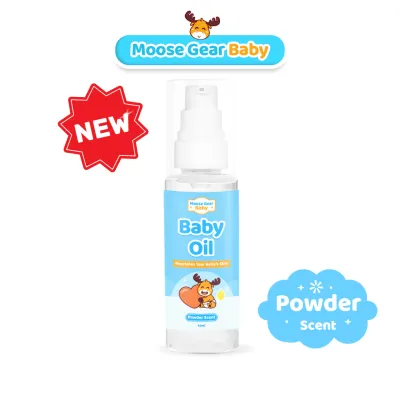
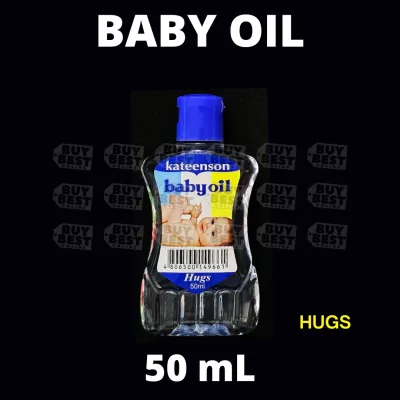
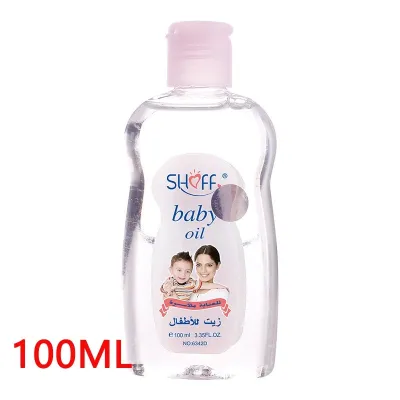
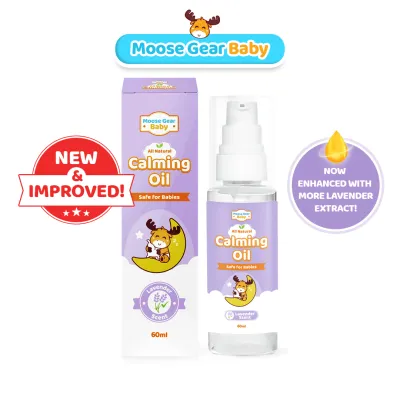
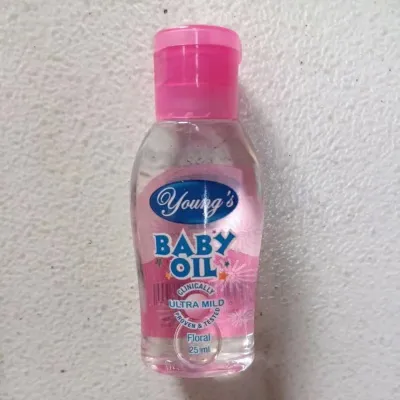
Prices are valid at publication and may change. Please refer to the product page for the latest price.
Formulation Red Flags: Ingredients to Avoid on the Label
When reading baby oil labels, the ingredient list is your primary tool for risk reduction. Synthetic fragrances and artificial dyes are among the most common triggers for contact dermatitis in infants. Even natural essential oils, such as lavender, tea tree, or citrus oils, contain volatile organic compounds that can sensitize delicate skin over time. While these ingredients are often marketed for their soothing aromatherapy benefits, they pose a high risk of irritation for babies with reactive skin barriers.

Preservatives are necessary in water-based products to prevent microbial growth, but in anhydrous (water-free) oils, their presence should be carefully evaluated. Check the manufacturer’s label for harsh preservatives or common chemical allergens. It is also vital to understand the distinction between “fragrance-free” and “unscented” labels. A “fragrance-free” product is formulated without any added scent chemicals, making it the safer choice for sensitive skin. Conversely, an “unscented” product may contain chemical masking agents designed to neutralize the natural odor of the raw ingredients, which can still trigger allergic reactions.
Gentle Formulations: What to Look For on the Ingredient List
For babies with sensitive skin, a minimalist approach is highly beneficial. Prioritizing baby oils with short, simple, and recognizable ingredient lists significantly reduces the number of potential chemical variables that could react with your baby’s skin barrier. High-quality, plant-based carrier oils such as sunflower seed oil or jojoba oil are often favored for their lightweight texture and compatibility with the skin’s natural lipids. However, parents must remain cautious; plant-derived oils can still trigger allergic reactions, particularly if there is a family history of nut or seed allergies. Always check the botanical source of the oil before application.
When browsing products on an online marketplace or physical store shelf, you will frequently encounter terms like “hypoallergenic” and “dermatologist-tested.” While these designations indicate that the manufacturer has taken steps to minimize common allergens and conduct basic safety evaluations, they are not standardized government certifications. These claims do not guarantee that a product will be completely reaction-free for your specific baby. They should be viewed as helpful starting points rather than absolute safety guarantees, and they do not replace the need for a careful home patch test.
How to Patch Test and Apply Oil Safely
Before incorporating any new baby oil into your daily routine, performing a localized patch test is a critical safety step. Additionally, always verify the manufacturer’s age recommendations, weight limits, and specific usage instructions on the product packaging, as some formulations are only intended for babies of a certain developmental stage. To perform the patch test, apply a single drop of the oil to a small, discreet area of your baby’s skin, such as the inner forearm or the side of the thigh. Monitor this specific area closely for 24 hours, looking for any signs of delayed redness, swelling, tiny bumps, or warmth. If the skin remains clear and calm after a full day, the oil is generally considered suitable for broader application under close caregiver supervision.
When applying baby oil, timing and technique are key to maximizing hydration while minimizing friction. A highly effective method is to apply a small amount of oil to damp skin immediately after a bath. This helps lock in surface moisture before it evaporates into the dry air. Instead of rubbing aggressively, which can irritate the delicate skin barrier, gently pat or smooth the oil over the skin using light, sweeping motions.
If you observe any signs of irritation, such as sudden redness, hives, or if your baby shows signs of discomfort like crying or scratching, initiate stop-use protocols immediately. Gently cleanse the affected area with lukewarm water and a mild, fragrance-free baby soap to remove all traces of the oil. Avoid applying any other topical products to the irritated area, and allow the skin to rest and recover in a cool, well-ventilated environment.
When to Stop Use and Consult a Pediatrician
While mild dryness can often be managed with careful skincare choices, certain symptoms require professional medical evaluation. If your baby develops a weeping rash, severe scaling, yellow crusting, or signs of a localized skin infection such as warmth and pus, stop using all cosmetic oils immediately. These symptoms may indicate severe eczema or a secondary bacterial infection that cannot be resolved with over-the-counter baby oils.
Parents should avoid self-diagnosing complex skin conditions or relying on cosmetic oils as a primary treatment for medical issues. If skin irritation persists for several days despite stopping the product and using only plain water, schedule an appointment with a pediatrician or a pediatric dermatologist. To help the specialist make an accurate assessment, bring the current baby oil bottle along with a complete list of all other skincare products, bath soaps, and laundry detergents used in your household. This allows the doctor to review the exact ingredient lists and identify potential cross-reactive allergens.
Frequently Asked Questions (FAQ)
Can I use food-grade oils like coconut or olive oil on my baby's skin?
While kitchen-grade oils like virgin coconut oil or olive oil are popular natural remedies, they are not processed or tested for topical dermatological use. Food-grade oils may contain microscopic impurities, natural proteins, or added flavorings that can trigger allergic reactions on sensitive skin. Furthermore, some unrefined oils, particularly olive oil, have a high oleic acid content that can actually disrupt the skin barrier when used repeatedly. Cosmetic-grade oils undergo specific refining processes to remove these impurities and ensure stability. Always consult your pediatrician before applying any food-based oils, especially if your baby has broken skin or a highly reactive skin barrier.
Is mineral oil safe for babies with sensitive skin?
Highly refined, cosmetic-grade mineral oil is widely recognized as an inert and highly effective occlusive agent. Because it does not penetrate the skin barrier but instead sits on top to prevent moisture loss, it is highly unlikely to cause allergic reactions or clog pores. To ensure safety, verify that the product label specifies the use of pure, cosmetic-grade mineral oil free from added fragrances or colorants. If your baby shows a specific sensitivity to petroleum-derived products, or if you prefer to avoid mineral oil for personal environmental preferences, switching to a high-quality, single-ingredient plant-based alternative like sunflower seed oil is a suitable option.

Community discussion
Share your experience or ask a question. Comments are reviewed before publication.