
Selecting an anti-flathead pillow for your baby requires balancing head-shaping effectiveness with strict safety standards. Because recognized pediatric safe sleep guidelines generally recommend a flat, firm sleep surface free of loose bedding, the first step is always consulting your pediatrician. This guide outlines the critical design features, breathable materials, and age-appropriate specifications you need to evaluate when comparing options, ensuring you make an informed and safe choice for your little one.
When navigating the market for baby bedding, you will encounter various products designed to address positional plagiocephaly, commonly known as flat head syndrome. While these items are widely available, they must be approached with a clear understanding of infant anatomy and developmental milestones. By focusing on observable design elements, material safety, and realistic usage scenarios, you can protect your baby’s health while supporting their physical development.
Understanding Safe Sleep Rules Before Buying a Positional Pillow
Before introducing any positional accessory into your baby’s environment, it is vital to understand the established medical consensus on infant sleep. Pediatric health authorities worldwide emphasize that the safest sleep environment for an infant is a flat, firm, and completely bare surface. This means that during unsupervised overnight sleep or naps, your baby should lie on a tight-fitting mattress covered only by a fitted sheet, without any pillows, blankets, bumper pads, or soft toys. Introducing a pillow into an unsupervised crib increases the risk of accidental suffocation or airway obstruction if the baby turns their head.
Products mentioned in this guide
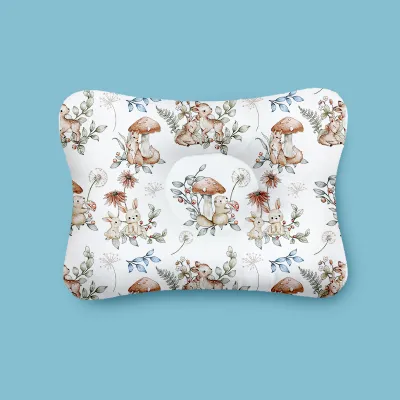
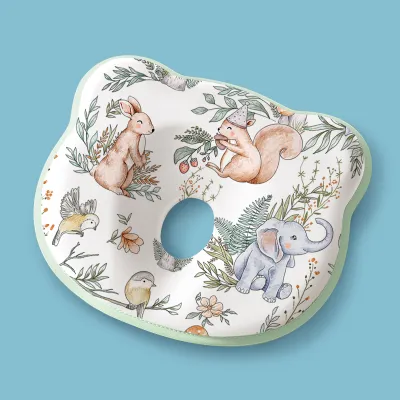
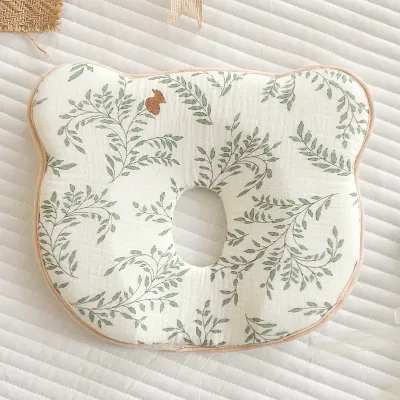
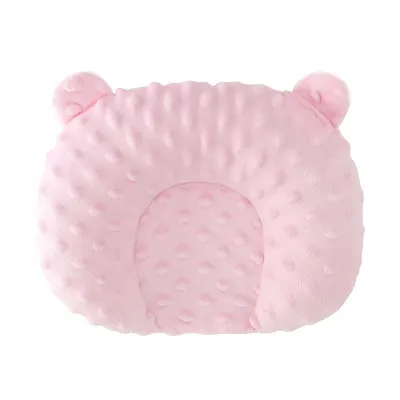
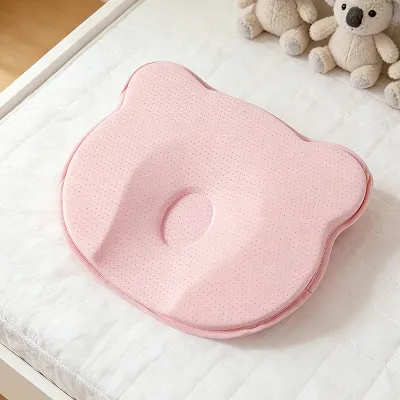
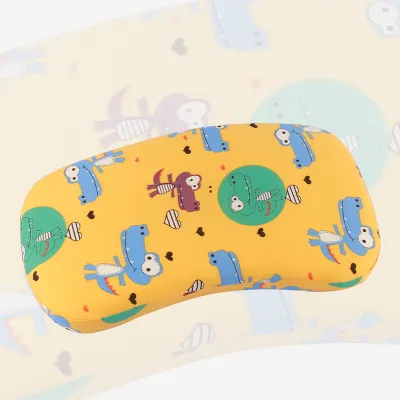
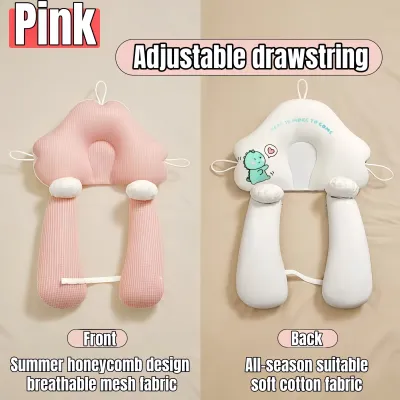
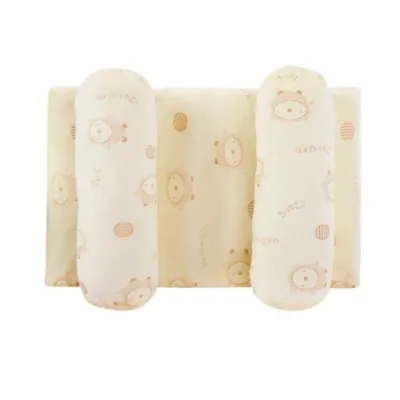
Prices are valid at publication and may change. Please refer to the product page for the latest price.
Because of these strict guidelines, a clear distinction must be made between unsupervised sleep and supervised awake periods. An anti-flathead pillow is generally intended for use when you are actively monitoring your baby. This includes times when your baby is resting in a stroller during an afternoon walk, lying on a play mat, or sitting in a supervised bouncer. Using the pillow during these controlled windows allows you to manage head pressure without compromising sleep safety.
When browsing online marketplaces or local baby boutiques, you should remain highly skeptical of aggressive marketing claims. Some manufacturers may assert that their pillows can prevent sudden infant death syndrome or guarantee a complete cure for severe skull asymmetry. There is no clinical evidence supporting the claim that a consumer pillow can prevent sleep-related infant mortality. Any product making such promises without verifiable medical certification should be treated as a red flag, and you should prioritize brands that focus on transparent material specifications and clear safety warnings instead.
If you notice your baby developing a flat spot on one side of their head, your first course of action should always be to consult a qualified pediatrician or physical therapist. They can assess whether the flattening is due to simple positioning or an underlying condition like torticollis, which is a tightening of the neck muscles. A professional can provide targeted stretching exercises and positioning strategies that address the root cause, ensuring that any pillow you choose serves as a safe, complementary tool rather than a standalone medical solution.
Key Design Features to Evaluate for Head Shaping
To choose an effective anti-flathead pillow, you must carefully evaluate its physical geometry, starting with the contour depth and the center cutout. The primary function of a head-shaping pillow is to distribute the pressure of a baby’s heavy head across a wider surface area rather than letting it rest on a single flat spot. Look for a design with a gentle, shallow indentation in the center. If the cutout is too deep or the contour is too steep, it can force your baby’s head forward, chin to chest, which can restrict their delicate airway. The transition from the outer edge to the center should be gradual and supportive.

Another critical element is the height and firmness of the pillow’s outer edges. The perimeter must be firm enough to retain its shape under the weight of the baby’s head, yet soft enough to prevent discomfort. If the edges are excessively high or lack structural integrity, they can collapse inward, potentially covering the baby’s nose and mouth if they attempt to turn their head. A low-profile edge that tapers off naturally is generally safer and more comfortable for young infants who have not yet developed full neck control.
Proper neck support alignment is equally essential for maintaining a neutral airway. When the baby lies on the pillow, their neck should remain in a natural, straight alignment with their spine, just as it would on a flat mattress. The neck support area of the pillow should be very thin, providing just enough cushioning to bridge the gap between the head and shoulders without pushing the neck upward. You can verify this alignment visually by looking at your baby from the side while they use the pillow; their chin should point naturally toward the ceiling, not toward their chest.
Finally, consider the overall width and stability of the pillow. A pillow that is too narrow can easily slide out from under your baby’s head when they wiggle or stretch. Look for a wider, stable base that sits flat on the surface of the stroller or play mat. This prevents the pillow from flipping over or shifting into an awkward position that could disrupt your baby’s comfort or create a physical hazard during supervised use.
Evaluating Materials for Breathability and Skin Safety
In a tropical climate like the Philippines, high temperatures and humidity make material selection a primary comfort and safety factor. Babies have underdeveloped sweat glands and regulate their body temperature less efficiently than adults, often sweating heavily from their heads. When a baby rests on a non-breathable surface, moisture and heat build up quickly, which can lead to uncomfortable heat rash, locally known as bungang-araw, or exacerbate cradle cap. Therefore, prioritizing highly breathable fabrics is essential for daily comfort.
When evaluating the outer cover of the pillow, look for natural, breathable fibers such as organic cotton, bamboo-derived fabrics, or specialized 3D air mesh. These materials allow air to circulate freely and wick moisture away from your baby’s sensitive skin. You can verify fabric claims by checking the product labels for recognized textile standards, which indicate that the material has been tested for harmful substances and chemical residues. Avoid synthetic covers that feel slick or plastic-like, as these tend to trap heat and sweat.
Below the cover, the pillow’s filling material determines both its support level and its heat retention. Memory foam is a popular choice because it contours to the shape of the head, but traditional memory foam is notorious for trapping body heat. If you choose a memory foam option, ensure it features open-cell technology or ventilation holes designed to facilitate airflow. Alternatively, high-density fiberfill or 3D polyester mesh fillings offer excellent breathability and can be easily compressed while maintaining their structural integrity over time.
Hygiene is another crucial consideration, as baby pillows are frequently exposed to sweat, drool, spit-up, and milk spills. Look for designs that feature a completely removable, machine-washable cover with a concealed zipper. Some pillows are entirely washable, allowing you to clean both the core and the cover. Always check the manufacturer’s care instructions before washing; some materials require gentle cycles and air drying to prevent shrinkage or clumping, which could alter the pillow’s shape and compromise its safety features.
Matching the Pillow to Your Baby's Age and Mobility
As your baby grows, their physical capabilities and safety needs change rapidly, meaning a pillow that is suitable for a newborn may become hazardous for an older infant. When shopping, always check the manufacturer’s age, weight, and size recommendations printed on the packaging. These guidelines are calibrated to the average physical dimensions and neck strength of infants within specific age brackets. Using a pillow designed for an older infant on a newborn can strain their neck, while a pillow that is too small for an older baby will fail to provide adequate pressure distribution.
Your baby’s developing mobility is the most critical factor in determining when to adjust or stop using a positional pillow. During the first few weeks of life, infants have very limited neck mobility and tend to keep their heads turned to one side. As they reach three to four months of age, they begin to gain neck control and will start attempting to roll over. Once your baby shows signs of being able to roll from their back to their tummy, you must stop using the pillow entirely during rest periods, as they could easily roll face-down into the cushion and struggle to turn back.
It is also important to match the pillow to the specific activity and gear you are using. For instance, a pillow designed for a wide, flat play mat during supervised tummy time or back-play may not fit safely inside the narrow confines of a stroller seat or an infant car seat. If a pillow is forced into a space that is too small, its edges may bunch up around the baby’s face, creating a suffocation risk. Always ensure the pillow lies completely flat and unrestricted within the specific gear you intend to use, and never use aftermarket inserts in car seats unless they are explicitly approved by the car seat manufacturer.
For supervised awake periods, you can also integrate the pillow into a broader routine of positional variation. Alternating the side on which your baby lies, encouraging supervised tummy time, and holding your baby upright after feedings are highly effective ways to relieve pressure on the back of the skull. The pillow should be viewed as one tool among many in your daily routine, helping to support head shape while your baby enjoys a variety of developmental positions.
Building Your Shortlist: A Practical Buyer's Checklist
When you are ready to make a purchase, creating a structured checklist will help you compare different models objectively, whether you are browsing online marketplaces or visiting physical baby stores in the Philippines. Your first priority should be verifying physical safety details. Inspect the pillow closely for any small parts that could detach and become choking hazards, such as exposed metal zippers, decorative buttons, or loose threads along the seams. Zippers should be deeply recessed or covered by a fabric flap to prevent them from scratching your baby’s delicate skin.
Next, consider the practical aspects of cost and return policies. In the local market, anti-flathead pillows can range from budget-friendly options around ₱300 to premium, imported ergonomic designs costing upwards of ₱2,000. While it may be tempting to opt for the most expensive model, a higher price tag does not automatically guarantee better safety or compatibility with your baby. Because infants can be highly selective about what they rest on, look for retailers that offer flexible return or exchange policies in case your baby rejects the pillow or it does not fit your stroller properly.
Before finalizing your decision, take the time to read user reviews, focusing specifically on feedback from parents living in warm, humid climates. Look for comments regarding how well the pillow manages heat retention and whether it causes the baby to sweat excessively during use. Pay attention to reviews that mention off-gassing odors; some foam products can release a strong chemical smell when first unpacked, which may require several days of airing out before use. Finally, check for feedback on how well the pillow retains its shape and firmness after multiple trips through the washing machine, as durability is key to maintaining proper head support.
Frequently Asked Questions (FAQ)
Can my baby sleep overnight with an anti-flathead pillow?
No, your baby should not sleep overnight or unsupervised with an anti-flathead pillow. Standard safe sleep guidelines recommend that infants sleep on a flat, firm, bare mattress without any pillows, loose bedding, or soft objects. Using a pillow in an unsupervised crib increases the risk of accidental suffocation, entrapment, or airway obstruction if the baby rolls over or shifts during the night. These pillows are designed strictly for supervised awake periods, stroller rides, or active monitoring.
At what age should I stop using a head-shaping pillow?
You should generally stop using a head-shaping pillow as soon as your baby begins to roll over independently, which typically occurs between four and six months of age. Once a baby can roll, they can easily turn face-down into the pillow, creating a serious safety hazard. Additionally, as babies become more mobile and spend more time sitting, crawling, and playing on their tummies, the natural pressure on the back of the skull decreases, making positional pillows unnecessary.

Community discussion
Share your experience or ask a question. Comments are reviewed before publication.