
Transitioning your baby from bottle feeding to independent drinking is a major milestone that requires the right tools to support their developing motor skills. When selecting an Ankou milk container or weaning cup for this phase, the ideal choice depends on matching the container’s physical design to your baby’s current stage of physical development. Rather than looking for a single universal cup, parents should focus on verifying ergonomic features, material safety, and ease of cleaning to ensure a smooth, stress-free transition. By evaluating how your baby handles objects and swallows liquids, you can select a container that builds confidence and minimizes spills during meal times.
Identifying Your Baby's Readiness for Weaning Cups
Recognizing when your baby is physically ready to transition from a bottle or breast to a weaning cup prevents unnecessary frustration for both you and your little one. Most babies show signs of readiness around six months of age, which often coincides with the introduction of solid foods. Look for key physical indicators, such as the ability to sit upright with minimal support and maintain good head control. If your baby reaches for your cup during family meals or shows curiosity about how you drink, these are clear behavioral cues that they are ready to explore new drinking vessels.
At this early stage of weaning, a baby’s grip strength and hand-eye coordination are still developing. In the initial months, babies use their whole hands to grasp objects, a movement known as the palmar grasp. Their ability to bring a cup precisely to their mouth and tilt it without spilling requires complex motor planning. Swallowing patterns also undergo a significant shift during this period; babies must transition from the primitive suckling reflex used with nipples to a mature swallow that involves active tongue control and lip closure.
Products mentioned in this guide
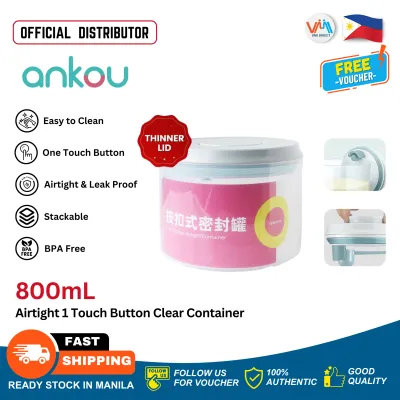
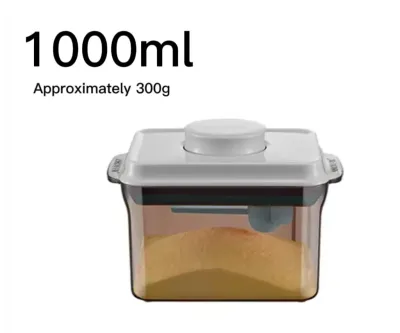
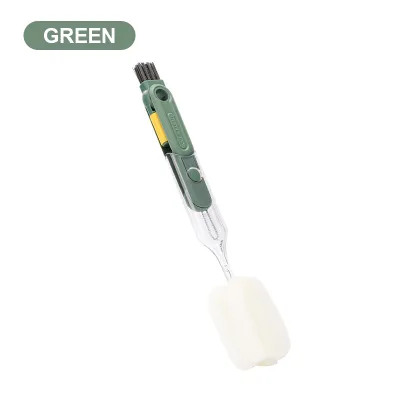
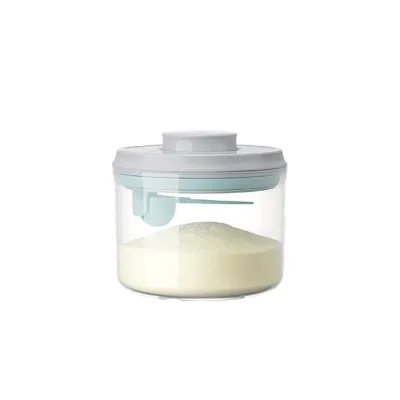
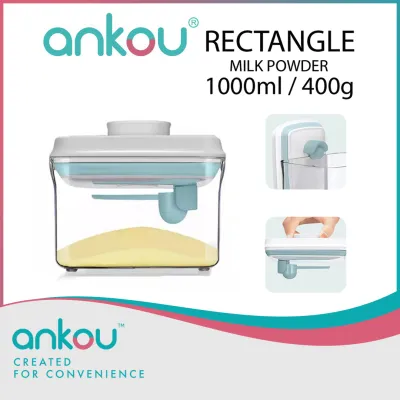
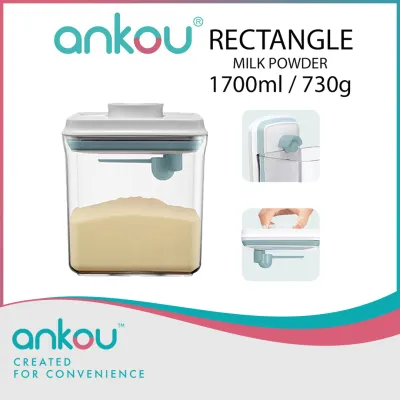
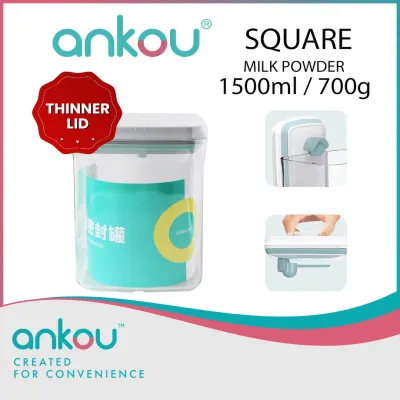
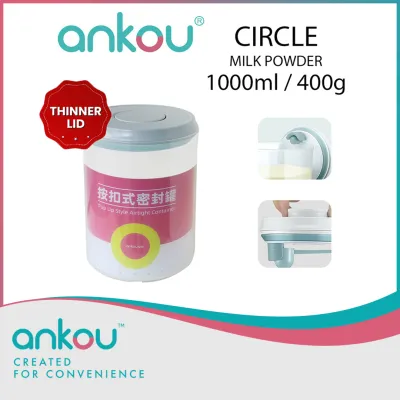
Prices are valid at publication and may change. Please refer to the product page for the latest price.
These developmental milestones dictate whether you should introduce a handled cup or a handle-less container. For babies just beginning their weaning journey, containers with dual, easy-to-grip handles are highly beneficial. Handles allow them to stabilize the cup using both hands, compensating for limited wrist rotation and grip strength. As your baby approaches their first year and refines their fine motor skills—such as the pincer grasp—you can gradually introduce handle-less cups or containers with contoured bodies that encourage a mature, two-handed hold directly on the cup’s surface.
Essential Design Features in an Ankou Milk Container
When evaluating an Ankou milk container or weaning cup, the structural design of the drinking interface plays a critical role in oral motor development. Spout and rim variations are designed to support different stages of learning. Soft silicone spouts are excellent for beginners because they feel familiar to babies accustomed to bottle nipples, yet their flattened shape encourages a slightly different lip position. Straw cups are another highly recommended option, as drinking through a straw promotes active tongue retraction and strengthens the muscles of the cheeks, lips, and jaw. For the final stage of the transition, open-rim cups or 360-degree rim designs teach babies how to control the flow of liquid using their upper lip, preparing them for standard household glassware.

Ergonomics and grip textures are equally vital when choosing a container for small, often slippery hands. Look for cups that feature textured, non-slip surfaces or rubberized handles that provide extra friction, especially when your baby’s hands are wet or covered in food during self-feeding. The shape of the handles should be wide enough to accommodate chubby fingers without pinching, allowing for a secure hold from various angles.
The physical properties of the container itself, such as its weight, base stability, and center of gravity, heavily influence how easily a baby can use it. A cup that is too heavy when filled will tire your baby quickly, leading to drops and spills. Conversely, a cup that is too light or top-heavy will tip over easily when set down on a high chair tray. To prevent messy cleanups, prioritize containers with a wide, weighted base or a slip-resistant bottom. This design lowers the center of gravity, ensuring the cup remains upright even when placed down with a bit of force by an enthusiastic learner.
Matching Cup Styles to Your Baby's Drinking Progress
As your baby’s drinking capabilities evolve, matching the style of the container to their progress ensures they are neither under-challenged nor overwhelmed. Transition cups that feature removable training lids offer excellent versatility during this journey. These multi-functional designs allow you to start with a secure, lid-on setup to prevent major spills, and then gradually remove the lid as your baby masters the tilting action. This adaptability means you do not have to purchase entirely new tableware every few weeks, making it a highly practical and cost-effective approach for growing families in the Philippines.
Flow rate is another crucial factor to verify when selecting a container. If the liquid flows too quickly, your baby may choke, sputter, or swallow excess air, which can lead to gas and discomfort. If the flow is too slow, they may become frustrated and reject the cup altogether. When browsing options on any online marketplace, check the manufacturer’s specifications for age-appropriate flow rates or adjustable valve systems. Some containers utilize pressure-activated valves that only release liquid when the baby applies suction or bites down gently, allowing the baby to control the pace of their drinking.
However, there is a distinct trade-off between spill-resistant mechanisms and the physical effort required to extract liquid. While highly spill-proof cups with complex valve systems are convenient for keeping floors dry, they sometimes require significant sucking force. This intense suction can mimic bottle feeding rather than teaching the mature swallowing patterns needed for open cups. To strike the right balance, consider using spill-resistant cups primarily when on the go, and practicing with free-flowing spouts or open cups during supervised meal times at home where minor spills are easier to manage.
Safety, Material, and Hygiene Verification Checklist
Ensuring the safety and hygiene of your baby’s weaning cup is paramount, particularly in warm, humid environments where bacteria and mold can thrive rapidly. Before making a purchase, always verify the material safety labels and food-grade certifications directly on the product packaging or the manufacturer’s official listings. Look for clear indicators that the container is free from harmful chemicals such as Bisphenol A (BPA), phthalates, and PVC. High-quality materials like food-grade silicone, polypropylene (PP), and tristan copolyester are durable, non-toxic options that can withstand daily use and frequent cleaning.
A thorough physical inspection of the container’s components is necessary to prevent safety hazards. Check for small detachable parts, loose valves, or internal seams that could potentially detach and pose a choking risk. Seamless designs are highly preferable because they eliminate tight crevices where milk residue can hide. Any cup with hard-to-reach corners, deep grooves, or complex straw mechanisms requires specialized cleaning brushes to ensure that no organic matter is left behind to spoil.
To maintain high hygiene standards, verify the cleaning and sterilization limits specified by the manufacturer. In tropical climates, high humidity can delay drying times, making it essential to wash and dry all parts thoroughly after every use to prevent black mold. Check whether the container is dishwasher-safe and confirm its maximum temperature tolerance for steam, boiling water, or UV sterilization. Some plastics may warp or degrade when exposed to extreme heat, so adhering strictly to the manufacturer’s sterilization guidelines is crucial for preserving the structural integrity and safety of the cup over time.
Practical Steps for a Smooth Cup Transition
Introducing a new milk container to your baby should be a gradual, low-pressure process integrated naturally into their daily routine. Start by offering very small amounts of a familiar liquid, such as breast milk or formula, in the new cup. Using a familiar taste helps your baby associate the new vessel with comfort and nourishment. Choose relaxed, low-pressure meal times for these practice sessions, such as breakfast or an afternoon snack, when your baby is alert, happy, and not overly hungry or tired.
Active modeling is one of the most effective ways to teach your baby how to use a weaning cup. Sit eye-to-eye with your little one and take a sip from your own cup, exaggerating your movements and making satisfied sounds to show them how it is done. You can then gently guide your baby’s hands to the handles of their cup, helping them lift it to their lips and tilt it slightly so they get a tiny taste of the liquid. This physical guidance helps build the muscle memory required for them to eventually perform the action independently.
Throughout this transition, it is vital to remain patient and responsive to your baby’s cues. Learning a new skill takes time, and some days will be more successful than others. If your baby pushes the cup away, cries, or shows signs of frustration and fatigue, do not force the issue. Forcing a baby to use a cup can create negative associations with drinking and meal times. Simply pause the session, offer comfort, and temporarily revert to their familiar bottle or breast feeding, knowing that you can try again during the next relaxed meal time.
Frequently Asked Questions (FAQ)
Can I use an Ankou milk container for both milk and thicker purees?
It is highly recommended to check the manufacturer’s guidelines regarding viscosity limits before putting thicker liquids or purees into a weaning container. Most standard weaning cups and milk containers are designed specifically for thin liquids like water, breast milk, or formula. Thicker purees can easily clog narrow spouts, valves, or straw mechanisms, making it difficult for your baby to drink and potentially damaging the cup’s components. If you wish to serve thicker liquids, look for specialized containers with wide-cut spouts or cross-cut valves designed for thicker feeds, and ensure you clean all parts immediately after use to prevent stubborn residue buildup.
How often should I replace my baby's weaning cup?
You should regularly inspect your baby’s weaning cup for physical signs of wear and tear to ensure ongoing safety and hygiene. Replace the container or its components immediately if you observe micro-cracks, deep scratches, persistent cloudiness, or permanent discoloration, as these imperfections can harbor bacteria even after thorough washing. Soft silicone parts, such as spouts, straws, and valves, are particularly prone to degradation from biting and frequent sterilization. As a general rule, inspect these flexible parts weekly and replace them every two to three months, or sooner if you notice tears, thinning, or if they can no longer be fully sanitized.

Community discussion
Share your experience or ask a question. Comments are reviewed before publication.