
Recovering from a Caesarean delivery (C-section) is a unique journey that requires balancing the need for physical support with the delicate process of healing a major surgical incision. An abdominal binder after surgery can serve as a vital recovery aid, providing targeted compression that stabilizes weakened core muscles, minimizes pain during movement, and protects the surgical site. However, for mothers recovering in the tropical climate of the Philippines, finding the right binder involves more than just selecting the firmest support available. The high humidity and year-round warmth mean that heat retention, sweat accumulation, and skin irritation are significant concerns that can hinder your healing process. Choosing a binder that offers both structural integrity and exceptional breathability is essential for a safe, comfortable, and successful postpartum recovery.
Essential Features for Post-C-Section Support and Protection
An abdominal binder after surgery is designed to perform several critical mechanical functions that assist your body during the early weeks of postpartum recovery. During pregnancy, your abdominal muscles stretch significantly, and a C-section involves cutting through multiple tissue layers, leaving your core temporarily weakened and unstable. A high-quality binder acts as an external support system, gently holding your abdominal wall in place and reducing the painful pulling sensation that occurs when you stand up, walk, laugh, or cough. This physical stabilization not only helps manage post-operative pain but also gives you the confidence to move around, which is crucial for preventing blood clots and promoting overall circulation.
To achieve this level of support without causing discomfort, a binder must feature highly adjustable compression levels. Your postpartum body undergoes rapid changes in the days and weeks following childbirth as your uterus contracts and excess fluid is eliminated. A fixed-size band or a garment with limited adjustability will quickly become either too loose to provide any benefit or too tight to wear safely. Look for binders designed with secondary tension straps or multiple adjustable panels. These features allow you to customize the level of compression across different areas of your torso, ensuring that the support remains firm yet comfortable as your abdominal measurements decrease.
Products mentioned in this guide
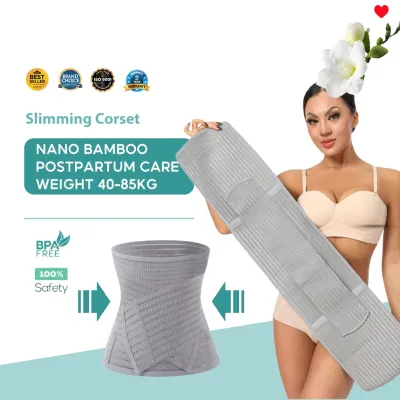
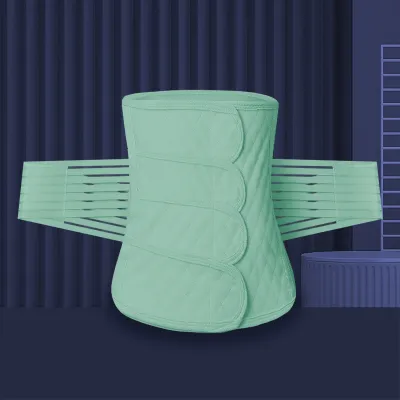
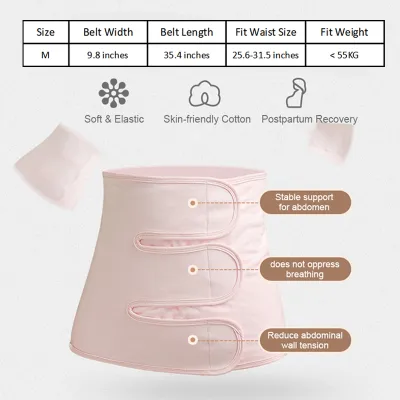
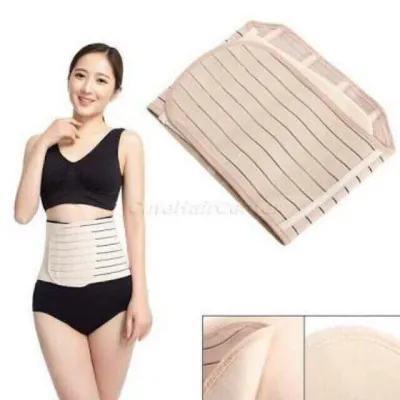
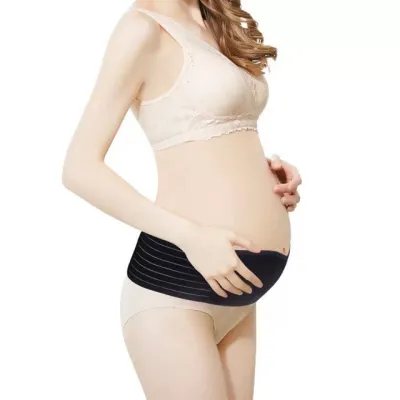
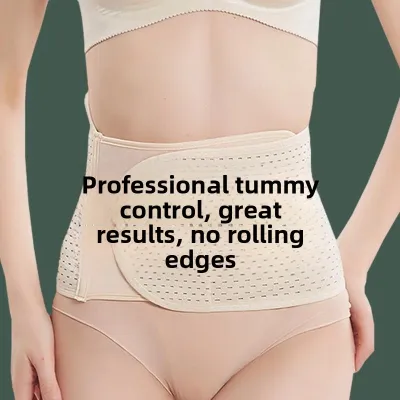
Prices are valid at publication and may change. Please refer to the product page for the latest price.
Wide torso coverage is another indispensable feature to look for when evaluating your options. The binder should comfortably cover your entire midsection, extending from just below your bust line down to your hips. If a binder is too narrow, it can dig into your waist, roll up or down with movement, and concentrate pressure in a narrow band. This concentrated pressure can force your abdominal organs downward, placing unnecessary strain on your pelvic floor muscles, which are already vulnerable after pregnancy. A wide binder distributes compression evenly across your entire abdomen, ensuring that your incision is fully supported without creating uncomfortable pressure points.
Incision protection is a paramount safety consideration during the early stages of healing. The lower edge of your binder will inevitably sit close to or directly over your C-section scar. Therefore, the inner lining of the binder must be exceptionally soft, smooth, and free of rough seams or exposed stitching that could rub against your healing wound. Some binders feature specialized incision protection zones, which utilize seamless lower borders or plush, padded panels to minimize friction. Preventing friction not only reduces pain but also protects the delicate new skin forming over the incision, lowering the risk of wound irritation or superficial infections.
Finally, consider the ease of use and the fastening mechanisms of the binder. In the immediate postpartum period, your mobility will be limited, and bending, twisting, or reaching can be highly painful. Binders with wide hook-and-loop closures are highly recommended because they are incredibly easy to put on, adjust, and remove independently. Avoid pull-on shapewear, corsets with complex hook-and-eye closures, or garments that require you to step into them. These styles require significant physical effort to put on and can place dangerous shearing forces on your healing incision, making them highly unsuitable for early C-section recovery.
Choosing Breathable Materials for Tropical Climates
The tropical climate of the Philippines introduces a unique set of challenges for postpartum recovery, particularly when it comes to wearing compression garments. High relative humidity and warm temperatures mean that any tight-fitting clothing can easily trap body heat and sweat against your skin. For a recovering C-section mother, this moisture buildup is more than just an inconvenience; it creates a warm, damp environment that is highly conducive to bacterial and fungal growth. Keeping the area around your surgical incision dry and cool is a fundamental aspect of wound care, making material selection one of the most critical decisions you will make.

Traditional medical binders are often constructed from thick, heavy elastic or solid neoprene panels. While these materials offer excellent compression and durability, they are highly heat-retaining and completely lack breathability. Wearing a neoprene binder in a humid environment can quickly lead to excessive sweating, which can soften the skin around your incision and delay healing. Instead, prioritize binders made from advanced breathable mesh, porous elastic weaves, or lightweight cotton blends. These fabrics feature open-weave patterns that allow air to circulate freely, helping to dissipate body heat and keep your skin cool.
Moisture-wicking technology is highly beneficial for managing sweat in tropical conditions. Moisture-wicking fabrics are engineered to pull sweat away from your skin and transfer it to the outer surface of the garment, where it can evaporate quickly. This is especially important in the natural folds of the postpartum abdomen, where sweat can easily pool and cause painful chafing or heat rash. By keeping your skin dry, a moisture-wicking binder helps maintain skin integrity and prevents the development of contact dermatitis, which can make wearing any supportive garment unbearable.
Layered or multi-paneled designs can also offer an excellent balance between structural support and airflow. Some binders utilize solid, supportive panels over the lower abdomen where compression is needed most, combined with highly breathable mesh panels along the sides and back. This targeted construction ensures that you do not have to sacrifice the medical-grade compression required for your incision to enjoy the cooling benefits of a lightweight garment. It allows for maximum airflow around your torso while still providing the rigid support your core muscles need to heal.
When reviewing material labels, look for hypoallergenic and skin-friendly certifications. Postpartum hormonal fluctuations can make your skin significantly more sensitive and prone to allergic reactions than usual. Binders that are latex-free and lined with organic cotton or bamboo-derived fabrics are ideal choices, as they minimize the risk of allergic contact dermatitis. Stiff synthetic fibers can scratch and irritate sensitive skin, so touching the fabric or reading detailed user reviews regarding the softness of the inner lining is highly recommended before making a purchase.
How to Evaluate and Shortlist Available Binders
Navigating the vast array of postpartum support garments available on online marketplaces and in local maternity shops requires a structured evaluation framework. It is easy to be swayed by marketing claims promising rapid waist slimming or instant body shaping. However, as a recovering surgical patient, your primary focus must be on health, safety, and functional support rather than cosmetic alteration. Understanding how to distinguish between high-quality medical-grade binders and standard cosmetic shapewear is the first step in building a safe shortlist.
Begin by verifying the manufacturer’s specifications and product labels to confirm that the binder is explicitly designed for post-surgical or postpartum use. Cosmetic waist trainers and fashion corsets often contain rigid steel or plastic boning designed to compress the waist into an hourglass shape. These garments are highly unsuitable for C-section recovery because they restrict natural breathing, compress internal organs, and force pressure downward onto your recovering pelvic floor. A true postpartum binder, by contrast, features flexible, supportive structures that adapt to your body’s natural movements while providing gentle, upward support to your abdominal wall.
Sizing is another critical factor that requires careful attention. Many mothers make the mistake of purchasing a binder based on their pre-pregnancy size or their size immediately before delivery. Your body will experience significant fluid shifts and structural changes in the days following birth, meaning your pre-pregnancy garments will not fit correctly. To find your true size, use a flexible tape measure to measure your abdominal circumference around your belly button. If you are purchasing a binder before giving birth, many manufacturers recommend using your measurements from the eighth month of pregnancy as a guide, but always cross-reference your physical measurements with the brand’s specific sizing chart.
Because your abdomen will gradually decrease in size as your uterus undergoes involution and postpartum swelling subsides, look for a binder that offers a wide range of adjustability. A binder with a limited adjustment range may fit perfectly during your first week postpartum but become too loose to provide effective compression by week three. Selecting a binder with overlapping panels or highly adjustable hook-and-loop fasteners ensures that you can continue to tighten the garment as your body heals, making it a much more cost-effective and practical investment for your recovery journey.
Finally, leverage the power of verified user reviews, especially those from buyers living in warm, humid climates. When browsing online stores, look for feedback from other mothers in the Philippines who have used the binder during their own C-section recoveries. Pay close attention to comments regarding how well the binder retains its shape and elasticity after multiple washes, whether the hook-and-loop fasteners remain secure over time, and if the material causes itching or sweating. Real-world insights on whether the binder rolls up or bunches when you sit down are incredibly valuable, as a binder that does not stay in place will quickly become frustrating and uncomfortable to wear.
Safe Fitting, Usage Limits, and Warning Signs
Using an abdominal binder safely requires a clear understanding of proper fitting techniques, daily usage limits, and the physical warning signs that indicate you should stop using the garment. Even the highest-quality binder can cause discomfort or complications if it is applied incorrectly or worn for too long. Establishing safe boundaries for your recovery will help you maximize the benefits of abdominal compression while protecting your overall health and well-being.
Proper positioning is the foundation of safe binder usage. When putting on your binder, ensure that it is centered over your lower abdomen, covering your C-section incision and extending upward toward your ribs. It is highly recommended to apply the binder while lying flat on your back in bed. In this position, gravity naturally helps align your internal organs and abdominal tissues upward, making it easier to secure the binder without trapping your abdomen in a downward-pressed position. Fasten the binder from the bottom upward, ensuring that the compression is firmest at the base of your abdomen and slightly gentler near your ribcage to allow for comfortable breathing.
To verify that your binder is not wrapped too tightly, always perform the “two-finger” rule. Once the binder is secured, you should be able to slide two fingers flat underneath the band without difficulty. If you cannot fit your fingers, or if you feel any restriction when taking a deep breath, speaking, or swallowing, the binder is too tight and must be loosened immediately. Excessive compression does not speed up recovery; instead, it can restrict blood flow to your incision, impair your breathing, and place dangerous downward pressure on your pelvic floor, potentially leading to long-term pelvic floor dysfunction.
It is also important to recognize that an abdominal binder is a supportive aid, not a permanent replacement for your core muscles. Relying on a binder continuously throughout the day and night can cause your abdominal and back muscles to become inactive, which can actually delay the natural restoration of your core strength. Use the binder primarily when you are active—such as when walking, standing, or holding your baby—and remove it when you are resting or lying down. This approach provides support when your body needs it most while allowing your muscles to engage and rebuild strength during periods of rest.
In a tropical climate, maintaining skin health requires daily vigilance. Take off the binder at least a few times a day to inspect your skin and allow it to breathe. If you experience mild skin sensitivity, you can wear a thin, breathable, 100% cotton camisole underneath the binder to act as a protective barrier against friction and sweat. If you notice any signs of heat rash, chafing, or skin breakdown, discontinue using the binder immediately and allow your skin to heal completely before resuming use.
Lastly, you must remain highly alert to critical warning signs that require immediate medical attention. While mild soreness and a feeling of pressure are normal parts of C-section recovery, certain symptoms indicate a potential complication. If you experience a sudden, sharp increase in pain at your incision site, notice unusual or increased vaginal bleeding, or observe localized redness, swelling, warmth, or foul-smelling discharge from your wound, remove the binder immediately. These symptoms, especially when accompanied by a fever, are warning signs of a wound infection or other post-surgical complications, and you must contact your obstetrician or healthcare provider without delay.
Frequently Asked Questions (FAQ)
How soon after a C-section can I start wearing an abdominal binder?
The appropriate time to start wearing an abdominal binder varies for every mother and depends entirely on your unique surgical recovery and your doctor’s guidance. Some obstetricians approve the use of a lightweight, hospital-grade binder within the first 24 to 48 hours after surgery to assist with early mobility, such as getting out of bed. Others may advise waiting until your initial postpartum checkup to ensure your incision is healing properly without signs of infection. It is absolutely essential to obtain direct medical clearance from your attending obstetrician before applying any compression garment over your surgical wound.
Should I wear the binder while sleeping or nursing?
Generally, it is not recommended to wear an abdominal binder while sleeping. When you are lying flat and resting, your core muscles do not require active support, and sleeping without the binder allows your skin to breathe, reducing the risk of sweat buildup and heat rash in tropical weather. However, many mothers find that wearing a lightly secured binder while nursing provides excellent back support and helps maintain a comfortable, upright posture. If you choose to wear it while breastfeeding, ensure it is adjusted to a gentle compression level that does not restrict your breathing or press uncomfortably against your baby.

Community discussion
Share your experience or ask a question. Comments are reviewed before publication.