
Choosing a baby toothbrush and toothpaste set for a 1-year-old requires balancing physical safety, developmental readiness, and gentle ingredients. At twelve months of age, your baby is transitioning from simple gum care to brushing their first emerging teeth, which demands a brush head small enough for their tiny mouth and extra-soft bristles that will not irritate sensitive gums. The accompanying toothpaste must be carefully selected based on professional dental advice regarding fluoride use and the child’s inability to spit out excess paste. By focusing on ergonomic handles, protective safety guards, and mild, swallow-safe formulations, you can establish a comfortable and safe oral hygiene routine that supports your child’s dental health during this critical developmental milestone.
Establishing this routine early not only protects primary teeth from early decay but also helps your child become accustomed to the daily habit of brushing. At this stage, the goal is as much about sensory familiarization as it is about physical cleaning. A positive experience now can prevent dental anxiety in the future, making the choice of a gentle, appealing toothbrush and toothpaste set a foundational step in their overall wellness journey.
Key Toothbrush Design Features for 1-Year-Olds
When selecting a toothbrush for a one-year-old, the physical design of the brush is your first line of defense against oral discomfort and accidental injury. A baby’s mouth is highly sensitive, and their developing gums are easily irritated by improper materials or overly aggressive brushing. Understanding the specific design elements to look for ensures that brushing remains a safe and pain-free activity.
Products mentioned in this guide
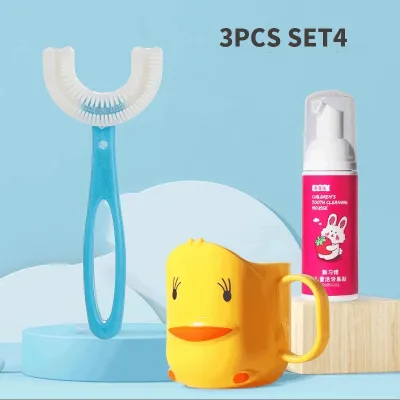

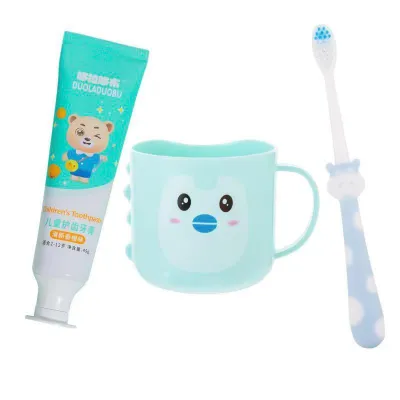
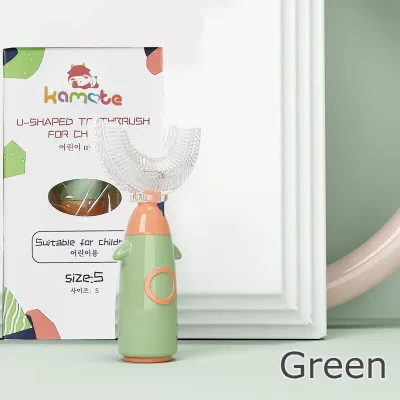
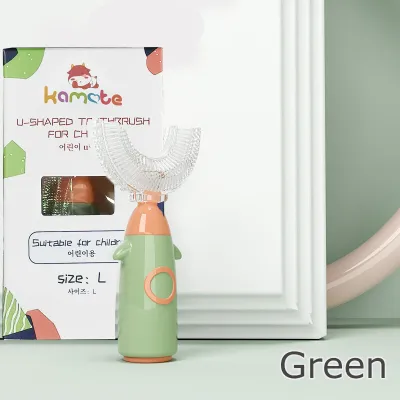
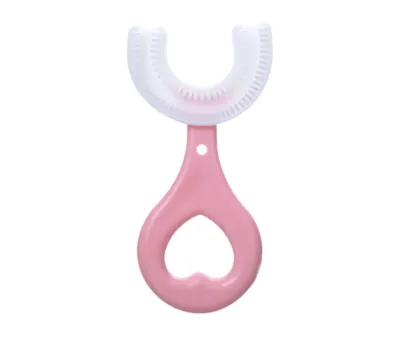
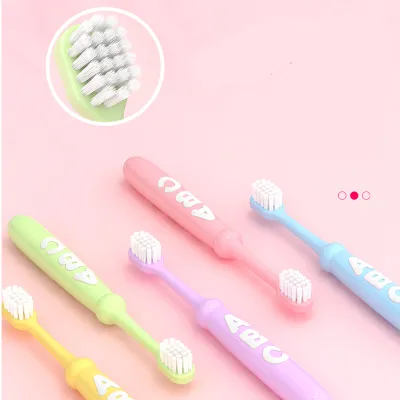
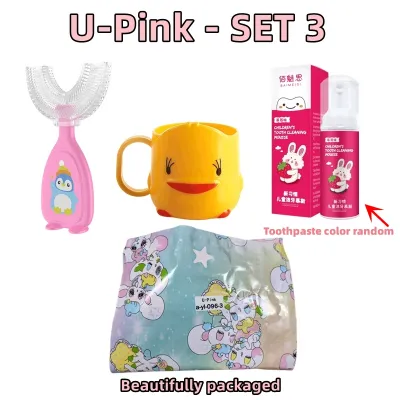
Prices are valid at publication and may change. Please refer to the product page for the latest price.
Brush Head and Bristles
The brush head must be exceptionally compact and rounded to navigate the tight spaces of a twelve-month-old’s mouth. A large or angular head can easily bump against the gums or the roof of the mouth, causing pain that might make your baby resist future brushing sessions. The head should be small enough to clean just one or two tiny teeth at a time without crowding the rest of the mouth.
Look for bristles that are explicitly labeled as extra-soft or ultra-soft. These bristles are typically made from rounded nylon or soft silicone, designed to gently sweep away food residue and plaque without scratching the delicate enamel of newly erupted teeth. Silicone bristles are highly durable and easy to clean, while fine nylon bristles are excellent for reaching into the tiny crevices of emerging molars. In humid tropical climates like the Philippines, nylon bristles must be allowed to dry completely in a well-ventilated area to prevent the accumulation of moisture and bacteria between uses.
Handle Ergonomics
At one year old, oral care is a collaborative effort between parent and child. You will need to evaluate handles based on who is holding the brush during different parts of the routine, as your baby will likely want to mimic your actions while still requiring you to do the actual cleaning.
For parental control, a longer, slim handle with non-slip rubber grips is ideal. This design allows you to guide the brush gently and maintain a steady hand, even when your baby is squirming or trying to turn away. The non-slip texture is particularly important in warm, humid environments, where sweat or water can make smooth plastic handles slippery and difficult to control.
For baby-led exploration, look for short, chunky, or ring-shaped handles. These are designed for tiny hands to grasp easily as they practice bringing the brush to their mouth. A ring-shaped handle also serves a dual purpose as a teething ring, allowing your baby to soothe their gums while becoming familiar with the texture of the bristles under your close supervision.
Safety Guards and Materials
Safety is the most critical factor when a baby is handling a toothbrush. Many brushes designed for this age group feature a built-in choke guard or a wide protective shield. This shield acts as a physical barrier, preventing the brush from sliding too far into the baby’s throat if they slip or push the brush in too quickly while practicing.
You must also verify the chemical safety of the materials used in the toothbrush. Because babies naturally chew on their toothbrushes, ensure the packaging explicitly states that the product is free from bisphenol A (BPA), polyvinyl chloride (PVC), and phthalates. Inspect the brush regularly for any signs of wear, such as loose bristles or cracking plastic, and replace it immediately if any damage is observed.
Navigating Toothpaste Ingredients and Fluoride Guidelines
Choosing the right toothpaste is just as important as selecting the brush. At one year old, babies have not yet developed the coordination required to spit out toothpaste, meaning they will inevitably swallow whatever product you place on their brush. This makes ingredient transparency and safety your top priorities.

Fluoride Considerations
The decision to use fluoride toothpaste for a one-year-old should be made in consultation with a pediatric dentist or by following the official guidelines of local dental associations in the Philippines. Fluoride is highly effective at preventing tooth decay, but swallowing too much of it can lead to dental fluorosis, which causes mild discoloration on developing permanent teeth.
In many cases, dental professionals recommend using a tiny smear of low-fluoride toothpaste (typically containing around 1,000 parts per million of fluoride) as soon as the first teeth erupt, especially if the child is at a higher risk for cavities. Alternatively, a completely fluoride-free training toothpaste may be recommended until the child is older and can reliably spit. Always seek professional advice to determine the most suitable approach for your child’s specific oral health needs and local water conditions.
Swallow-Safe vs. Spit-Out
It is vital to understand the distinction between training toothpastes and standard family toothpastes. Training toothpastes are specifically formulated to be swallow-safe, meaning they do not contain high levels of fluoride or other ingredients that could cause stomach upset if ingested in small amounts.
Standard toothpastes, even those marketed for older children, often require the child to spit out the residue after brushing. For a one-year-old, always prioritize formulas that are explicitly labeled as safe if swallowed, and use only the recommended portion size to minimize any potential ingestion risks. These formulas often use natural thickeners like pectin or cellulose gum instead of synthetic binding agents.
Ingredients to Avoid
When reading the ingredient list on a toothpaste tube, there are several additives you should actively screen out to protect your baby’s health.
Avoid toothpastes containing sodium lauryl sulfate (SLS), a common foaming agent that can cause painful mouth sores or irritate the sensitive oral mucosa of young children. You should also steer clear of artificial dyes, synthetic colors, and harsh chemical preservatives like parabens. Additionally, avoid highly abrasive cleaning agents, such as coarse silica or calcium carbonate, which can wear down the thin, delicate enamel of baby teeth.
Flavor Profiles
The flavor of the toothpaste plays a significant role in whether your baby accepts or rejects the brushing routine. Strong, spicy mint flavors that adults prefer can feel intensely cold or even painful to a baby’s sensitive mouth.
Opt for mild, natural fruit flavors, such as strawberry, banana, or apple, which are generally well-received by infants. Ensure that these flavors are derived from natural sources rather than artificial flavorings, and check that the formula does not contain added sugars or artificial sweeteners that could contribute to tooth decay. A pleasant, mild taste helps build a positive association with brushing, making your daily routine much smoother.
Evaluating the Value and Safety of Combined Sets
Many manufacturers offer bundled toothbrush and toothpaste sets, which can be highly convenient for parents looking to establish a complete oral care routine in one purchase. However, these sets require careful evaluation to ensure they meet safety and quality standards.
Age-Appropriate Labeling
Do not rely solely on generic marketing terms like “baby” or “toddler” when browsing oral care sets. A set designed for a three-year-old will have a brush head that is far too large and bristles that are too stiff for a twelve-month-old.
Look for sets that explicitly state they are suitable for ages 12+ months or 1-2 years. This ensures that the physical dimensions of the brush and the chemical formulation of the toothpaste have been tailored specifically to the developmental stage of a one-year-old. Checking these age brackets helps prevent accidental gum injury from oversized brush heads.
Included Accessories
Many combined sets include extra accessories, such as silicone finger brushes, travel cases, or small instructional booklets. While these extras can seem appealing, you should evaluate whether they provide practical value for your daily routine.
A silicone finger brush can be highly useful during the transition period when your baby is still getting used to the sensation of nylon bristles, or for gently massaging sore gums during teething. Travel cases are excellent for keeping the brush clean and hygienic, especially in humid environments where airborne dust and moisture can encourage bacterial growth. Suction cup bases on the bottom of the toothbrush are also highly practical, as they allow the brush to stand upright on the sink to dry thoroughly, keeping it away from contaminated surfaces.
Cost and Quality Trade-offs
While purchasing a bundled set can often be more economical than buying a premium toothbrush and toothpaste separately, you must ensure that the lower price does not come at the expense of safety.
A cheap set might feature a brush with poorly secured bristles that can shed during use, posing a choking hazard, or a toothpaste with low-quality ingredients and harsh preservatives. Compare the cost of the bundle against individual high-quality items, and always prioritize safety, material certifications, and ingredient transparency over minor cost savings. Investing in a high-quality set ensures that your baby’s early experiences with oral hygiene are both safe and comfortable.
A Practical Checklist for Screening Products Online and In-Store
Whether you are shopping at a local baby boutique in the Philippines or browsing through online marketplaces, having a systematic screening process will help you avoid counterfeit or unsafe oral care products.
Label and Seal Verification
When purchasing oral care products, always inspect the packaging thoroughly before use. Ensure that the toothpaste tube has an intact safety seal under the cap to prevent contamination.
Check for clear, legible ingredient lists and a visible expiration date on both the box and the tube. In tropical climates, improper storage can accelerate the degradation of toothpaste ingredients, making it crucial to verify that the product is fresh and has been stored in a cool, dry place away from direct sunlight. If the packaging appears faded, water-damaged, or lacks clear manufacturer details, it is advisable to avoid using it.
Analyzing User Reviews
If you are purchasing your set from an e-commerce platform, user reviews can provide valuable insights into the real-world performance of the product.
Look specifically for feedback regarding the durability of the toothbrush, such as whether the bristles shed or if the handle is easy for parents to grip. Pay close attention to reviews mentioning the taste of the toothpaste; if multiple parents report that their babies rejected the flavor or experienced mild redness around the mouth, it may be advisable to choose a different formulation. Also, look for comments about how well the brush holds up to repeated washing and sterilization.
Return and Exchange Policies
Before finalizing your purchase, take a moment to review the seller’s return and exchange policies, particularly when shopping online.
Most retailers classify baby oral care items as hygiene products, meaning they cannot be returned or exchanged once the packaging has been opened. Because babies can be highly unpredictable and may refuse a specific brush design or toothpaste flavor, understanding these policies beforehand helps you manage your expectations and budget accordingly. If you are unsure about a product, purchasing from a retailer with clear customer support channels can provide peace of mind.
Frequently Asked Questions (FAQ)
When should I introduce toothpaste to my 1-year-old?
You should introduce toothpaste as soon as your baby’s first tooth begins to erupt through the gums. For a one-year-old, the type of toothpaste you use—whether a fluoride-free training paste or a low-fluoride formula—should be chosen based on the recommendation of your pediatric dentist, taking into account your child’s developmental readiness and local water fluoridation levels.
What is the safe amount of toothpaste for a 1-year-old?
For a one-year-old, the safe amount of toothpaste is a very thin smear, often described as no larger than a single grain of uncooked rice. This minimal amount ensures that even if your baby swallows the toothpaste, the risk of ingesting excessive fluoride or other active ingredients remains extremely low while still providing effective cleaning.
Is a finger brush necessary if my baby already has teeth?
While a silicone finger brush is an excellent tool for cleaning gums and massaging sore areas during early teething, it is not a complete substitute for a bristle toothbrush once teeth have fully erupted. A standard toothbrush with extra-soft bristles is much more effective at sweeping away food particles and plaque from the surfaces and crevices of erupted teeth, making it the recommended choice for a one-year-old’s daily routine.

Community discussion
Share your experience or ask a question. Comments are reviewed before publication.