
Choosing the right sterilizer with dryer requires matching the appliance’s technology with the specific materials of your baby bottles. If you primarily use borosilicate glass bottles, both steam and UV sterilizers with dryers work exceptionally well. However, if your bottle inventory consists mostly of plastics like polypropylene (PP) or polyphenylsulfone (PPSU), or if you use silicone bottles and nipples, a steam sterilizer with a dryer is generally the safest and most compatible option. While UV-C light is highly effective at eliminating pathogens, it can accelerate the degradation, yellowing, and brittleness of plastics and silicone over time.
To protect your baby’s health and maximize the lifespan of your feeding gear, you must understand how heat and light interact with different materials. Always consult the manufacturer’s documentation for both your bottles and your sterilizer to verify compatibility before use.
Quick Compatibility Guide: Which Sterilizer Suits Your Bottles?
Both steam and UV sterilizers with dryers offer reliable sanitization, but their compatibility depends heavily on your baby bottles’ heat tolerance and ultraviolet sensitivity. Glass bottles are the most versatile, easily withstanding the high temperatures of steam and the light waves of UV sterilizers. Plastics and silicones require a more cautious approach. High-temperature steam can warp low-tolerance plastics, while prolonged UV-C exposure can degrade chemical bonds in silicone and certain polymers, leading to early wear.
Products mentioned in this guide
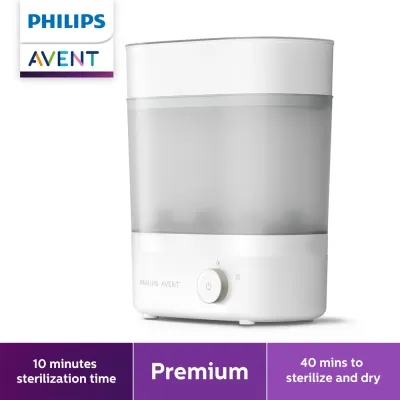
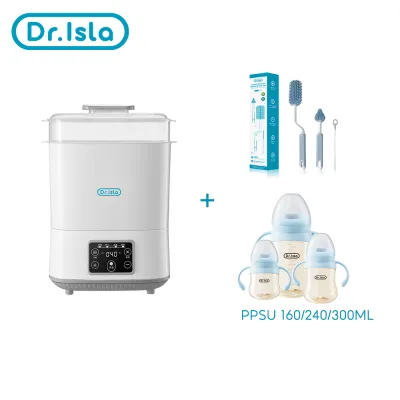
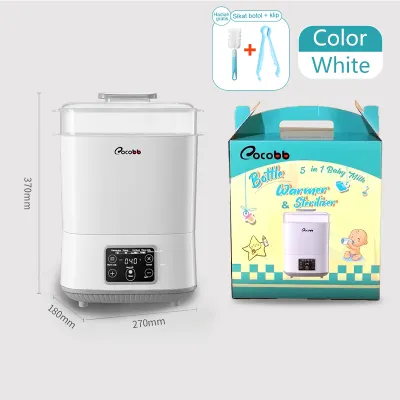
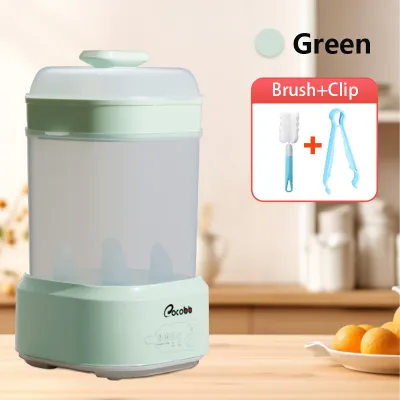
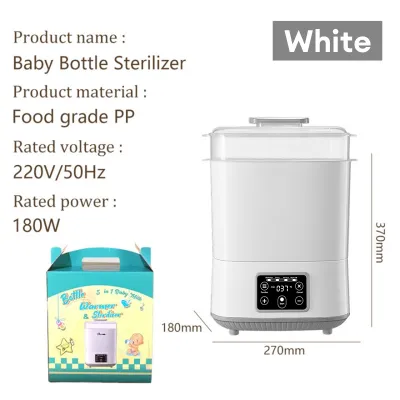
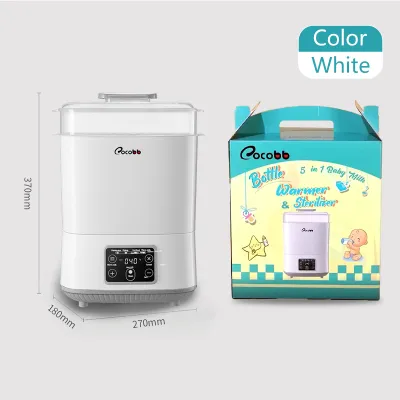
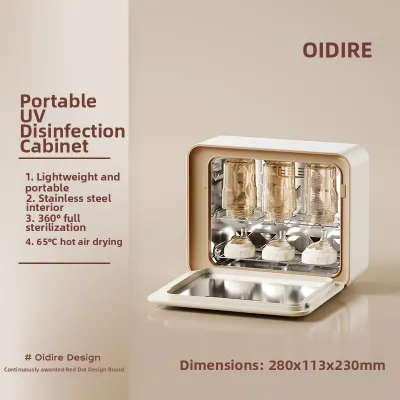
Prices are valid at publication and may change. Please refer to the product page for the latest price.
In the tropical climate of the Philippines, high humidity levels make the drying function of these appliances absolutely essential. Leaving sterilized bottles damp on a drying rack invites mold and bacterial growth, defeating the purpose of sanitization. A dedicated sterilizer with dryer resolves this issue by ensuring bottles are completely dry and ready for safe storage.
When choosing between steam and UV models, use this general breakdown as a starting point:
- Glass Bottles: Highly compatible with both steam and UV sterilization.
- Plastic Bottles (PP, PPSU, PES): Highly compatible with steam; check manufacturer guidelines for UV-C exposure limits to prevent premature yellowing or brittleness.
- Silicone Bottles and Nipples: Highly compatible with steam; prone to accelerated degradation and loss of elasticity under repeated UV-C exposure.
Ultimately, the manufacturer’s label on your baby bottles and the sterilizer’s user manual serve as the final authorities on what is safe to process.
Steam vs. UV Sterilizers With Dryers: Key Differences for Materials
Understanding how steam and UV sterilizers operate helps you make an informed decision based on your daily bottle-feeding setup.

Steam sterilizers with dryers rely on thermal energy. The unit heats a small amount of water to its boiling point, creating intense steam that surrounds the bottles and accessories to kill harmful microorganisms. Once the sterilization cycle is complete, the unit uses a hot air blower to dry the items. Because steam sterilization exposes materials to temperatures of around 100°C, all processed items must be highly heat-resistant. If a material cannot withstand this thermal stress, it may warp, develop micro-cracks, or leach chemical compounds.
UV sterilizers with dryers use electromagnetic radiation in the UV-C spectrum to disrupt the DNA of bacteria, viruses, and molds. Because this process does not rely on water or high heat, the sterilization phase is dry. The drying phase that follows typically utilizes gentle, warm air (usually between 45°C and 55°C). While this lower temperature is highly beneficial for heat-sensitive items, the UV-C light itself is highly energetic. Over time, repeated exposure to UV-C radiation can break down the polymer chains in plastics and silicone, causing them to discolor, become sticky, or lose structural integrity.
The drying mechanism is just as critical as the sterilization method for maintaining material longevity. High-temperature hot air drying in steam units can add cumulative thermal stress to lower-grade plastics. Conversely, the low-temperature warm air drying in UV units is gentler on heat-sensitive materials but takes longer to complete. Choosing the right balance ensures your feeding equipment remains safe and functional for as long as possible.
Material-Specific Guide: Plastic, Glass, and Silicone Compatibility
Each baby bottle material has unique physical properties that dictate how it responds to heat, moisture, and light.
Plastic Bottles (PP, PPSU, PES)
Plastic baby bottles are popular due to their lightweight and shatterproof design, but they vary significantly in chemical composition and heat tolerance. Polypropylene (PP) is the most common and budget-friendly option, but it has a relatively low heat tolerance (typically around 110°C to 120°C). Polyphenylsulfone (PPSU) is a medical-grade, naturally honey-colored plastic known for its extreme durability and high heat tolerance (up to 180°C). Polyethersulfone (PES) sits between the two, offering good durability and heat resistance.
Using a steam sterilizer with plastic bottles requires caution. If a plastic bottle’s heat threshold is exceeded, the material can warp, causing the collar to leak or the bottle to lose its shape. Repeated high-heat exposure can also weaken the plastic’s structure over time, leading to micro-cracks where bacteria can hide.
When using a UV sterilizer, certain plastics can undergo photodegradation. Over time, UV-C light can cause PP and even high-grade PPSU to discolor, turn yellow, or become brittle. This brittleness increases the risk of the bottle cracking when dropped.
To ensure safety, always check the manufacturer’s manual for explicit “steam safe” or “UV safe” instructions before placing plastic bottles in any sterilizer with dryer. If the label does not explicitly state that the plastic is UV-resistant, stick to steam sterilization or low-heat cycles.
Glass Bottles
Glass baby bottles, typically made from high-quality borosilicate glass, are highly durable and chemically inert. They do not leach chemicals, scratch easily, or absorb odors, making them an excellent choice for many families. Borosilicate glass is highly resistant to both high-temperature steam and UV-C radiation, meaning the bottle body itself will not degrade or discolor regardless of the sterilization method you choose.
However, glass bottles are still vulnerable to thermal shock. If a cold glass bottle is suddenly placed into a hot steam sterilizer, or if hot glass is exposed to sudden cold drafts during or after the drying cycle, the rapid temperature change can cause the glass to crack or shatter. Caregivers must handle hot glass bottles with care and allow them to cool down gradually.
Additionally, glass bottles are never used in isolation; they are always paired with plastic collars, travel caps, and silicone nipples. While the glass bottle itself is practically indestructible in a sterilizer, these accompanying accessories have strict temperature and light limits. When sterilizing a glass bottle assembly, you must evaluate the compatibility of the weakest component—usually the plastic collar or the silicone nipple—rather than just the glass body.
Silicone Bottles and Nipples
Silicone has become a highly popular material for baby bottles and nipples due to its soft, breast-like texture and flexibility. Medical-grade silicone is exceptionally heat-resistant, often capable of withstanding temperatures well over 200°C. This high thermal tolerance makes silicone components perfectly suited for steam sterilization and hot air drying, as they will not warp or lose their shape under high heat.
The primary vulnerability of silicone lies in its reaction to UV-C light. Prolonged exposure to ultraviolet radiation can break down the chemical bonds of silicone, causing it to lose its elasticity. Over time, UV-sterilized silicone nipples may become sticky, gummy, or prone to tearing. A degraded nipple can collapse during feeding or tear easily, presenting a potential choking hazard if pieces break off.
For this reason, steam sterilization is generally recommended for silicone bottles and nipples. If you choose to use a UV sterilizer with dryer, consult the nipple manufacturer’s guidelines regarding UV exposure limits. Always inspect silicone components before every feed, and replace them immediately if you notice any stickiness, discoloration, or loss of flexibility.
Essential Features to Verify Before Purchasing
When shopping for a sterilizer with dryer in the Philippines, look for specific features that accommodate your bottle materials and the local climate.
- Temperature Controls: Look for units that offer adjustable drying temperatures or specific material modes, such as a "low heat" or "plastic-safe" drying setting. This feature is invaluable if you use a mix of glass, plastic, and silicone bottles, as it allows you to customize the heat level to protect sensitive materials.
- Cycle Customization: A versatile sterilizer should allow you to run sterilization only, drying only, or both cycles combined. The ability to run a standalone drying cycle is highly useful in humid tropical environments, where bottles may need an extra drying boost to eliminate lingering moisture. It also lets you skip the sterilization phase if you only need to dry clean items.
- Capacity and Layout: Ensure the internal rack design accommodates the specific shapes, heights, and neck widths of your bottle inventory. Avoid forcing plastic or silicone parts too close to the heating elements in steam units, or too close to the UV bulbs in UV units. Localized intense heat or radiation can cause uneven wear and premature degradation.
- Filter and Airflow: Because the drying cycle draws in ambient air to dry the bottles, the quality of that air is critical. Look for a sterilizer with dryer that features a high-efficiency particulate air (HEPA) filter. In a humid climate, a HEPA filter ensures that dust, mold spores, and airborne particles are filtered out before the air contacts your baby's sterilized bottles.
Safe Usage and Maintenance Practices
Proper maintenance of your sterilizer with dryer ensures the appliance operates safely and efficiently while extending the lifespan of your baby bottles.
- Descaling: Steam sterilizers are prone to mineral buildup, or limescale, from the water used during the sterilization cycle. This buildup can reduce the heating element's efficiency and leave white deposits on your bottles. To prevent this, descale the unit regularly using manufacturer-approved methods, such as a mixture of white vinegar or citric acid with water, if permitted by your manual. Never use harsh chemical cleaners or abrasive scrubbers.
- Component Inspection: Regularly inspect all plastic and silicone bottle parts under bright light. Look for visual and physical signs of degradation, such as cloudiness, micro-cracks, stickiness, warping, or tears. If you observe any of these changes, stop using the component immediately and replace it.
- Filter Maintenance: If your sterilizer with dryer uses an air intake filter, clean or replace it according to the manufacturer's recommended schedule. In dusty or highly humid environments, filters may clog more quickly, reducing airflow and drying efficiency. Regularly checking the filter ensures your bottles are dried with clean, fresh air every cycle.
Frequently Asked Questions (FAQ)
Can I put baby bottle nipples in a UV sterilizer with a dryer?
While some modern UV sterilizers claim to be safe for silicone accessories, prolonged exposure to UV-C light can degrade silicone over time. This exposure can cause the nipples to lose elasticity, become sticky, or tear easily. It is best to check the nipple manufacturer’s specific guidelines regarding UV tolerance. If you do use a UV sterilizer, inspect the nipples frequently for signs of wear and replace them at the first sign of stickiness or damage.
Why do my plastic bottles look cloudy after using a steam sterilizer?
Cloudiness in plastic bottles made of PP or PPSU is usually caused by mineral deposits (limescale) from hard water used in the steam sterilizer. It can also be a sign of minor surface degradation from repeated high-heat exposure over time. To resolve this, descale your sterilizer regularly and wash the bottles thoroughly. If the cloudiness persists, feels rough to the touch, or is accompanied by micro-cracks, the plastic has degraded, and the bottles should be replaced.

Community discussion
Share your experience or ask a question. Comments are reviewed before publication.