
Transitioning your baby to solid foods is an exciting milestone. During this weaning phase, your little one is not just exploring new flavors; they are also developing crucial fine motor skills, hand-eye coordination, and spatial awareness. When searching for the ideal feeding plate for your baby girl or boy, focusing on specific structural design features can make a significant difference in how quickly and confidently they master self-feeding.
The right tableware does more than just hold food; it acts as an active learning tool. A thoughtfully designed plate minimizes the physical barriers to scooping and grasping, allowing your baby to focus their energy on the mechanics of eating rather than chasing a sliding dish. By selecting a plate tailored to their developmental stage, you can transform mealtime from a chaotic chore into an engaging, positive learning experience.
Why Plate Design Matters During Weaning
During the first year of life, babies undergo rapid physical changes, transitioning from a primitive palmar grasp to the more refined pincer grasp. In the early stages of weaning, your baby will primarily use their hands to explore textures, scoop up soft foods, and guide them toward their mouth. As they grow, they will begin experimenting with utensils, which requires a complex sequence of scooping, balancing, and lifting that can be highly frustrating if their tableware does not cooperate.
Products mentioned in this guide
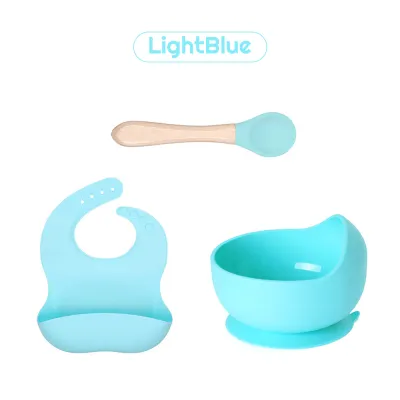
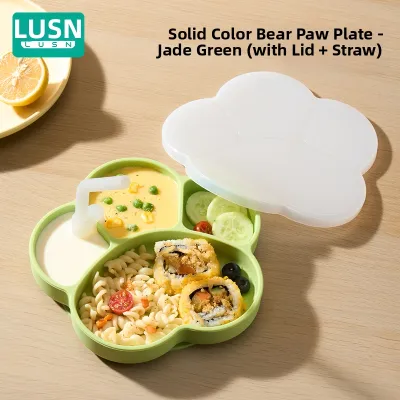
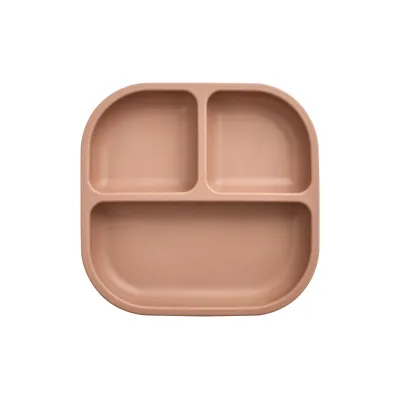
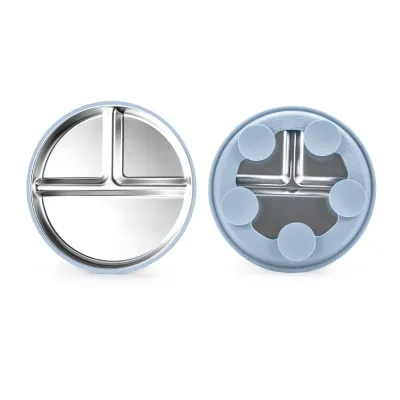
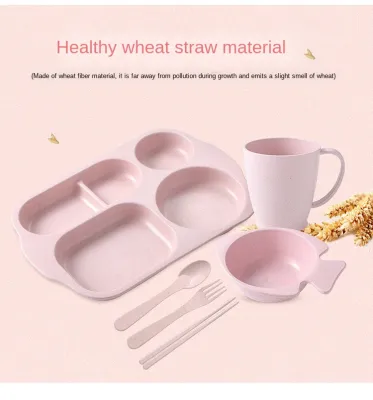
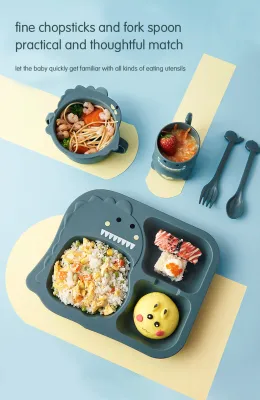
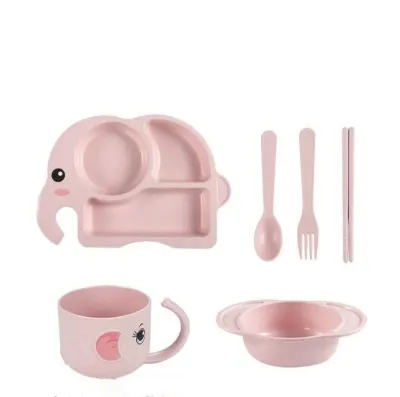
Prices are valid at publication and may change. Please refer to the product page for the latest price.
A poorly designed plate can actively hinder this developmental progress. If a plate slides across the highchair tray at the slightest touch, or if its walls are too shallow to provide leverage, your baby will struggle to gather food onto their spoon or fingers. This constant slipping often leads to spilled meals, increased frustration, and a tendency for the baby to give up and wait to be spoon-fed by a caregiver instead.
While some level of mess is an inevitable and healthy part of the sensory exploration of food, the right equipment helps keep that mess manageable. A stable, well-contoured plate ensures that food remains within your baby’s reach rather than ending up on the floor. By reducing unnecessary spills, you create a calmer dining environment where your baby feels encouraged to practice their new skills at their own pace.
Essential Features for Independent Eating
To choose a highly functional feeding plate, it helps to evaluate how its physical structure supports your baby’s natural movements. A great self-feeding plate is generally divided into three distinct functional zones: the stabilizing base, the compartmentalized eating surface, and the outer edges. Each of these zones plays a specific role in keeping the plate stationary and the food easily accessible during active, hands-on meals.

When these three structural elements work in harmony, they accommodate the erratic, sweeping arm movements typical of infants. Instead of fighting against the tableware, your baby can use the plate’s physical boundaries to guide their hands and utensils. This structural support builds muscle memory and confidence, helping them transition smoothly from basic finger-feeding to independent spoon-feeding.
Suction Bases and Stability
The foundation of any successful self-feeding plate is its ability to stay firmly anchored to the eating surface. Most modern baby plates achieve this stability through either integrated suction cups or heavy, weighted non-slip silicone bases. Suction bases use a vacuum seal to lock the plate to the table, preventing enthusiastic infants from lifting, throwing, or sliding their food during a meal.
However, the effectiveness of a suction base depends heavily on the surface it is placed on. Suction cups require a completely smooth, clean, and non-porous surface—such as polished plastic highchair trays, glass tables, or smooth stone countertops—to maintain a vacuum seal. If your dining table is made of textured wood, matte laminate, or has scratches, air will seep under the suction pad, causing it to release almost instantly. For these textured surfaces, a heavy, high-friction silicone base often provides more reliable slip resistance than a standard suction cup.
Another critical detail to check is the design of the suction release mechanism. Smartly designed plates feature hidden release tabs or low-profile peel edges that are difficult for tiny fingers to find or grip. If the release tab is too prominent or brightly colored, your baby will likely view it as a toy, quickly learning how to pull the tab and lift the plate, defeating the purpose of the suction base entirely.
Divided Sections and Raised Edges
The interior layout of the plate is just as important as its base. Plates with deep, curved inner corners and vertical or slightly sloped walls are highly beneficial for babies learning to use spoons. When a baby pushes a spoon against a curved, vertical wall, the wall acts as a natural backstop, guiding the food onto the utensil rather than allowing it to slide off the edge of the plate.
Divided sections are another valuable feature, especially during the early stages of introducing diverse food groups. Compartments allow you to separate different textures and flavors, such as keeping moist fruit slices away from dry grains or purees. This separation is particularly helpful for picky eaters who may reject a meal if different foods touch, and it helps babies identify and appreciate individual flavors and textures.
Additionally, look for plates with raised outer lips or slight overhangs along the exterior rim. These raised edges prevent food from spilling over the sides when your baby is sweeping their hands across the plate. They also ensure the plate does not sit completely flush against the highchair tray, leaving a small gap that makes it easier for parents to lift and carry the plate without dipping their fingers into the food.
Grip-Friendly Shapes and Angles
Ergonomics play a vital role in how easily a baby can navigate their plate. Because infants have limited wrist rotation and grip strength, plates with slightly angled or tilted interior surfaces can make food much more accessible. An angled design brings the food closer to the baby’s natural reach, reducing the need for them to bend their wrists awkwardly to scoop up the last few bites.
Wide, textured outer rims also provide excellent grip-friendly zones. These borders allow babies to stabilize the plate with one hand while eating with the other, and they give parents a secure area to hold when serving hot food. A wide rim also helps catch stray crumbs and drips before they reach the table, acting as a built-in spill guard.
Finally, ensure the plate’s compartments are compatible with standard baby utensils. The sections should be wide and deep enough to accommodate the broad, rounded bowls of infant spoons and the blunt prongs of baby forks. If the compartments are too narrow or shallow, utensils will easily slip out, causing frustration and making it harder for your baby to practice proper scooping techniques.
Material Safety and Care Requirements
When selecting tableware for your little one, material safety and ease of maintenance should be top priorities. Always check manufacturer labels and product descriptions to verify that the plate is made from high-quality, food-grade silicone or other safe materials. Ensure the product is certified as free from harmful chemicals such as bisphenol A (BPA), polyvinyl chloride (PVC), and phthalates, which can leach into food, especially when exposed to heat.
In the warm and humid climate of the Philippines, hygiene and ease of sterilization are particularly important. You will want to verify the heat tolerance limits of the plate before purchasing. High-quality silicone plates can typically withstand extreme temperatures, making them safe for use in the microwave, dishwasher, and steam sterilizers. However, lower-grade plastics or composite materials may warp, crack, or degrade over time when exposed to high heat, creating small crevices where bacteria can thrive.
Another common issue with baby tableware is staining and odor retention. Highly pigmented local foods, such as squash, carrots, or tomato-based sauces, can easily stain light-colored silicone plates. Furthermore, silicone is a porous material that can sometimes absorb the scent of heavily perfumed dishwashing liquids or strong food odors. To prevent this, look for plates with stain-resistant finishes and follow the manufacturer’s care instructions, which often recommend washing with mild, unscented soaps or using a baking soda paste to lift stubborn stains and odors.
Matching Plate Types to Weaning Stages
Your baby’s self-feeding journey will evolve rapidly over their first two years, and their tableware needs will change accordingly. During early weaning, typically around six to eight months, your baby is just beginning to explore solid foods, often through baby-led weaning (BLW). At this stage, they do not need complex divided plates; instead, focus on heavy, non-slip flat plates or simple suction bowls with large, open surfaces that allow them to easily grab large pieces of finger foods like steamed vegetables or soft fruits.
As your baby enters mid-weaning, around eight to twelve months, they will begin developing their pincer grasp and experimenting with spoons. This is the ideal time to introduce divided plates with deep, sloped walls. The compartments help you present balanced meals with distinct food groups, while the curved walls provide the necessary leverage for early spoon-feeding practice. The suction base remains crucial during this stage, as babies at this age love to test gravity by throwing objects.
By the toddler stage, around twelve months and beyond, your child will have developed better control and coordination. While they may still use a suction plate at home, you can begin transitioning them to smaller, more portable plates that come with secure, leak-resistant lids. These lidded plates are incredibly convenient for packing healthy snacks or meals when traveling, visiting relatives, or dining out at local restaurants, ensuring your toddler has a familiar, safe surface to eat from wherever you go.
Pre-Purchase Safety and Quality Checklist
Before adding a self-feeding plate to your cart, it is essential to perform a quick quality and safety check to ensure the product is durable and safe for daily use. Carefully inspect product photos and descriptions for any potential hazards. Avoid plates with sharp plastic seams, loose decorative parts, or painted coatings that could peel off over time and pose a choking or ingestion hazard to your baby.
Always verify the manufacturer’s age and developmental recommendations on the packaging. Some plates are designed specifically for older toddlers and may lack the strong suction or deep walls needed for a younger baby just starting their weaning journey. Choosing a plate that matches your baby’s current physical capabilities ensures they get the right level of support without unnecessary frustration.
Finally, take the time to read user reviews on online marketplaces, focusing on practical performance rather than just cute designs or colors. While budget-friendly options under ₱300 are widely available, investing in high-quality food-grade silicone is often more cost-effective in the long run. Look for feedback regarding how well the suction holds up on different highchair brands, whether the material retains soapy odors after washing, and how easily the plate stains. Real-world feedback from other parents is often the most reliable way to gauge a plate’s long-term durability and functionality.
Frequently Asked Questions (FAQ)
Do I need a separate plate for purees and finger foods?
You do not need to purchase separate plates for different food textures, as a well-designed divided plate can easily accommodate both purees and finger foods simultaneously. The individual compartments are perfect for keeping wet purees or yogurt separate from dry finger foods like crackers, soft-cooked vegetables, or fruits, preventing them from becoming soggy. However, if you are serving a meal that consists entirely of purees or soups, a deep suction bowl with high, curved sides is often easier for your baby to scoop from than a flat, divided plate.
Why does my suction plate keep failing on the highchair tray?
Suction failure is usually caused by air breaking the vacuum seal between the plate’s base and the highchair tray. This often happens if the tray surface is textured, matte, scratched, or slightly dirty, as even tiny imperfections allow air to seep underneath. To ensure a strong hold, thoroughly clean and dry both the highchair tray and the plate’s suction base to remove any grease, dust, or soap residue. Press down firmly on the center of the plate to push out all the air, and if the manufacturer recommends it, apply a tiny drop of water to the suction cup before pressing it down to help create a tighter seal.
Are bamboo or wooden plates suitable for early self-feeding?
While bamboo and wooden plates are aesthetically pleasing and made from natural materials, they require significantly more care and may not be the most practical choice for early self-feeding. Most wooden plates do not have built-in suction unless they feature a removable silicone suction ring, which you must verify before buying. Additionally, wood is highly sensitive to moisture and heat; these plates must be hand-washed, dried immediately, and cannot be placed in the microwave, dishwasher, or steam sterilizer. In a humid tropical climate, improper drying of wooden tableware can easily lead to cracking, splintering, or mold growth, making silicone a much lower-maintenance and more hygienic option for busy parents.

Community discussion
Share your experience or ask a question. Comments are reviewed before publication.