
When feeding your baby, the choice of bottle material often comes down to high-quality silicone and Polyphenylene Sulfone (PPSU). While these materials are celebrated for their durability, heat resistance, and safety, they present a unique cleaning challenge: they easily trap soap residue, leaving behind stubborn chemical smells or a soapy taste that can cause your baby to reject their milk. Finding the safest baby bottle washing liquid requires understanding how these modern materials interact with cleaning agents and choosing a formula designed to rinse away completely.
In tropical climates like the Philippines, high humidity can make thorough drying and residue prevention even more critical. Trapped moisture combined with organic milk fats and soap residue can quickly become a breeding ground for bacteria. Selecting the right washing liquid and mastering the rinsing process is essential for maintaining the hygiene and longevity of your baby’s feeding gear.
Understanding Why Silicone and PPSU Trap Soap Residue
Silicone is highly flexible and temperature-resistant, but at a microscopic level, it is highly porous. These tiny pores act like magnets for fats (lipids) found in breastmilk and infant formula. When you use a heavy detergent, the soap molecules and synthetic fragrances can migrate into these microscopic spaces, binding with the absorbed fats and creating a persistent film that is incredibly difficult to rinse away.
Products mentioned in this guide
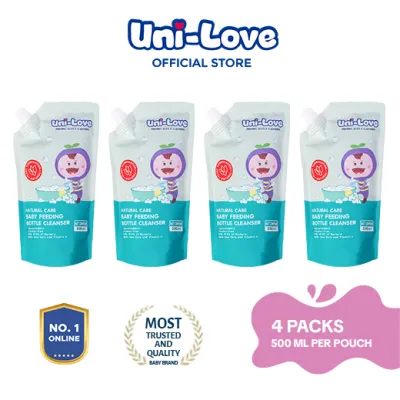
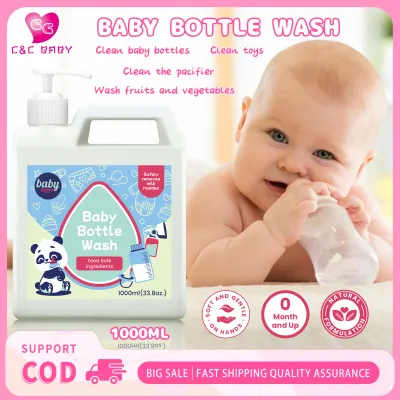
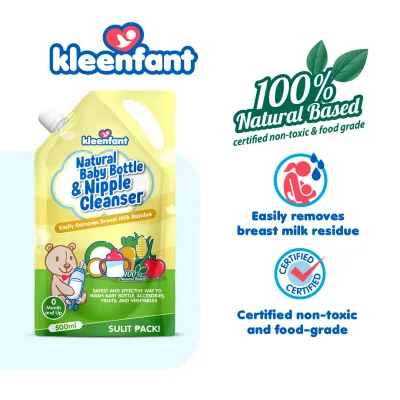
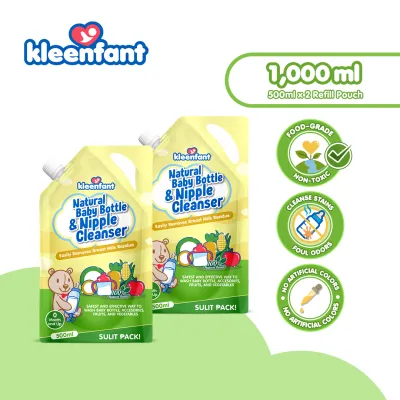
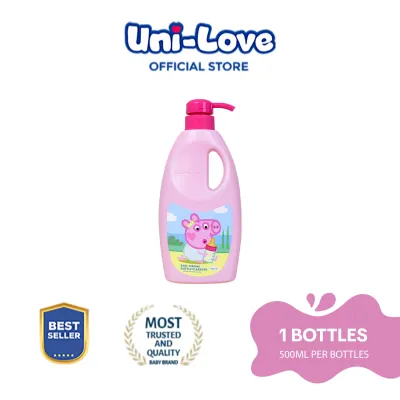
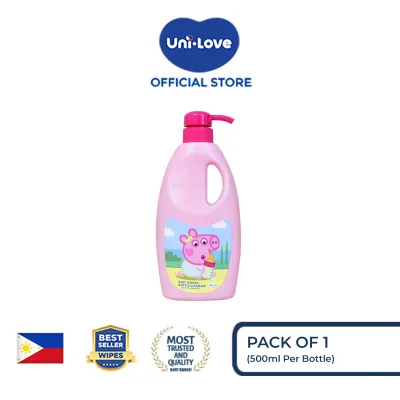
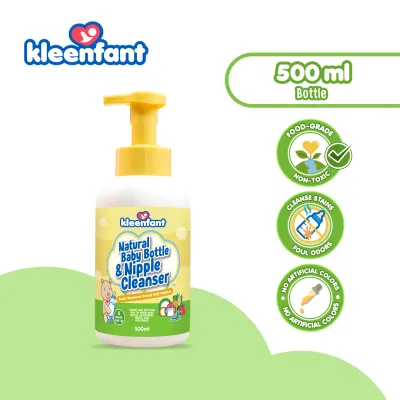
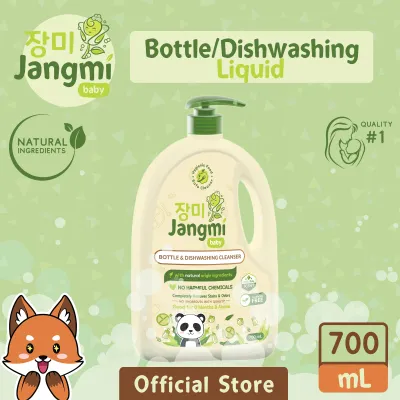
Prices are valid at publication and may change. Please refer to the product page for the latest price.
PPSU, on the other hand, is a medical-grade plastic known for its extreme durability and golden tint. While it does not have the same porous structure as silicone, it is still susceptible to microscopic surface scratches over months of daily scrubbing. These micro-scratches, often invisible to the naked eye, become perfect hiding spots for mineral deposits from hard tap water and stubborn detergent particles.
This creates a deceptive situation for parents. A bottle may look sparkling clean and clear under kitchen lighting, yet still harbor an invisible layer of chemical residue. When warm milk is poured into the bottle, it can loosen these trapped soap particles, altering the taste and smell of the milk, which often leads to babies refusing their feed.
What to Look for in a Residue-Free Bottle Wash
To keep these advanced materials pristine, you need a washing liquid formulated specifically for clean rinsability. Look for products that utilize plant-based or coconut-derived surfactants, such as decyl glucoside or coco-glucoside. These natural cleansing agents break down milk fats effectively without leaving behind the stubborn, slippery film characteristic of synthetic petroleum-based detergents.

Fragrance-free and dye-free formulations are absolute essentials when cleaning silicone nipples and PPSU bodies. Because silicone readily absorbs airborne and liquid scents, any added perfume—even natural essential oils—will eventually saturate the material. Choosing a completely unscented wash ensures that the only thing your baby tastes is their milk.
The pH level of the washing liquid also plays a role in material longevity. A neutral or pH-balanced formula is gentle on both silicone and PPSU. Highly acidic or overly alkaline cleaners can accelerate the degradation of silicone, causing it to lose its elasticity and become sticky, while also clouding the clear, golden finish of PPSU bottles over time.
When shopping, carefully inspect the manufacturer labels for verifiable claims. Look for terms like “food-grade ingredients” or “easy-rinse formula,” and check the back label to verify that the ingredients list is transparent. Since safety standards and certifications can vary, always cross-reference these claims with the manufacturer’s official documentation to ensure they align with your standards for baby-safe products.
Formulations and Additives to Avoid
Many standard household detergents contain additives designed to make the washing experience more pleasant for adults, but these are highly detrimental to baby bottles. Heavy synthetic fragrances and essential oils are the primary culprits behind lingering soap smells. Even if a scent is marketed as “natural citrus” or “lavender,” it can easily bond with silicone and ruin the taste of subsequent feeds.
Harsh sulfates, such as Sodium Lauryl Sulfate (SLS) and Sodium Laureth Sulfate (SLES), should also be avoided. While they produce a rich, satisfying lather, they require an immense volume of water and prolonged rinsing to wash away completely. In a busy household, this often leads to hasty rinsing and a high likelihood of soap buildup on the bottle walls.
Thickening agents, pearlescent additives, and opaque formulas are designed to give dish soap a premium, creamy texture, but they do so by adding non-cleansing polymers. These polymers are notorious for coating the interior surfaces of PPSU and silicone, leaving a dull, hazy residue that traps moisture and bacteria.
Additionally, steer clear of unnecessary antibacterial additives. Daily feeding items do not require harsh chemical disinfectants in their washing liquid, as these agents are difficult to rinse off safely. Instead, rely on a clean-rinsing soap for washing, followed by a dedicated sterilization method recommended by your bottle manufacturer.
Washing and Rinsing Steps to Ensure a Clean Finish
Even the best washing liquid requires proper technique to prevent residue buildup. Start by fully disassembling every single part of the bottle. This means pulling the silicone nipple completely out of the PPSU collar, removing any anti-colic valves, and separating sealing rings. Skipping this step allows soap and milk fats to become trapped in the tight crevices where the different materials meet.
Always follow the exact dilution ratio specified on the product label. Pouring concentrated washing liquid directly onto a bottle brush or into the bottle makes it incredibly difficult to rinse away. Instead, prepare a warm, soapy basin of water using the recommended amount of liquid, and submerge the disassembled parts to loosen milk proteins.
When rinsing, use a generous volume of clean, running water. Perform a tactile check by rubbing your fingers over the wet silicone and PPSU surfaces; if they feel slippery or slimy, soap residue is still present, and you must continue rinsing until the surfaces feel completely squeaky-clean.
In tropical climates like the Philippines, high humidity can slow down drying times, creating an environment where trapped moisture can lead to mold or bacterial growth. After rinsing, place all components on a dedicated, clean bottle drying rack in a well-ventilated area. Avoid using kitchen towels to dry the bottles, as they can transfer lint, dust, and bacteria back onto the clean surfaces.
Frequently Asked Questions (FAQ)
Can I use regular dish soap for silicone and PPSU bottles?
While regular dish soap is highly effective for cutting grease on family dinnerware, it is not recommended for silicone and PPSU baby bottles. Standard kitchen detergents are formulated with heavy surfactants, strong synthetic fragrances, and rinsing agents designed for non-porous materials like glass and ceramic. When applied to porous silicone or micro-scratched PPSU, these heavy chemicals easily become trapped, leaving behind a strong soapy scent and a chemical film that can alter the taste of your baby’s milk and potentially irritate their sensitive digestive system.
How do I remove existing soapy smells from silicone nipples?
If your silicone nipples have already absorbed a strong soapy smell, you can often rescue them using gentle, food-safe household ingredients. Try soaking the affected silicone parts in a mixture of warm water and baking soda, or a mild solution of diluted white vinegar, for about 30 minutes to help neutralize the trapped odors and break down lingering milk fats. Always check your bottle manufacturer’s guidelines before attempting these methods, as well as before using boiling water or steam sterilizers, to ensure you do not inadvertently degrade the material. If the silicone remains sticky, cloudy, or retains a strong odor even after thorough cleaning, it is a clear indicator that the material has degraded and the nipple must be discarded and replaced.

Community discussion
Share your experience or ask a question. Comments are reviewed before publication.