
When choosing a pillow for a 2-year-old, parents must prioritize a low-loft, firm, and highly breathable design that matches the child’s small physical proportions. Unlike adult bedding, a toddler pillow must prevent face-sinking suffocation risks while supporting the natural alignment of a developing neck and spine. Navigating this transition requires balancing safety certifications, physical dimensions, and tropical-friendly materials—especially crucial in warm, humid climates like the Philippines where sweat and dust mites accumulate quickly.
By focusing on verifiable product specifications and observing your child’s physical development, you can make an informed decision that supports safe, restful sleep. This guide outlines the essential safety features, firmness levels, and material choices to look for when shopping for your toddler’s first pillow.
When to Introduce a Pillow to a 2-Year-Old
Around the age of two, many toddlers begin to transition from a completely flat sleep surface. You might observe your child resting their head on a bunched-up blanket, placing their head on a stuffed animal, or consistently sleeping on their arm. These physical readiness cues suggest their shoulders are widening, creating a small gap between their head and the mattress when they lie on their side.
Products mentioned in this guide
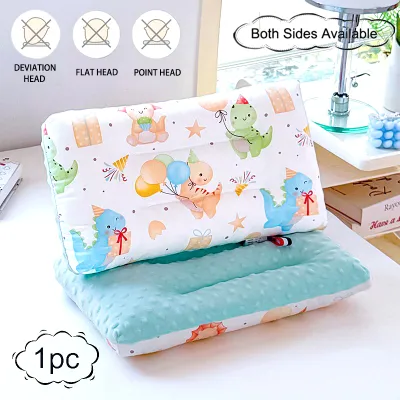
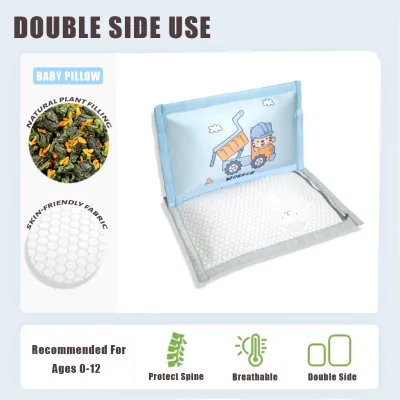
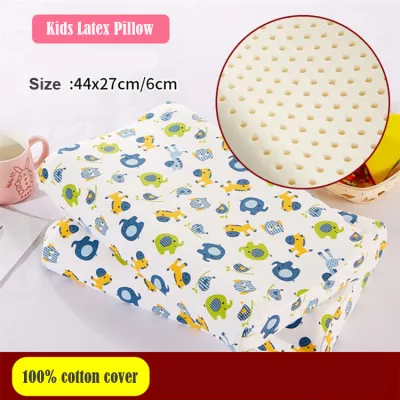
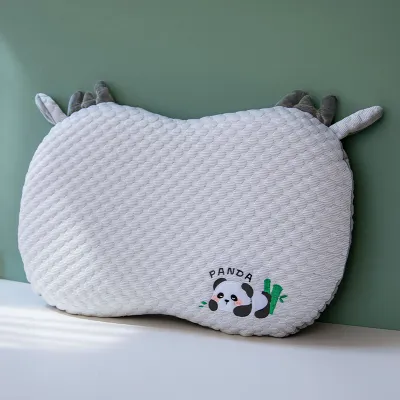
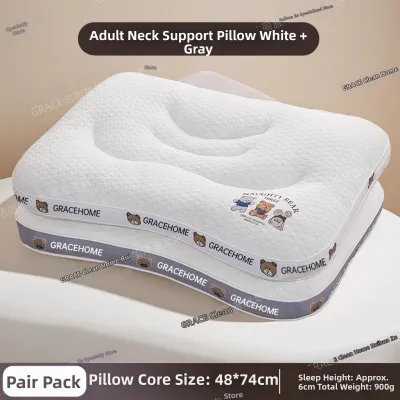
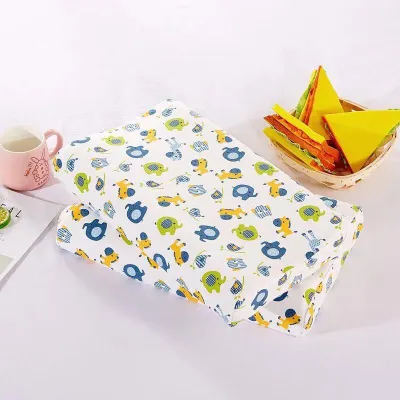
Prices are valid at publication and may change. Please refer to the product page for the latest price.
Before introducing a pillow, consult your pediatrician to ensure your child is developmentally ready. Always check the manufacturer’s age recommendations printed on the product packaging, as some pillows are rated for older children. If your toddler is still sleeping in a crib, verify if the crib manufacturer advises against placing any pillows or loose bedding in the sleep space.
It is important to understand that toddler-specific pillows are fundamentally different from standard adult pillows. Adult pillows are far too thick and wide, which can force a toddler’s neck into an unnatural upward bend, straining their muscles and potentially restricting their airway. Toddler pillows feature a very low profile—typically between two and three inches thick—and compact dimensions designed to fit safely within a toddler bed or crib without crowding the space.
Critical Safety Features to Prevent Suffocation Risks
Evaluating the physical dimensions and loft height of a pillow is the first step in minimizing suffocation and airway obstruction risks. The pillow’s thickness must be proportionate to your toddler’s shoulder width and neck length. When your child lies on their side, the pillow should only fill the gap between the ear and the mattress, keeping the spine straight. A loft that is too high pushes the chin toward the chest, which can compromise breathing.

Next, inspect the pillow and its cover for potential choking hazards. Avoid any designs that feature buttons, decorative tassels, loose embroidery, or long zipper pulls that a toddler could chew off and swallow. Look for covers with a hidden, recessed zipper lock or a simple envelope-style closure that keeps the pillow core completely enclosed without exposed hardware.
In a tropical climate, high humidity and overnight sweating are common. A safe toddler pillow must allow air to flow freely through both the cover and the inner fill. You can check this by examining the product packaging for breathability claims and verifying that the cover features an air-permeable weave. A highly breathable design ensures that even if your child rolls over onto their stomach, air can still circulate around their face.
Rather than relying solely on online marketing claims, verify safety certification tags directly on the physical product. Look for recognized independent certifications sewn into the law tag, which confirm the materials have been tested for harmful substances and volatile organic compounds. These physical tags provide reliable verification that you can cross-reference with official certification databases.
Finding the Right Firmness Level for Toddler Support
While adults often prefer plush, cloud-like pillows, these are highly dangerous for a two-year-old. If a pillow is too soft, your child’s face can sink into the material, blocking their nose and mouth if they roll over during the night. The pillow must be firm enough to retain its shape and support the head without conforming deeply to the child’s face.
Conversely, an overly firm or high-loft pillow will cause discomfort and neck strain. If the pillow does not give slightly under the weight of the child’s head, it will push their neck upward, leading to restless sleep and morning stiffness. The goal is a supportive medium-firm feel that cradles the head while maintaining a flat, neutral spine alignment.
When shopping in-store or evaluating a product at home, perform a practical press test to check the pillow’s rebound and resistance. Press your hand firmly into the center of the pillow and release it. A safe toddler pillow should immediately rebound to its original shape. If your hand leaves a deep, lasting impression, or if the pillow takes several seconds to recover, the material is likely too soft or contouring for a young child.
Additionally, check the manufacturer’s guidelines for sleep position recommendations. Toddlers constantly shift positions during the night, moving from their back to their side. If your child is a dedicated stomach sleeper, pediatric experts generally recommend delaying pillow use even longer, as stomach sleeping on any raised surface increases airway risks. Ensure the pillow is rated as safe for your child’s typical sleep positions.
Choosing Safe and Breathable Pillow Materials
When comparing pillow fills, evaluate how materials like memory foam, polyester fiberfill, and natural latex handle airflow and heat retention. Solid memory foam tends to trap heat and moisture, which can cause discomfort in warm tropical environments, though some ventilated or open-cell memory foams offer improved airflow. Polyester fiberfill is lightweight and easily washable, but low-quality fiberfill can clump over time. Natural latex is highly breathable, naturally supportive, and offers excellent rebound, though you must verify your child does not have a latex allergy.
For the outer cover, select tightly woven, breathable, and washable fabrics such as cotton or bamboo-derived viscose. These natural fibers are excellent for managing moisture and heat, keeping your toddler cool throughout the night. Ensure the cover is fully removable and machine-washable to maintain a clean sleep environment.
New pillows can sometimes release volatile organic compounds, a process known as off-gassing, which can cause respiratory irritation. Check product labels for low-chemical emission disclosures. Regardless of certifications, always wash the removable cover and, if permitted by the care label, the pillow itself before the first use to eliminate manufacturing residues and odors.
High humidity fosters dust mite proliferation, a common trigger for toddler allergies and asthma. Verify hypoallergenic claims and dust-mite resistance features directly on the product packaging. Some pillows use tightly woven allergen-barrier fabrics that physically prevent dust mites from colonizing the inner fill without relying on chemical treatments.
Red Flags and When to Replace a Toddler Pillow
Inspect your toddler’s pillow regularly during bed sheet changes for any loss of structural integrity. If you notice permanent lumps, uneven filling, flattening, or if the pillow fails the press test by remaining compressed, it is time to replace it. A deformed pillow no longer provides the necessary neck support and can create uneven surfaces that pose safety risks.
Hygiene risks are another critical factor, especially in humid climates where sweat and drool can seep into the pillow core. If you notice persistent sour odors, yellow staining that does not wash out, or any signs of dark mold spots, discard the pillow immediately. Fabric tearing or loose seams that expose the inner filling are also immediate red flags, as loose fiberfill is a serious choking and inhalation hazard.
As your child grows toward preschool age, their shoulder width will increase. Monitor their comfort and check the manufacturer’s weight or age limits on the product documentation. When their shoulders clearly outgrow the compact toddler dimensions, transition them to a slightly larger child-sized pillow, following the same safety and firmness principles.
Finally, stay informed about product safety by periodically checking official consumer protection resources. In the Philippines, you can visit the Department of Trade and Industry (DTI) website or check local consumer product safety advisories for any active recalls on children’s bedding and nursery products. If a product you own is recalled, stop using it immediately and follow the manufacturer’s return or disposal instructions.
Frequently Asked Questions (FAQ)
Can a 2-year-old sleep on a regular adult pillow?
No, a two-year-old should not sleep on a regular adult pillow. Adult pillows are designed for much larger body frames and have a high loft that can strain a toddler’s neck and force their chin downward, potentially blocking their airway. Additionally, adult pillows are often too soft, presenting a serious suffocation risk if the toddler rolls over. Stick to toddler-specific pillows with a low profile and firm support until your child reaches the manufacturer’s recommended age or size limits for larger bedding.
How often should I wash a toddler's pillow?
You should wash the removable pillow cover at least once a week, or immediately if it becomes soiled with sweat, drool, or spills. For the pillow core itself, always consult the manufacturer’s care label, as some materials like memory foam or latex cannot be submerged in water and must only be spot-cleaned. If the pillow core is machine-washable, washing it every two to three months is generally recommended to prevent the buildup of allergens, dust mites, and sweat, especially in humid tropical climates. Always ensure the pillow is completely dry before returning it to your child’s bed to prevent mold growth.

Community discussion
Share your experience or ask a question. Comments are reviewed before publication.