
The safest nasal spray options for babies with congestion in the Philippines are sterile, preservative-free, isotonic saline (sodium chloride) solutions specifically formulated and packaged for infants. Because infants have extremely delicate nasal passages, parents must verify that any product they choose contains no active pharmaceutical ingredients (like decongestants or steroids), features a child-safe nozzle with a physical safety stop, and is registered with local health authorities. In a tropical, humid climate like the Philippines, dust, pollen, and air conditioning can frequently trigger infant stuffiness, making it essential to distinguish between normal nasal clearance and actual illness before administering any product. Always consult a pediatrician before introducing a new nasal spray to your baby’s care routine.
Recognizing When Your Baby Actually Needs a Nasal Spray
Newborns are obligatory nose breathers, meaning they naturally breathe through their noses almost exclusively for the first few months of life. Because their nasal passages are incredibly small, even a tiny speck of dried mucus or a change in ambient humidity can cause noisy breathing that sounds like congestion. This “normal” newborn snuffling often does not require any intervention, as the baby’s natural sneezing reflex typically clears the airway.
True congestion that may benefit from a gentle saline spray usually presents with observable signs of discomfort. Look for difficulty feeding (since a baby cannot suckle easily with a blocked nose), disrupted sleep, or visible, thick mucus blocking the nostrils. If the baby is active, feeding well, and smiling, the congestion is likely mild and may not require active treatment.
Products mentioned in this guide
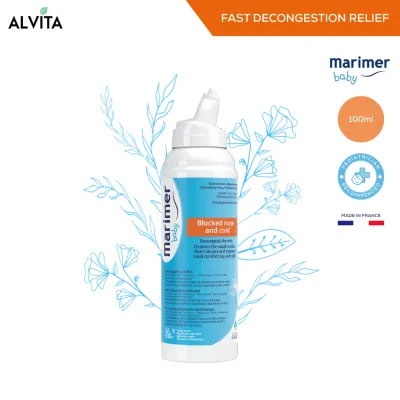
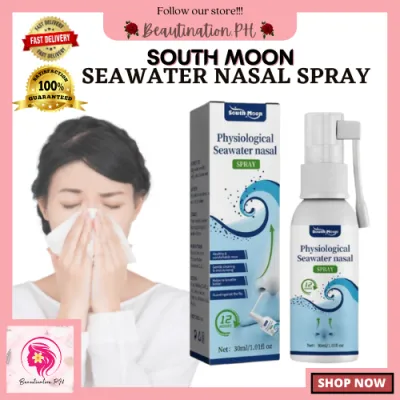
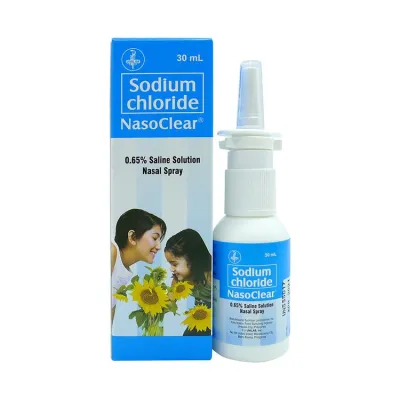
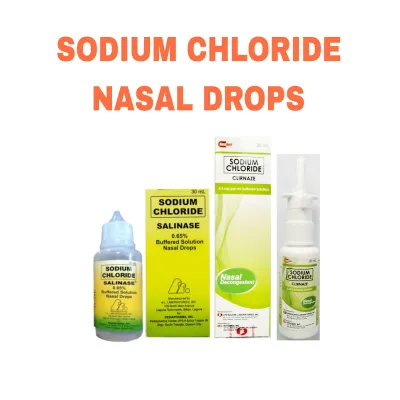
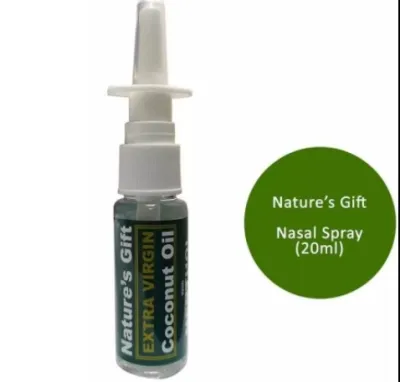
Prices are valid at publication and may change. Please refer to the product page for the latest price.
Before introducing any nasal product, parents must consider the baby’s age and developmental stage. For newborns and very young infants under six months, the nasal mucosa is exceptionally fragile and sensitive to pressure. Any liquid introduced into their nasal passages must be administered with extreme care to avoid triggering a laryngeal reflex, which can cause temporary breath-holding. Always verify the minimum age recommendation on the product packaging, as many sprays are only cleared for use after a certain number of weeks or months.
Essential Safety Criteria for Evaluating Infant Nasal Products
When shopping for an infant nasal spray, parents must look for specific safety indicators on the packaging rather than relying on brand names or marketing claims. The first criterion is the formulation type: it must be labeled as “isotonic.” An isotonic solution has the same salt concentration as natural bodily fluids, ensuring it cleanses the nasal passages gently without causing stinging, dryness, or irritation to the delicate mucous membranes.

Sterility is another non-negotiable factor for infant care. The product packaging must feature a secure, tamper-evident seal and a design that prevents back-flow or contamination of the remaining liquid. Multi-dose bottles often utilize specialized one-way valves or preservative-free sterile chambers to keep the solution clean over multiple uses, which parents should verify by reading the product’s technical specifications.
The physical design of the nozzle is critical for preventing physical injury. Infant-safe nasal sprays must feature a short, rounded nozzle with a wide base or a physical safety stop. This design prevents the tip from being inserted too deeply into the baby’s nostril, even if the baby makes a sudden movement during administration. Avoid any spray that has a long, sharp, or rigid tip designed for adult use.
Finally, parents must verify local regulatory approvals. In the Philippines, safe medical devices and health products are registered with the Food and Drug Administration (FDA). Look for an official registration number or certification mark on the box or bottle. This registration ensures the product has undergone quality control checks and meets local safety standards for distribution in licensed pharmacies and retail outlets.
Decoding the Ingredient Label: What is Safe and What to Avoid
A safe infant nasal spray should have an incredibly simple ingredient list. The primary active component must be purified water combined with sodium chloride (salt). Ideally, the product should contain no other additives, fragrances, or active chemicals, keeping the risk of allergic reactions or mucosal irritation as close to zero as possible.
Parents must actively scan the label for red-flag ingredients that are dangerous for infants. Medicated decongestants (such as oxymetazoline, xylometazoline, or phenylephrine) are strictly contraindicated for babies and young children due to the risk of severe systemic side effects, including rapid heart rate, sedation, and rebound congestion. Steroid nasal sprays are also prescription-only medications that must never be administered to an infant without direct, explicit instructions and dosage monitoring from a qualified pediatrician.
Preservatives are another critical consideration. While preservatives like benzalkonium chloride are common in adult nasal sprays to extend shelf life, they can irritate an infant’s sensitive nasal lining and damage the tiny hair-like cilia that naturally sweep mucus out of the nose. Additionally, avoid any products containing unverified herbal extracts, essential oils (such as eucalyptus or menthol), or home remedies, as these can trigger severe bronchospasms or allergic reactions in young babies.
To verify the salt concentration, check the percentage of sodium chloride listed on the label. An isotonic saline solution typically contains exactly 0.9% sodium chloride. Hypertonic solutions, which have a higher salt concentration (often around 1.5% to 2.2%), are sometimes used to draw out excess moisture in severe congestion, but they can be drying and should only be used under the direct guidance of a healthcare professional. For daily or routine clearing, stick strictly to the 0.9% isotonic standard.
Building Your Shortlist: How to Select and Verify Products
To build a safe shortlist of nasal spray options, parents should only purchase products from licensed physical pharmacies or the official, verified flagship stores of reputable distributors on major online marketplaces. Purchasing from unauthorized third-party sellers increases the risk of acquiring counterfeit, expired, or improperly stored products that could compromise your baby’s health.
Before finalizing any purchase, perform a physical inspection of the product. Check that the outer box is sealed, the batch number and expiration date are clearly printed and legible, and there are no signs of leaking or damage. If purchasing online, request the seller to provide photos of these details or verify them immediately upon delivery before opening the sterile inner packaging.
Parents can choose between two primary packaging formats: single-use saline vials (often called pipettes) and multi-dose spray bottles. Single-use vials are highly hygienic because they are opened, used once, and immediately discarded, completely eliminating the risk of bacterial growth over time. However, multi-dose pump bottles with built-in sterile valves can be more convenient and cost-effective in the long run, as they allow for multiple applications without generating plastic waste for every single dose. Evaluate your budget in ₱ and your daily usage needs to decide which format fits your lifestyle best.
Cross-reference any product you are considering with general pediatric guidelines. A safe infant product should explicitly state on the label that it is suitable for “newborns,” “infants,” or “babies from birth.” If a product label only mentions “children” or “adults,” exclude it from your shortlist immediately, as the nozzle design and pressure delivery system are likely unsafe for an infant’s tiny nasal passages.
Safe Application Techniques and Hygiene Practices
Administering a nasal spray to a squirming baby requires patience and proper technique to ensure safety and comfort. Begin by cradling your baby in a slightly upright or semi-reclined position on your lap, supporting their head firmly but gently. If the baby is highly active, you can gently wrap them in a light swaddle blanket to keep their arms secure and prevent sudden movements that could cause the nozzle to scrape the inside of the nose.
When inserting the nozzle, hold the bottle with your dominant hand and use your other hand to stabilize the baby’s chin. Insert only the very tip of the nozzle into the nostril, pointing it slightly outward toward the ear on the same side, rather than straight up or inward toward the nasal septum (the middle wall of the nose). Pointing the spray outward prevents irritation, bleeding, and discomfort. Administer the spray with a quick, gentle press according to the manufacturer’s instructions.
Hygiene is paramount to prevent introducing bacteria into your baby’s respiratory tract. After each use, wipe the nozzle clean with a sterile tissue or a clean cloth dampened with warm water, then allow it to air dry completely before replacing the protective cap. Never share a nasal spray bottle between multiple children, as this is a primary pathway for cross-contamination and spreading infections. Store the bottle in a cool, dry place away from direct sunlight, keeping it within the temperature range specified on the packaging.
If your pediatrician has recommended using a nasal aspirator (such as a manual bulb syringe or a gentle electric suction device), always apply the saline spray first. The saline solution requires a minute or two to soften and loosen dry, stubborn mucus. Once the mucus is liquefied, you can use the aspirator gently to draw out the loosened secretions. Never insert the aspirator tip deeply, and limit suctioning to a few times a day to avoid irritating the delicate nasal lining.
Red Flags: When to Stop Home Care and See a Pediatrician
While saline nasal sprays are excellent tools for managing mild, everyday stuffiness, they are not a cure for underlying medical conditions. Parents must monitor their baby closely and stop home care immediately if they observe any critical warning signs. Seek immediate medical attention if your baby develops a fever, exhibits persistent, inconsolable crying, or shows signs of respiratory distress, such as rapid breathing, flaring nostrils, or chest retractions (the skin pulling in tightly around the ribs).
Additionally, watch the color and consistency of the nasal discharge. While clear or slightly white mucus is normal, persistent thick green or yellow discharge accompanied by a foul odor or swelling around the eyes requires professional evaluation. Do not use over-the-counter saline sprays for more than a few consecutive days without consulting your pediatrician, as prolonged congestion can sometimes indicate an underlying allergy, infection, or anatomical issue that requires targeted medical treatment.
When preparing to visit or call your pediatrician, write down a quick log of your baby’s symptoms. Note when the congestion started, how it has affected their feeding and sleep patterns, and how many times a day you have administered the saline spray. Bring the physical nasal spray bottle or a clear photo of the ingredient label with you so the doctor can verify its exact composition and confirm if it remains appropriate for your baby’s ongoing care.
Frequently Asked Questions (FAQ)
Can I use adult saline nasal spray for my baby if I adjust the dose?
No, you must never use an adult saline nasal spray for a baby, even in a smaller amount. Adult nasal sprays are designed with much larger nozzles that can easily damage an infant’s tiny nasal passages, and the spray mechanism delivers the solution with a high pressure that can cause physical trauma or trigger a choking reflex in a baby. Furthermore, many adult formulations contain active decongestants, high concentrations of preservatives, or chemical additives that are highly toxic to infants. Always purchase products specifically labeled and designed for babies.
How many times a day is it safe to use saline spray on a newborn?
The safe frequency of use depends entirely on the specific product’s instructions, the baby’s age, and their individual health condition. Because saline sprays are non-medicated, they are generally safe for gentle use before feedings or bedtime to help clear the airway, but excessive use can still dry out or irritate the delicate nasal lining. Always read the manufacturer’s label carefully to check for specific daily limits, and consult your pediatrician to establish a personalized care plan tailored to your newborn’s needs.

Community discussion
Share your experience or ask a question. Comments are reviewed before publication.