
Welcoming a newborn brings a flurry of preparations, and choosing the right bedding is one of the most practical decisions you will make. A receiving blanket is often the very first fabric that touches your baby’s delicate skin, serving as a swaddle, a clean surface, and a comforting shield. To make a safe and practical choice, you must prioritize fabric breathability, safe dimensions, secure construction, and ease of cleaning.
In a warm and tropical climate like the Philippines, where humidity and high temperatures are constant factors, selecting the wrong material can quickly lead to heat rash or physical discomfort. Parents must look beyond cute patterns and focus on how a blanket performs under daily use and frequent washing. By evaluating key physical characteristics and safety labels, you can ensure your baby stays dry and comfortable.
Evaluating Fabric and Breathability for Sensitive Skin
Newborn skin is exceptionally thin and highly sensitive to friction, moisture, and temperature changes. When browsing options on an online marketplace or in a local boutique, the fabric composition should be your primary consideration. Cotton, muslin, and bamboo rayon are the most common materials available, each offering distinct characteristics for tropical environments.
Products mentioned in this guide
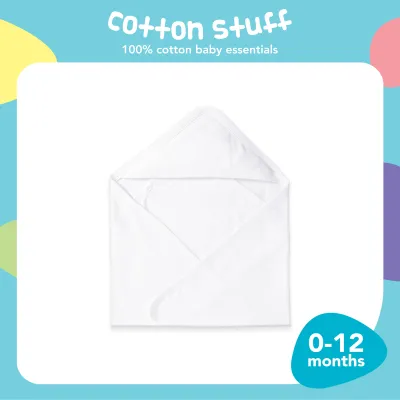
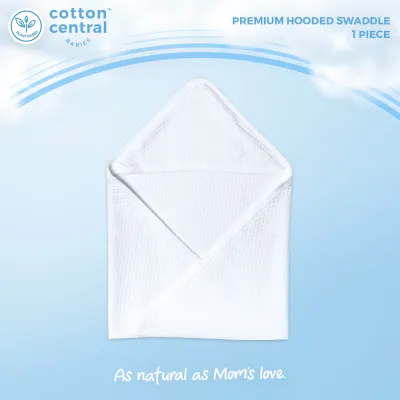
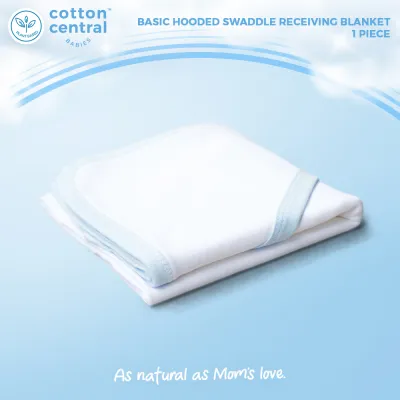
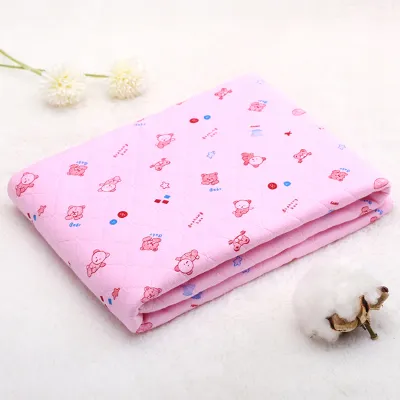
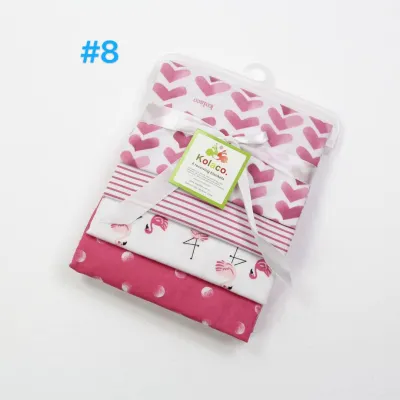
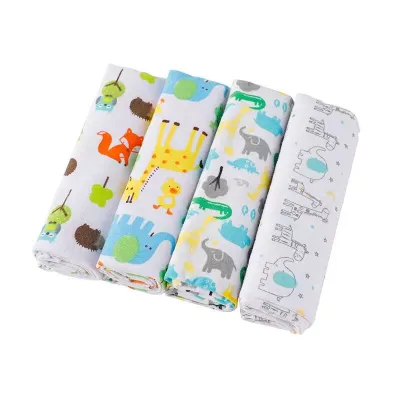
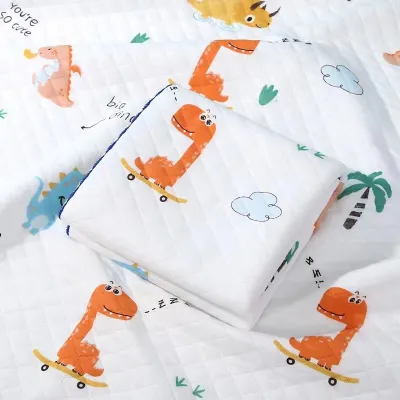
Prices are valid at publication and may change. Please refer to the product page for the latest price.
Pure cotton is a classic choice, valued for its durability, natural softness, and reliable structure. It provides a secure hold when swaddling, but parents should look for lightweight weaves to ensure it does not trap too much heat. Muslin, which is typically a loose-weave cotton, stands out as a highly breathable option. Its open weave allows air to circulate freely, making it effective at preventing overheating during warm afternoons.
Bamboo-derived fabrics offer a silky texture and excellent moisture-wicking properties. This material feels naturally cool to the touch, which can be highly soothing for a newborn resting in a non-air-conditioned room. However, bamboo blankets can sometimes be slippery, requiring a bit more care to wrap securely compared to the natural grip of cotton muslin.
Regardless of the material you choose, always inspect the product packaging and labels for skin-safety claims. Look for indicators of chemical-free processing or hypoallergenic certifications, which verify that the fabric has been tested for harmful substances. Because a newborn’s skin barrier is still developing, avoiding harsh dyes and chemical residues is crucial for preventing contact dermatitis and unexplained rashes.
Finally, assess the weight of the fabric by holding it up to the light. A tight, heavy weave might feel cozy in a cold climate, but in tropical conditions, it can trap sweat and lead to prickly heat. Opt for lightweight, single-layer blankets that offer a gentle barrier without adding unnecessary thermal insulation.
Checking Size and Safe Swaddling Dimensions
The physical dimensions of a receiving blanket directly impact both its utility and your baby’s safety. A blanket that is too small will quickly become useless as your newborn grows, while an excessively large blanket creates dangerous bulk. Most standard receiving blankets range from 30 by 30 inches to 40 by 40 inches, with square shapes generally being the easiest to fold and wrap.

When selecting a blanket specifically for swaddling, a slightly larger size—such as 36 by 36 inches or 40 by 40 inches—is often ideal. This provides enough fabric to tuck securely under the baby’s body, preventing the wrap from unraveling as they wiggle. However, avoid blankets larger than this for sleep spaces, as excess fabric can easily loosen and pose a serious suffocation hazard in the crib.
Safe sleep guidelines emphasize that any blanket used for swaddling must be wrapped snugly but not restrictively. The fabric must have a natural stretch or flexibility to allow your baby’s hips and knees to move freely. Pediatric health guidelines recommend that a baby’s legs should be able to bend up and out at the hips; tight, rigid swaddling that forces the legs straight can lead to hip dysplasia.
It is also vital to monitor your baby’s developmental milestones when using swaddle blankets. The moment your newborn shows any signs of attempting to roll over onto their stomach, you must stop swaddling immediately. At this stage, transition to a wearable blanket or sleep sack that keeps their arms free, ensuring they can use their upper body to adjust their position if they roll.
Inspecting Construction and Physical Safety Details
Before wrapping your newborn in any new blanket, a thorough physical inspection is necessary to eliminate hidden safety hazards. Manufacturing defects, loose threads, or decorative elements can quickly turn a simple piece of fabric into a choking or strangulation risk. Taking a few minutes to examine the construction details can prevent avoidable accidents.
Start by examining the stitching along the edges of the blanket. High-quality receiving blankets feature tight, even serged edges or double-folded hems that prevent the fabric from fraying. Loose threads can easily wrap around a newborn’s tiny fingers or toes, a condition known as a hair tourniquet, which can cut off circulation and cause severe injury.
Next, verify the strict absence of any small, detachable parts or decorative embellishments. Buttons, ribbons, tassels, sequins, and drawstrings may look charming, but they pose significant choking and strangulation hazards. A safe receiving blanket should be entirely flat and free of any elements that a baby could pull loose or get tangled in.
The durability of the edge binding is also a key safety factor. Because these blankets undergo constant pulling, stretching, and washing, poorly bound edges will quickly unravel. Look for reinforced corners and robust stitching that can withstand the mechanical stress of a washing machine without losing structural integrity.
Reviewing Care Instructions and Durability
Newborn items require frequent, heavy-duty cleaning due to inevitable spit-ups, diaper leaks, and sweat. Before purchasing, read the care labels carefully to ensure the blanket fits into your household’s laundry routine. Blankets that require delicate hand-washing or line-drying away from direct sunlight may become a burden during busy weeks.
Opt for blankets that are explicitly labeled as machine-washable and safe for tumble drying on low heat. High-quality cotton and muslin blankets generally become softer with each wash, which is ideal for sensitive skin. However, lower-grade fabrics may shrink excessively, pill, or lose their shape, making them difficult to fold or use for swaddling.
The choice of colors and patterns also plays a practical role in long-term durability. While pristine white blankets look clean and classic, they easily show stubborn yellow stains from breastmilk, formula, or diaper blowouts. Patterned blankets or soft pastel shades are often more forgiving, helping to mask minor discoloration that persists even after thorough sanitizing.
Assessing Versatility for Daily Baby Care
A high-quality receiving blanket is rarely used for just one task; its value lies in its versatility throughout the day. When you are out and about, a lightweight blanket can quickly adapt to changing environments. For instance, it can be draped over a stroller to act as a temporary sunshade, protecting your baby’s eyes from harsh glare while allowing air to circulate.
For mothers who prefer privacy while nursing in public spaces, a receiving blanket with a decent drape and moderate opacity can serve as an impromptu cover. It provides sufficient coverage without the bulk of a dedicated nursing shroud, keeping both mother and baby comfortable in warm weather.
Additionally, these blankets are highly suitable for creating a clean, familiar surface for tummy time or diaper changes when you are away from home. Because they fold down into a compact, lightweight square, they occupy minimal space in a diaper bag. Having two or three thin, versatile blankets packed in your bag ensures you are prepared for almost any daily scenario.
Frequently Asked Questions (FAQ)
How many receiving blankets do I actually need for a newborn?
The ideal number of receiving blankets depends heavily on your daily laundry schedule and how often your baby experiences spit-ups or diaper leaks. For households with daily washing access, a baseline of four to six blankets is usually sufficient to cover swaddling, burping, and outdoor use. If you wash clothes only once or twice a week, increasing that number to ten or twelve ensures you always have a clean, dry option on hand.
Can a receiving blanket be used safely for overnight sleep?
A receiving blanket should never be left loose in a crib or sleep space during overnight sleep, as loose bedding is a primary risk factor for infant suffocation. If you choose to swaddle your newborn for sleep, the blanket must be wrapped securely so it cannot come undone and cover the baby’s face. Once your baby shows signs of rolling over, you must stop swaddling entirely and transition to a safe, fitted sleep sack to keep their airway clear.

Community discussion
Share your experience or ask a question. Comments are reviewed before publication.