
Selecting a newborn baby portable bassinet for a compact Philippine home requires balancing spatial efficiency with safety, comfort, and ease of movement. In dense urban areas like Metro Manila, where condominiums and townhouses often feature limited square footage, every centimeter of floor space counts. By focusing on specific space-saving features—such as collapsible frames, lockable wheels, and integrated storage—you can create a functional, uncluttered sleeping environment for your baby.
How to Measure Your Room for a Compact Nursery Layout
Before you begin browsing local baby boutiques or online marketplaces, grab a physical measuring tape to map out your available space. In shared master bedrooms or compact nursery corners, guessing dimensions often leads to layout frustration. Start by measuring the exact floor area where you plan to place the bassinet, recording the length, width, and height clearance.
Ensure you account for the swing radius of nearby doors, wardrobe panels, and dresser drawers. A bassinet that seems to fit perfectly when the room is quiet can quickly block access to essential storage or prevent your bedroom door from opening fully. Keep a clear path of at least 60 to 90 centimeters around the sleeping area to allow for smooth, unobstructed walking paths.
Products mentioned in this guide


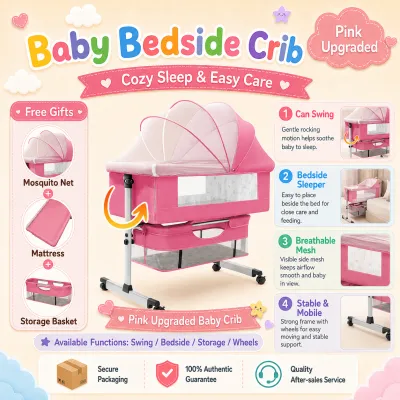

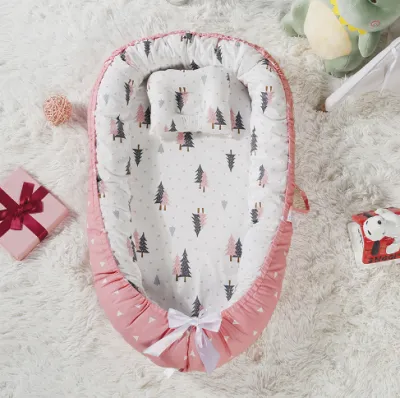
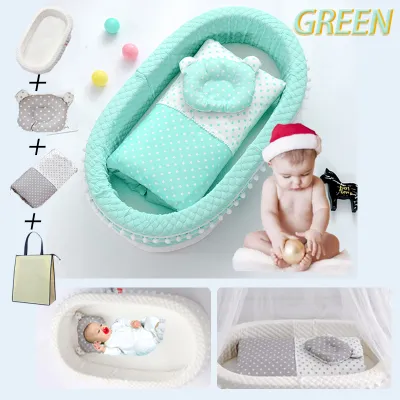
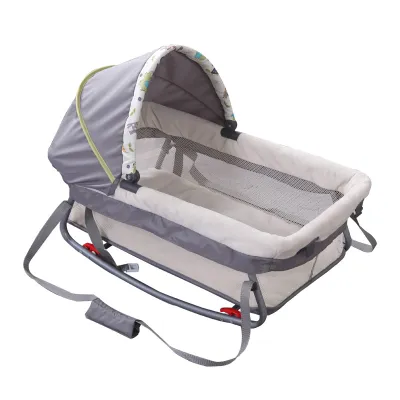
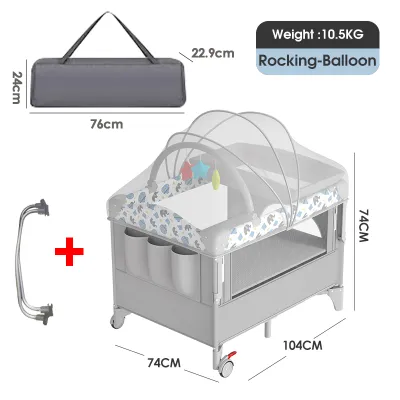
Prices are valid at publication and may change. Please refer to the product page for the latest price.
Transit routes are equally critical if you plan to move the bassinet throughout the day. Measure the narrowest points of your hallways, doorways, and any tight turns in your stairwells. A truly portable bassinet must be able to pass through these spaces easily without scraping your walls or requiring you to partially disassemble the frame each time.
Finally, prioritize safe caregiver access. You will need enough physical clearance to stand comfortably, bend over, and lift your baby out of the bassinet during late-night feedings and diaper changes. Insufficient clearance forces awkward lifting postures, which can lead to back strain or accidental bumps against nearby furniture.
Top Space-Saving Features in a Newborn Baby Portable Bassinet
- Foldable or Collapsible Frames: A newborn baby portable bassinet with a frame that folds flat is highly practical for small homes. When your baby is awake or when you need to clear the floor for daily cleaning, you can quickly collapse the structure and store it under a bed or behind a wardrobe. This feature is also invaluable for family travel, allowing you to pack the bed easily into a car trunk when visiting relatives in the provinces.
- Wheels with Locking Mechanisms: Mobility allows a single sleep space to serve multiple rooms, eliminating the need to purchase separate daytime and nighttime beds. Look for quiet, rubberized casters that glide smoothly over typical Philippine flooring, such as ceramic tiles or polished wood, without leaving scratches. Always verify that the wheels feature sturdy, independent locking mechanisms to keep the bassinet securely anchored once in position.
- Built-in Storage Solutions: When floor space is at a premium, adding extra diaper caddies or side tables can make a room feel incredibly cramped. Bassinets designed with deep under-bed storage baskets or fabric side pockets allow you to keep diapers, wipes, swaddles, and change clothes organized and close at hand. This integrated storage minimizes the need for extra furniture pieces in your nursery layout.
- Adjustable Height and Tilting: Choosing a model with adjustable height legs allows you to align the bassinet mattress with the top of your own bed. Some space-saving designs feature base frames that can slide partially underneath your bed frame, utilizing empty space and keeping the bassinet close without occupying extra floor width. Always refer to the manufacturer's instructions to confirm compatibility with your specific bed style.
- Breathable Mesh Sides: In the warm, humid climate of the Philippines, proper air circulation is essential for your baby's comfort and safety. Mesh side panels promote continuous airflow, helping to regulate temperature while your baby sleeps. From a spatial perspective, transparent mesh also reduces the visual bulk of the furniture, making a small bedroom feel significantly brighter and more spacious.
Coordinating Your Bassinet with a Changing Table and Nursery Furniture
Integrating a newborn baby portable bassinet into a small room requires a thoughtful layout that prioritizes workflow. Position the bassinet near your diaper changing table to establish a centralized care zone. This arrangement ensures that late-night transitions between sleeping and changing are swift, direct, and require minimal steps across the room.

To maximize your limited square footage, evaluate the physical footprint of your changing station. A standalone changing table can quickly dominate a small room and become redundant once your baby outgrows it. Consider a multi-functional alternative, such as a sturdy chest of drawers paired with a secure, removable changing topper, which provides ample clothing storage while serving as a safe diapering platform.
Ensure that the placement of your changing table does not infringe upon the clearance zone required for the bassinet. You must be able to stand comfortably at the changing station and access all diapering supplies without bumping into the sleeping area. Keep primary pathways open to prevent tripping hazards in the dark.
Aesthetic choices also play a significant role in how spacious a room feels. To minimize visual clutter, select a bassinet with a clean, minimalist frame and neutral fabric colors—such as soft grays, creams, or light wood finishes—that coordinate with your existing furniture. A cohesive color palette prevents the room from feeling chaotic and creates a calmer environment for both you and your baby.
Common Sizing and Clearance Mistakes to Avoid
- Ignoring "In-Use" Dimensions: Many parents look only at the static dimensions listed on the product packaging. If you choose a bassinet that features a manual rocking, gliding, or automatic swaying motion, you must account for the additional lateral clearance required for these movements. Placing a gliding bassinet too close to a wall or dresser can cause it to strike the surface, disrupting your baby's sleep and risking damage to the frame.
- Unsafe Proximity to Hazards: Squeezing a bassinet into a tight corner can inadvertently place your baby near hidden hazards. Keep the sleeping area far away from windows, direct sunlight, electrical outlets, and dangling cords from blinds or curtains. In Philippine homes, where stand fans, wall fans, or air-conditioning units are regularly used to manage tropical heat, ensure the bassinet is positioned away from direct, high-speed drafts and out of reach of any electrical appliances.
- Overestimating Usable Lifespan: It is tempting to buy a larger, heavier bassinet in the hope that it will last longer. However, bassinets are temporary sleeping solutions designed specifically for the first few months of life. Choosing an oversized model will crowd your living space unnecessarily, whereas a compact, lightweight model is much easier to manage during this brief developmental window.
- Failing to Check Folded Dimensions: Do not assume that a bassinet labeled "portable" will automatically fit into your storage spaces. Some models remain surprisingly bulky even when collapsed. Always check the manufacturer's folded specifications to ensure the unit can be stored easily inside your specific closets, under your bed frame, or within the trunk of your vehicle.
Frequently Asked Questions (FAQ)
Can a portable bassinet be safely placed on a bed or sofa?
No, a freestanding portable bassinet must never be placed on an elevated, soft, or unstable surface like a bed, sofa, or couch. Doing so poses a severe risk of the bassinet tipping over, or the baby suffocating if the unit shifts against soft cushions. Always place the bassinet on a firm, flat, and level floor. If you want to keep your baby close while sleeping in your bed, look for models specifically designed, tested, and certified by the manufacturer as secure bedside sleepers, and strictly follow their installation and attachment guidelines.
How long can a baby use a space-saving bassinet before needing a crib?
The transition from a space-saving bassinet to a crib depends primarily on your baby’s weight, length, and developmental milestones rather than a specific age. You must stop using the bassinet and transition your baby to a crib as soon as they reach the manufacturer’s specified weight or height limit, or when they begin to roll over, push up on their hands and knees, or sit up unassisted. Always consult your specific product manual for these limits, and monitor your baby closely during sleep.
Are bedside sleeper bassinets a good alternative for small rooms?
Bedside sleepers can be an excellent alternative for compact spaces because they attach directly to the side of your bed, eliminating the need for wide clearance on one side. However, you must carefully verify compatibility before purchasing. Check that the sleeper’s height aligns correctly with your adult mattress and that the secure attachment straps leave absolutely no gap between the two mattresses. Always refer to the manufacturer’s specific instructions to ensure your bed frame and mattress type are compatible and safe for secure attachment.

Community discussion
Share your experience or ask a question. Comments are reviewed before publication.