
When your newborn baby is congested, it can be a distressing experience. Because infants are obligate nasal breathers, naturally breathing primarily through their noses during their first few months, even minor mucus buildup can make feeding and sleeping difficult. Choosing a nasal aspirator for a newborn requires a careful balance of safety, gentle suction, and strict hygiene standards. Parents must look for features that protect delicate nasal tissues while ensuring the device can be thoroughly sanitized.
To make an informed decision, you need to evaluate how each device manages suction pressure, what materials contact your baby’s skin, and how easily the components can be cleaned. In tropical climates like the Philippines, where high humidity can accelerate mold and bacterial growth in damp spaces, the ease of sanitizing baby gear is critical. By focusing on newborn-specific design elements rather than general baby products, you can safely manage your infant’s congestion without risking irritation.
Understanding Your Newborn's Delicate Nasal Passages
A newborn’s nasal anatomy is highly delicate. Their nasal passages are incredibly narrow, and the mucous membranes lining them are sensitive and packed with tiny blood vessels. These tissues are highly susceptible to swelling, irritation, and minor bleeding if subjected to rough handling or excessive suction force.
Products mentioned in this guide
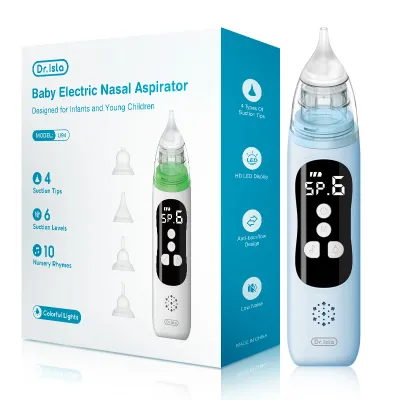
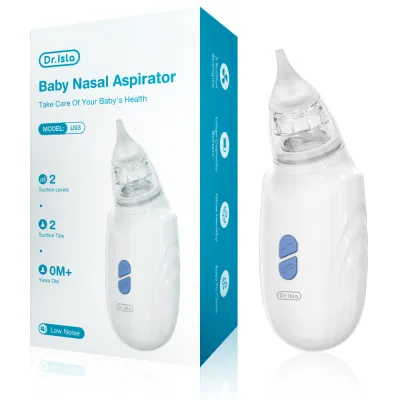
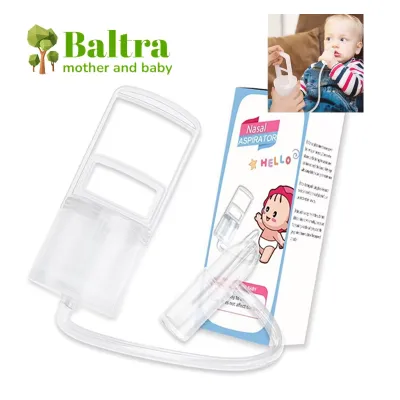
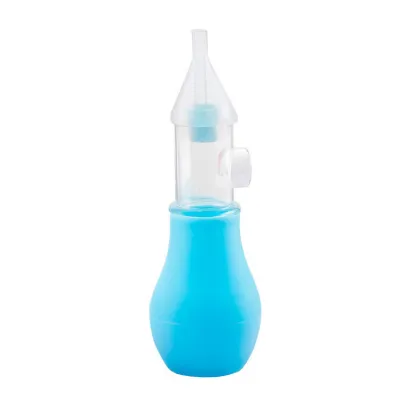
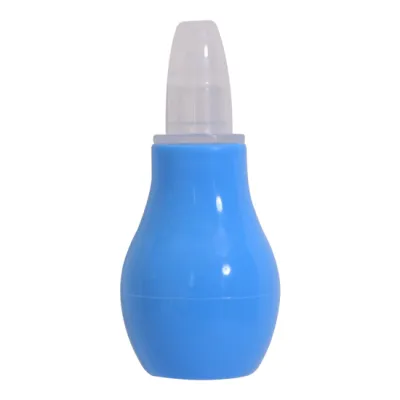
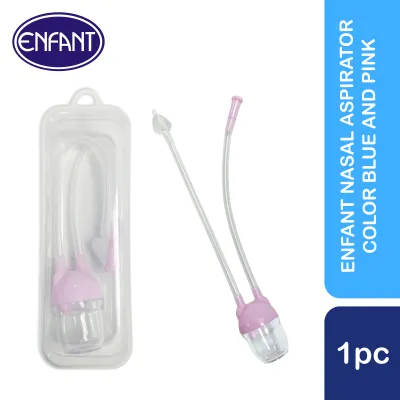
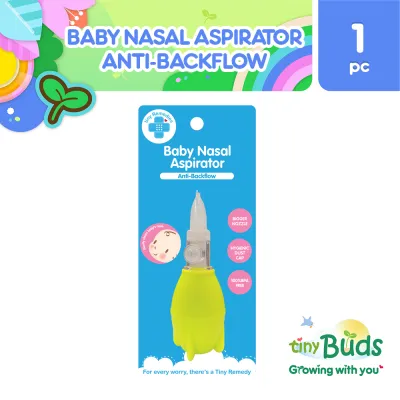
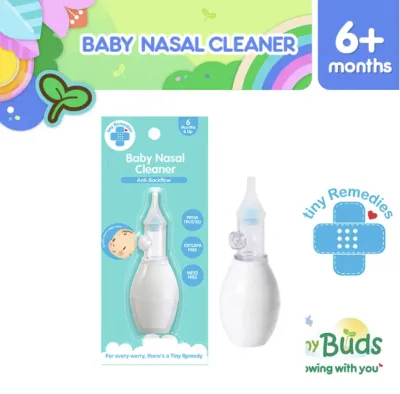
Prices are valid at publication and may change. Please refer to the product page for the latest price.
Using an inappropriate tool or applying too much pressure can quickly cause the nasal tissues to swell, which actually worsens the congestion. This is known as rebound congestion, where the body responds to irritation by producing more mucus and swelling the nasal lining. Therefore, any device used must be designed to minimize physical contact with the inner nasal walls and deliver only the gentlest suction.
It is also vital to remember that a nasal aspirator is a temporary relief tool rather than a medical cure. Its primary purpose is to clear enough surface mucus to help your baby feed comfortably or fall asleep. It is not designed to clear deep sinus congestion, and attempting to reach deep into the nasal cavity can cause severe trauma to the delicate nasal structures.
Essential Safety and Design Features to Verify
When shopping for a nasal aspirator, you will encounter a wide variety of designs, from simple manual bulbs to advanced electric devices. To protect your newborn, you must look past marketing claims and verify specific safety and design features on the product packaging or manufacturer documentation.

Evaluating a nasal aspirator involves looking at three main pillars: suction control, material safety, and hygiene maintenance. Every feature should be assessed through the lens of newborn safety, ensuring that the device is gentle enough for a baby who is only a few days or weeks old.
Before purchasing any model, always check the manufacturer’s age-appropriateness labels. Look for explicit indications such as “suitable from birth,” “0+ months,” or “newborn-safe.” If a product does not clearly state that it is safe for newborns, it may have a tip that is too large or a suction force that is too strong for an infant’s tiny nostrils.
Evaluating Suction Strength and Control
The most critical safety factor in any nasal aspirator is how the suction pressure is regulated and controlled. Fixed, high-pressure suction is highly dangerous for an infant, as it can pull against the delicate nasal lining, causing pain, bruising, or bleeding.
When evaluating manual oral aspirators, the caregiver controls the suction strength entirely through their own breath. This manual control is highly effective because it allows you to make micro-adjustments instantly based on your baby’s comfort and the resistance you feel. For electric models, look for devices that feature multiple adjustable suction levels, starting at a very low, gentle setting specifically calibrated for newborns.
Always check the manufacturer’s specifications for built-in pressure regulators or safety release valves. These safety mechanisms prevent the suction from exceeding safe limits, even if the device is accidentally set to a higher level. Before using any electric device on your baby, test the suction strength on your own inner wrist to ensure it feels gentle and non-irritating.
Checking Material Safety and Tip Design
The parts of the nasal aspirator that come into direct contact with your newborn’s nose must be made of safe, non-toxic, and incredibly soft materials. Look for products that explicitly state they are made from medical-grade silicone that is BPA-free, phthalate-free, and latex-free.
The design of the aspirator tip is just as important as the material itself. A newborn’s nostrils are tiny, so the tip must be small enough to create a gentle seal at the entrance of the nostril without actually penetrating deep inside. Look for tips with a bulbous or flared shape, which naturally prevents the tip from being inserted too far into the nasal passage.
The tip should be soft and flexible, allowing it to bend slightly if your baby wiggles or moves suddenly during use. Additionally, if you are choosing a manual oral aspirator, verify that the design includes built-in, replaceable hygiene filters. These filters act as a physical barrier to prevent mucus and bacteria from traveling up the tube toward the caregiver’s mouth, ensuring a sanitary process.
Assessing Cleaning and Hygiene Maintenance
A nasal aspirator that cannot be cleaned thoroughly is a significant health hazard. Mucus is a breeding ground for bacteria and mold, and if moisture is trapped inside the device, it can quickly become contaminated. This is especially true in the tropical climate of the Philippines, where high humidity levels make it easier for mold to grow in enclosed, damp spaces.
When selecting an aspirator, look for models that can be fully disassembled into individual, open components. Avoid sealed units or designs with long, narrow, non-removable internal tubing where mucus can accumulate out of sight. You should be able to see and reach every surface that comes into contact with mucus.
Check the manufacturer’s cleaning instructions to verify how the parts can be sanitized. Ideally, the silicone tips and collection chambers should be compatible with standard sterilization methods, such as boiling water, steam sterilizers, or top-rack dishwasher cycles. If a device cannot withstand high temperatures for sterilization, it may be difficult to keep truly hygienic for a newborn with a developing immune system.
Comparing Common Types of Nasal Aspirators
To find the right nasal aspirator for your family, it helps to understand the distinct categories available on the market. Each type has its own set of advantages, limitations, and maintenance requirements that you should weigh against your lifestyle and comfort level.
The traditional bulb syringe is the most common and low-cost option. These are simple rubber or silicone bulbs that create suction when squeezed and released. While they are highly portable and inexpensive, they have significant drawbacks for newborns. Most traditional bulb syringes are opaque and cannot be disassembled, making it impossible to see if mold is growing inside. Additionally, controlling the suction pressure on a bulb syringe is difficult, as it depends entirely on how quickly you release your grip, which can sometimes result in a sudden, harsh pull.
Manual oral aspirators, often called tube-based aspirators, are highly favored by pediatricians and parents alike. These devices consist of a soft silicone tip placed at the baby’s nostril, a collection chamber, a long flexible tube, and a mouthpiece for the caregiver. Because you use your own breath to create the suction, you have precise, real-time control over the pressure. These models are highly hygienic because they are designed to be fully disassembled, washed, and sterilized, and they utilize disposable filters to block the transfer of germs. The main trade-off is that some parents find the concept of oral suction unappealing, even though the physical filter makes any contact with mucus impossible.
Electric or battery-operated nasal aspirators offer a modern, automated solution. These devices provide consistent, continuous suction at the push of a button, allowing you to use one hand to stabilize your baby’s head while the other operates the device. When evaluating electric models, it is crucial to check the motor’s noise level, as a loud, buzzing motor can easily startle or terrify a newborn. You must also verify the availability and cost of replacement parts, such as silicone tips and internal seals, as well as the battery life or charging mechanism. Electric models are generally more expensive and require careful handling to ensure moisture does not enter the motor compartment.
Building Your Shortlist: A Pre-Purchase Checklist
When you are ready to browse online marketplaces or visit a local pharmacy in the Philippines, having a structured verification process will help you filter out unsuitable products. Use this step-by-step checklist to evaluate any nasal aspirator before making your purchase.
First, verify the age-appropriateness of the device. Ensure the packaging or product description explicitly states it is designed for newborns or infants aged 0+ months. Avoid generic “baby” aspirators that do not specify a minimum age, as their tips may be too large or rigid for a newborn’s tiny nostrils.
Second, cross-check all material safety and hygiene claims. Look for official certifications or clear labels indicating the product is BPA-free, latex-free, and made from medical-grade silicone. Check the cleaning instructions to confirm that the parts can be boiled or placed in a steam sterilizer, which is essential for maintaining newborn hygiene.
Third, read through user reviews and feedback, focusing specifically on practical daily use. Look for comments mentioning how easy or difficult the device is to clean, whether the motor noise of an electric model startles infants, and if the silicone tips are soft enough. Real-world feedback from other parents can reveal design flaws, such as hard-to-reach crevices, that are not apparent in product photos.
Fourth, confirm the local availability and ongoing cost of replacement parts. If you choose a manual oral aspirator, check how much replacement filters cost in Philippine Pesos (₱) and whether they are easily accessible online or in local baby stores. For electric models, ensure you can easily purchase replacement silicone tips, as these parts will wear out over time with frequent washing and sterilization.
Safe Usage Boundaries and When to Seek Help
Even the safest, high-quality nasal aspirator must be used with caution to avoid harming your newborn’s delicate nasal passages. Establishing clear usage boundaries will help you keep your baby comfortable while preventing accidental irritation.
Limit the use of the nasal aspirator to no more than three to four times a day, preferably right before feeding times or bedtime. Over-using the device can dry out the nasal passages and irritate the sensitive mucous membranes, leading to increased swelling and more congestion. To make the suction process gentler and more effective, always apply a drop or two of preservative-free saline drops into each nostril a few minutes before suctioning to help loosen dry or thick mucus.
Stop using the device immediately if you observe any signs of irritation or distress. These signs include minor bleeding or pink-tinged mucus, extreme crying or resistance from your baby, or if the nasal area appears red and swollen. If your baby shows intense discomfort, give them a break and try using saline drops alone to help clear the passages naturally.
Remember that home nasal suction is only meant for mild, temporary congestion caused by normal mucus buildup. You should consult a pediatrician immediately if your newborn exhibits signs of respiratory distress, such as rapid breathing, flaring nostrils, grunting, or the skin pulling in around their ribs (retractions). Additionally, seek professional medical care if the congestion is accompanied by a fever, difficulty feeding, extreme lethargy, or if the congestion does not improve after a few days.
Frequently Asked Questions (FAQ)
Can I use a nasal aspirator on my newborn every day?
Yes, you can use a nasal aspirator daily if your newborn is congested, but you must limit the frequency to avoid irritating their delicate nasal lining. It is generally recommended to use the device no more than three to four times a day, particularly before feedings and bedtime to help them breathe easier. Always use gentle saline drops beforehand to lubricate the nasal passages and loosen mucus, which reduces the amount of suction force required and protects the sensitive tissues from friction and swelling.
Are electric nasal aspirators safe for newborns?
Electric nasal aspirators are safe for newborns provided they are specifically designed for infants and feature adjustable, low-pressure suction settings. When using an electric model, always start on the lowest setting and use a soft, newborn-sized silicone tip that rests gently at the entrance of the nostril. It is also important to check the motor’s noise level before purchase, as loud or vibrating devices can frighten a newborn, making the clearing process more difficult and stressful for both parent and baby.
How do I know if the suction is too strong?
You can tell if the suction is too strong by observing your baby’s immediate physical reactions and the condition of their nasal tissues. If your newborn cries intensely, pulls away violently, or if you notice any pink-tinged mucus or minor bleeding, the suction pressure is too high or the tip is being inserted too deeply. To ensure safety, always test the suction strength of any manual or electric device on your inner wrist first; it should feel like a gentle, non-painful tug rather than a sharp or pinching pull.

Community discussion
Share your experience or ask a question. Comments are reviewed before publication.