
Transitioning your baby to solid foods is an exciting milestone, but it also changes how you manage their milk intake. During the weaning stage, babies shift from exclusive, high-volume milk feeds to a mixed diet of solids and smaller, complementary formula portions. Finding the right formula milk dispenser for this transition in the Philippines requires looking beyond basic storage. The ideal solution must accommodate smaller, adjustable portions, withstand high tropical humidity, and fit seamlessly into your changing daily routine. By focusing on portion accuracy, material safety, and ease of cleaning, you can select a dispenser that simplifies feeding times while keeping your baby’s milk safe and fresh. This guide outlines how to evaluate the available options to find the most practical fit for your family’s weaning journey.
How Weaning Changes Your Formula Dispensing Needs
Weaning marks a significant shift in your baby’s nutritional journey. In the first few months of life, formula feeding is highly predictable, usually consisting of large, consistent volumes at regular intervals. Once you introduce solid foods—typically around six months of age, depending on your baby’s developmental readiness—their milk consumption patterns naturally begin to change. Instead of drinking full bottles as their sole source of nutrition, babies start taking smaller, more frequent, or highly variable formula portions to complement their new solid meals.
This transition directly impacts how you store and prepare formula. A rigid dispensing system designed only for large, fixed volumes can lead to significant formula waste during weaning. Parents need a solution that allows for flexible, smaller measurements to match these reduced feeding volumes. Whether you are preparing a quick two-ounce top-up after a puree meal or mixing a full bottle before bedtime, your dispensing method must adapt to these changing amounts.
Products mentioned in this guide
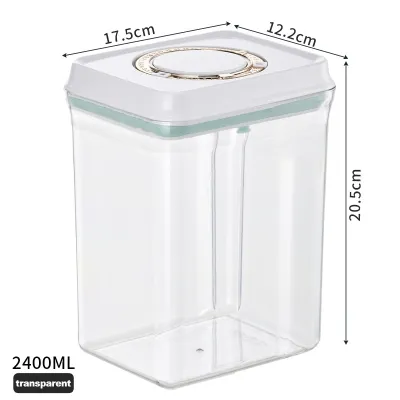
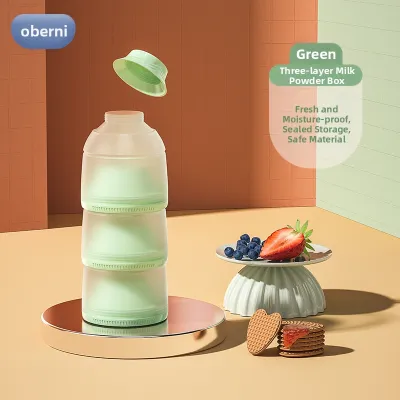
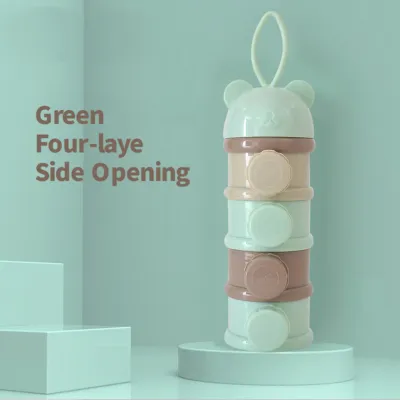
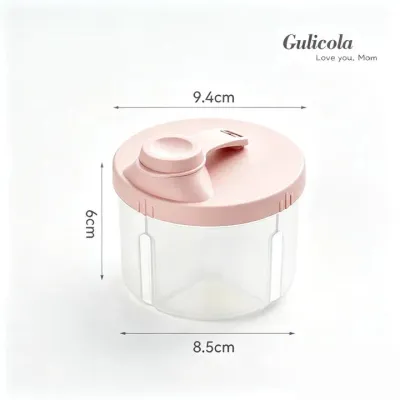
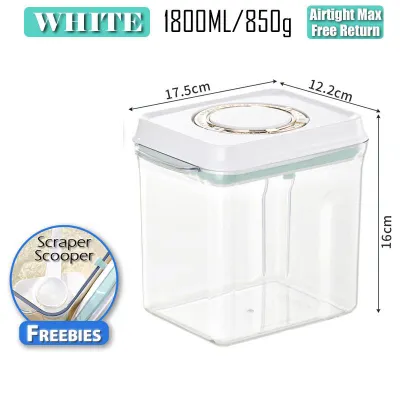
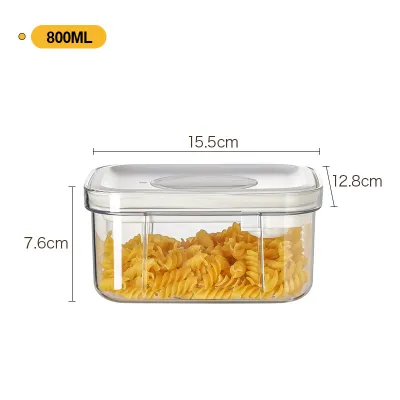
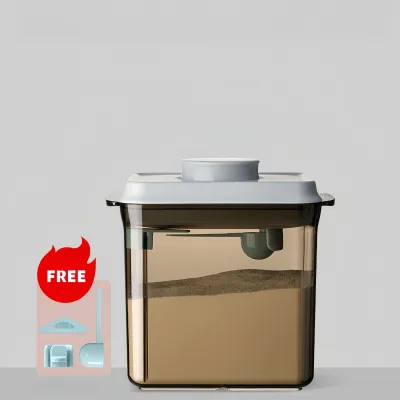
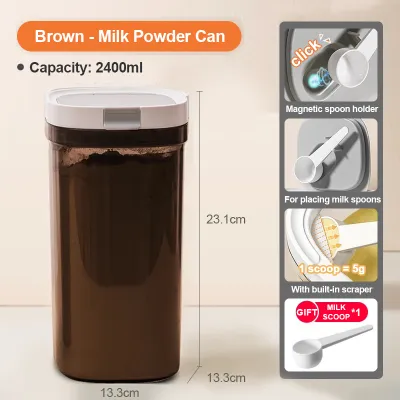
Prices are valid at publication and may change. Please refer to the product page for the latest price.
Portability also becomes a major priority during the weaning phase. As your baby grows more active, family outings, trips to the park, or visits to relatives in the Philippines become more frequent. Packing for these trips means carrying a mix of solid food containers, spoons, bibs, and formula supplies. A compact, reliable formula milk dispenser helps streamline your diaper bag, eliminating the need to carry bulky formula tins while ensuring you have pre-measured portions ready whenever your baby needs a quick feed.
Essential Features to Check in a Formula Milk Dispenser
When evaluating different formula milk dispensers on the market, focusing on specific design features will help you choose a model that is safe, reliable, and easy to use daily.

Portion accuracy and adjustability are critical for weaning-stage babies. Because weaning-stage milk volumes are often smaller, the dispenser must be capable of measuring or holding precise, reduced amounts of powder. Look for models that allow you to isolate individual portions clearly, ensuring that no excess powder is left behind in the container when pouring, which could alter the nutritional concentration of the feed.
Material safety is another non-negotiable factor. Because these containers hold dry powder that is highly sensitive to chemical leaching and contamination, you must verify the materials used. Check the manufacturer’s labels and product documentation to ensure the dispenser is made from food-grade, BPA-free plastics. Look for certifications from recognized food safety authorities to confirm the material is safe for long-term food storage under warm, tropical conditions.
Ease of disassembly and cleaning is vital for preventing bacterial growth. Formula powder contains fats and proteins that can easily stick to plastic surfaces, especially in tight corners, seals, or dispensing funnels. Choose a dispenser that can be completely taken apart, leaving no hidden crevices or unreachable areas. If a dispenser is difficult to clean, residual powder can attract moisture, leading to mold or bacterial contamination that could compromise your baby’s health.
Finally, consider the reliability of the dispensing mechanism. The design should allow the powder to flow smoothly into the bottle without clumping or jamming. Different formula brands have unique powder densities and textures; some are fine and free-flowing, while others are slightly oily and prone to sticking. A well-designed dispenser minimizes friction, ensuring that the entire pre-measured amount transfers cleanly into the bottle every time.
Common Dispenser Types and Their Fit for Weaning
Formula dispensers generally fall into three main categories, each offering distinct advantages and trade-offs for parents navigating the weaning stage.
Stackable tower dispensers feature individual compartments that screw together to form a single, vertical column with a pouring spout at the top. This design is highly practical for pre-portioning multiple smaller feeds for a day out. You can dedicate each level to a specific, pre-measured weaning portion. The main drawback is their physical size, as a three- or four-tier tower can take up significant vertical space in a diaper bag. Additionally, unscrewing and reassembling the tiers while managing a hungry baby can sometimes be cumbersome.
Single-container pour dispensers are compact, rounded containers divided into three or four internal compartments, featuring a rotating lid with a single opening. To use, you simply rotate the lid to align the spout with the desired compartment. This type is exceptionally space-efficient and ideal for quick, on-the-go mixing. However, because the compartments are fixed in size, they offer less flexibility if you need to adjust scoop sizes or mix highly variable volumes on the fly.
Automated or smart dispensers are electronic countertop appliances that heat water and mix formula automatically at the press of a button. While these machines offer incredible convenience, especially for late-night feeds, they require a permanent spot on your kitchen counter and a constant power source. They also demand rigorous, regular cleaning of their internal mixing funnels to prevent powder buildup. For a weaning baby who is drinking fewer bottles each day, the daily maintenance and deep-cleaning requirements of an automated appliance might outweigh the convenience it provides.
Building Your Shortlist: An Evaluation Checklist
To find the right dispenser among the options available in local baby stores and online marketplaces, follow this practical step-by-step evaluation process.
Step 1: Measure your typical weaning-stage formula volume and daily feeding frequency. Keep a simple log for a few days to see exactly how many ounces of formula your baby consumes per feed. This will help you decide whether a compact three-compartment container is sufficient or if you require a larger multi-tier system.
Step 2: Verify product specifications against your chosen bottle neck sizes and formula scoop dimensions. Ensure the dispenser’s pouring spout is narrow enough to fit cleanly inside your baby’s bottles without spilling powder, yet wide enough to prevent the powder from bridging or clogging during the pour.
Step 3: Cross-reference user manuals for specific cleaning requirements and replacement part availability. Check if the dispenser is compatible with your home sterilization method, whether that involves steam, boiling water, or UV sterilizers. Some plastics can warp or degrade when exposed to high temperatures, so verifying heat resistance is essential.
Step 4: Check return policies, warranty terms, and authorized retailer credentials before purchasing. When shopping on local ecommerce platforms, always buy from official brand stores or authorized distributors to ensure you receive a genuine, safe product and have access to customer support if you encounter any manufacturing defects. With high-quality formula often costing upwards of ₱1,000 per tin, minimizing waste is a practical way to manage your household budget.
Cleaning, Safety, and Maintenance Checks
Maintaining strict hygiene is essential when using any formula dispenser, as babies’ immune systems are still developing during the weaning stage.
Always establish daily and weekly cleaning routines based strictly on the manufacturer’s instructions. Wash all components thoroughly in warm, soapy water, rinse them completely, and allow them to air dry in a clean, well-ventilated area. It is absolutely critical that every part of the dispenser is completely dry before you add formula powder. Even a single microscopic droplet of moisture can cause the powder to clump, spoil, or harbor harmful bacteria.
Perform regular visual inspections of the dispenser’s components. Check the silicone seals, hinges, and joints for any signs of wear, cracking, or discoloration. Inspect the plastic surfaces for deep scratches, as these tiny grooves can trap formula residue and become breeding grounds for bacteria that standard washing cannot reach.
If you observe any cracks, warping, persistent odors, or mold growth that cannot be removed, stop using the dispenser immediately. Consult the manufacturer for replacement parts or replace the entire unit. If your baby experiences any unusual digestive issues, temporarily stop using the dispenser, prepare feeds directly from the original formula tin using sterilized utensils, and consult a pediatrician for professional guidance.
Frequently Asked Questions (FAQ)
Can I use the same formula dispenser for baby cereal or purees?
No, formula dispensers are designed specifically for dry, finely milled infant formula powder. Using them to store or dispense baby cereal, powdered purees, or other thick weaning foods is not recommended. These thicker substances have different densities and moisture levels, which can easily clog the pouring spouts, jam the rotating lids, or cause motor strain in automated models. Additionally, thick residues are much harder to clean completely, significantly increasing the risk of bacterial contamination. Always consult your product’s manual for approved uses.
How do I prevent formula from clumping in the dispenser during humid weather?
The tropical climate and high humidity in the Philippines can quickly cause formula powder to clump inside a dispenser. To prevent this, ensure that all parts of the dispenser are entirely dry before filling them with powder. Keep the dispenser tightly sealed when not in use, and store it in a cool, dry pantry away from direct sunlight, stovetops, or steam from sterilizers. Always inspect the texture of the powder before mixing a bottle; if you notice hard clumps, dampness, or an unusual odor, discard the compromised formula immediately to ensure your baby’s safety.

Community discussion
Share your experience or ask a question. Comments are reviewed before publication.