
Preparing for childbirth involves managing both excitement and logistical details. When packing for the hospital, your choice of bag plays a vital role in how smoothly your stay begins. A dedicated baby bag for hospital delivery must serve as a mobile command center, keeping newborn essentials and maternal recovery items organized in a compact, sterile, and often crowded clinical environment. Selecting a bag with the right features ensures you can access what you need instantly, allowing you to focus entirely on your recovery and your new baby.
Understanding Your Hospital Stay Requirements
A typical hospital stay for childbirth in the Philippines ranges from 24 to 48 hours for an uncomplicated vaginal delivery, extending to three or more days for a cesarean section. This duration dictates the volume of items you must bring, requiring a bag that offers substantial capacity without becoming overly bulky. Hospital rooms, whether private suites or shared wards, often have limited space, meaning your bag will likely sit on a small bedside table, a chair, or even the floor. A bag with a compact footprint and structured sides prevents it from collapsing or taking up excessive room. Furthermore, during active labor and the immediate postpartum period, your physical mobility will be limited. Having a bag that allows your partner or support person to locate specific items instantly—without emptying the entire contents onto a hospital bed—is essential for maintaining a calm, organized environment.
Evaluating Compartments and Organization
Effective organization in a baby bag for hospital delivery relies on clear, physical separation between maternal care items and newborn essentials. During the first few days, you will need quick access to postpartum pads, nursing wear, and personal toiletries, which should not mingle with the baby’s sterile swaddles, tiny mittens, and first outfits. Look for a bag that features distinct, dedicated zones or dual-compartment layouts to prevent cross-contamination and eliminate confusion during hectic moments.
Products mentioned in this guide
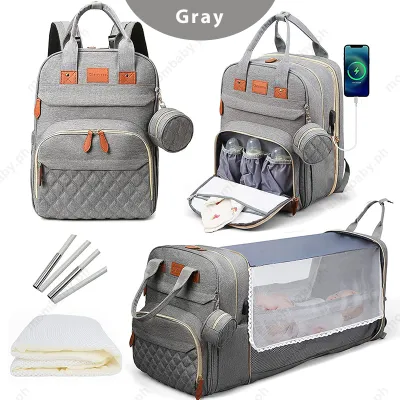
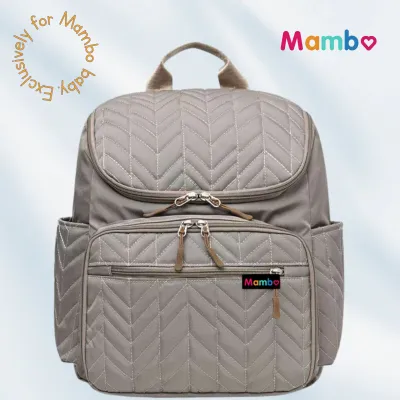
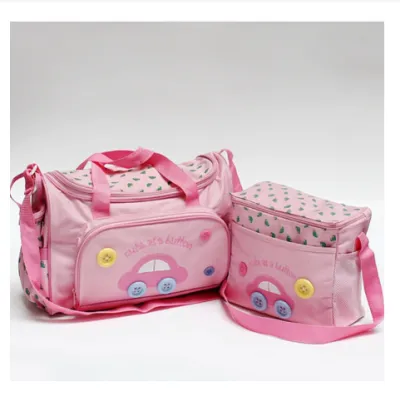
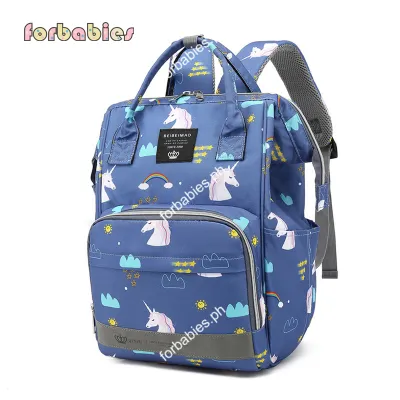
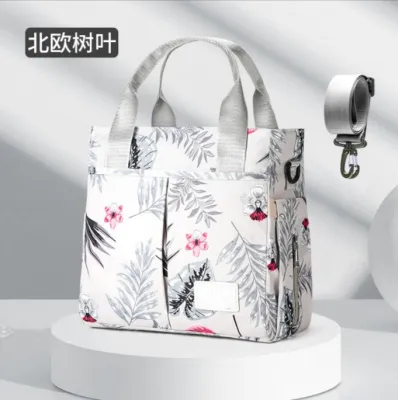
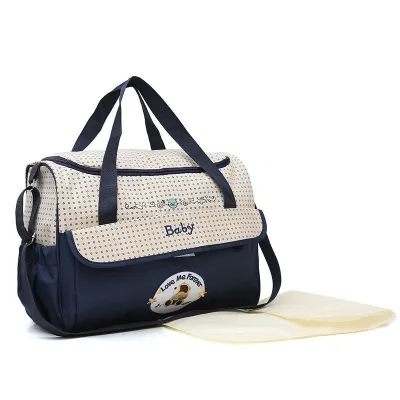
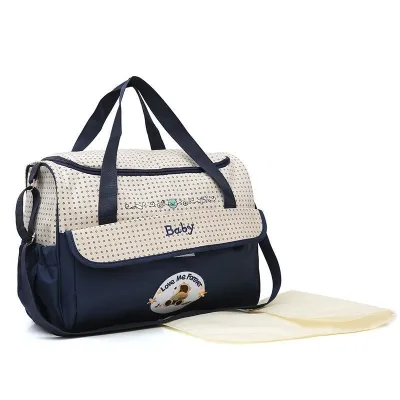
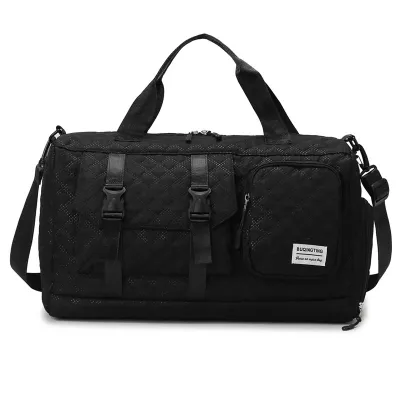
Prices are valid at publication and may change. Please refer to the product page for the latest price.

Exterior pockets are equally critical for items you must retrieve without opening the main compartment. You will need immediate access to hospital admission documents, PhilHealth forms, doctor’s orders, identification cards, and your birth plan. Zippered outer pockets keep these documents flat, dry, and ready for the admissions desk. Additionally, quick-access slots for your phone, wallet, and light snacks ensure you or your partner do not have to rummage through baby clothes to find personal necessities.
Many specialized diaper bags also include insulated pockets. While these are highly useful for keeping expressed breast milk cool or warm water for formula preparation at a stable temperature, it is important to verify the manufacturer’s specific temperature retention limits. These pockets are designed for short-term transport rather than long-term storage, so understanding their insulation capabilities helps you plan safely, especially in a warm, tropical climate where ambient temperatures can accelerate spoilage.
Choosing Materials for Hygiene and Durability
The clinical environment of a hospital demands high standards of cleanliness, making the material of your diaper bag a primary consideration. Interior linings should ideally be water-resistant, leak-proof, and completely wipeable. Spills from water bottles, leaks from baby oil or liquid ointments, and damp clothing are common during a hospital stay. A lining that can be cleaned instantly with a damp cloth or a gentle sanitizing wipe prevents odors and stops moisture from seeping into other compartments.
For the exterior, choose durable fabrics that resist stains and can withstand being wiped down with standard hospital-safe disinfectant wipes. Materials like high-density nylon, treated polyester, or vegan leather are excellent choices because they do not absorb moisture or harbor dust easily. In humid tropical climates, breathable yet water-resistant exterior fabrics also help prevent the buildup of musty odors during storage or travel.
Pay close attention to the bottom of the bag. Because hospital surfaces are sanitized frequently, your bag may occasionally need to sit on the floor or other high-traffic surfaces. A bag equipped with protective metal or rubber feet, or a reinforced, waterproof base, keeps the fabric elevated and clean. This simple design feature prevents the transfer of floor-bound dirt and germs to your bed or bedside table, maintaining a hygienic environment for your newborn.
Assessing Accessibility and Carrying Comfort
When you are navigating hospital corridors, checking in at the admissions desk, or resting in a recovery bed, how you access and carry your bag directly impacts your comfort. A wide-opening design, such as a structured doctor-bag style or a full clamshell zipper that opens flat, is highly advantageous. This style allows you to see the entire contents of the bag at a single glance, enabling one-handed retrieval of a swaddle or a wipe while you hold your baby with the other arm.
Carrying options should be versatile and ergonomically designed to distribute weight evenly. Look for wide, padded shoulder straps that reduce strain on your shoulders, especially if you are recovering from a cesarean section and need to avoid heavy lifting or awkward posture. Sturdy top grab handles are essential for quick transfers from the car to the wheelchair or hospital bed. If the bag includes stroller straps or clips, verify the manufacturer’s weight limits and safety instructions to ensure they can securely support a fully packed bag without tipping.
The base weight of the empty bag is another factor that is easily overlooked. Some heavy-duty bags constructed from thick canvas or heavy faux leather can weigh over a kilogram before you even begin packing. Choosing a lightweight yet durable synthetic material ensures that the bulk of the carrying weight comes from your actual essentials, preserving your energy and comfort during a physically demanding time.
Testing the Layout With a Packing Strategy
Once you have selected a bag, testing its layout with a realistic packing strategy is the best way to verify its practical capacity. Begin by grouping your maternal comfort and postpartum recovery items into one primary section. This includes comfortable nursing bras, loose-fitting clothes, non-slip socks, and personal toiletries. Placing these items in an easily reachable zone ensures you can refresh yourself post-delivery without disturbing the baby’s neatly packed belongings.
Next, allocate a dedicated, protected area for your newborn’s essentials. This zone should hold the baby’s going-home outfit, receiving blankets, swaddles, newborn diapers, and gentle baby wipes. Keeping these items separate protects them from friction and potential spills from your personal toiletries. It also makes it simple to hand the entire baby section over to a nurse or partner when it is time for the baby’s first bath or dressing.
Finally, secure your critical documents and valuables in secure, zippered interior pockets. Keep your marriage certificate, medical records, insurance cards, and cash or cards for hospital fees in a designated, hidden compartment. This keeps sensitive items safe from accidental loss when you are opening the bag frequently to retrieve clothes or snacks, giving you peace of mind throughout your stay.
Ensuring Cross-Scenario Compatibility for Daily Use
While your immediate focus is the hospital delivery, a high-quality diaper bag represents a long-term investment that should transition seamlessly into daily life. Evaluate whether the bag’s size and profile will remain practical for short daily errands, grocery trips, and regular pediatrician visits once you return home. A bag that is excessively large or heavy may become cumbersome for quick outings, whereas a well-proportioned bag will continue to serve you well for years.
Consider the aesthetic design of the bag as well. Neutral colors, classic patterns, and streamlined shapes allow the bag to blend into various social and professional settings, making it versatile enough for both parents to carry comfortably. A design that does not look overtly like a baby bag can even double as a travel bag or work backpack later on.
Lastly, check the durability of the zippers, seams, and included accessories. Many quality diaper bags come with a matching, wipeable changing pad, which is invaluable for hygienic diaper changes in public restrooms or in the car. While a high-quality bag may require an initial investment of ₱1,500 to ₱4,000, its long-term utility and the inclusion of these essential accessories make it a highly practical choice for your growing family.
Frequently Asked Questions (FAQ)
Can I use a regular backpack instead of a dedicated diaper bag for the hospital?
Yes, you can use a standard backpack, but it may lack the specialized features that make a dedicated diaper bag highly practical. Standard backpacks typically feature one or two large compartments where items easily sink to the bottom, requiring you to unpack almost everything to find a single item. They also rarely include water-resistant interior linings or dedicated insulated pockets, making them harder to clean in the event of a spill. A dedicated diaper bag offers structured organization, specialized pockets, and wipeable materials designed specifically to handle baby gear and maintain hygiene in a clinical setting.
How early should I pack my hospital diaper bag?
It is generally recommended to have your hospital diaper bag packed and ready by your 35th or 36th week of pregnancy. This timeline ensures you are prepared in case of an early delivery or an unexpected hospital visit. If you have been advised of a high-risk pregnancy, are expecting multiples, or have a scheduled cesarean delivery, you may want to pack even earlier, around the 32nd to 34th week. Keep a checklist attached to the bag for last-minute items that cannot be packed in advance, such as your phone charger, wallet, and fresh toiletries, so you can grab them quickly when it is time to leave.

Community discussion
Share your experience or ask a question. Comments are reviewed before publication.