
Preparing baby milk at the correct temperature while maintaining strict hygiene standards is a daily priority for parents in the Philippines. With the country’s tropical climate and high relative humidity, open surfaces can quickly become breeding grounds for bacteria and mold if feeding equipment is not properly sanitized and dried. Managing separate appliances for warming expressed breast milk or formula and sterilizing bottles can quickly overwhelm limited kitchen counter space. A combined bottle warmer and sterilizer offers a practical, space-saving solution that streamlines your feeding routine into a single, efficient workstation.
Choosing the right multi-functional appliance requires a clear understanding of how different heating mechanisms affect milk quality and how various sterilization methods interact with your baby’s bottles. By consolidating these tasks, you can reduce kitchen clutter, simplify your daily cleanup, and ensure that every feed is both safe and nutritionally intact. This guide will walk you through the essential technical features, safety considerations, and maintenance routines necessary to select and operate a combo unit that fits your household’s specific needs.
Why Combine Warming and Sterilizing in One Unit?
In many Filipino households, kitchen space is at a premium, especially in modern condominiums or shared family homes. Setting up a dedicated nursery station often means negotiating for every square inch of counter space. A 2-in-1 bottle warmer and sterilizer eliminates the need to purchase, plug in, and store two bulky, independent appliances. By combining these essential functions into a single footprint, you free up valuable preparation areas for mixing formula, organizing bottles, and managing other daily kitchen tasks.
Products mentioned in this guide
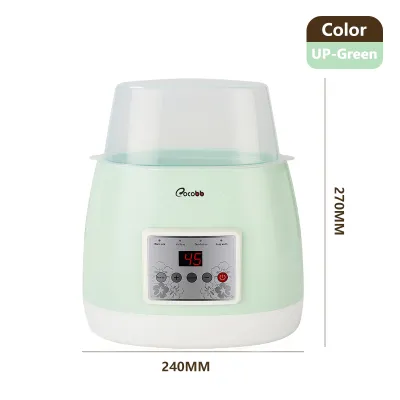
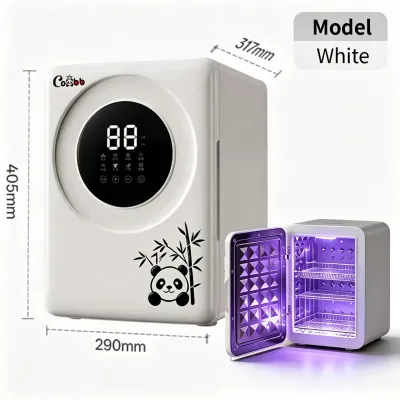
Prices are valid at publication and may change. Please refer to the product page for the latest price.
Beyond physical space, a combined unit significantly improves the workflow of infant feeding. During late-night or early-morning feedings, when time is of the essence and sleep deprivation is high, having a single station to handle both sanitization and warming minimizes steps. You can quickly sterilize a pacifier or a bottle collar and immediately transition to warming a bottle of breast milk or water without moving across the kitchen. This centralized setup reduces the cognitive load on tired parents and caregivers, making the entire feeding process more predictable and manageable.
Electrical safety and cord management are also major benefits of consolidating your baby appliances. Kitchens and nurseries can quickly become hazardous when overloaded with power strips and tangled cords, particularly around sink areas where water exposure is a constant risk. Operating a single, high-quality multi-purpose appliance reduces the load on your electrical outlets and simplifies cord routing. This minimizes the risk of accidental trips or spills, creating a safer environment for both the caregiver and the baby.
Finally, maintaining a single appliance is inherently less time-consuming than caring for two. Every appliance that handles water requires regular cleaning, descaling, and drying to prevent mold and mineral buildup. By choosing a combo unit, you halve the amount of time spent scrubbing heating plates, washing reservoirs, and managing spare parts. This efficiency allows you to spend less time on kitchen chores and more time focusing on your baby’s development and your own rest.
Essential Features to Compare Before Buying
When evaluating different combo units on local online marketplaces, the sterilization method is one of the first technical specifications to consider. Most combined warmers utilize steam sterilization, which uses a small amount of water heated to boiling point to create high-temperature vapor. Steam is highly effective at penetrating the small crevices of nipples, collars, and anti-colic valves. Some premium standalone units use ultraviolet (UV) light for sterilization, but in compact 2-in-1 appliances, steam remains the standard due to its rapid action and simple mechanical design.

The warming mechanism is equally critical, as it directly impacts how evenly and safely your baby’s milk is heated. Water bath warming is the gentler option; it circulates warm water around the bottle to gradually raise the temperature of the milk. This method is highly recommended for expressed breast milk because it prevents localized overheating, preserving delicate proteins and antibodies. In contrast, steam warming uses rapid steam bursts to heat the bottle quickly. While steam warming is faster, it requires precise calibration to avoid creating hot spots that could scald your baby’s mouth.
Capacity constraints dictate how well the appliance will integrate into your daily routine. Single-bottle warmers are highly compact and excellent for small spaces or travel, but they require you to warm or sterilize items one at a time. Double-bottle warmers feature a wider chamber that can accommodate two bottles simultaneously, or a bottle alongside a cup of water. This is particularly useful for parents of twins or those who want to keep warm water ready for formula mixing while sterilizing a pacifier in the same unit. Always check the internal dimensions to ensure the chamber can accommodate wide-neck bottles or silicone breast milk storage bags.
Smart features and safety controls elevate the usability of a combo warmer. Look for units equipped with an automatic shutoff feature, which cuts power to the heating element as soon as the water reservoir runs dry. Digital timers and LED displays allow you to monitor the remaining warming or sterilization time at a glance, removing the guesswork from the process. Adjustable keep-warm settings are also highly convenient, allowing you to maintain water at a precise temperature for extended periods so that it is ready for immediate formula preparation when your baby wakes.
Safety, Compatibility, and Milk Quality Checks
Before purchasing a combined warmer and sterilizer, it is vital to verify that your existing baby bottles are compatible with the appliance’s heating and sterilization temperatures. Baby bottles are manufactured from a variety of materials, including borosilicate glass, polypropylene (PP), polyphenylene sulfone (PPSU), and food-grade silicone. While glass and PPSU can withstand extremely high temperatures without issue, lower-grade PP plastics may degrade or warp if subjected to prolonged, intense steam sterilization. Always check the manufacturer labels on both your bottles and the warmer to ensure compatibility and prevent chemical leaching.
Preserving the nutritional integrity of breast milk requires strict temperature management. Breast milk contains live enzymes, immunoglobulins, and essential nutrients that begin to break down when exposed to temperatures above 40°C. When selecting a warmer, ensure it features a dedicated, low-temperature setting specifically calibrated for breast milk. Avoid using rapid steam-warming settings for expressed breast milk, as the intense, concentrated heat can easily overheat the outer layers of the milk while leaving the core cold, destroying vital nutrients in the process.
Anti-dry burn protection is a non-negotiable safety feature for any water-based heating appliance. In the rush of caring for a crying infant, it is remarkably easy to forget to add water to the reservoir before starting a cycle. Without water, the heating plate can rapidly reach dangerous temperatures, posing a fire hazard or permanently damaging the appliance’s internal electronics. A reliable anti-dry burn sensor detects the sudden temperature spike associated with a dry reservoir and immediately cuts the power supply, protecting your home and your investment.
The quality of the water you use in your appliance directly affects its performance and safety. Tap water in many regions of the Philippines contains high levels of dissolved minerals, such as calcium and magnesium. When this water is boiled during sterilization or warming, these minerals precipitate out, forming a hard, white or brown crust known as limescale on the heating plate. This scale acts as an insulator, reducing heating efficiency and potentially harboring bacterial growth. To maintain optimal hygiene and heating precision, always use distilled or highly purified water in your warmer’s reservoir.
Building Your Shortlist: Condition-Based Selection Guide
Your choice of a combined warmer and sterilizer should align closely with your primary feeding method and household setup. For exclusive pumpers, the preservation of breast milk nutrients is the absolute priority. Your shortlist should focus on units that offer a dedicated, gentle water bath warming mode with precise temperature increments. Look for models that include specialized baskets or holders designed to keep breast milk storage bags upright, ensuring even heat distribution without the risk of the bag tipping over and spilling precious milk.
If your baby is primarily formula-fed, your priorities will shift toward speed, convenience, and precise temperature maintenance. Look for a unit with a highly accurate digital thermostat that can hold water at a constant 40°C or 50°C for several hours. This allows you to keep pre-measured water warm and ready inside the bottle. When your baby wakes up hungry, you can simply add the formula powder, shake, and feed immediately, bypassing the stressful minutes spent waiting for a cold bottle to heat up from scratch.
For families with multiple babies, such as twins, or those managing a high volume of daily bottles, a standard single-bottle warmer can quickly become a bottleneck in your routine. In this scenario, prioritize larger-capacity double-bottle warmers or modular units. These appliances feature a wider heating chamber that can warm two bottles at once or accommodate larger sterilizing loads, allowing you to sanitize multiple nipples, collars, and pacifiers in a single cycle while keeping a bottle of water warm on the side.
For parents living in compact urban apartments or those who travel frequently to visit family in the provinces, portability and footprint are the deciding factors. Look for streamlined, vertical designs that occupy minimal counter space and can easily fit into a diaper bag. Some compact warmers feature simplified manual dials rather than complex digital screens, which can be more resilient to the voltage fluctuations sometimes experienced in regional electrical grids. Ensure the unit is lightweight and easy to drain completely before packing.
Daily Operation and Maintenance Guidelines
To keep your combined bottle warmer and sterilizer operating safely and efficiently, establishing a consistent maintenance routine is essential. Descaling should be performed at least once every one to two weeks, depending on the hardness of your water supply. To descale the unit, mix equal parts of white vinegar and distilled water, pour the solution into the reservoir, and run a short sterilization cycle. Allow the mixture to sit in the unit for an hour to dissolve the mineral buildup, then pour it out and wipe the heating plate clean with a soft, damp cloth before rinsing thoroughly.
Proper loading is critical to ensure that the steam sterilization function actually sanitizes your baby’s feeding gear. Always wash bottles and accessories with warm, soapy water to remove any milk residue before placing them in the sterilizer. Position bottles upside down in the chamber so that steam can rise directly into the containers. Arrange smaller parts, such as nipples, collars, and pacifiers, in the upper basket or designated compartments, ensuring they do not overlap or block the steam vents, which would prevent complete sanitization.
Steam sterilization generates high-temperature vapor that can cause severe burns if handled improperly. Always allow the appliance to complete its cooling cycle—typically lasting several minutes after the heating phase ends—before attempting to open the lid. When opening the unit, tilt the lid away from your face and hands to allow any remaining hot steam to escape safely. Always use the plastic tongs provided by the manufacturer to remove sterilized items, keeping your hands clean and safe from residual heat.
Regularly inspect your appliance for signs of wear, damage, or malfunction. Stop using the bottle warmer immediately and consult the manufacturer’s customer service if you observe any clear stop conditions. These include visible cracks in the plastic housing, a pitted or severely discolored heating plate that does not clean with descaling, exposed or frayed electrical cords, persistent burning odors during operation, or error codes on the digital display that persist after unplugging and resetting the unit. Continuing to use a damaged appliance compromises both electrical safety and the hygiene of your baby’s feeding equipment.
Frequently Asked Questions (FAQ)
Can I leave the bottle warmer on the keep-warm setting overnight?
While many modern bottle warmers feature a keep-warm setting designed to maintain temperature for several hours, you should never leave expressed breast milk or prepared formula in the warmer overnight. Keeping milk at a warm temperature for extended periods creates an ideal environment for rapid bacterial growth, which can make your baby sick. Additionally, prolonged exposure to heat degrades the essential nutrients and antibodies in breast milk. It is safest to use the keep-warm setting to maintain the temperature of plain water overnight, adding the formula powder or warming the breast milk bottle only when your baby is ready to feed.
Does the sterilization function work for pacifiers and teethers?
Yes, the steam sterilization function can be used to sanitize pacifiers, teethers, and other small baby accessories, provided they are explicitly labeled as sterilizer-safe or heat-resistant by their manufacturers. Silicone pacifiers and hard plastic teethers generally withstand steam temperatures well. However, you must avoid placing liquid-filled teethers, soft rubber toys, or items containing batteries into the steam chamber. The intense heat can cause liquid-filled teethers to expand and rupture, and can warp or melt low-tolerance plastics, rendering them unsafe for your baby.
Why is my bottle warmer taking longer to heat milk than it used to?
If you notice a gradual decline in your warmer’s heating speed, the most common cause is a buildup of limescale on the heating plate. Over time, minerals from the water settle on the heating element, forming a hard, insulating barrier that restricts heat transfer to the water reservoir. This forces the heating element to work harder and run longer to reach the desired temperature. Performing a thorough descaling cycle with a white vinegar and water solution will dissolve this mineral crust, restoring the appliance’s heating efficiency and returning it to its original operating speed.

Community discussion
Share your experience or ask a question. Comments are reviewed before publication.