
Transitioning your baby from exclusive milk feeding to solid foods is an exciting milestone, but it quickly introduces a logistical challenge to your kitchen sink. Suddenly, the neat row of uniform baby bottles is joined by a chaotic assortment of wide-mouth weaning cups, weighted straw cups, silicone suction bowls, and tiny training spoons. Managing this diverse collection of feeding gear requires a drying solution that can handle different shapes, sizes, and weights simultaneously. A standard dish rack often falls short, as small valves and straws slip through the wide grates, while heavy, wide-bottomed cups crowd out the delicate bottle components.
Finding the right bottle rack for baby bottles and weaning cups together means looking for a design that balances versatility, structural stability, and excellent hygiene. During this transitional phase, your drying needs change almost weekly as your baby experiments with different cup styles, from open trainer cups to spill-proof straw models. The ideal rack must adapt to these shifting requirements while keeping every item clean, dry, and organized. By focusing on key structural elements and material safety, you can select a drying system that simplifies your daily cleanup routine and maintains a sanitary environment for your growing child’s tableware.
Essential Features for Holding Bottles and Weaning Cups
To successfully accommodate both infant bottles and weaning tableware, a drying rack must offer specific design features that address the physical differences between these items. The most critical element is prong flexibility. Traditional bottle racks often feature fixed, thin pegs designed solely for narrow bottle necks. When you introduce wide-mouth weaning cups or insulated toddler mugs, these fixed pegs can crowd the items too close together, preventing proper airflow. Look for racks with adjustable or removable prongs of varying heights and thicknesses. Tall, sturdy prongs are essential for keeping deep bottles upright, while shorter, wider pegs or flat spaces are necessary to support the broader bases of training cups and bowls without them overlapping.
Products mentioned in this guide


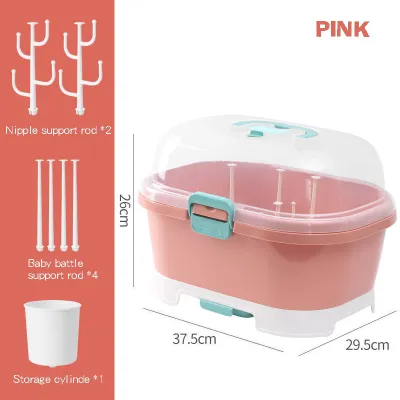
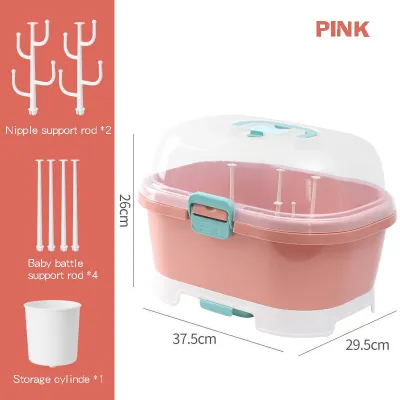
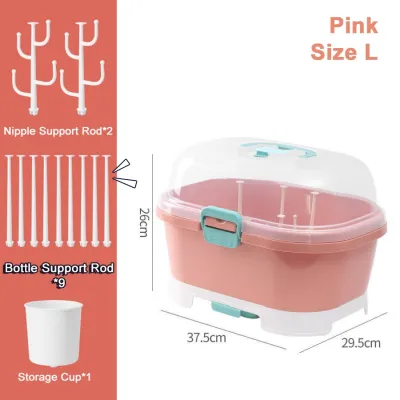

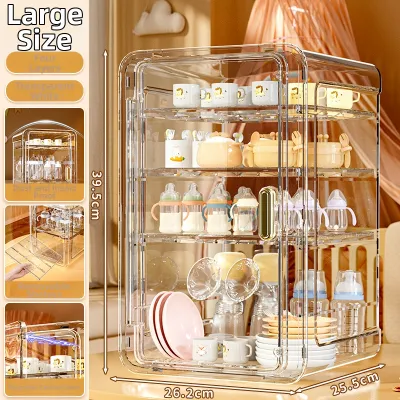
Prices are valid at publication and may change. Please refer to the product page for the latest price.
Base stability is another non-negotiable feature when mixing different types of feeding gear. While plastic baby bottles are relatively lightweight, weaning cups—especially those with weighted bases, thick silicone sleeves, or double-wall insulation—can be surprisingly heavy. If a drying rack is constructed from lightweight, flimsy plastic or has an uneven weight distribution, loading several heavy cups on one side can cause the entire unit to tip over. This risk is even higher if you use glass baby bottles alongside heavy stoneware or silicone weaning bowls. A high-quality rack should feature a wide, weighted base or non-slip rubber feet that grip your countertop securely, ensuring the unit remains upright even when fully loaded with a mismatched assortment of heavy and light items.
Efficient water drainage is the third essential feature, particularly in warm, humid tropical climates. When multiple bottles, cups, and lids are left to dry, a significant amount of water pools at the bottom of the rack. If this water is allowed to sit in a flat, non-draining tray, it quickly becomes a breeding ground for bacteria, mold, and mildew, which can compromise the hygiene of your baby’s feeding utensils. Look for racks equipped with a sloped drainage board that directs excess water directly into your kitchen sink. Alternatively, a deep, easily removable drip tray with a built-in pour spout allows you to empty accumulated water quickly after each washing cycle, keeping the drying environment dry and sanitary.
Comparing Rack Styles for the Weaning Transition
As you shop for a drying solution, you will encounter several distinct structural styles, each offering unique advantages and trade-offs for managing weaning-era tableware. Tree-style or branch racks are highly popular for their space-saving vertical design. These models feature a central trunk with multiple branches extending outward at various angles. While excellent for hanging narrow bottles and collar rings, you must carefully evaluate the thickness and angle of the branches before purchasing. If the branches are too thin or angled too steeply, wide-mouth weaning cups may slide off or sit at an angle that traps water inside. Ensure the tree design includes some lower, sturdier hooks or a flat base section specifically designed to hold heavier, wider items securely.

Countertop tray racks with vertical pegs, often resembling a bed of grass or a pegboard, offer a highly customizable layout. These racks allow you to place bottles, cups, and small accessories anywhere on the surface, making them incredibly versatile for the irregular shapes of weaning gear. The flexible pegs support items of almost any width, allowing you to dry a wide silicone bowl right next to a slender transition cup. However, the primary trade-off with this style is the cleaning process. The dense network of pegs or “blades” can make it difficult to thoroughly scrub the bottom tray, where soap scum and hard water minerals tend to accumulate. If you choose this style, ensure the peg section is easily detachable from the base tray for hassle-free washing.
Enclosed or covered drying racks provide an alternative solution that prioritizes protection from external contaminants. In many households, open countertops are exposed to dust, cooking grease, and household pests like ants or flies. An enclosed rack features a clear dome or cabinet door that shields clean bottles and cups from the environment. While this offers peace of mind, it presents a significant challenge regarding ventilation. In humid regions, trapping wet items inside a closed plastic container creates a high-moisture greenhouse effect, drastically slowing down drying times and encouraging mold growth. If you prefer an enclosed model, it is vital to select one with built-in ventilation grates, active fan systems, or a highly breathable design, and to ensure all items are thoroughly shaken dry before being placed inside.
Matching Rack Capacity to Your Daily Washing Routine
Selecting the right rack size requires a realistic assessment of your daily feeding schedule and the sheer volume of items you wash within a twenty-four-hour period. During the weaning transition, the number of individual components you handle multiplies rapidly. A single feeding session can involve a bottle, a training cup, a silicone spoon, a suction bowl, and a snack container lid. If you also use a breast pump or prepare homemade baby food, you must factor in pump shields, valves, blender blades, and storage pots. Take a day to count the maximum number of items you expect to wash at once; this will prevent you from purchasing a compact rack that quickly becomes overcrowded and ineffective.
Once you have an idea of your daily item volume, measure your available kitchen counter space before making a purchase. It is easy to underestimate the footprint of a large, multi-tier drying rack, which can quickly take over a compact kitchen or condominium counter. Compare the manufacturer’s specified dimensions with the physical space next to your sink, keeping in mind that you need enough clearance around the rack to load and unload items easily. If your counter space is limited, look for vertical multi-tier designs that maximize storage capacity upward rather than outward, or consider dedicated space-saving shapes like long, narrow rectangular racks that sit neatly against the kitchen backsplash.
For families living in smaller spaces or those who prefer a clutter-free kitchen, foldable or collapsible drying racks offer an excellent compromise. These models can be fully expanded during peak washing hours—such as after preparing a batch of weaning purees—and then folded flat to be stored in a drawer or cabinet once the items are dry and put away. When evaluating collapsible options, pay close attention to the hinge mechanisms and materials. The folding joints must be robust enough to withstand daily opening and closing without cracking, and the materials should resist trapping water in the folds, which can lead to localized mold development if stored away while still damp.
Keeping the Drying Rack Clean and Safe
A drying rack is only as hygienic as the routine you use to maintain it. Because these units are constantly exposed to moisture, organic milk proteins, and food residues from weaning cups, they require regular, proactive cleaning to prevent the buildup of harmful bacteria. Before establishing your cleaning routine, always consult the manufacturer’s instructions regarding dishwasher safety. Many modern racks feature removable components that can be placed on the top rack of a standard dishwasher for high-heat sanitization. However, some plastics can warp or degrade under extreme heat, so verifying the temperature limits of your specific model is essential to preserve its structural integrity.
When washing the rack by hand, pay special attention to the hard-to-reach areas where water naturally pools. The joints where prongs meet the base, the corners of the drip tray, and the undersides of drainage spouts are prime locations for biofilm formation. Biofilm is a slimy layer of bacteria that adheres to wet surfaces and can be difficult to remove with a simple rinse. Use a dedicated, clean bottle brush or a small detail brush to scrub these crevices thoroughly with warm, soapy water at least once a week. Avoid using abrasive scrubbing pads on plastic surfaces, as they can create microscopic scratches where bacteria and mold spores can easily hide and multiply.
In addition to organic residue, local water hardness can cause mineral deposits, or scale, to form on your drying rack over time. This white, chalky buildup not only looks unsightly but can also create a rough surface that traps grime. To safely descale your rack without using harsh chemical cleaners, soak the affected parts in a solution of equal parts warm water and white vinegar for fifteen to thirty minutes, then scrub gently and rinse thoroughly. Establishing a regular cleaning and descaling schedule based on your local water quality and visible buildup will ensure that the rack remains a safe, clean space for your baby’s tableware.
Final Checks Before Buying a Bottle Rack
Before finalizing your purchase, whether you are browsing an online marketplace or shopping at a local baby boutique, there are several practical checks you should perform to ensure the rack meets your specific needs. First, spend time reading user reviews, focusing specifically on feedback from parents who mention using the rack for weaning accessories. Look for comments regarding how well the prongs support wider cups, whether the rack tips when loaded unevenly, and how easy the unit is to clean. Real-world feedback often highlights design flaws, such as pooling water or fragile prongs, that may not be apparent from the product’s marketing photos.
Next, verify the material safety labels and food-grade certifications on the product packaging or official manufacturer description. Because your baby’s bottles and weaning cups will come into direct contact with the rack’s surfaces, it is crucial to ensure the materials are free from harmful chemicals. Look for clear labels indicating that the product is BPA-free, phthalate-free, and made from food-grade plastics or high-quality silicone. Keep in mind that safety standards and certifications can vary by region and are subject to change, so it is always best to verify these claims directly on the manufacturer’s official website or through reputable consumer safety databases rather than relying solely on third-party seller descriptions.
Finally, check the retailer’s return policy before committing to a purchase. Even with careful measuring, you may find that the specific shape of your baby’s favorite weighted straw cup or the handles of their transition mug do not fit securely on the rack’s prongs. A flexible return or exchange policy gives you the peace of mind to test the rack’s compatibility with your actual feeding gear at home. If you are investing a significant amount—whether it is ₱500 or upwards of ₱2,000 for a premium modular system—knowing you can easily return the product if it does not function as expected in your kitchen is a valuable safeguard for your household budget.
Frequently Asked Questions (FAQ)
Can I use a regular dish rack for baby bottles and weaning cups?
While it is physically possible to use a standard household dish rack, it is generally not recommended for baby bottles and weaning cups due to hygiene and design limitations. Regular dish racks are frequently used for adult plates, cutlery, and cookware, which can carry grease, strong spices, and raw food residues, increasing the risk of cross-contamination. Furthermore, standard racks are designed for large plates and bowls, meaning small baby items like silicone valves, bottle collars, and weaning spoons can easily slip through the wide grates onto the dirty countertop below. A dedicated baby drying rack keeps these sensitive items isolated and securely supported.
How often should I wash the bottle drying rack?
To maintain a safe and hygienic environment, you should perform basic maintenance daily and a deep clean at least once a week. Daily care involves emptying the drip tray, rinsing away any visible milk or food residue, and wiping down the base to prevent standing water. A full deep clean should be conducted weekly—or immediately if you notice water spots, a slimy texture, or musty odors. This involves dismantling all removable parts, scrubbing them thoroughly with warm, soapy water or running them through the dishwasher if permitted by the manufacturer, and allowing them to air dry completely before reassembly.
Are travel drying racks necessary when transitioning to solids?
Whether a travel drying rack is necessary depends on your lifestyle, travel frequency, and how often your baby eats away from home. During the weaning transition, you often need to wash items on the go, making a compact, portable drying rack with a built-in bottle brush highly convenient for trips to the provinces, hotel stays, or visits to relatives. However, if you rarely travel or only take short day trips, a dedicated travel rack may not be a practical investment. For occasional outings, you can often manage by thoroughly washing items and placing them on a clean, dedicated paper towel or a clean, dry cloth fabric mat.

Community discussion
Share your experience or ask a question. Comments are reviewed before publication.