
Selecting a standalone baby duyan stand in the Philippines requires a careful balance of structural safety, material durability, and spatial compatibility. While the traditional duyan remains a beloved fixture in many Filipino households for its rhythmic, soothing motion, modern living arrangements often demand more flexible setups than traditional ceiling-suspended ropes. Purchasing a stand-only frame allows caregivers to preserve the comforting benefits of a classic fabric or rattan hammock while gaining the freedom to move the assembly between rooms or store it away when not in use. However, because these frames are sold independently of the hammock fabric, springs, and hanging hardware, finding a secure match involves verifying specific dimensions, weight capacities, and structural designs to ensure your infant’s safety.
When to Buy a Standalone Duyan Frame
Opting for a standalone duyan frame is highly practical for families who already own a cherished, high-quality hammock fabric or an heirloom woven piece. In many Filipino homes, hand-woven cotton cloths, traditional kumot setups, or custom-made rattan baskets are passed down through generations, carrying sentimental value and proven comfort. Purchasing only the frame allows you to continue using these familiar materials without paying for an entire bundled set that includes unnecessary duplicate fabrics or low-quality accessories.
Another common scenario involves transitioning away from permanent ceiling-mounted hooks or doorframe clamps. While overhead suspension is space-efficient, it limits the duyan to a single location and can cause structural damage to concrete ceilings or wooden beams over time. A portable floor stand eliminates the need for drilling, allowing parents to easily relocate the soothing setup from a bright living room during the day to a quiet bedroom at night. This portability is especially beneficial in modern urban condominiums or rental properties where structural modifications are strictly prohibited.
Products mentioned in this guide
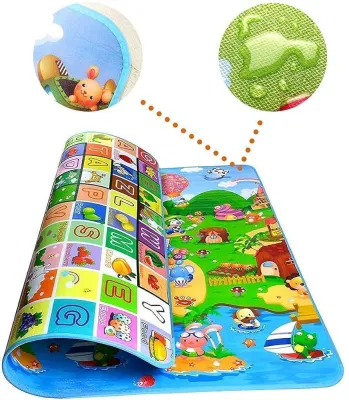
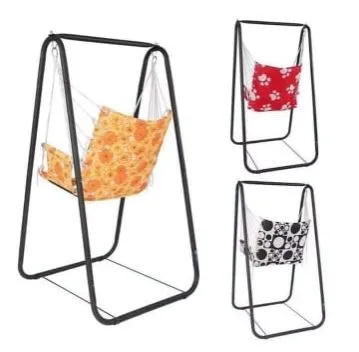
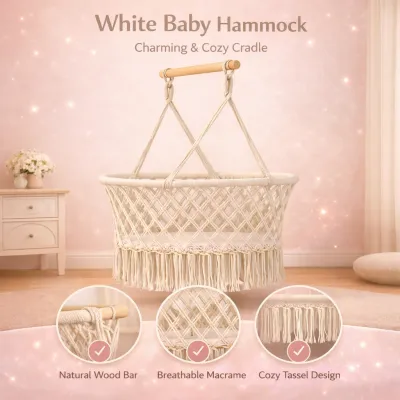
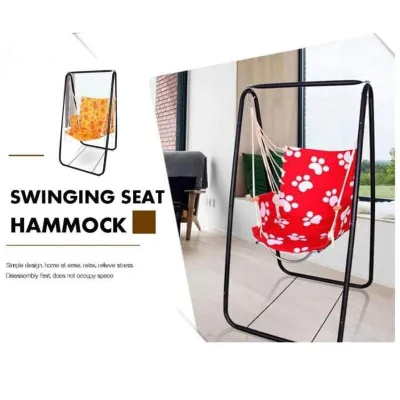
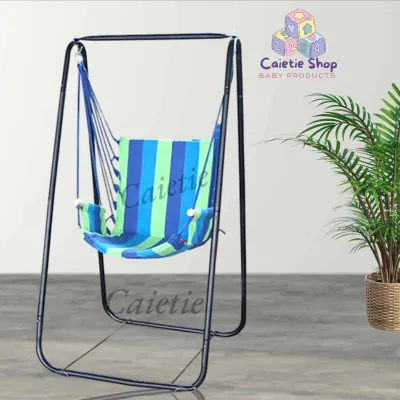
Prices are valid at publication and may change. Please refer to the product page for the latest price.
Furthermore, buying a separate frame gives you the flexibility to customize your nursery layout and upgrade individual components as your baby grows. Instead of committing to a rigid, pre-packaged system, you can pair a heavy-duty metal stand with specialized tension springs, high-grade carabiners, and breathable fabrics tailored to the tropical climate. This modular approach ensures that every single element of the sleeping and soothing environment meets your standards for comfort, airflow, and structural integrity.
Critical Safety and Stability Checks for Frames
When evaluating a standalone duyan stand, structural stability must be your primary concern to prevent accidental tipping or structural failure. Begin by examining the base footprint of the frame; a wider, longer base distributes weight more effectively and lowers the overall center of gravity. Look for designs featuring wide-set legs or a broad rectangular base, which resist tipping even when the baby shifts weight or when the duyan experiences gentle, active swaying. Avoid narrow or highly compact frames that compromise lateral stability for the sake of saving floor space.

Load limits are another critical safety factor that must be verified through physical manufacturer tags or stamped metal plates on the frame itself. Online product listings on e-commerce platforms frequently feature exaggerated or unverified weight capacities that may not reflect real-world safety margins. Always cross-reference these digital claims with the physical documentation provided by the manufacturer, and strictly adhere to the lower stated limit. Remember that the total weight supported includes not only your baby but also the weight of the hammock fabric, heavy-duty springs, wooden spreader bars, and any attachment hardware.
Carefully inspect all locking pins, folding joints, and connection points before and after assembly. High-quality stands utilize robust locking mechanisms, such as spring-loaded detent pins or heavy-duty threaded knobs, to secure the joints in place. Ensure there are no sharp metal edges, exposed burrs, or pinch points near the areas where you will hang the hammock or where a curious infant might reach. If the frame is designed to fold for storage, verify that the folding joints lock securely in the open position and cannot be accidentally disengaged by sudden movements or external bumps.
Finally, establish clear boundaries for when to transition away from the duyan. Caregivers must closely monitor their baby’s physical development and stop using the duyan stand immediately once the infant shows signs of rolling over, pulling themselves up, or reaching the manufacturer’s maximum weight limit. Consult with a pediatrician or a qualified healthcare professional regarding safe sleep practices, and ensure that the duyan is only used under active, direct adult supervision to mitigate the risks of rolling, entrapment, or airway obstruction.
Comparing Frame Materials for Nursery Use
The choice of material directly impacts the durability, maintenance, and safety of a standalone duyan frame in a tropical nursery environment. Powder-coated metal frames, typically constructed from steel tubing, are highly popular due to their exceptional rigidity and structural predictability. The powder-coating process creates a thick, protective barrier that shields the underlying metal from moisture, which is essential in the high-humidity climate of the Philippines. When selecting a metal frame, verify that the finish is certified as non-toxic and lead-free, as infants may eventually touch or attempt to chew on accessible parts of the stand.
Treated wood frames offer a warm, classic aesthetic that integrates seamlessly with traditional or modern nursery decor. However, wooden stands require careful inspection to ensure they are free from splinters, rough grain, or structural knots that could compromise the frame’s strength. In tropical regions, untreated or poorly sealed wood is susceptible to warping, cracking, or mold growth due to seasonal humidity fluctuations. If you choose a wooden stand, ensure it has been treated with a baby-safe, water-resistant sealant and is kept in a well-ventilated area away from direct moisture.
Maintenance and hygiene are also key considerations when comparing materials. Metal frames are generally easier to clean, requiring only a quick wipe with a damp cloth and mild, baby-safe soap to remove dust, sweat, or accidental spills. Pay close attention to joint crevices, folding hinges, and the undersides of the feet, as these areas can accumulate dust and allergens over time. Wooden frames may require specialized wood-safe cleaners and periodic inspections to ensure the protective sealant remains intact and free from moisture damage.
How to Match the Stand to Your Existing Hammock
To ensure a safe and functional setup, you must carefully match the physical dimensions of your standalone stand to your existing baby hammock. Start by measuring the total length of your hammock when it is fully extended and under slight tension, measuring from one attachment loop to the other. This measurement must be compared against the stand’s internal hook-to-hook distance. If the stand is too short, the hammock will sag excessively, causing the baby to rest too close to the floor or even drag on the ground; if the stand is too long, the hammock will be stretched too tightly, restricting its natural, comforting curve.
Selecting the correct attachment hardware is just as important as matching the physical dimensions. Always use rated, heavy-duty hardware such as steel S-hooks, locking carabiners, or specialized duyan tension springs designed specifically for infant weight ranges. Avoid using makeshift ropes, thin cords, or unrated hardware that could fray, slip, or snap under tension. If your setup includes a tension spring to provide a gentle vertical bounce, ensure the spring is equipped with an internal safety rope or chain that prevents the spring from over-stretching or falling apart in the event of a coil failure.
Ground clearance is a vital safety metric that must be checked continuously. When your baby is lying in the duyan, the lowest point of the hammock fabric must remain at a safe, manufacturer-recommended height above the floor—typically high enough to prevent any contact with the ground during movement, but low enough to minimize the risk of injury in the unlikely event of a fall. Look for standalone stands that offer adjustable height settings or multiple hook positions, allowing you to fine-tune the clearance as the hammock fabric stretches over time or as your baby grows heavier.
Navigating Online Marketplaces and Local Stores
Shopping for a standalone duyan stand in the Philippines often involves browsing local baby boutiques or navigating major online marketplaces. While online shopping offers convenience and a wide variety of options, it requires a discerning eye to avoid low-quality or counterfeit products. When viewing online listings, look for detailed, high-resolution photos of the actual product, particularly the joints, welds, and safety labels, rather than relying solely on generic stock images or highly stylized promotional graphics.
Before making a purchase, thoroughly review the seller’s return and refund policies, ensuring they specifically cover structural defects, shipping damage, or missing assembly hardware. Because these metal or wooden frames are heavy and bulky, returning a defective item can be costly and difficult if the seller does not provide clear, prepaid return options. Additionally, check if the manufacturer or local distributor offers a reliable warranty or has a dedicated customer service channel where you can easily purchase replacement parts, such as replacement rubber feet, locking pins, or hanging hooks, to extend the lifespan of your stand.
Take the time to read customer reviews, focusing on feedback that mentions long-term durability, ease of assembly, and real-world stability. Be skeptical of listings that have exclusively perfect ratings with short, repetitive comments, as these may not represent authentic user experiences. Instead, look for detailed reviews from local parents who describe how the stand performs in daily use, how well it handles the local climate, and whether the assembly instructions were clear and easy to follow.
Frequently Asked Questions (FAQ)
Can I use a regular adult hammock stand for a baby duyan?
No, using a standard adult hammock stand for a baby duyan is not recommended due to significant structural and safety differences. Adult stands are designed for much larger, heavier loads and feature dimensions that are incompatible with infant hammocks, often lacking the precise hook spacing and height adjustments required to keep a baby duyan stable. Furthermore, adult stands do not provide the controlled, gentle sway or vertical bounce necessary for infant soothing, and their excessive height increases the risk of serious injury if a fall occurs. Always use a frame specifically designed, tested, and certified for infant use, adhering strictly to the manufacturer’s age and weight guidelines.
How often should I inspect the stand's joints and hardware?
You should perform a quick visual and physical inspection of the duyan stand’s joints, locking pins, and hanging hardware before every single use. Check that all bolts are tightly secured, locking pins are fully engaged, and the frame does not wobble or creak unexpectedly. On a weekly basis, conduct a more thorough inspection, looking for signs of metal fatigue, hairline cracks near welds, rust formation, or wear on the S-hooks and tension springs. If you detect any bent metal, stripped threads, worn-out carabiners, or compromised structural components, stop using the stand immediately and replace the damaged parts with official manufacturer replacements.
Is it safe to leave a baby unattended in a duyan on a stand?
No, it is never safe to leave an infant unattended in a duyan, regardless of how sturdy or stable the stand is. A duyan is designed as a supervised soothing aid and does not replace a flat, firm, and dedicated sleep surface like a crib or bassinet. Leaving a baby unattended in a hammock poses severe safety risks, including suffocation from positional asphyxiation if the baby’s head chin-tucks, or entrapment and rolling if the baby shifts position. Always maintain direct, active adult supervision while your baby is in the duyan, and consult pediatric safe sleep guidelines to ensure your baby has a safe, flat sleeping environment for unsupervised naps and overnight rest.

Community discussion
Share your experience or ask a question. Comments are reviewed before publication.