
Selecting the right baby bottle dish drainer is not just about finding a convenient countertop organizer; it is a critical step in preserving the structural integrity of your feeding bottles and maintaining strict hygiene. The ideal drainer material depends directly on whether you use heavy glass, flexible polypropylene (PP), or durable polyphenylsulfone (PPSU) bottles. While glass requires a heavy, stable base to prevent dangerous tipping, plastic-based bottles like PP and PPSU demand soft, smooth contact points to avoid micro-scratches that can harbor stubborn milk residue. By matching the physical properties of your bottles with a compatible drying rack material, you can prevent premature wear, simplify your daily cleaning routine, and ensure a sanitary drying environment.
Why Drainer Material Matters for Bottle Longevity and Hygiene
It is important to distinguish between a baby bottle dish drainer and a sterilizer. While sterilizers use high heat or chemical agents to eliminate pathogens, a drainer relies entirely on passive airflow to dry washed items. Because it does not heat or chemically treat the bottles, the drainer’s primary role is to provide a clean, dry, and physically supportive environment where moisture can evaporate quickly.
In a warm and humid climate like the Philippines, standing water is the ultimate enemy of nursery hygiene. When wet bottles are placed on an incompatible or poorly designed rack, two main physical risks emerge: surface scratching on the bottles and mold growth on the drainer base. Micro-scratches on plastic bottles create tiny crevices where bacteria and milk proteins can hide, resisting standard washing. Meanwhile, stagnant water pooling at the bottom of a rack quickly turns into a breeding ground for mildew and biofilm.
Products mentioned in this guide
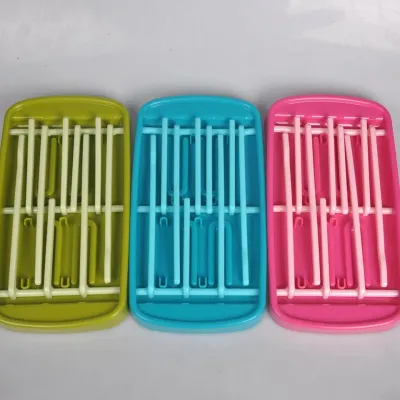

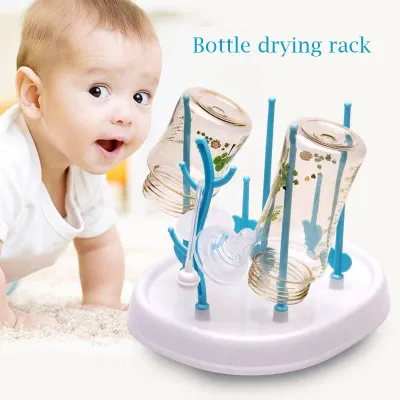
Prices are valid at publication and may change. Please refer to the product page for the latest price.
To safeguard your feeding equipment, your selection process should focus on three core criteria: structural stability, surface softness at contact points, and ease of daily cleaning. A rack that wobbles under the weight of glass or scratches delicate PPSU fails to protect your investment, while a rack that is difficult to disassemble will likely be neglected during weekly cleaning routines.
Comparing Common Baby Bottle Dish Drainer Materials
Plastic and Polypropylene Drainers
Plastic and polypropylene (PP) drainers are widely popular due to their lightweight construction, versatile designs, and budget-friendly price points. These racks often feature colorful, tree-like pegs and removable drip trays that fit easily into compact kitchen spaces. However, their lightweight nature means you must carefully evaluate their structural stability and base width, especially if you plan to dry heavier glass bottles that can easily cause a narrow plastic rack to tip over.

When opting for a plastic drainer, inspect the pegs closely to ensure they have smooth, rounded tips. Sharp plastic seams or rough edges from the manufacturing mold can easily scratch the softer surfaces of PP and PPSU bottles during daily placement and removal. Additionally, hollow plastic bases and peg joints are notorious for trapping water, which can lead to rapid mildew development in humid tropical environments if not descaled and dried regularly.
Stainless Steel Drainers
Stainless steel drainers offer exceptional durability, a modern aesthetic, and excellent resistance to physical wear. Their heavy metal frames provide a highly stable foundation that easily supports multiple heavy glass bottles, glass breast pump jars, and metal accessories without any risk of tipping. This makes them a reliable long-term investment for families planning to use their drying setup through multiple developmental stages.
Despite their strength, bare metal wires pose a risk to delicate bottle materials. It is essential to choose stainless steel racks that feature food-grade silicone or plastic protective caps on all wire ends and contact points. Without these protective barriers, the hard metal can chip glass rims or leave deep scratches on PPSU surfaces. Furthermore, you will need to establish a regular cleaning routine to wipe away hard water spots and inspect the welded joints periodically for any signs of rust.
Silicone-Coated and Wooden Drainers
Silicone-coated drainers represent a premium, highly functional option that combines the structural strength of an inner metal or plastic frame with a soft, high-grip exterior. The natural elasticity of silicone provides a gentle, scratch-free contact surface that is exceptionally compatible with all bottle types. It prevents bottles from slipping or clattering together, making it an excellent choice for busy kitchens where items are frequently moved around.
In contrast, wooden or bamboo drainers are often chosen for their warm, natural aesthetic in modern nurseries. However, wood requires strict drying protocols and excellent kitchen ventilation to prevent internal mold growth, warping, and splintering. In highly humid regions, wooden racks demand significantly more maintenance and are generally less practical for the constant, wet cycle of infant feeding compared to their synthetic counterparts. While premium silicone models may require a higher initial investment of several hundred pesos, their long-term durability and ease of sanitization offer superior value over high-maintenance wooden alternatives.
Matching Drainer Features to Glass, PP, and PPSU Bottles
To optimize your kitchen setup, you should pair the specific material of your baby bottles with a drainer designed to accommodate their unique physical vulnerabilities.
Glass bottles are highly valued for their chemical inertness and resistance to scratching, but their primary drawback is weight and fragility. If you use glass bottles, your drainer must prioritize heavy-duty stability, a wide, slip-resistant base, and padded contact points. A top-heavy rack loaded with glass bottles is a safety hazard; look for low-profile designs or heavy stainless steel frames with silicone-tipped pegs that cushion the glass and prevent accidental chipping during busy late-night cleanups.
Polypropylene (PP) bottles are lightweight and economical but are relatively soft and highly susceptible to micro-scratches. For PP bottles, focus on drainers with seamless, wide-diameter pegs or soft silicone branches. Avoiding thin, sharp plastic pegs is crucial, as repeated friction can create fine abrasions on the inner walls of the bottle, making it difficult to wash away milk fats and leading to premature cloudiness.
Polyphenylsulfone (PPSU) bottles offer high heat resistance and durability, but their premium golden-hued surface is still vulnerable to visible scratching that can compromise the bottle’s aesthetic and structural finish over time. To preserve PPSU bottles, emphasize soft-touch or fully silicone-coated drying branches. The gentle grip of silicone ensures that the bottle slides on and off without abrasive friction, maintaining the smooth, hygienic surface of your high-end bottles.
Before making a purchase, use this practical checklist to verify the drainer’s design:
- Peg Spacing: Ensure there is enough clearance between pegs so bottles do not touch each other, promoting optimal airflow.
- Drainage Angle: Look for a self-draining tray with a sloped angle and a spout that directs water straight into your kitchen sink.
- Removability: Confirm that all pegs and the drip tray can be easily detached for thorough washing and drying.
Hygiene and Maintenance Standards for Any Drainer
Even the most advanced drainer material will fail to protect your baby if it is not maintained properly. To prevent your drying rack from becoming a source of contamination, establish a strict daily and weekly maintenance routine. Empty the drip tray at the end of every day to prevent standing water from stagnating, and perform a weekly deep clean by washing all components with warm, soapy water and a soft brush to clear out any mineral deposits or early biofilm.
Keep a close eye out for visual and olfactory warning signs. If you notice a slippery pink or black film in the crevices of the peg joints, or if the rack emits a musty, damp odor, mold or bacterial biofilm has begun to form. These hard-to-reach areas must be scrubbed immediately with a safe, food-grade descaling agent or vinegar solution, followed by a thorough rinse and complete air-drying in a well-ventilated space.
Knowing when to replace your drainer is just as important as cleaning it. You should replace a plastic drainer if you notice deep, irreversible scratches in the plastic base or pegs, as these areas will inevitably harbor bacteria. For metal racks, any sign of rust at the welded joints—especially where protective coatings have worn away—warrants immediate replacement to prevent rust particles from transferring to your baby’s feeding equipment.
Frequently Asked Questions (FAQ)
Can I put my baby bottle dish drainer in the dishwasher?
Whether you can wash your drainer in the dishwasher depends entirely on the manufacturer’s material specifications. Many high-quality plastic and silicone-coated racks are top-rack dishwasher safe, which simplifies sanitization. Stainless steel frames are often dishwasher safe as well, provided they do not have glued-on components. However, you should always hand-wash wooden, bamboo, or low-grade plastic parts, as the intense heat and moisture of a dishwasher cycle can cause warping, cracking, or rapid degradation of the material.
Do I need a separate drainer for breast pump parts?
While you do not necessarily need an entirely separate rack, dedicating a specific zone or using a specialized small-parts basket is highly recommended for breast pump components. Small valves, membranes, and connectors can easily slip off standard bottle pegs and fall into the stagnant water of the drip tray, compromising their cleanliness. Utilizing a drainer with dedicated small-part pegs, mesh baskets, or a separate silicone drying mat ensures these intricate pieces remain elevated, secure, and exposed to maximum airflow for rapid, hygienic drying.

Community discussion
Share your experience or ask a question. Comments are reviewed before publication.