
Keeping baby feeding gear clean is a top priority for parents, but the tools used to clean those bottles often become an afterthought. A baby bottle brush with a cover serves as a critical line of defense against environmental contaminants, especially in warm, humid climates where airborne dust, mold spores, and household pests are constant challenges. By enclosing the bristles when they are not in use, a covered brush prevents the very tool meant for sanitization from becoming a breeding ground for bacteria. Selecting the right covered brush requires balancing ventilation, material compatibility, and your daily cleaning workflow to ensure every bottle remains safe for your baby.
The Hygiene Advantage: Why a Covered Bottle Brush Matters
In a busy household, the kitchen sink area is a hub of activity where food preparation, handwashing, and dish cleaning occur simultaneously. Without a protective cover, an exposed bottle brush sits vulnerable to airborne grease, soapy splashes from dirty dinner plates, and floating pet dander or dust. A dedicated cover acts as a physical barrier, ensuring that the bristles remain pristine and untouched by surrounding kitchen grime between washing sessions.
When stored loosely in a drawer or crowded utensil caddy, brush bristles easily bend, warp, or flatten under the weight of other items. Deformed bristles lose their structural integrity, making it difficult to apply even pressure against the curved inner walls of a baby bottle. A structured cover or integrated stand keeps the brush head suspended or upright, preserving the original shape of the bristles so they can scrub away stubborn milk residue effectively over time.
Products mentioned in this guide
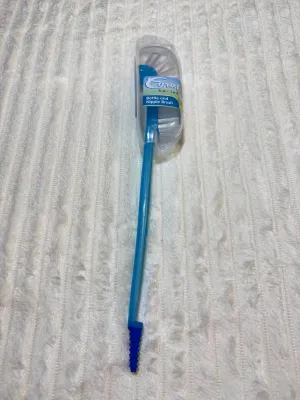
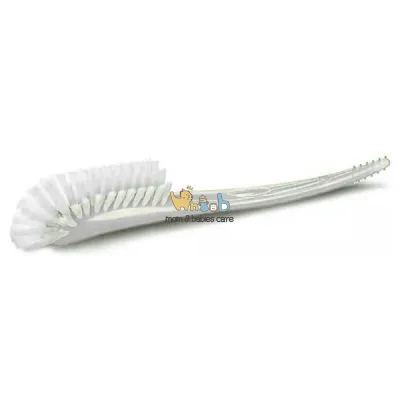
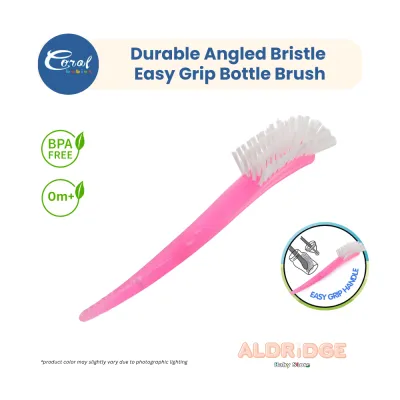
Prices are valid at publication and may change. Please refer to the product page for the latest price.
In tropical environments, high humidity levels significantly slow down the drying process of wet cleaning tools. A poorly designed storage system that traps water can quickly lead to the growth of black mold and mildew at the base of the bristles. Covered bottle brushes designed with integrated drainage ports or elevated stands allow excess water to pool away from the brush head, keeping the cleaning surface dry and inhospitable to microbial growth.
Cross-contamination is a major risk when baby bottle brushes are stored alongside general dish sponges, scrubbers, or harsh chemical cleaners. Sponges used for family dishes often harbor food particles and grease that can easily transfer to an open bottle brush. Keeping the baby’s cleaning tool isolated within its own protective cover ensures that no external contaminants or chemical residues compromise the safety of your infant’s feeding equipment.
Essential Features to Evaluate in a Covered Baby Bottle Brush
A cover that completely seals in moisture is counterproductive, as trapped dampness creates a humid microclimate perfect for bacterial proliferation. When evaluating a covered brush, look for designs featuring generous ventilation slots, mesh panels, or open-air stands that promote continuous airflow. This allows moisture to evaporate naturally while still shielding the brush head from direct physical contact with external contaminants.

Cleaning deep, narrow-neck bottles requires a brush with sufficient reach and a comfortable, non-slip grip. Ergonomic handles with textured silicone or rubberized surfaces prevent the brush from slipping out of soapy hands, reducing fatigue during repetitive washing sessions. The shaft should be rigid enough to allow you to apply firm pressure to the bottom corners of the bottle without bending or snapping under strain.
A top-heavy brush and cover assembly can easily tip over on a wet, slippery kitchen counter, exposing the clean brush to dirty surfaces. High-quality designs feature a weighted or suction-cup base that anchors the stand securely to the countertop. This stability ensures the brush remains upright and sanitary, even when placed near a busy sink area where it might be accidentally bumped.
Over time, moisture, soap scum, and mineral deposits from hard water can accumulate inside the protective cover or stand. If the cover cannot be easily taken apart, these deposits will turn into a slimy residue that compromises the hygiene of the brush. Choose a model that disassembles completely, allowing you to wash, rinse, and dry the interior of the cover or stand as easily as you clean the brush itself.
Bristle Materials and Head Designs for Different Bottle Types
Different materials offer distinct advantages depending on your cleaning priorities. Silicone bristles are highly durable, quick-drying, and exceptionally gentle on delicate surfaces, though they may require more effort to scrub away dried-on milk film. Sponge heads excel at absorbing soapy water and creating a rich lather for fast cleaning, but they wear out quickly and tend to retain moisture longer, increasing the risk of bacterial growth. Nylon bristles provide powerful scrubbing action for tough residues but can be abrasive if used carelessly.
The physical shape of your baby bottles dictates the type of brush head you need. Wide-mouth bottles accommodate larger, rounded brush heads easily, allowing for quick, sweeping cleaning motions. Narrow-neck bottles, however, require a slim, tapered brush head and a highly flexible shaft that can compress to pass through the tight opening and then expand to clean the wider base inside.
A complete feeding setup includes nipples, collar rings, and vent valves, all of which have tiny crevices where milk fat can hide. Many covered bottle brushes feature a smaller, integrated nipple brush hidden inside the handle or base. Evaluating whether this secondary tool is easily accessible, properly ventilated, and sized correctly for your specific nipple shapes is essential for achieving a comprehensive clean.
Plastic bottles, including those made from polypropylene (PP) or polyphenylsulfone (PPSU), are susceptible to microscopic scratches caused by stiff nylon bristles. These tiny scratches can harbor bacteria and make the bottle appear cloudy over time. For plastic bottles, softer silicone or sponge brushes are generally safer, whereas sturdy glass bottles can easily withstand the vigorous scrubbing action of firmer nylon bristles without scratching.
Building Your Shortlist: Matching Brush Traits to Your Routine
For families who frequently travel, visit relatives, or rely on daycare, a portable bottle brush with a secure, locking travel cover is indispensable. Whether you are purchasing a budget-friendly option for a few hundred pesos (₱) or investing in a premium travel set, these designs should be compact enough to fit into a diaper bag without taking up excessive space, while ensuring the wet brush remains sealed away from clean baby clothes and diapers during transit.
If your daily routine involves managing a high volume of bottles, hand-washing every component of the brush and cover can become exhausting. In such cases, look for brushes and stands explicitly labeled as dishwasher-safe. Being able to place the disassembled parts on the top rack of a dishwasher saves time and utilizes high-temperature water to assist in deep cleaning.
Your choice of brush should directly align with the specific bottles you have purchased. If you have invested in premium glass bottles, a durable nylon brush with a sturdy stand will offer the most efficient cleaning power. Conversely, if your nursery is stocked with lightweight PPSU or silicone bottles, prioritizing a soft-bristled silicone brush with a well-ventilated cover will protect your investment from premature wear and cloudiness.
Limited countertop space near the kitchen sink requires a compact storage solution. Some covered brushes feature vertical, slim-profile stands that occupy minimal real estate, while others can be wall-mounted or hung from a hook. Assess your kitchen layout to ensure the stand fits comfortably without cluttering your workspace or sitting too close to areas prone to food splatters.
Proper Care, Sanitization, and Replacement Signals
To maintain the hygiene of your covered brush, establish a consistent post-wash routine. After cleaning the final bottle, rinse the brush thoroughly under warm running water to remove all traces of soap and milk residue. Shake off excess water vigorously before placing the brush back into its ventilated cover, ensuring that moisture does not pool excessively at the bottom of the stand.
Before attempting to sanitize your bottle brush with heat, always consult the manufacturer’s instructions. Some silicone and high-grade plastic brushes can withstand boiling water, steam sterilizers, or top-rack dishwasher cycles, while others may warp, melt, or release chemicals when exposed to high temperatures. Never assume a brush is heat-resistant unless the packaging explicitly states it is safe to sterilize.
No bottle brush is designed to last indefinitely, and continuing to use a worn-out tool compromises your baby’s health. Inspect the brush regularly for signs of physical degradation, such as frayed or falling-out bristles, torn sponge pieces, or a loose handle. Additionally, if the brush develops a persistent sour odor or shows any signs of black mold spots that cannot be washed away, it must be discarded immediately.
A worn or damaged brush loses its ability to scrub away the invisible film of milk fat and proteins that clings to the inside of baby bottles. This organic residue serves as food for bacteria, which can multiply rapidly between feedings. Even if you use high-quality baby bottle dish soap, a degraded brush cannot clean effectively, making regular replacement a vital part of your feeding hygiene routine.
Frequently Asked Questions (FAQ)
How often should I replace my baby bottle brush?
Generally, a standard baby bottle brush should be replaced every thirty to sixty days, depending on how frequently it is used and the material it is made of. Sponge brushes typically wear out faster and may need replacement every four weeks, while high-quality silicone brushes can often last up to three months if properly maintained. Always replace the brush immediately if you notice torn parts, bent bristles, or any lingering odors.
Can I wash a covered bottle brush in the dishwasher?
Many modern bottle brushes and their protective covers are safe to wash in the dishwasher, but you must verify this by checking the manufacturer’s product label first. If compatible, place the disassembled brush and cover on the top rack of the dishwasher to protect them from the intense heat of the bottom heating element. Avoid using heavy-duty heated dry cycles if the plastic components are prone to warping.
Do I still need to sterilize the bottle brush itself?
While daily washing with warm, soapy water is sufficient for routine maintenance, periodic sanitization of the brush itself helps maintain optimal hygiene. If the manufacturer’s instructions permit, you can sanitize the brush by dipping it in boiling water for a few minutes or placing it in a steam sterilizer. However, if the materials show signs of softening, warping, or degrading during this process, stop immediately and replace the brush to ensure no damaged particles end up inside your baby’s bottles.

Community discussion
Share your experience or ask a question. Comments are reviewed before publication.