
Choosing the right 360 cup for your baby involves balancing oral development, material safety, and daily convenience. These innovative cups are designed to let your little one drink from any point along the rim without spilling, mimicking a regular open glass while protecting your floors and furniture. However, because babies develop at different rates and daily routines vary, selecting the right model requires looking closely at specific design features. In warm, tropical environments where humidity is high, factors like ease of cleaning and mold prevention become just as critical as how easily your baby can hold the cup.
By evaluating key specifications—such as valve sensitivity, material durability, and ergonomic handles—you can find a cup that supports your baby’s transition to independent drinking. This guide breaks down the essential features to check before making your purchase, helping you make an informed decision for your weaning journey.
Age and Developmental Readiness
When introducing a 360 cup, always check the manufacturer’s age recommendations and milestone guidelines printed on the packaging. While many transition cups are labeled for babies aged six months and older, individual readiness depends on your baby’s physical development and oral motor skills. Relying solely on general weaning timelines can lead to frustration if your baby is not yet ready to coordinate the tilting and sipping actions required.
Products mentioned in this guide
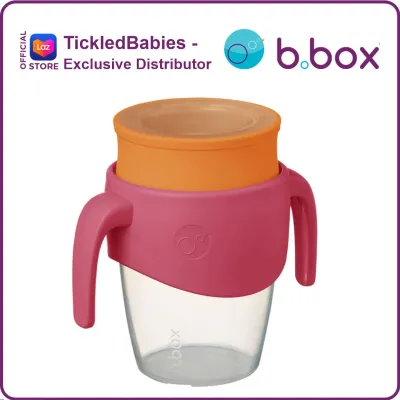
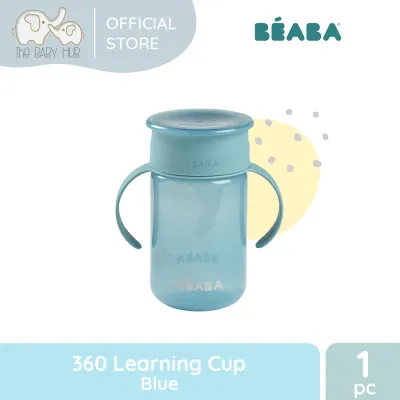
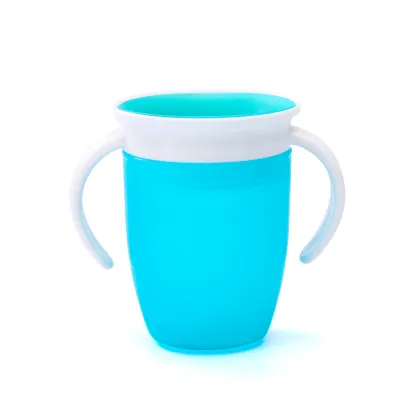
Prices are valid at publication and may change. Please refer to the product page for the latest price.
Look for cups that offer adjustable flow rates or varying valve sensitivities. Younger babies who are just beginning to transition from breast or bottle may struggle with valves that require firm suction. Choosing a cup with a highly sensitive valve ensures that even gentle lip pressure releases liquid, matching your baby’s current sucking strength.
Additionally, consider the physical design differences between transitional models and toddler cups. Early-stage cups often feature wide, removable training handles that help babies secure their grip. As your child grows and refines their fine motor skills, you can transition to handleless, fully open 360 rims that prepare them for standard household glassware.
Valve Mechanism and Edge Design
The heart of any 360 cup is its silicone valve seal, which controls the flow of liquid. A well-designed valve should open smoothly when your baby applies slight suction or lip pressure to the edge, and close automatically the moment they stop drinking. This automatic sealing mechanism is what prevents messy spills when the cup is dropped, tipped over, or tossed from a high chair.

When comparing cups, examine whether the valve is a fully removable insert or a built-in component of the lid. Removable valves are generally easier to inspect and clean thoroughly, but they must fit snugly and securely into the collar to maintain a leak-proof seal. Built-in components may offer a sleeker profile but require careful inspection to ensure no liquid remains trapped inside the mechanism.
Pay close attention to the shape of the rim. A flat, smooth rim design is ideal because it encourages mature swallowing patterns. Unlike traditional spouted cups that can promote prolonged baby-style sucking, a flat 360-degree edge forces the baby to seal their upper lip against the rim, supporting healthy oral muscle development and natural jaw alignment.
Material Safety and Durability
Because your baby’s mouth will be in direct contact with the cup daily, verifying material safety is paramount. Inspect the packaging or product specifications to ensure that every component—including the cup body, collar, lid, and silicone valve—is explicitly labeled BPA-free, PVC-free, and phthalate-free. Checking for these manufacturer certifications protects your baby from unwanted chemical exposure during feeding times.
Durability is another crucial factor, especially since weaning cups are frequently dropped onto hard kitchen floors. Cups featuring silicone outer sleeves or fully silicone bodies offer excellent drop protection and a more secure grip for tiny hands. Standard hard plastics can crack over time, creating sharp edges or small crevices where bacteria can accumulate.
If your baby is actively teething, they will likely chew on the cup’s edges. Inspect the bite-resistance of the rim and valve materials. High-quality, thick food-grade silicone can withstand constant chewing without tearing, ensuring that small pieces do not break off and present a choking hazard.
Ease of Cleaning and Mold Prevention
In humid tropical climates, moisture trapped in small spaces can quickly lead to mold growth. To keep your baby’s cup hygienic, count the total number of detachable parts before buying. Cups with fewer pieces are not only faster to assemble during busy mornings but also have fewer hidden crevices where milk, formula, or juice residue can hide.
Always consult the manufacturer’s care instructions to verify how the cup should be washed. Check if all components are top-rack dishwasher safe or if they require specialized cleaning brushes to reach narrow channels. If you do not own a dishwasher, look for designs that can be easily cleaned with standard bottle brushes and warm, soapy water.
To prevent mold, ensure the silicone valve can be fully inverted, peeled back, or completely separated from the plastic collar. This allows you to scrub away any trapped residue and ensures that all parts can air-dry completely between uses. Never reassemble the cup while the components are still damp, as trapped moisture is the primary cause of black mold spots.
Ergonomics and Grip for Small Hands
A successful transition to a 360 cup depends heavily on how easily your baby can manage it independently. Look for contoured cup bodies, textured surfaces, or rubberized grips that accommodate developing fine motor skills. Removable, easy-to-grip handles are excellent for younger babies, as they allow for a two-handed hold that stabilizes the cup during tilting.
Consider the weight of the cup when fully filled with liquid. A cup that is too heavy can strain your baby’s wrists, making it difficult for them to lift and tilt the cup to their mouth. Lightweight materials like polypropylene or thin, high-grade silicone help keep the overall weight manageable for tiny muscles.
Finally, evaluate the fluid capacity of the cup. For babies just starting their weaning journey, a smaller capacity of around 150 to 200 milliliters is usually sufficient. A smaller volume keeps the cup light, prevents over-drinking, and reduces the amount of liquid wasted if a spill does occur, saving you from discarding expensive formula or fresh milk that costs hard-earned ₱.
Frequently Asked Questions (FAQ)
Can a 360 cup cause speech or dental issues?
Unlike traditional sippy cups with hard spouts, 360 cups are generally favored by pediatric dentists because they encourage natural lip sealing and mature swallowing patterns. The flat, spoutless rim prevents the tongue from being pushed downward and forward, which can sometimes occur with prolonged spout use. However, a 360 cup is still a transitional tool; pediatricians and pediatric dentists recommend eventually moving your child to a standard open cup once their hand-eye coordination and motor skills are fully developed.
Why is my 360 cup leaking even with the valve in place?
If your 360 cup is leaking, first check the alignment of the silicone valve against the plastic lid. Even a tiny misalignment or a small piece of trapped food debris, such as fruit pulp or milk fat, can prevent the valve from forming a tight seal. Additionally, inspect the silicone closely for micro-tears, stretching, or bite marks caused by teething. If the silicone has been compromised or stretched out of shape, the automatic shut-off feature will fail, indicating that it is time to purchase a replacement valve from the manufacturer.

Community discussion
Share your experience or ask a question. Comments are reviewed before publication.