
Finding the best 3-in-1 bottle cleaner for your baby’s feeding gear is not about chasing a single, universally praised brand. Instead, the most effective solution depends entirely on verifying material compatibility and ingredient safety directly on the product label to match the specific bottles you use. In warm, humid environments like the Philippines, milk residues spoil rapidly, creating a breeding ground for bacteria and leaving stubborn, greasy films. A 3-in-1 cleaner typically promises to streamline your routine by combining three essential actions: breaking down tough milk fats, descaling mineral buildup from hard water, and providing a deep, sanitizing wash. However, glass, plastic, and silicone possess vastly different physical properties. A cleaning agent that leaves a glass bottle sparkling might degrade a silicone nipple or cause a plastic bottle to cloud and scratch. Caregivers must carefully evaluate the chemical formulation, pH balance, and rinsing requirements of any multi-function cleaner against the manufacturer guidelines of their specific bottle collection.
What to Look for in a 3-in-1 Bottle Cleaner
In the baby care market, the term “3-in-1” usually refers to a multi-action liquid or foam designed to clean, descale, and deodorize, or sometimes to wash bottles, nipples, and breast pump accessories in one step. Some formulations also claim to assist in the sanitization process by preparing the surface for steam sterilization. Caregivers should never assume what “3-in-1” means; always read the back label to verify the exact three functions the manufacturer claims to perform.
Surfactants are the core of any cleaner. For baby items, look for plant-based or baby-safe surfactants, such as those derived from coconut or corn. These ingredients are designed to break the surface tension of water and lift away stubborn milk proteins and lipids without leaving a persistent chemical film. Standard household detergents often contain synthetic surfactants that require excessive rinsing to remove completely, which is highly impractical during busy feeding schedules.
Products mentioned in this guide
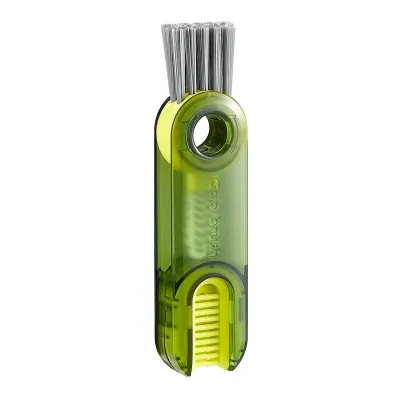
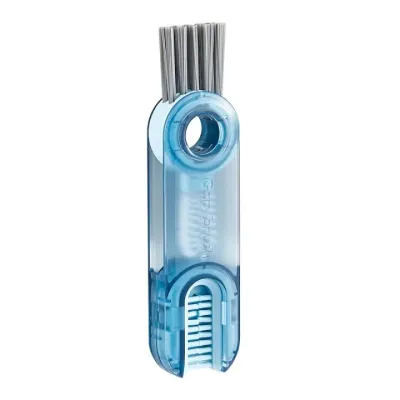
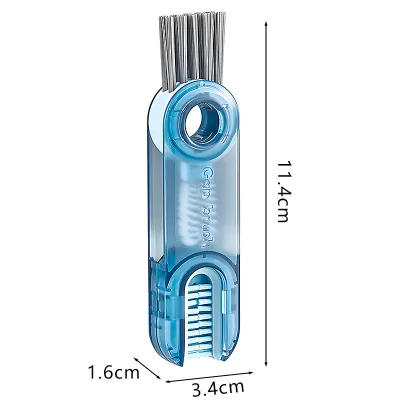
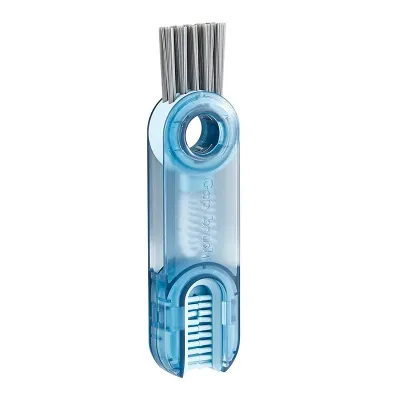
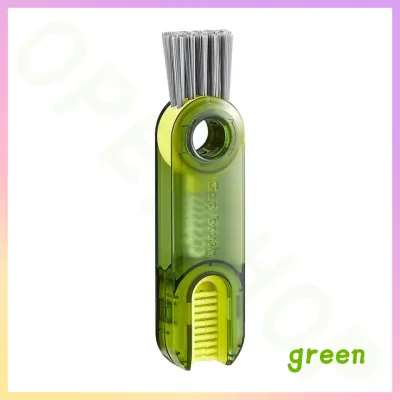
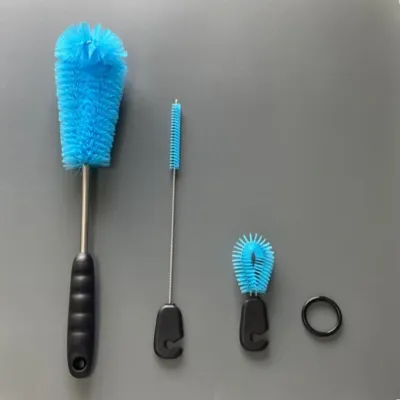
Prices are valid at publication and may change. Please refer to the product page for the latest price.
Verify that the product is explicitly formulated and tested for baby feeding items. General household multi-cleaners or standard dishwashing liquids are formulated for heavy grease on ceramic or metal cookware and often contain harsh degreasers, synthetic colorants, and strong perfumes. A dedicated baby bottle cleaner undergoes specific formulation checks to ensure that any minimal trace residue is non-toxic and safe for an infant’s sensitive digestive system.
The physical format of the cleaner also plays a role in its usability. Ready-to-use foaming pumps are highly convenient for quick spot-cleaning, as they require less water to rinse away and apply pre-lathered soap directly to the bottle brush. Liquid concentrates, on the other hand, are highly economical for soaking large batches of feeding gear, especially in households managing multiple daily feedings. Whichever format you choose, ensure the packaging features a secure, drip-free dispensing mechanism to prevent waste and accidental spills.
Material Compatibility Guide: Glass, Plastic, and Silicone
Different materials demand different chemical environments. Glass is non-porous and highly chemical-resistant, but it is often paired with delicate silicone nipples and plastic collars. Plastics like polypropylene (PP) or polyphenylene sulfone (PPSU) are lightweight but susceptible to micro-scratching and chemical stress cracking. Silicone is flexible and durable but highly porous, meaning it easily absorbs odors and clings to milk fats.

Using the wrong cleaner can lead to physical degradation. For instance, highly alkaline cleaners can accelerate the wear of certain plastics, while abrasive particles can create microscopic grooves in plastic surfaces. These tiny scratches become ideal hiding spots for bacteria and milk fat, which are incredibly difficult to clean out during subsequent washes. Matching the cleaner’s active ingredients to the physical properties of your bottles is the only way to ensure long-term safety and durability.
Glass Bottles
Glass is arguably the most forgiving material when it comes to the bottle body itself. It does not scratch easily, does not absorb odors, and can withstand highly effective cleaning agents without clouding or degrading. However, a glass bottle is rarely used in isolation; it is always assembled with a plastic collar, a travel cap, and a silicone teat. Therefore, your choice of a 3-in-1 cleaner must still prioritize the safety of these secondary, more sensitive components.
Some multi-action cleaners require very hot water or high-temperature rinsing to fully activate their descaling or sanitizing properties. While the glass bottle body can easily handle extreme temperatures, exposing the attached plastic rings and silicone teats to these conditions repeatedly can cause them to warp, stretch, or lose their seal. Always disassemble the bottle completely before washing, and verify if the cleaner’s instructions demand rinsing temperatures that exceed the safe limits of your bottle’s non-glass parts.
Plastic Bottles (PP, PPSU, PES)
Plastic baby bottles come in several varieties, with PP (polypropylene) being the most common and affordable, while PPSU (polyphenylene sulfone) and PES (polyethersulfone) offer higher heat resistance and durability. Despite their strengths, all food-grade plastics are vulnerable to physical and chemical wear. Harsh abrasives, strong acids, or highly alkaline solutions in a 3-in-1 cleaner can cause micro-scratches and surface erosion, which compromise the structural integrity of the bottle over time.
When selecting a cleaner for plastic bottles, look for formulas specifically labeled as “non-clouding” and check for explicit compatibility with PPSU, PES, or PP. Some integrated descaling agents designed to remove hard water minerals can be too aggressive for certain plastics, leading to premature cloudiness or a brittle texture. Always cross-reference the active ingredients of the cleaner with the plastic bottle manufacturer’s care instructions to prevent chemical stress cracking.
In warm, humid climates, plastic bottles are particularly prone to trapping moisture in micro-scratches if they are not dried quickly. This makes it even more critical to avoid any cleaner that could scratch the surface. Ensure the cleaner rinses away completely with minimal friction, leaving a smooth, clean surface that dries evenly without water spots or residue buildup.
Silicone Bottles and Components
Silicone has become incredibly popular for baby bottles and nipples due to its soft, breast-like feel and high heat resistance. However, silicone is a semi-porous elastomer, which means its molecular structure has tiny spaces that can trap external substances. If you use a 3-in-1 cleaner with strong synthetic fragrances or harsh chemical additives, the silicone is highly likely to absorb these compounds, resulting in a persistent soapy taste or chemical smell that can cause a baby to reject the bottle.
Furthermore, silicone has a natural affinity for lipids, meaning milk fat clings to it much more stubbornly than it does to glass or plastic. Your chosen cleaner must contain mild, highly effective plant-based enzymes or surfactants that specifically target and break down milk proteins and fats without requiring aggressive scrubbing. Look for packaging that explicitly states “food-grade silicone safe” or “safe for silicone nipples” to ensure the formula will not cause the material to swell, soften, or degrade.
Regularly inspect your silicone components after washing. If you notice that a nipple has become sticky, cloudy, or has stretched out of shape, it may be reacting poorly to the active ingredients in your cleaner or the washing method. Replacing these components promptly is essential for maintaining a safe feeding flow and preventing choking hazards.
Ingredients and Safety Labels to Verify
When shopping for a 3-in-1 bottle cleaner, the ingredient list on the back of the bottle is your most reliable guide. Caregivers should actively avoid products containing parabens, synthetic dyes, strong artificial fragrances, and unformulated chlorine bleach. These chemicals are not necessary for achieving a clean feeding bottle and pose unnecessary risks of skin irritation, respiratory discomfort, or chemical ingestion for your baby.
Be cautious of front-label marketing terms like “natural,” “organic,” or “plant-derived.” These terms are often used loosely for marketing purposes. Turn the bottle over and look for a transparent ingredient list that specifies the exact sources of the surfactants and cleaning agents. A truly plant-derived cleaner will typically list recognizable, biodegradable ingredients like alkyl polyglucosides (derived from coconut or corn) rather than vague chemical descriptions.
Look for recognized safety testing claims on the packaging, such as “dermatologist-tested,” “pediatrician-approved,” or certifications from independent environmental groups. While these labels offer peace of mind, it is always wise to verify these claims through the manufacturer’s official website or customer service channels if you suspect misleading marketing. In the Philippines, ensuring the product complies with local consumer safety standards is an excellent baseline step before introducing it to your household.
Pay close attention to the pH level indicated on the product label. A neutral pH (around 7.0) or a very mild alkaline level is ideal for baby bottle cleaners. This balance ensures the formula is gentle enough to protect your hands during frequent daily washes while remaining highly effective at lifting stubborn milk residues without corroding the delicate plastic and silicone parts of your feeding equipment.
How to Build Your Shortlist and Test a New Cleaner
Before purchasing a new 3-in-1 bottle cleaner, build a shortlist of potential products that match your bottles’ materials. Start by reading the official care manuals for your specific bottle brands. Many high-end bottle manufacturers provide detailed lists of approved cleaning agents or specify chemical classes (such as avoiding highly acidic or alkaline solutions) that should not be used on their products.
Once you select a cleaner, do not immediately wash your entire inventory of bottles with it. Instead, perform a simple patch test using a single, less-critical component, such as an older silicone nipple or a spare plastic collar ring that you do not rely on for daily feedings. Wash this test piece according to the cleaner’s instructions, rinse it thoroughly, and let it dry completely.
After the test piece is dry, conduct a thorough visual and tactile inspection. Check the component under bright light for any signs of new cloudiness, discoloration, or surface texture changes, such as a sticky or unusually dry feel. Sniff the component closely to ensure it has not retained any chemical or soapy odors. If the test piece passes this inspection, you can safely transition to using the cleaner for your primary feeding bottles, always ensuring you rinse each part thoroughly with clean, safe water.
Frequently Asked Questions (FAQ)
Can I use regular dish soap instead of a dedicated 3-in-1 baby bottle cleaner?
While regular dish soap is highly effective at cutting through heavy grease on family dinnerware, it is generally not recommended for baby bottles, especially those made of plastic or silicone. Regular dish soaps often contain strong synthetic surfactants, artificial colorants, and heavy fragrances designed to linger on plates. These ingredients can leave a thin, invisible chemical film on baby bottles and are easily absorbed by porous silicone nipples, leading to an unpleasant taste and potential digestive irritation for your baby. Dedicated baby bottle cleaners are formulated to rinse away completely with minimal water, ensuring no chemical residues remain.
How do I remove stubborn milk fat or mineral buildup if my 3-in-1 cleaner isn't working?
If you notice a persistent cloudy film or white mineral scale that your 3-in-1 cleaner cannot remove, always consult your bottle manufacturer’s guidelines first. For safe, mild descaling, many manufacturers approve the use of a highly diluted solution of food-grade citric acid or distilled white vinegar mixed with warm water. Soak the affected components for a short period, then wash them thoroughly with your standard bottle cleaner and rinse with clean water. Never use harsh abrasive scrubbers, steel wool, or unverified household chemicals, as these will permanently scratch plastic and degrade silicone, creating crevices where bacteria can multiply.

Community discussion
Share your experience or ask a question. Comments are reviewed before publication.