
Deciding between glass and plastic baby bottles is one of the first major choices parents face when preparing for a new baby. Both materials offer distinct advantages, and reputable brands like Chicco design their feeding lines to meet rigorous safety standards. The ideal choice depends on your family’s daily routine, feeding environment, and how you prioritize material properties like weight, durability, and chemical stability.
Glass bottles are highly valued for their natural composition and exceptional resistance to high temperatures, making them a favorite for parents who prioritize chemical inertness. Plastic bottles, conversely, offer practical convenience, lightweight handling, and shatterproof durability, which are crucial for active households and travel. Understanding how these materials behave under daily use and sterilization is key to determining which option is truly safer and more practical for your baby.
Safety and Material Composition
When evaluating the safety of baby bottles, chemical stability during heating and sterilization is a primary concern. Glass is an inert material, meaning it does not react with food or liquids, nor does it absorb odors or stains over time. Because glass can withstand extreme temperatures without degrading, it provides peace of mind during frequent boiling or steam sterilization, ensuring no chemical substances leach into your baby’s milk.
Products mentioned in this guide
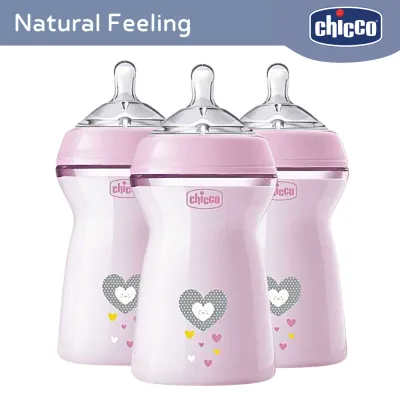
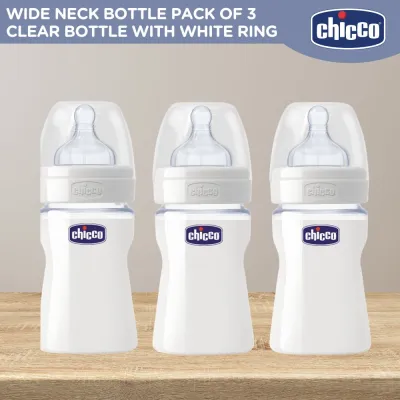
Prices are valid at publication and may change. Please refer to the product page for the latest price.
Plastic bottles require closer inspection of their material composition to ensure they are safe for infant feeding. Modern high-quality plastic bottles are typically made from polypropylene (PP) or polyphenylsulfone (PPSU), which are engineered to be durable and heat-resistant. When purchasing plastic bottles, always verify that the packaging explicitly states they are free from Bisphenol A (BPA), Bisphenol S (BPS), and phthalates, as these chemical compounds are associated with potential health risks.
In warm and humid tropical climates like the Philippines, maintaining hygiene is a constant priority, requiring frequent and thorough sterilization. High humidity can accelerate the growth of bacteria on damp surfaces, making proper heat sterilization essential. Parents must check the specific heat resistance limits printed on the product packaging or manual, as different plastics have varying temperature thresholds that dictate whether they can safely undergo steam, boiling, or UV sterilization.
Durability and Daily Practicality
Daily usability is where the differences between glass and plastic become most apparent. Glass bottles are significantly heavier than their plastic counterparts, which can affect how you feed your baby. While a parent can easily support a heavier glass bottle during early infancy, the weight becomes a factor as your baby grows and attempts to hold the bottle independently to develop fine motor skills.

The risk of breakage is another critical consideration when choosing glass. Accidental drops on hard tile floors, which are common in many homes, can cause glass bottles to shatter or crack, posing an immediate safety hazard. Although tempered glass is designed to resist thermal shock and minor impacts, it still requires careful handling and constant supervision during feeding times.
Plastic bottles excel in durability and portability, making them highly practical for busy lifestyles, daycare, and travel. They do not shatter when dropped, allowing older infants to practice self-feeding with minimal risk. However, plastic is susceptible to scratching from bottle brushes and can become cloudy or retain stubborn milk odors over time, requiring more frequent replacement than durable glass.
Feeding Experience and Nipple Compatibility
The material of the bottle also influences the feeding experience, temperature management, and accessory compatibility. Within the Chicco ecosystem, compatibility is highly streamlined, but parents must still verify that nipples and anti-colic valves match the specific bottle line. For instance, accessories designed for the Chicco NaturalFeeling line may not fit the Well-Being line, regardless of whether the bottle itself is made of glass or plastic.
Temperature retention is another area where the two materials behave differently. Glass bottles tend to retain heat longer, which helps keep warmed breastmilk or formula at a consistent temperature during slow feeds. However, glass also takes longer to warm up in a bottle warmer compared to thin-walled plastic bottles, requiring parents to plan ahead and carefully test the milk temperature on their wrist before feeding.
Visual clarity is excellent in new bottles of both materials, allowing parents to measure formula powder and water accurately. Over time, however, plastic bottles can lose their transparency due to micro-scratches and mineral deposits from hard water. Glass maintains its crystal-clear transparency throughout its lifespan, making it easier to read the measurement markings even after months of intensive use and sterilization.
Decision Framework: Which Material Fits Your Routine?
Choosing the right bottle material does not require finding a single universal winner; instead, it involves matching the material’s strengths to your family’s lifestyle and budget. Many parents find that a hybrid approach—using glass bottles at home and plastic bottles when traveling—provides the best balance of safety and convenience.
Choose Glass if:
- You prioritize maximum chemical inertness and want a material that will never scratch, stain, or retain odors.
- The majority of your feedings take place at home where you can safely manage and wash heavier items.
- You want a long-lasting option that can be reused for future siblings without material degradation.
Choose Plastic if:
- You need lightweight, shatterproof options for travel, outdoor trips, or daycare drop-offs.
- Your baby is transitioning to self-feeding and needs a bottle they can easily grasp and hold.
- You are managing a tighter household budget, as high-quality plastic bottles generally have a lower initial purchase price (often ranging from ₱300 to ₱600 depending on the size and pack) compared to premium glass options.
Before making a final purchase, always verify the current product specifications, age recommendations, and weight limits on the official packaging. Ensuring that the bottle size and nipple flow rate align with your baby’s developmental stage is just as important as choosing the right material.
Care, Sterilization, and Replacement Guidelines
Proper maintenance is essential to extend the lifespan of your baby bottles and ensure they remain hygienic. Both glass and plastic bottles require distinct care routines to prevent damage and contamination. Always refer to the manufacturer’s specific instructions for cleaning, as improper techniques can compromise the structural integrity of the bottles.
For plastic bottles, sterilization methods must be chosen carefully. While most high-quality plastics can withstand steam and boiling water, some types may degrade or warp if exposed to the intense dry heat of certain UV sterilizers over prolonged periods. Additionally, parents should inspect plastic bottles regularly for signs of wear, such as deep scratches, persistent cloudiness, warping, or lingering sour milk odors, and replace them immediately if any of these signs appear.
Glass bottles require a different inspection routine focused on physical integrity rather than chemical degradation. Before every feed, run your fingers along the rim and base of the glass bottle to check for micro-chips, hairline cracks, or weakened areas that could fail under thermal stress. Use a soft sponge or silicone bottle brush instead of stiff wire brushes to avoid scratching the glass surface, which can create weak points over time.
Frequently Asked Questions (FAQ)
Can I mix Chicco glass and plastic bottles in the same sterilizer?
Yes, you can generally sterilize both glass and plastic bottles in the same steam or electric sterilizer, provided both materials are rated for the sterilizer’s operating temperature. Always place the heavier glass bottles securely on the lower racks to prevent them from tipping over and crushing the lighter plastic components. Check the user manuals for both your sterilizer and your bottles to confirm the maximum temperature thresholds and recommended loading layouts.
Do Chicco glass bottles come with protective silicone sleeves?
Some Chicco glass bottle sets include protective silicone sleeves, while others require them to be purchased separately as compatible accessories. These sleeves are highly recommended as they provide a non-slip grip for parents and offer shock absorption to help prevent shattering if the bottle is dropped. Before purchasing, check the product description on the packaging to verify what accessories are included in the box.

Community discussion
Share your experience or ask a question. Comments are reviewed before publication.