
Choosing the right baby bottle is one of the most frequent decisions new parents face. Both glass and high-quality plastic Chicco feeding bottles are safe for infant feeding when you use and maintain them according to the manufacturer’s official guidelines. The ideal choice for your family depends on your baby’s developmental stage, your daily routine, and your specific household environment.
Glass bottles provide a chemically inert, highly durable option that completely eliminates concerns about chemical leaching or microplastics under high heat. However, they are heavy and can shatter if dropped on hard surfaces. High-quality plastic bottles are lightweight, shatterproof, and highly convenient for travel or when your baby starts holding the bottle independently, though they degrade faster and require more frequent replacement. Balancing these practical safety factors will help you select the material that best fits your lifestyle.
Comparing Chicco Bottle Materials: Glass vs. Plastic
Daily feeding involves constant washing, sterilizing, heating, and travel. Understanding the physical differences between glass and plastic helps you plan your daily preparation routine and manage your long-term baby care budget effectively.
Products mentioned in this guide
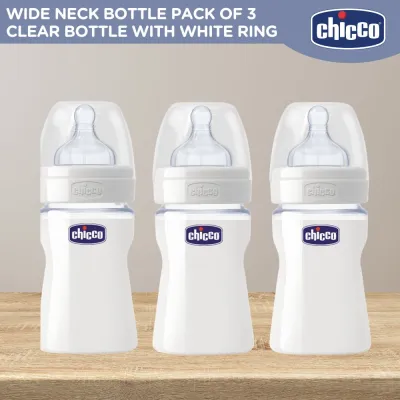
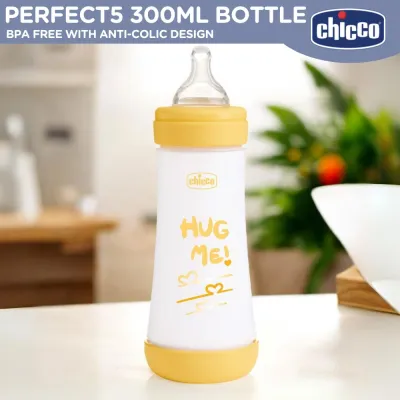
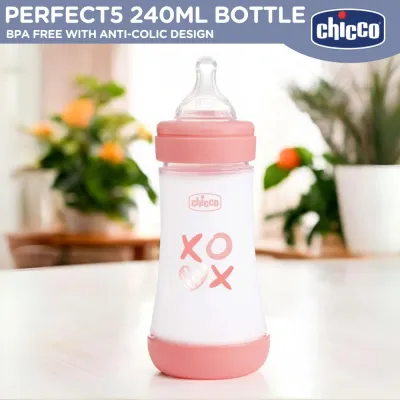
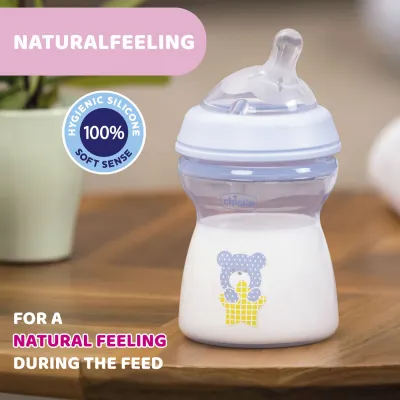
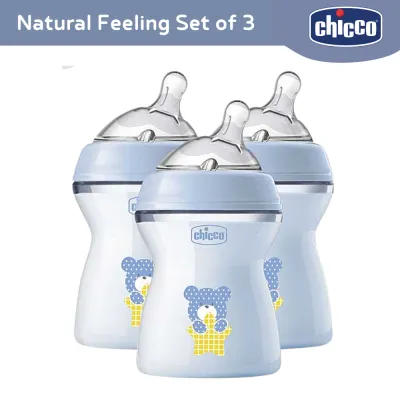
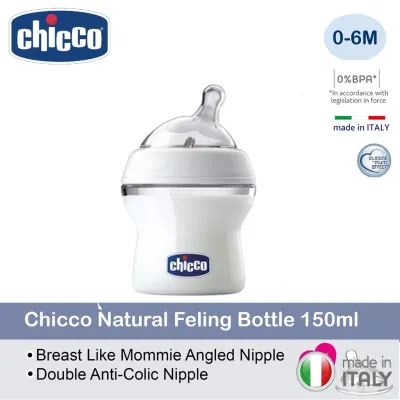
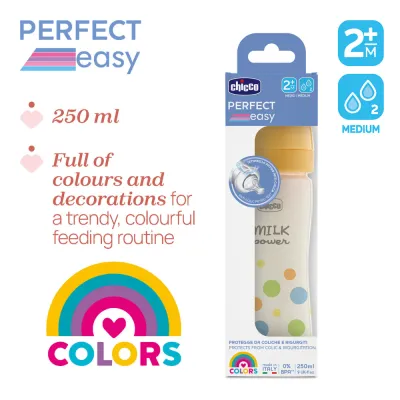
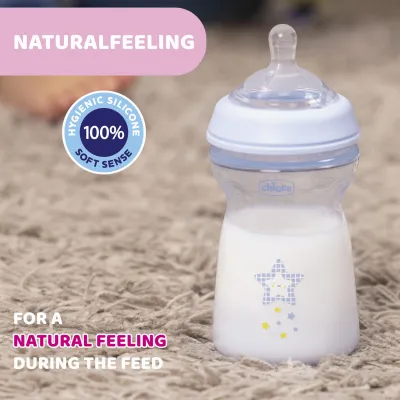
Prices are valid at publication and may change. Please refer to the product page for the latest price.
Glass Bottles: Durability, Weight, and Temperature Resistance
Chicco glass bottles are typically crafted from high-quality borosilicate glass. This specialized material is highly resistant to thermal shock, meaning it can transition from cold to warm temperatures more safely than standard household glass. This thermal stability is particularly useful when you need to warm chilled breast milk or formula quickly.
One of the primary benefits of glass is its highly scratch-resistant surface. Unlike plastic, glass does not easily develop microscopic scratches during cleaning. These micro-scratches can harbor milk residues and bacteria, making glass a highly hygienic option over extended periods of use.
Glass also withstands high temperatures exceptionally well without degrading. It does not warp, discolor, or absorb odors, even after hundreds of sterilization cycles in boiling water or steam sterilizers. This longevity makes glass bottles a cost-effective choice that can easily last through multiple developmental stages or even be reused for future siblings.
However, glass is significantly heavier than plastic. For a newborn, this weight is rarely an issue because a caregiver is always holding the bottle during feeds. As your baby grows and attempts to self-feed, the weight can become tiring for their small hands, potentially leading to frustration during meal times.
The most significant drawback of glass is the risk of breakage. Dropping a glass bottle on hard surfaces—such as the ceramic tile floors common in many Philippine kitchens—can cause it to shatter into dangerous shards. Caregivers must visually inspect glass bottles for chips, hairline cracks, or internal flaws before every single feeding session to prevent injury.
Plastic Bottles: Lightweight Convenience and Shatterproof Design
Chicco plastic bottles offer a highly practical alternative, especially for active families or older infants. The lightweight nature of plastic makes it exceptionally easy to pack multiple bottles into a diaper bag for trips to local malls, parks, or family gatherings.
The primary physical benefit of plastic is its shatterproof design. If a baby drops a plastic bottle from a high chair, stroller, or crib, there is no risk of dangerous glass shards or immediate breakage. This physical safety makes plastic the preferred choice for older babies who are developing their motor skills and learning to hold their own bottles.
However, plastic is a softer material than glass, making it highly susceptible to scratching. Standard bottle brushes, abrasive sponges, or even repeated contact with plastic formula scoops can create micro-grooves on the interior walls over time.
These scratches can trap milk proteins and bacteria, making the bottle harder to clean thoroughly. Additionally, plastic bottles tend to absorb odors and can become cloudy or discolored after repeated sterilization and exposure to the natural fats in breast milk or formula. This physical degradation means plastic bottles have a much shorter operational lifespan than glass.
Safety and Health Considerations for Your Baby
When evaluating bottle safety, chemical exposure is often the primary concern for parents. Modern high-quality plastic bottles from reputable brands like Chicco are formulated to be free from Bisphenol A (BPA) and Bisphenol S (BPS), which are industrial chemicals historically used to harden plastics.

Always verify the “BPA-free” and “BPS-free” labels directly on the product packaging or the manufacturer’s official documentation before purchase. These labels indicate that the plastic does not contain these specific endocrine-disrupting chemicals, ensuring a safer feeding experience for your developing infant.
Another common parental anxiety is the release of microplastics. Exposing certain plastics to high temperatures—such as boiling water or microwave sterilization—can cause the release of microplastic particles into the liquid. Glass is chemically inert, meaning it does not leach any chemicals, microplastics, or odors into the milk, regardless of the temperature of the water used for preparation or cleaning.
To make an informed decision, you must check the specific plastic grade used in the Chicco bottle. Polypropylene (PP) is the most common plastic grade; it is lightweight and affordable but has a lower temperature tolerance and degrades faster. Polyphenylsulfone (PPSU) is a premium, medical-grade plastic that is highly durable, heat-resistant, and offers a longer lifespan, though it is generally more expensive.
Always look for official safety certifications printed on the packaging rather than relying solely on online marketing terms. Check the physical manual or box for recognized compliance marks that prove the material has undergone rigorous quality testing.
Remember that safety is directly tied to proper usage. For instance, putting a plastic bottle through extreme temperature cycles or using harsh abrasive cleaners compromises its material integrity. For glass, avoiding sudden temperature shocks—such as pouring boiling water directly into a cold glass bottle—is crucial to prevent structural failure.
Always supervise your baby during feeding times, regardless of the bottle material. If your baby experiences persistent feeding difficulties, colic, or refusal, consult a pediatrician or a certified lactation consultant rather than assuming a change in bottle material will solve the underlying issue.
Cleaning, Sterilization, and Daily Maintenance
Proper maintenance ensures both materials remain hygienic and safe for your baby. Sterilization is essential, but the methods must align with the specific material of your Chicco bottle to prevent premature wear.
Both glass and high-quality plastic Chicco bottles can be sterilized using boiling water, electric steam sterilizers, or UV sterilizers. However, you must strictly follow the temperature limits and time durations specified in the Chicco product manual.
Exceeding the recommended sterilization times or temperatures can accelerate the degradation of plastic bottles, causing them to warp, release odors, or weaken structurally. For glass bottles, rapid temperature changes during or after sterilization can cause thermal shock, leading to cracks or sudden breakage.
In the humid tropical climate of the Philippines, drying your baby’s bottles properly is a critical step in preventing mold and bacterial growth. After sterilization, place all bottle components—including the collar, nipple, and cap—on a dedicated, clean bottle drying rack.
Position the drying rack in a well-ventilated area away from food preparation zones. Avoid using kitchen towels to dry the bottles, as towels can harbor bacteria and transfer lint to the sterilized surfaces. Ensure the bottles are completely dry before assembling them or storing them in an airtight cabinet.
Establish a daily inspection routine. Before assembling any bottle, perform a quick visual and tactile check to ensure the material is still safe for use.
For plastic bottles, look for deep scratches, persistent cloudiness, discoloration, or a sticky texture. A sticky surface indicates that the polymer chains in the plastic are breaking down, and the bottle must be discarded immediately.
For glass bottles, run your finger carefully along the rim and threads to check for micro-cracks, chips, or rough edges that could injure your baby or cause the bottle to fail under pressure. Discard any glass bottle that shows even the slightest sign of structural damage.
How to Choose the Right Chicco Bottle for Your Family
Choosing between glass and plastic does not have to be an all-or-nothing decision. Your choice should align with your baby’s age, developmental milestones, and your household routine.
- For Newborns and Infants (0 to 6 Months): Glass bottles are highly recommended during the early months. At this stage, caregivers handle all feedings, eliminating the risk of the baby dropping the bottle. The chemical purity and superior hygiene of glass provide peace of mind during the period when your baby's immune system is still developing.
- For Older Babies (6 Months and Above): As babies develop their grip and begin transitioning to self-feeding, plastic bottles become the safer and more practical choice. The lightweight, shatterproof design allows your baby to hold the bottle comfortably without the risk of heavy impact or broken glass if it is dropped from a high chair or stroller.
- For Travel and On-the-Go Feedings: Plastic is highly convenient for diaper bags, daycare, or travel. Packing lightweight plastic bottles reduces the physical load on caregivers and eliminates the worry of breakage during transit.
- The Hybrid Approach: Many families in the Philippines find success by combining both materials. You can use glass bottles for primary feeding at home—where sterilization and storage are controlled—and switch to plastic bottles when traveling, visiting relatives, or during nighttime feeds when fatigue increases the likelihood of drops.
If you adopt a hybrid approach, ensure your baby accepts both options. While babies generally adapt to the nipple shape and milk flow rather than the bottle’s outer material, some sensitive infants may notice the difference in weight or temperature and show a preference. Introduce both materials early if you plan to use them interchangeably.
Chicco bottles in the Philippines typically range from ₱400 for basic single plastic bottles to over ₱1,500 for specialized glass sets or premium PPSU options. Investing in a mix of both materials allows you to balance chemical purity at home with lightweight convenience on the go.
Frequently Asked Questions (FAQ)
Can I mix glass and plastic Chicco bottles for my baby?
Yes, you can safely use both glass and plastic Chicco bottles interchangeably. Babies typically respond to the shape, texture, and flow rate of the nipple rather than the material of the bottle itself. As long as you use the same compatible Chicco nipple series across both bottle types, your baby is unlikely to experience confusion. Keep in mind that older babies might notice the weight difference, but this rarely affects their feeding performance.
How often should I replace plastic Chicco feeding bottles?
Rather than relying on a strict calendar timeline, you should base your replacement schedule on visual and tactile inspections. Inspect plastic bottles daily for signs of wear. If you notice deep scratches, persistent cloudiness, stubborn stains, or a sticky residue on the plastic, replace the bottle immediately. Under normal usage and sterilization conditions, plastic bottles typically need replacement every three to six months, whereas undamaged glass bottles can last indefinitely.
Are all Chicco plastic bottles safe for boiling?
While most high-quality Chicco plastic bottles, such as those made from Polypropylene (PP) or PPSU, are designed to withstand boiling temperatures, you must always verify the specific limits on your product’s packaging. Never assume all plastics have the same thermal tolerance. Always refer to the manufacturer’s instructions for the exact maximum temperature and recommended boiling duration (usually no more than five minutes) to prevent warping or material degradation.

Community discussion
Share your experience or ask a question. Comments are reviewed before publication.