
Quick Answer: Is the Chiboji Nasal Aspirator Safe for Newborns?
Nasal aspirators can be safe for newborns when used correctly and when the specific model is explicitly designed for infant use. However, safety is not universal across all devices. Whether a Chiboji nasal aspirator is safe for your newborn depends entirely on verifying the specific model’s age recommendations, suction limits, and nozzle sizes on the official packaging before use. Because newborns have highly delicate, developing airways, parents must exercise extreme caution.
Newborns are obligate nasal breathers, meaning they naturally breathe almost exclusively through their noses during their first few months of life. Any nasal obstruction can significantly disrupt their feeding, sleeping, and overall comfort. While clearing their airways is important, the nasal passages of an infant are extremely fragile and easily irritated.
Before using any nasal clearance device on a newborn, always consult a pediatrician. This is especially critical if your baby has underlying respiratory issues, was born prematurely, or is recovering from a medical condition. A qualified healthcare professional can provide personalized guidance and ensure that home suctioning is appropriate for your baby’s specific developmental stage.
Products mentioned in this guide
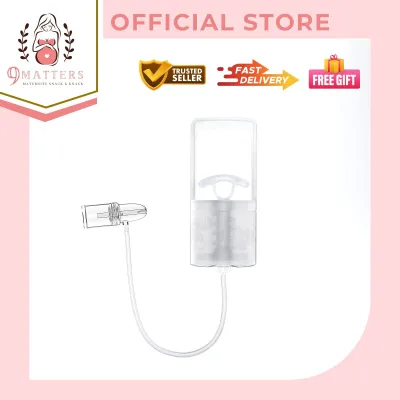
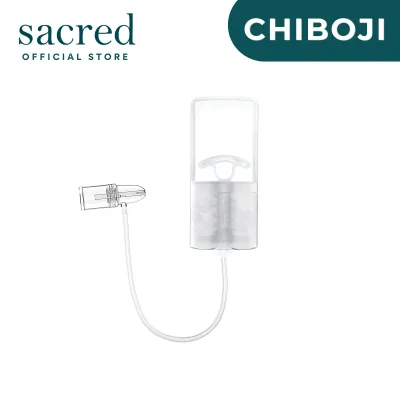
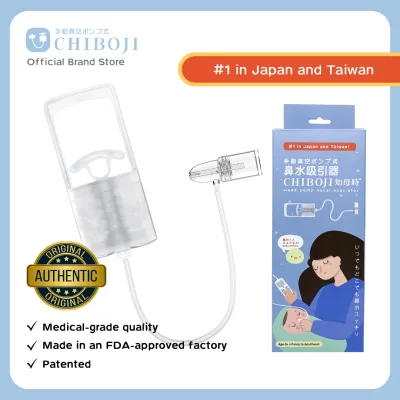
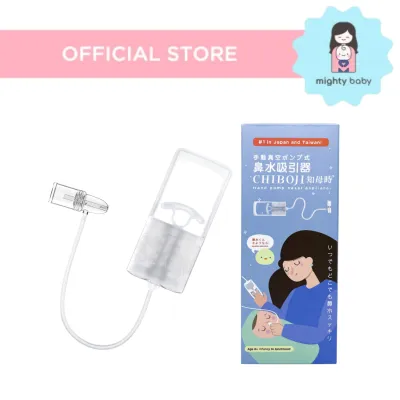
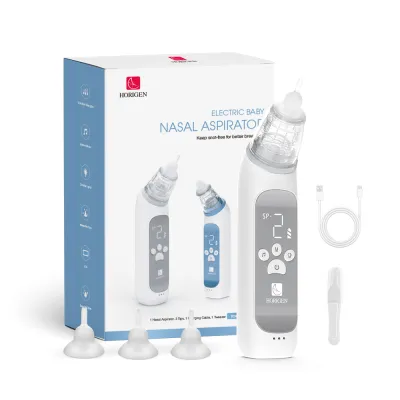
Prices are valid at publication and may change. Please refer to the product page for the latest price.
Essential Safety Checks Before Using Chiboji on Your Baby
Before introducing any nasal aspirator to your newborn, you must perform several vital safety checks. Verifying these details helps prevent physical injury, mucosal irritation, or cross-contamination.

Verify Age and Weight Recommendations
Always read the manufacturer’s label and instruction manual carefully to ensure the specific Chiboji model is rated for newborns (0+ months) rather than older infants. Do not rely on product names or general marketing descriptions. If the packaging does not explicitly state that it is safe for newborns, or if the age guidelines are unclear, do not use the device on your baby.
Inspect the Nozzle Design and Material
Examine the suction tip closely. For a newborn, the nozzle must be made of soft, flexible, medical-grade, and BPA-free silicone. The tip should be wide enough at the base to prevent it from being inserted deep into the baby’s tiny nasal canal. A properly designed nozzle should only rest comfortably at the very opening of the nostril, creating a gentle seal without entering the nose.
Understand the Suction Control Mechanism
The classic Chiboji nasal aspirator utilizes a manual hand-pump design, which allows the caregiver to control the suction strength by pulling a handle. Before using it on your infant, test the pump mechanism to ensure it moves smoothly and does not stick or jerk. If you are using an electric variant, verify that the device has built-in suction limits and adjustable settings, and always start with the lowest possible setting.
Check the Hygiene Barriers and Backflow Prevention
Verify that the device’s hygiene filters or backflow prevention valves are present and correctly installed according to the manufacturer’s instructions. The classic Chiboji design relies on a specific assembly to collect mucus in a nosepiece chamber, preventing fluids from traveling up the tubes into the pump mechanism. Ensure all tubes, valves, and chambers are securely connected to prevent air leaks or cross-contamination.
How to Safely Use a Nasal Aspirator on a Newborn
Using a nasal aspirator on a newborn requires a gentle touch, patience, and a precise technique. Follow these steps to clear your baby’s nose safely and comfortably.
Loosen Mucus with Saline Solution
Never attempt to suction a newborn’s nose dry, as this can easily scrape or irritate the delicate nasal lining. Administer one to two drops of pediatrician-approved saline solution into each nostril before suctioning. Wait approximately one to two minutes to allow the saline to soften and loosen any dry or sticky mucus, making it much easier to extract with minimal suction.
Secure a Safe Positioning
Hold your baby securely to prevent sudden head movements during the procedure. A sudden jerk can cause the silicone nozzle to scrape the inside of the nostril. Cradle your baby gently but firmly in your arms in a semi-upright position, or have another caregiver hold the baby’s head still. Swaddling your baby in a light blanket can also keep their hands from reaching up and interfering with the device.
Adhere to Strict Insertion Depth Rules
Place the soft silicone tip gently against the outer rim of your baby’s nostril to form a seal. Never push, shove, or force the nozzle inside the nasal cavity. The golden rule of newborn nasal aspiration is that the tip must only rest at the nostril opening. Deep insertion can damage the sensitive nasal membranes, cause swelling, or trigger bleeding.
Apply Gentle and Controlled Suction
If you are using the manual hand-pump Chiboji, pull the handle with a slow, steady, and gentle motion. Avoid rapid, forceful, or aggressive pumping. The goal is to create just enough gentle vacuum pressure to draw the loosened mucus into the collection chamber. If the mucus does not clear with a few gentle pulls, stop and reapply saline drops rather than increasing the suction force.
Manage Frequency and Timing
Limit nasal suctioning to critical times of the day, such as right before feeding or before putting your baby down to sleep. This helps your newborn breathe comfortably when eating and resting. Avoid suctioning your baby’s nose more than two to four times a day. Excessive suctioning can irritate the nasal passages, causing the tissues to swell and produce even more mucus, which defeats the purpose of the clearance.
Warning Signs: When to Stop and Seek Medical Help
Nasal aspiration should be a temporary relief measure. Parents must monitor their baby closely for any signs of physical distress or complications. Stop using the device immediately and consult a healthcare professional if you notice any of the following warning signs.
Physical Irritation and Trauma
If you observe any bleeding, swelling, raw skin, or severe redness inside or around your baby’s nostrils, halt the use of the aspirator immediately. The nasal mucosa of a newborn is highly vascularized and thin, meaning it can easily bruise or bleed if subjected to excessive suction or friction. Allow the tissues to heal completely, and consult your pediatrician before attempting to use the device again.
Behavioral Distress and Panic
Pay close attention to your baby’s behavioral cues. If your baby is crying excessively, panicking, struggling vigorously, or showing signs of breath-holding during the suctioning process, stop immediately. Forcing the procedure can lead to accidental injury. Comfort your baby and let them calm down completely before deciding if another gentle attempt is necessary.
Ineffective Mucus Clearance
If you have applied saline drops and attempted gentle suctioning but the congestion does not improve, do not increase the suction pressure. The congestion may be caused by swollen nasal tissues due to a cold or allergies, rather than actual mucus buildup. Suctioning will not relieve swollen tissues and may actually worsen the inflammation.
Red Flag Symptoms
In the Philippines, environmental factors like high humidity, dust, and indoor air conditioning can contribute to infant congestion. However, you must be able to distinguish simple congestion from serious respiratory illness. Seek immediate medical attention from a qualified pediatrician if your baby exhibits any of the following red flag symptoms:
- Persistent congestion that does not improve after a few days
- A fever or unusual lethargy
- Nasal flaring (nostrils widening significantly with each breath)
- Chest retractions (the skin pulling in sharply around the ribs or collarbone when breathing)
- Rapid breathing or grunting sounds
Proper Cleaning and Maintenance to Prevent Infections
In a warm and humid tropical climate, mold, mildew, and bacteria can multiply rapidly on damp surfaces. Strict cleaning protocols are essential to ensure the nasal aspirator remains hygienic and safe for repeated use.
Disassemble the Device Immediately
Do not let mucus sit or dry inside the aspirator components. Immediately after every use, take apart all removable parts of the Chiboji, including the silicone nosepiece, the collection chamber, and the connecting tubing. Refer to the manufacturer’s manual to identify which parts are designed to be washed and which must remain dry.
Wash and Dry Thoroughly
Wash all washable components in warm, soapy water using a mild dishwashing liquid. Rinse every part thoroughly under clean, running water to remove all soap residue. Place the cleaned parts on a fresh paper towel or a clean drying rack in a well-ventilated, dry area. Ensure every component is completely air-dried before reassembling, as any trapped moisture can lead to mold growth inside the device.
Understand Sterilization and Replacement Guidelines
Verify the manufacturer’s instructions regarding sterilization. While some silicone tips can withstand boiling water or steam sterilization, other plastic components or the manual pump mechanism itself must never be exposed to high heat or submerged in water. Submerging the pump cylinder can ruin the internal lubrication and trap moisture, leading to internal mold. Replace worn-out silicone tips or damaged valves promptly.
Store in a Safe and Clean Environment
Once all components are entirely dry, reassemble the device and store it in a clean, dry, and covered container. Keep the container in a cool place away from direct sunlight, household dust, and high humidity. Proper storage ensures the aspirator remains sterile and ready for safe use whenever your baby needs it.
Frequently Asked Questions (FAQ)
Can I use a Chiboji electric aspirator on a 1-week-old baby?
You must check the specific model’s instruction manual and packaging for the official age rating. Many electric nasal aspirators have preset suction levels that may be too powerful for the highly fragile nasal passages of a one-week-old infant. The classic manual-pump Chiboji is often preferred by parents because it allows the caregiver to manually regulate the suction strength. However, even with manual devices, extreme care is required during the first few weeks of life. Always verify that the specific model is explicitly rated for newborns (0+ months) and consult your pediatrician before using any suction device on a one-week-old baby.
How many times a day is it safe to suction a newborn's nose?
Generally, pediatricians recommend limiting nasal suctioning to 2 to 4 times a day. It is highly beneficial to schedule these sessions right before feeding times or before putting your baby down to sleep, as this helps them breathe easily during these essential activities. Avoid over-suctioning your baby’s nose. Excessive use can cause the delicate nasal membranes to swell and produce even more mucus, which ultimately worsens the congestion and causes unnecessary discomfort for your newborn.
What should I do if the aspirator causes a minor nosebleed?
If you notice a small amount of blood or pink-tinged mucus, stop using the nasal aspirator immediately. Keep your baby upright and calm, as crying can increase blood flow to the nasal passages. Gently wipe away any blood with a clean, damp cloth, and apply light external pressure by gently holding the soft sides of your baby’s nose for a minute or two. Do not insert anything into the baby’s nostrils to stop the bleeding. Monitor your baby closely; if the bleeding does not stop within a few minutes, or if your baby shows any signs of breathing difficulty, seek immediate medical care from a pediatrician.

Community discussion
Share your experience or ask a question. Comments are reviewed before publication.