
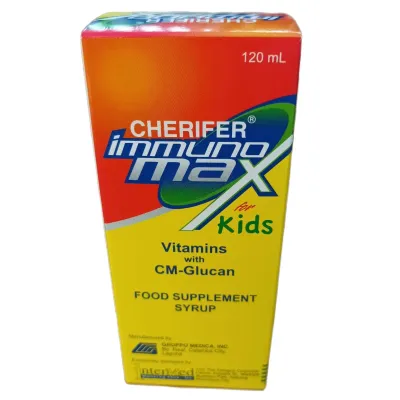
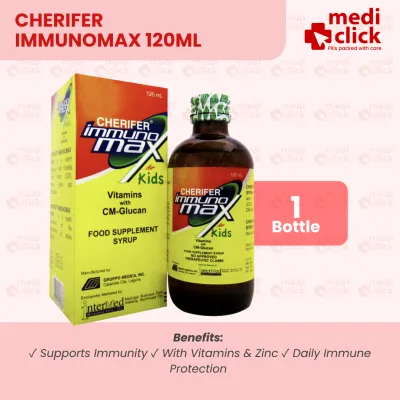
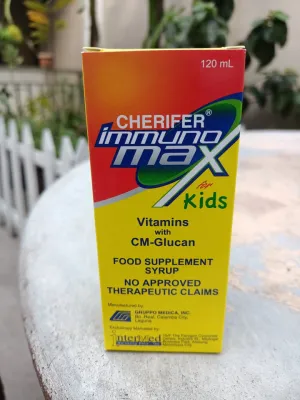
Cherifer Immunomax Kids is a popular dietary supplement in the Philippines formulated with active ingredients like Chlorella Growth Factor (CGF), taurine, lysine, and essential vitamins and minerals. Its safety for your child depends on strict adherence to age-appropriate dosages, verifying individual allergen profiles, and ensuring it complements rather than replaces a balanced diet. Because every child’s nutritional needs and health baselines differ, evaluating the ingredient label and consulting a pediatrician remain the safest steps before introducing any new supplement to your child’s daily routine.
Identifying the Core Ingredients and Their Roles
When selecting a pediatric supplement, the physical packaging is your most reliable source of truth. Manufacturers list the exact formulation, including active ingredients and their precise concentrations per serving, directly on the box or bottle label. Parents should develop the habit of reading these panels carefully, as formulations can vary between different product sizes or liquid and chewable formats.
Common active components in pediatric supplements like Cherifer Immunomax Kids typically include vitamins, minerals, amino acids, and proprietary botanical or yeast extracts. For instance, vitamins such as Vitamin A, Vitamin C, and the Vitamin B-complex are standard inclusions designed to support general metabolic functions, cellular maintenance, and dietary gap-filling. Minerals like zinc are also frequently included to support normal physiological processes.
Products mentioned in this guide

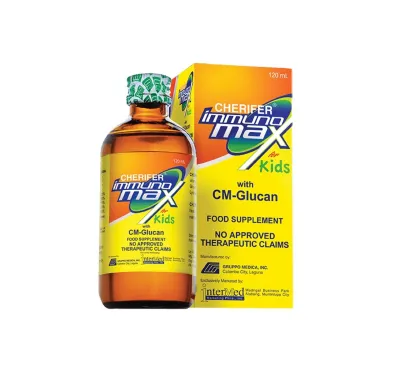
Prices are valid at publication and may change. Please refer to the product page for the latest price.
Another notable component often highlighted in this specific product line is Chlorella Growth Factor (CGF), alongside amino acids like taurine and lysine. In general nutritional science, amino acids serve as the building blocks of proteins, which are essential for normal tissue repair and development. CGF, derived from green algae, is traditionally included in regional formulations with the intent of supporting general cellular health, though parents should view these as supportive dietary elements rather than guaranteed growth stimulants.
Beyond these active nutrients, it is equally important to identify the inactive ingredients, also known as excipients. These substances do not provide nutritional value but are necessary to stabilize the formula, preserve shelf life, and make the supplement palatable for children. In liquid syrups, these often include purified water, sweeteners like sucrose or sorbitol, preservatives, and artificial fruit flavorings. Recognizing these inactive components helps caregivers manage sugar intake and avoid potential sensitivities.
Assessing Safety and Age Appropriateness
Determining whether a supplement is safe for your child begins with verifying the manufacturer’s age and developmental guidelines. Pediatric formulations are carefully calibrated for specific age brackets, as a toddler’s metabolic capacity and nutritional requirements differ significantly from those of an older child or teenager. Never assume a supplement is safe for an infant or young toddler unless the packaging explicitly states suitability for that specific age range.

Caregivers must also cross-reference the complete ingredient list against their child’s known allergies, food sensitivities, or dietary restrictions. For example, some liquid supplements contain preservatives, artificial colorings, or flavorings that can trigger sensitivities in sensitive individuals. If your child has diagnosed food allergies, check for potential cross-contamination warnings or hidden sources of allergens in the excipient list.
In the tropical climate of the Philippines, maintaining a child’s hydration and balanced nutrition through fresh, local foods is the foundation of health. Dietary supplements are designed strictly to fill minor nutritional gaps, not to serve as a substitute for a diverse diet rich in whole grains, lean proteins, fruits, and vegetables. Relying on a syrup to replace the vitamins naturally found in fresh meals can lead to an unbalanced approach to long-term nutrition.
Furthermore, physical development and weight should guide your assessment of supplement suitability. If a child is underweight or experiencing developmental delays, introducing a commercial supplement without professional guidance may mask underlying health issues. Always prioritize establishing healthy eating habits and consult a professional to determine if a supplement is truly necessary for your child’s unique growth trajectory.
Establishing Safe Usage and Dosage Boundaries
Administering supplements safely requires a comprehensive view of your child’s total daily nutrient intake. Many modern household foods, such as milk formulas, breakfast cereals, and juices, are heavily fortified with vitamins and minerals like Vitamin A, Vitamin D, and zinc. When you combine these fortified foods with a daily multi-vitamin syrup, there is a risk of exceeding the recommended daily upper limits, which can strain a child’s developing kidneys and liver.
To prevent accidental over-supplementation, carefully calculate the cumulative amount of fat-soluble vitamins (such as Vitamins A and D) and minerals your child consumes each day. Unlike water-soluble vitamins, which the body easily excretes in urine, fat-soluble nutrients accumulate in bodily tissues and can cause adverse effects if consumed in excessive amounts over time. Keep a written log of all fortified foods and supplements to ensure the total remains within safe, age-appropriate boundaries.
While monitoring intake is crucial, caregivers must also remain vigilant for any immediate physical reactions after introducing a new supplement. Stop using the product immediately if you observe signs of digestive distress, such as nausea, vomiting, stomach cramps, or diarrhea. Similarly, watch for allergic reactions like skin rashes, hives, or sudden behavioral changes, and seek medical advice if these symptoms persist.
Accidental ingestion is another significant risk, particularly with sweet, fruit-flavored pediatric syrups that children may mistake for treats. Always store the bottle securely in a high, locked cabinet or a dedicated medicine box out of your child’s sight and reach. In the warm and humid climate of the Philippines, ensure the storage location is also cool and dry, away from direct sunlight, to preserve the stability of the active ingredients and prevent spoilage.
When to Seek Pediatric Guidance
Before introducing any dietary supplement to your child’s routine, scheduling a consultation with a pediatrician is the safest course of action. This step is especially critical if your child has pre-existing medical conditions, chronic illnesses, or a compromised immune system. Certain active ingredients can interact unexpectedly with prescription medications or alter the absorption of other essential nutrients.
During your medical visit, bring the physical product packaging or a clear photograph of the ingredient label to show the doctor. This allows the pediatrician to review the exact concentrations of active components, such as Chlorella Growth Factor, taurine, and specific vitamins, in relation to your child’s current health status. They can identify any potential contraindications or confirm if the formulation aligns with your child’s specific developmental needs.
It is important to remember that a pediatrician is the only professional qualified to diagnose nutritional deficiencies or evaluate growth patterns. Self-diagnosing a child as “stunted” or “malnourished” based on peer comparisons can lead to inappropriate supplementation choices. A professional evaluation typically involves physical measurements, dietary assessments, and sometimes blood tests to determine if a targeted therapeutic intervention is required.
Relying on advice from online forums, social media, or well-meaning relatives cannot replace personalized medical guidance. Every child’s body processes nutrients differently, and what works safely for one child may not be suitable for another. Establishing a collaborative relationship with your pediatrician ensures that any supplement used is both necessary and safe for your child’s long-term well-being.
Frequently Asked Questions (FAQ)
Can this supplement be taken alongside other daily vitamins?
Combining multiple dietary supplements is generally not recommended unless specifically advised by a healthcare professional. Many pediatric vitamins contain overlapping ingredients, particularly fat-soluble vitamins and minerals like zinc, which can accumulate to unsafe levels in a child’s body. To ensure safety, list all vitamins, fortified milks, and supplements your child consumes, and have a pharmacist or pediatrician review the complete stack to prevent accidental over-supplementation.
What should I do if my child misses a dose or takes too much?
If your child misses a scheduled dose of their supplement, simply skip the missed dose and resume the regular schedule the following day; never double the dose to make up for it. In the event of an accidental overdose or if your child consumes a large amount of the syrup, seek emergency medical assistance immediately or contact a local poison control center. Keep the product packaging on hand so medical professionals can quickly identify the exact ingredients and concentrations ingested.
How long does it take to see noticeable changes in my child?
Dietary supplements are designed to support long-term nutritional balance and do not produce immediate, visible physical changes. Any potential benefits depend heavily on your child’s baseline nutritional status, overall diet, and individual absorption rates. Caregivers should focus on maintaining consistent, healthy dietary habits and regular pediatric check-ups rather than expecting rapid growth or behavioral changes from a supplement alone.

Community discussion
Share your experience or ask a question. Comments are reviewed before publication.