
Deciding between a dedicated changing table and a standard dresser with a removable changing pad is one of the most practical choices you will make when setting up your nursery. While a dedicated changing table offers specialized, open shelving designed specifically for quick diaper access, a sturdy dresser topped with a secure changing pad provides long-term storage that grows with your child. The right choice depends on your home’s layout, your budget, and how you plan to use the furniture once your baby outgrows diapers.
Assess Your Nursery Space and Layout
Before purchasing any nursery furniture, you must measure your available floor space to understand how different layouts affect your daily routine. A dedicated changing table often has a smaller, lighter footprint, making it easier to tuck into tight corners or place in a shared bedroom. However, if your nursery is small, adding both a dresser for clothes and a separate changing table can quickly overcrowd the room and block essential pathways to the crib.
Using a single, multi-functional dresser with a changing pad on top saves valuable floor space by combining storage and changing functions into one unit. Consider the daily traffic flow in your home, especially during late-night changes when you need a clear, unobstructed path between the crib, the changing station, and the bathroom. If you live in a multi-story home, you might even decide to set up a primary changing station in the nursery and a smaller, portable setup in your main living area to avoid frequent trips up and down the stairs. In tropical climates like the Philippines, keeping the nursery well-ventilated is also key, so avoiding bulky furniture that blocks airflow from windows or air conditioning units is a practical layout consideration.
Products mentioned in this guide
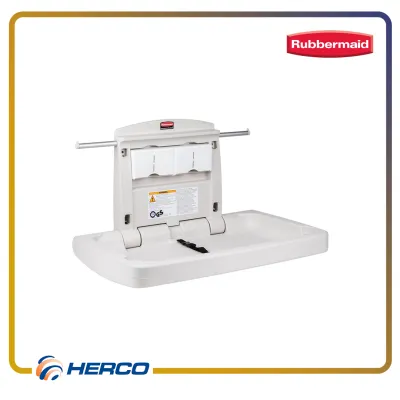
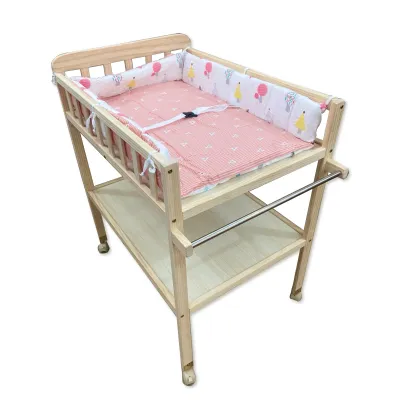
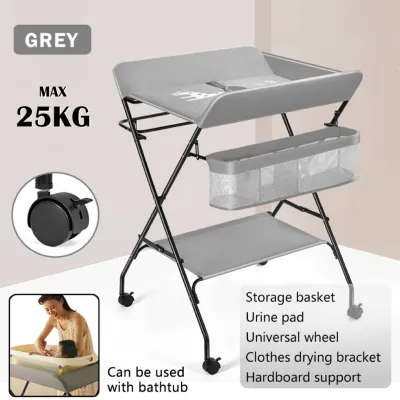
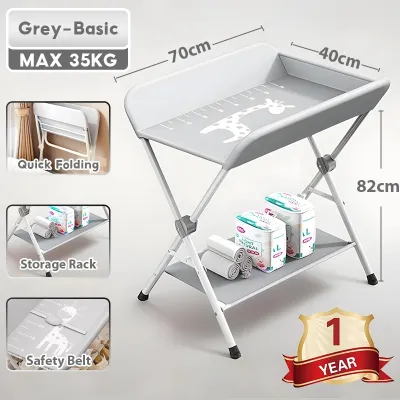
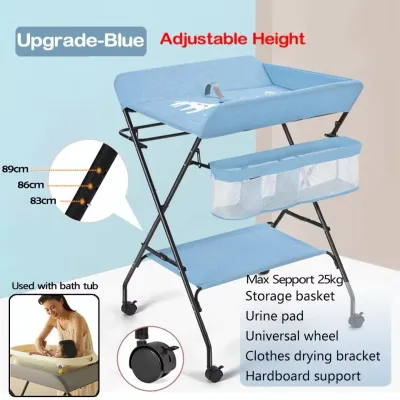
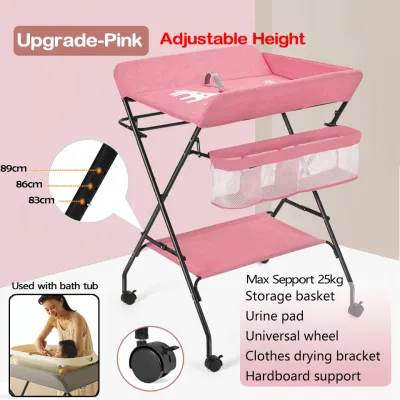
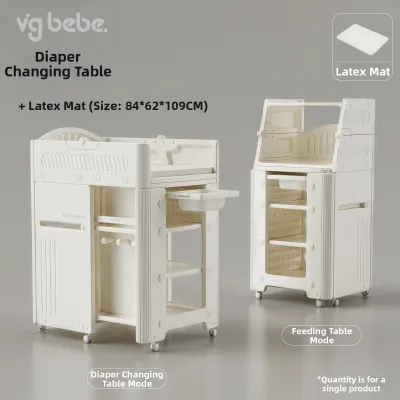
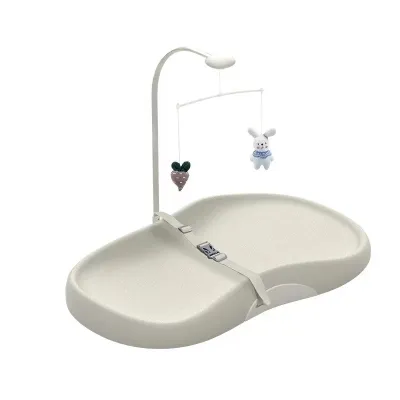
Prices are valid at publication and may change. Please refer to the product page for the latest price.
Compare Long-Term Value and Furniture Lifespan
A dedicated changing table is a specialized piece of furniture with a relatively short lifespan. Once your child is toilet trained, these tables often become obsolete or require creative repurposing as toy shelves or utility carts. If you plan to have more children close in age, you may get several consecutive years of use out of a single changing table, making the initial investment more practical.

In contrast, a high-quality dresser offers excellent long-term value because it transitions seamlessly into a standard bedroom piece as your child grows. By simply removing the changing pad and storage caddy, the dresser remains fully functional for childhood, adolescence, and even adulthood. While a solid wood dresser might require a larger upfront investment—often costing several thousand pesos (₱)—the cost per year of use is significantly lower than a single-use changing table. This long-term utility makes the dresser a highly sustainable choice for growing families looking to maximize their household budget.
Evaluate Ergonomics and Daily Convenience
Diaper changes happen multiple times a day, making physical comfort and ergonomics a top priority for parents. The height of your changing surface is crucial; it should ideally align near your waist or hip level to prevent you from bending over and straining your lower back. Dedicated changing tables are manufactured to standard ergonomic heights, whereas dressers vary widely, so you must measure the dresser’s top surface while keeping your own height in mind.
Convenience also depends on how easily you can access supplies while keeping your baby safe. Dedicated changing tables usually feature open shelves, allowing you to grab diapers, wipes, and fresh onesies with one hand while keeping your other hand securely on your baby. If you choose a dresser, you can achieve a similar setup by organizing the top drawers with dividers or placing a sturdy diaper caddy right next to the changing pad. Keeping these items within arm’s reach is essential, as you should never leave your baby unattended on an elevated surface, even for a split second.
Verify Safety Standards and Installation Requirements
Safety is the most critical factor when setting up any elevated changing surface. Heavy furniture like dressers poses a serious tip-over hazard as babies grow and begin to pull themselves up on open drawers. You must check the manufacturer’s instructions and use an anti-tip anchoring kit to secure any dresser or heavy changing table firmly to the wall studs. This step is non-negotiable for preventing household accidents as your child becomes mobile.
The changing pad itself must be secured properly to prevent it from sliding off the top surface. Look for contoured changing pads that feature safety straps to hold your baby, as well as bottom fabric straps or metal brackets that screw directly into the back of the dresser or changing table. Always verify the manufacturer’s maximum weight limits and structural stability guidelines to ensure the setup can safely support your growing baby. Additionally, check that any paint, finish, or material used on the furniture meets current safety standards and is free from harmful chemicals.
Make Your Final Decision: Which Setup Fits Your Family?
To make the best choice for your home, evaluate your space, budget, and long-term storage needs. A dedicated changing table is often the right choice if you have a spacious nursery, prefer open-shelf organization, or want a lightweight, budget-friendly option that you can easily move or pass on to another family later. This setup works well when you already have built-in closet organizers and do not need a massive chest of drawers.
On the other hand, a dresser with a secure changing pad is the smarter option if you want to maximize your investment and save floor space in a smaller room. This versatile setup keeps your nursery looking cohesive and ensures you will not have to buy new bedroom furniture in a few short years. Once you make your decision, prioritize purchasing your furniture early so you have ample time to assemble it, secure the wall anchors, and organize your supplies before your baby’s arrival.
Frequently Asked Questions (FAQ)
Can I put a changing pad on any regular dresser?
Yes, you can place a changing pad on a regular dresser, provided the dresser is sturdy, flat, and wide enough to support the pad without any overhang. The top surface must be deep enough so the changing pad sits completely flat, and you must secure the pad to the back of the dresser using the manufacturer’s provided straps or brackets. Additionally, use a non-slip pad underneath to prevent shifting, and always ensure the dresser itself is anchored to the wall to prevent tipping.
When should I stop using the changing station?
You should stop using an elevated changing station when your baby reaches the manufacturer’s specified weight or height limit, which is typically around 30 pounds (approximately 13.6 kilograms). You must also transition away from an elevated surface when your baby begins to roll over actively, sit up unassisted, or attempt to climb out of the changing area. Once these physical milestones are reached, switching to a clean mat on the floor is the safest way to prevent accidental falls.

Community discussion
Share your experience or ask a question. Comments are reviewed before publication.