
Finding the right diaper in the Philippines requires balancing performance with household expenses. With the tropical heat and high humidity, diaper performance directly impacts your baby’s comfort and skin health. There is no single “best” diaper among Champ, Pampers, Equator, and Huggies; the right choice depends on your baby’s unique body shape, skin sensitivity, and your household’s changing frequency and budget. This guide breaks down how to evaluate these brands based on packaging specifications, observable fit, and cost-per-diaper calculations to help you make an informed decision.
By focusing on objective, observable factors, you can avoid the trial-and-error cycle that often leads to wasted packs and diaper rash. Understanding how each brand designs its products allows you to match their features to your baby’s daily routine.
Understanding the Contenders: Brand Positioning and Core Features
Each diaper brand in the local market targets specific parenting needs, ranging from budget-friendly utility to premium, feature-rich designs. Champ baby diapers are generally positioned as an accessible, practical option for daily use, focusing on straightforward protection and high-volume value. This makes them a popular choice for households that prioritize frequent daytime changes to keep skin fresh in warm weather.
Products mentioned in this guide
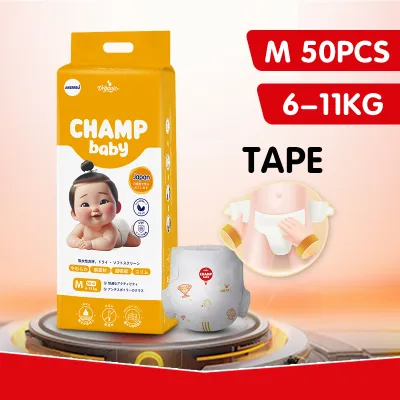
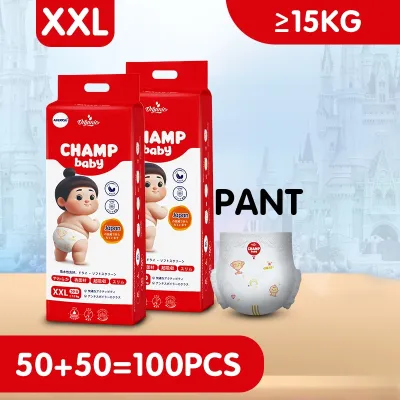
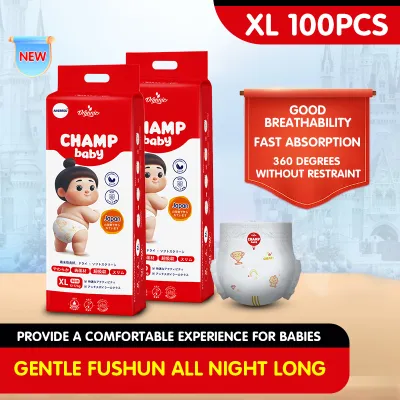
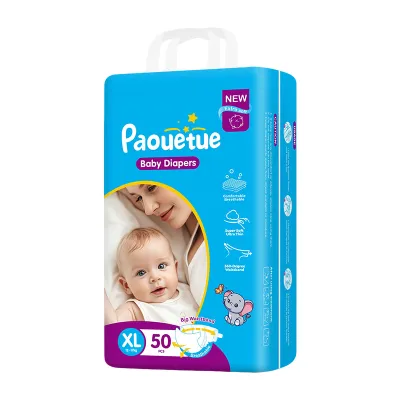
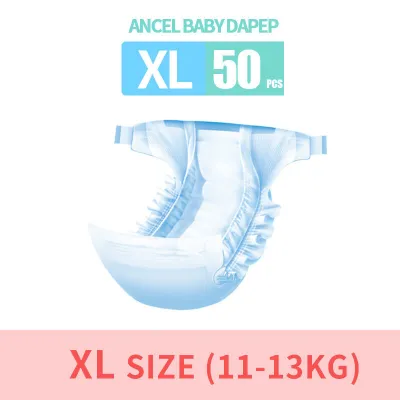
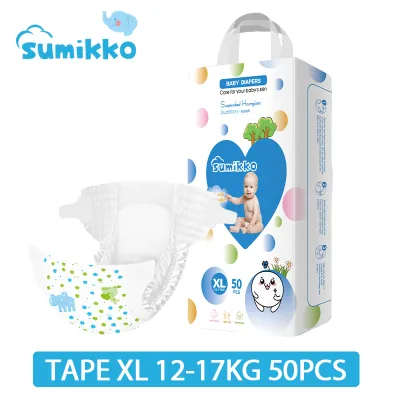
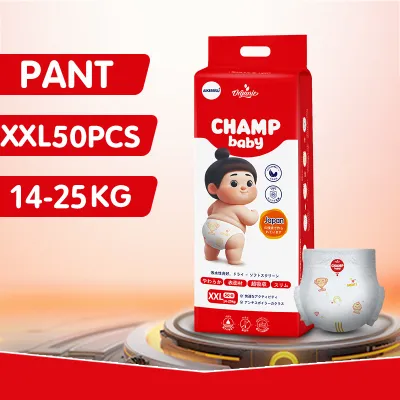
Prices are valid at publication and may change. Please refer to the product page for the latest price.
In contrast, Pampers is widely recognized for its focus on thinness and long-lasting dryness, often utilizing advanced absorbent channels in both its standard and premium lines. Equator typically positions itself as an economical, no-frills alternative, offering basic containment features designed to keep costs low for budget-conscious families. Huggies offers a diverse range of products, from their standard dry lines to premium variants, with a strong design emphasis on secure waistbands and robust leak guards.
Because product lines within each brand vary significantly, it is crucial to compare equivalent tiers. A basic, budget-friendly tier from one brand will not perform the same as a premium, high-absorbency tier from another. Always check the specific sub-line or variant name on the packaging to ensure you are comparing similar features and price points.
Absorbency and Leak Protection: What to Check on the Label
Absorbency is the core function of any diaper, but you do not have to rely on vague marketing promises to evaluate it. When shopping, examine the packaging for specific descriptions of the diaper’s core technology. Look for terms indicating superabsorbent polymer (SAP) distribution, specialized distribution layers, or integrated channel designs that help distribute liquid evenly rather than letting it pool in one spot.

To assess actual absorbency performance at home, observe the diaper during and after use. Check if the diaper sags heavily after only one or two wetness cycles, which indicates poor liquid distribution. Touch the inner lining during a change; a high-performing core should feel relatively dry to the touch, keeping moisture away from your baby’s skin.
Keep in mind that daytime and nighttime needs differ significantly. If your baby is a heavy wetter or frequently wakes up damp, standard daytime diaper designs may not suffice. In these cases, you may need to size up for overnight use or switch to a dedicated night variant that features a thicker absorbent core, regardless of the brand’s standard daytime performance claims.
Fit, Sizing, and Comfort: Matching the Diaper to Your Baby's Shape
Diaper sizing is not universal, and relying solely on the weight guidelines printed on the packaging can lead to leaks or discomfort. While the weight range in kilograms provides a helpful starting point, your baby’s unique body shape is the ultimate deciding factor. A baby with chunky thighs may require a larger size or a different cut than a tall, lean baby of the exact same weight.
When examining a diaper’s physical design, pay close attention to the waistband and leg cuffs. Look for a highly elastic waistband that stretches comfortably without leaving deep impressions on the skin. The leg cuffs should feature flexible, double-layered leak guards that stand upright to create a secure barrier against blowouts.
To determine if a diaper fits poorly, look for clear physical signs during changes. Red marks or indentations around your baby’s thighs or waist indicate the diaper is too tight or the elastic is too stiff. Conversely, frequent leaks around the legs or gaps between the diaper and your baby’s skin when they crawl or sit indicate the diaper is too loose or the cut is too wide for their frame.
Softness and Skin Sensitivity: Managing Rash Risks and Material Claims
In a hot and humid climate, diaper softness and breathability are critical for preventing skin irritation. Before committing to a brand, feel the inner and outer linings of the diaper yourself to check for a soft, fabric-like texture. Review the packaging for any ingredient lists, noting the presence of added lotions, fragrances, or specific fiber types that might interact with your baby’s skin.
It is important to understand that labels like “hypoallergenic” or “dermatologically tested” indicate that the manufacturer has followed specific testing standards, but they do not guarantee a rash-free experience. Every baby’s skin chemistry is unique, and a material that works perfectly for one infant may cause irritation for another when mixed with sweat and friction.
To manage skin health safely, establish clear stop-use conditions. If you observe persistent redness, peeling, small bumps, or a severe diaper rash that does not improve with frequent changes and barrier creams, immediately discontinue using the current diaper brand. Consult a pediatrician or qualified healthcare professional to address the irritation and identify potential material sensitivities.
Evaluating Price and Overall Value: Calculating the True Cost per Change
To find the best value, you must look past the retail price of the package and calculate the unit cost. Use a simple formula to determine the true cost per diaper: divide the total price of the pack in ₱ by the number of individual diaper pieces inside. This allows you to compare different package sizes and brands on an equal financial footing.
| Brand/Tier Type | Typical Packaging Focus | Cost-per-Diaper Calculation Method | Primary Value Consideration |
|---|---|---|---|
| Budget Tiers (e.g., Champ, Equator) | High piece count, basic features | Pack Price (₱) / Total Pieces | Best for frequent daytime changes |
| Standard/Premium Tiers (e.g., Pampers, Huggies) | Advanced cores, wetness indicators | Pack Price (₱) / Total Pieces | Best for overnight use and travel |
However, the cheapest diaper per unit does not always deliver the best overall value. If a low-cost diaper leaks frequently, requires double-layering, or must be changed twice as often to prevent rashes, you will consume more diapers daily. A slightly more expensive diaper with higher absorbency may end up costing less over a month because you use fewer pieces overall.
To optimize your budget, track bulk purchase prices on online marketplaces or during local supermarket sales. Buying in bulk typically reduces the cost per diaper, but be careful not to overstock smaller sizes. Babies grow rapidly, and you do not want to be left with a large supply of diapers that no longer fit.
Decision Framework: Which Brand Fits Your Baby's Needs and Budget?
Choosing the right diaper involves matching your daily routine and your baby’s physical needs to the strengths of each brand tier.
Choose Champ or Equator if:
- Your baby does not have highly sensitive skin and you maintain a strict daytime changing schedule of every two to three hours.
- You want to minimize your upfront diaper expenses and prefer buying high-volume packs for daytime utility.
- Your baby's body shape matches the standard, straightforward cut of these budget-friendly options without experiencing leg gaps.
Choose Pampers or Huggies if:
- You need a highly absorbent diaper for overnight sleep, long outings, or travel where frequent changes are difficult.
- Your baby is prone to skin irritation and benefits from advanced moisture-wicking channels that keep the skin dry.
- You require specific features like wetness indicators or highly elastic waistbands to accommodate a very active, crawling baby.
Verify first if:
- Your baby has a diagnosed skin condition, such as eczema, which requires you to check the material composition and fragrance status of the diaper before use.
- Your baby has highly unique proportions, in which case you should inspect the stretch and cut of the leg cuffs to prevent chafing.
Before committing to a large bulk purchase of any new brand, always buy the smallest trial pack available. Test the diapers over a forty-eight hour period to observe how they handle your baby’s movements, wetness levels, and skin sensitivity under normal daily conditions.
Frequently Asked Questions (FAQ)
Can I mix different diaper brands for daytime and nighttime use?
Yes, mixing diaper brands is a highly practical and cost-effective strategy used by many parents. You can use a budget-friendly option like Champ or Equator for frequent daytime changes when you can monitor and change your baby quickly. Then, switch to a more absorbent, premium option like Pampers or Huggies for overnight sleep to ensure uninterrupted rest and reliable leak protection. If you use this strategy, ensure both brands fit your baby comfortably to avoid skin friction caused by switching between different cuts.
How do I know if it is time to size up my baby's diaper?
Do not rely solely on the weight guidelines on the packaging, as physical fit is a much more accurate indicator. It is time to size up if you notice red marks around your baby’s thighs or waist, experience frequent leaks or blowouts, or find it difficult to fasten the tape tabs comfortably. Additionally, if the diaper looks disproportionately low on your baby’s waist or does not fully cover their bottom, moving up to the next size will provide better containment and comfort.

Community discussion
Share your experience or ask a question. Comments are reviewed before publication.