
Calcium is an essential mineral that serves as a primary building block for structural development, and it is a crucial ingredient in prenatal supplements because it supports the rapid formation of your baby’s skeleton and teeth while protecting your own maternal bone density. During pregnancy, your body undergoes remarkable changes to support the growth of a new life, making this mineral a dual priority for both mother and child.
Understanding Calcium and Its Role in Fetal Development
The primary job of calcium during gestation is to support the formation of the fetal skeleton and teeth. From the early weeks of pregnancy through the third trimester, your baby’s bones are rapidly developing and hardening, requiring a steady and reliable supply of calcium to ensure proper bone density and structural integrity.
If your daily intake of calcium is insufficient, your body will prioritize the baby’s developmental needs. The fetus draws the necessary calcium directly from your own skeletal reserves, which can deplete your maternal bone density and potentially increase your long-term risk of bone weakness.
Products mentioned in this guide
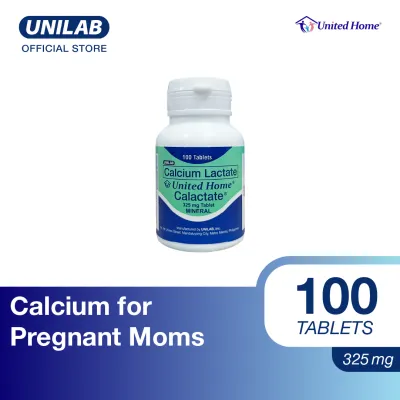


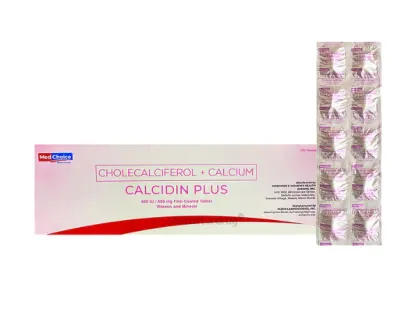

Prices are valid at publication and may change. Please refer to the product page for the latest price.
Maintaining an adequate supply of this mineral is therefore essential to safeguard your own bone health while supporting the rapid skeletal growth of your baby. Understanding this biological relationship is the first step in evaluating your daily nutritional choices and supplement options.
How to Evaluate Your Calcium Needs During Pregnancy
Evaluating your personal calcium requirements begins with a close look at your daily diet. Take a moment to review the foods you consume regularly, noting how often you eat dairy products, fortified items, or leafy greens to establish a baseline of how much calcium you naturally absorb from your meals.

Next, examine the packaging of any prenatal supplements you are currently taking. Many comprehensive prenatal vitamins contain some calcium, but the amount can vary significantly between brands, so you should check the nutrition facts panel on the back of the bottle to find the exact milligrams of calcium per serving.
It is common to find that a standard prenatal multivitamin does not provide the full daily recommended amount of calcium. This is often because calcium is a bulky mineral, and including the entire daily requirement in a single pill would make the tablet too large to swallow comfortably, meaning you may need to address this gap through targeted dietary adjustments or an additional supplement.
Rather than self-diagnosing a deficiency or purchasing extra supplements immediately, schedule a conversation with your healthcare provider. An obstetrician or a registered dietitian can evaluate your specific needs based on your unique dietary habits, lifestyle, and medical history to provide personalized recommendations.
In tropical climates like the Philippines, where daily routines and local food availability can vary, professional guidance is especially valuable. Your doctor can help you map out a practical nutrition plan that fits your daily life and local food access, ensuring both safety and efficacy.
Reading Prenatal Supplement Labels for Calcium
When shopping for a prenatal calcium supplement, reading the product label carefully is essential for making an informed choice. You will typically find calcium listed in one of several chemical forms, such as calcium carbonate or calcium citrate, each with distinct characteristics that affect how your body processes and absorbs the mineral.
Calcium carbonate is a highly common and cost-effective form, but it requires stomach acid to dissolve properly. For optimal absorption, you should take calcium carbonate supplements alongside a meal, which helps your body utilize the mineral more efficiently.
On the other hand, calcium citrate can be absorbed efficiently with or without food, making it a flexible option if you experience pregnancy-related nausea or irregular eating schedules. This form is often preferred by individuals who require a supplement that is gentle on an empty stomach.
Another critical detail to look for on the label is the presence of other minerals, particularly iron. Calcium and iron utilize similar absorption pathways in the human digestive tract, meaning they can compete with each other and reduce overall absorption if taken together.
Always verify the manufacturer’s specific instructions, serving sizes, and expiration dates printed on the packaging. A single serving might require taking multiple capsules or tablets, so checking these details ensures you are consuming the product safely and getting the intended nutritional value.
Additionally, look for clear quality markers on the label, such as third-party testing seals or manufacturing certifications. These indicators help verify that the product contains the ingredients listed on the label without harmful contaminants, giving you peace of mind during your pregnancy journey.
Safe Usage and When to Consult Your Doctor
While calcium is vital for a healthy pregnancy, maintaining the correct dosage is crucial for your safety. You must follow the exact serving sizes specified on the product label or those prescribed by your healthcare provider, as consuming excessive amounts of calcium does not offer extra benefits and can lead to unwanted health complications.
Supplements are designed to complement a balanced diet, not to replace whole foods. Your primary source of nutrition should always be a diverse range of wholesome meals, with supplements serving to fill specific nutritional gaps rather than acting as a total replacement.
There are specific circumstances where you should immediately stop using a calcium supplement and consult your doctor. If you experience persistent digestive discomfort, constipation, or unexpected side effects, seek professional medical advice to adjust the dosage or switch to a different form of calcium.
Individuals with a personal or family history of kidney stones must exercise extra caution when considering calcium supplements. Your doctor can help determine if supplementation is safe for you and monitor your kidney health throughout your pregnancy.
Finally, if you are taking other prescription medications, discuss potential interactions with your healthcare provider before starting a calcium supplement. Calcium can bind to certain medications, reducing their effectiveness, so a professional can help you establish a safe schedule to ensure all your health needs are met without interference.
Frequently Asked Questions (FAQ)
Can I take calcium and iron supplements at the same time?
It is generally recommended to avoid taking calcium and iron supplements at the exact same time. Calcium can significantly interfere with your body’s ability to absorb iron, which is another critical nutrient needed during pregnancy to prevent anemia. To maximize the benefits of both minerals, try to space them out by at least two hours.
Always check your product labels for specific timing instructions, as some formulations may have unique guidelines. Consulting your healthcare provider is the best way to establish a daily schedule that coordinates your supplement intake with your meals to ensure optimal absorption of both calcium and iron.
What are the best dietary sources of calcium during pregnancy?
A variety of foods can help you meet your daily calcium needs naturally. Dairy products such as milk, yogurt, and cheese are excellent and highly bioavailable sources of calcium. If you are lactose intolerant or prefer plant-based options, fortified alternatives like soy milk, almond milk, and orange juice can also provide substantial amounts of this mineral.
Additionally, certain leafy green vegetables, tofu, and canned fish with soft bones are good dietary sources. When purchasing packaged foods, always check the nutrition facts label to verify the actual calcium content per serving, and consider consulting a registered dietitian for a personalized meal plan.

Community discussion
Share your experience or ask a question. Comments are reviewed before publication.