
Is Burt's Bees Belly Butter Safe During Pregnancy?
Expectant mothers navigating the journey of pregnancy often find themselves scrutinizing every product in their vanity. Burt’s Bees Belly Butter is widely recognized as a popular choice for deeply hydrating stretching skin, but the label “natural” should never be taken as an automatic guarantee of safety. While this product is generally formulated without harsh synthetic chemicals, parabens, phthalates, or petrolatum, every pregnancy is unique, and natural botanical ingredients can still trigger skin sensitivities or allergic reactions.
Skincare formulations are not static; manufacturers frequently update their ingredient lists, and regional variations can exist across different global markets. Because of this, the most reliable way to verify the safety of any topical product is to examine the physical International Nomenclature of Cosmetic Ingredients (INCI) list printed on the packaging in your hand. What is safe for one individual may cause irritation for another, particularly as pregnancy hormones alter skin barrier function and immune responses.
In the tropical climate of the Philippines, where high humidity and heat can amplify skin sensitivity and perspiration, choosing the right moisturizer requires extra care. Pregnant individuals should always consult their OB-GYN or a dermatologist before introducing a new topical product into their daily routine, especially during the first trimester when fetal organogenesis is taking place. A quick professional review of the packaging ensures that your personal skincare choices align with your medical profile.
Products mentioned in this guide
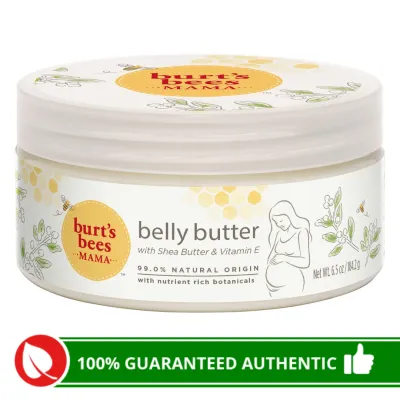
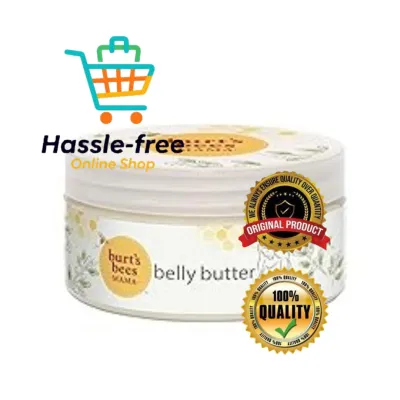
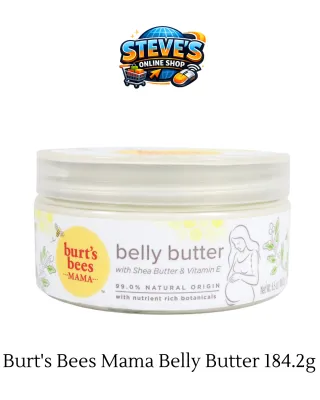
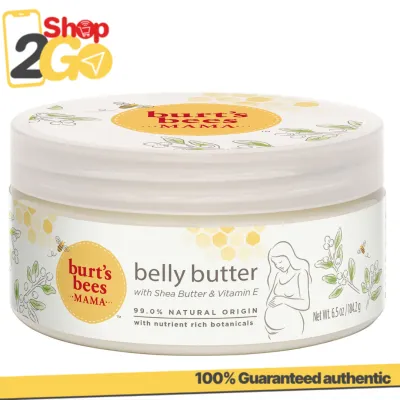
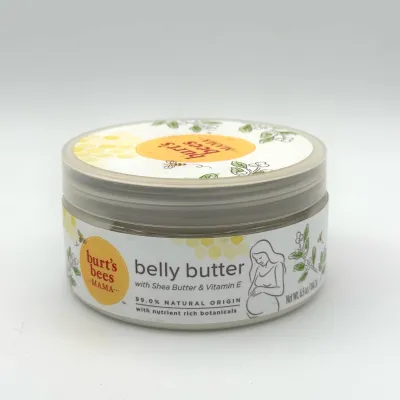
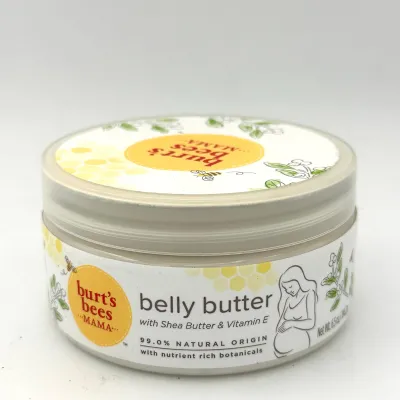
Prices are valid at publication and may change. Please refer to the product page for the latest price.
While this belly butter is highly regarded for its ability to soothe dry, itchy skin as your abdomen grows, it should be viewed as a supportive hydration tool rather than a medically active treatment. It is designed to support the skin’s natural elasticity, but it does not replace targeted medical advice for severe dermatological conditions. Taking a cautious, informed approach to your maternity skincare routine helps protect both your skin health and your peace of mind.
Decoding the Ingredient List: What to Look For
Understanding what goes onto your body is just as important as monitoring what goes into it, as topical applications can be absorbed through the skin barrier. To evaluate whether this belly butter is suitable for your specific needs, it is helpful to break down the formulation into its primary functional categories. By analyzing the hydrating bases and the botanical extracts separately, you can make an informed decision based on your personal allergy history and skin type.

Hydrating Base Ingredients
The foundation of most high-quality belly butters consists of rich emollients and occlusives designed to lock in moisture and soften the skin. In typical formulations of this product, you will find nourishing agents such as shea butter, cocoa seed butter, jojoba butter, and plant-derived oils like sweet almond oil and canola oil. These ingredients work in harmony to mimic the skin’s natural lipid barrier, preventing transepidermal water loss and keeping the stretching abdominal wall supple.
During pregnancy, these heavy plant butters are generally recognized as safe for topical use, offering a reliable defense against the intense dryness that often accompanies rapid body changes. They provide a protective layer that helps soothe the micro-tears and irritation associated with stretching dermal layers. For most expectant mothers, these rich lipids offer immediate comfort without the risk of systemic absorption associated with stronger dermatological actives.
However, the hormonal fluctuations of pregnancy can sometimes trigger unexpected immune responses or brand-new sensitivities to ingredients you previously tolerated. If you have a known history of nut or seed allergies, ingredients like sweet almond oil or macadamia derivatives require careful consideration. Always verify that the specific plant oils used in your batch do not pose an allergen risk, and monitor your skin closely for any signs of localized reactivity.
Botanical Extracts, Essential Oils, and Fragrance
Beyond the moisturizing bases, natural skincare products often incorporate various botanical extracts and essential oils to enhance texture, preservation, or skin-soothing properties. While these plant extracts are celebrated for their natural origins, certain essential oils are highly debated or outright contraindicated during pregnancy. Some concentrated plant extracts contain compounds that, in large quantities, are believed to stimulate uterine activity or influence hormonal balance, though the topical absorption from a commercial lotion is typically very low.
Because of these theoretical risks, it is highly recommended to scan the ingredient list for any specific essential oils, such as rosemary extract or chamomile, and cross-reference them with pregnancy-safe botanical guidelines. Your healthcare provider can help you determine if the concentration of any plant extract in the product is safe for your specific stage of pregnancy. Being proactive about these botanical ingredients prevents unnecessary exposure to potential sensitizers.
Another critical factor to consider is the presence of “Fragrance” or “Parfum” on skincare labels. Pregnancy frequently induces a heightened sense of smell (hyperosmia), which can turn previously pleasant scents into immediate triggers for morning sickness and nausea. Furthermore, synthetic or even complex natural fragrance compounds are common culprits behind contact dermatitis, particularly on the highly sensitive, stretched skin of the abdomen. Opting for fragrance-free formulations, which this belly butter typically highlights, minimizes the risk of both sensory discomfort and skin irritation.
Common Maternity Skincare Ingredients to Avoid
To put the safety profile of belly butters into perspective, it is useful to understand which common skincare ingredients are universally flagged as unsafe or highly risky during pregnancy. Obstetricians and dermatologists consistently advise pregnant individuals to avoid topical retinoids, which include retinol, retinyl palmitate, and prescription-strength tretinoin, due to their documented links to developmental risks. High concentrations of salicylic acid (beta hydroxy acids or BHAs) and skin-lightening agents like hydroquinone are also excluded from pregnancy-safe routines due to concerns over systemic absorption.
These powerful active ingredients are typically utilized in anti-aging, acne-fighting, or hyperpigmentation treatments rather than basic moisturizing creams. Because belly butters are designed strictly for deep hydration, barrier repair, and itch relief, they are generally formulated without these high-risk compounds. Knowing that these harsh actives are absent can provide significant reassurance to expectant mothers seeking simple, protective body care.
Nevertheless, the modern beauty market is diverse, and specialized variants of maternity creams may occasionally introduce new active ingredients to target specific skin concerns. For this reason, you should never assume a product is safe simply because of its category or brand name. Performing a quick, systematic check of the ingredient label ensures that no unexpected active derivatives, chemical sunscreens, or harsh preservatives have found their way into the specific bottle you plan to purchase.
Safe Application Practices Across Trimesters
- First Trimester: During the first three months, your body undergoes rapid hormonal shifts, and morning sickness is often at its peak. Focus your skincare routine on mild hydration and sensory comfort. Apply a very small, pea-sized amount of the butter to a localized area to ensure the texture and lack of scent do not trigger nausea. This period is also the ideal time to establish a baseline of skin compatibility before your body begins its most rapid physical expansion.
- Second Trimester: As your baby bump becomes noticeable and the skin begins to stretch, dryness and localized itching often intensify. This is the optimal time to expand your application area to include the abdomen, breasts, hips, and thighs. To maximize the hydrating benefits, apply the butter immediately after a lukewarm shower while your skin is still slightly damp, which helps lock in moisture and keeps the dermal barrier flexible.
- Third Trimester: During the final stretch, the skin on your abdomen is under maximum tension, and itching can become a daily discomfort. Continue applying the butter twice daily, focusing on gentle, sweeping upward motions. Avoid deep tissue massage or putting firm pressure on your abdomen; instead, use light, circular strokes to distribute the product evenly and soothe the surface nerves.
- Performing a Patch Test: Before committing to full-body application at any stage of your pregnancy, always perform a patch test. Apply a small coin-sized amount of the belly butter to a clean patch of skin on your inner arm or upper thigh. Leave it undisturbed for 24 to 48 hours to monitor for any delayed allergic reactions, redness, or swelling, ensuring your skin can safely tolerate the formulation.
Warning Signs and When to Consult Your OB-GYN
While mild itching is a common side effect of stretching skin, you must remain vigilant about how your body reacts to any topical application. If you experience sudden redness, hives, severe itching, swelling, blistering, or a persistent burning sensation after applying the product, discontinue use immediately. Thoroughly wash the area with cool water and a mild, soap-free cleanser to remove any remaining residue from your skin.
It is important to distinguish between ordinary pregnancy-induced dry skin and more serious dermatological conditions that require medical intervention. Intense, unrelenting itching—especially on the palms of your hands and the soles of your feet—can be a sign of intrahepatic cholestasis of pregnancy (ICP), a serious liver condition that requires immediate medical attention. Similarly, the sudden appearance of itchy, red bumps that spread across stretch marks could indicate Pruritic Urticarial Papules and Plaques of Pregnancy (PUPPP), which must be diagnosed and managed by a healthcare professional.
If you develop any unusual skin rashes, systemic symptoms, or if you feel uncertain about how your skin is responding to a product, do not attempt to self-treat with additional over-the-counter creams. Schedule a consultation with your OB-GYN or a dermatologist to get an accurate diagnosis. To make your appointment as productive as possible, bring the physical container of the belly butter or a clear, high-resolution photograph of the ingredient label so your doctor can evaluate the formulation directly.
Frequently Asked Questions (FAQ)
Can I use Burt's Bees Belly Butter while breastfeeding?
Yes, you can generally continue using this product postpartum, but you must take specific precautions to protect your nursing infant. Avoid applying the belly butter directly to the breasts, nipples, or areola areas, as infants can easily ingest the cream during feeding. If you have applied the product anywhere near your chest, thoroughly wash the area with mild soap and water before nursing, and consult your pediatrician or a lactation consultant to ensure your postpartum skincare routine remains completely safe for your baby.
Does this belly butter guarantee the prevention of stretch marks?
No topical cream or butter can guarantee the complete prevention of stretch marks (striae gravidarum). The development of stretch marks is primarily influenced by genetic predisposition, hormonal changes, and the rapid rate at which your skin stretches during pregnancy. While a high-quality belly butter is highly effective at maintaining skin elasticity, relieving itchiness, and supporting the skin barrier, its role is to keep the skin hydrated and comfortable rather than preventing structural dermal changes.
Is it safe to use on other parts of the body during pregnancy?
This product is highly versatile and can be safely applied to other areas of the body that experience intense dryness or stretching, such as the hips, thighs, lower back, and buttocks. However, because of its rich, heavy, and highly emollient nature, you should avoid applying it to broken skin, open wounds, or mucous membranes. Additionally, if you are prone to acne or have oily skin, avoid using this heavy butter on your face, as the dense plant oils may clog pores and trigger breakouts.

Community discussion
Share your experience or ask a question. Comments are reviewed before publication.