
When your baby is congested, finding the right tool to clear their tiny nasal passages is essential for their comfort, feeding, and sleep. The best nasal syringe for your baby depends on their age, the consistency of their mucus, and your comfort level with different suction methods. While a classic bulb syringe is highly affordable and widely available, manual pump aspirators offer superior suction control, and electric models provide consistent, automated power for frequent congestion.
Navigating baby congestion can be challenging, especially in warm, humid tropical climates where dust and seasonal changes often trigger stuffy noses. Choosing the right device requires balancing suction effectiveness, ease of cleaning, and safety. By understanding how each type of nasal syringe operates, you can make an informed decision that keeps your little one breathing easily.
Comparing the Three Main Types of Nasal Syringes
To choose the right tool, it helps to understand the design, mechanics, and typical use cases of the three primary options available on the market.
Products mentioned in this guide
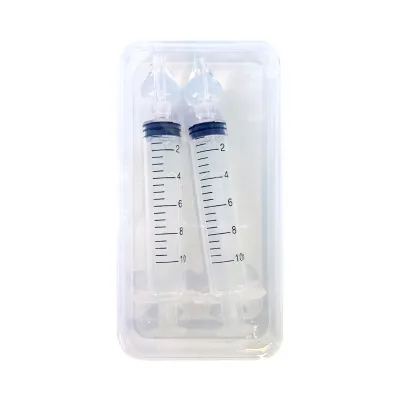
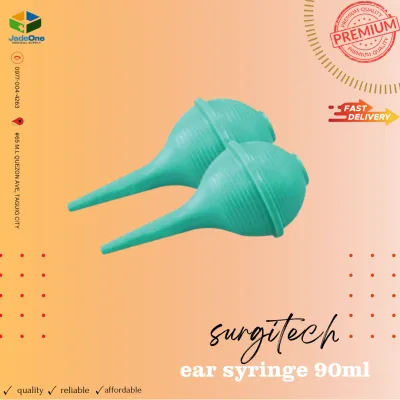
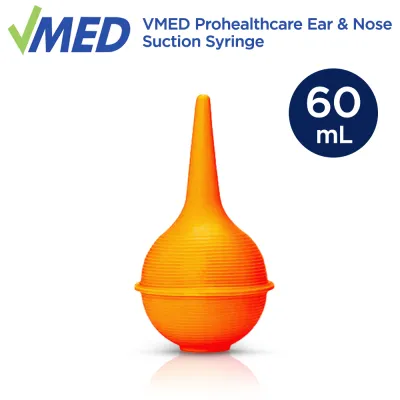
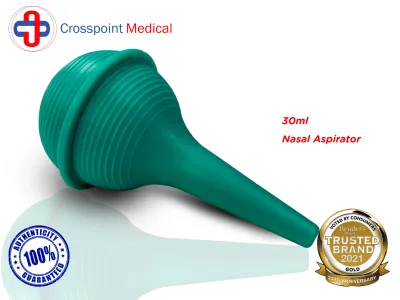
Prices are valid at publication and may change. Please refer to the product page for the latest price.
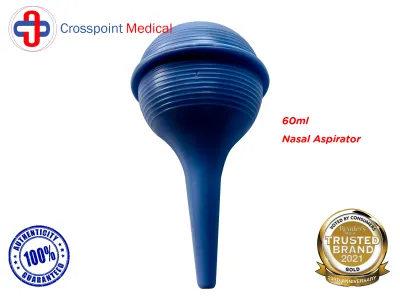
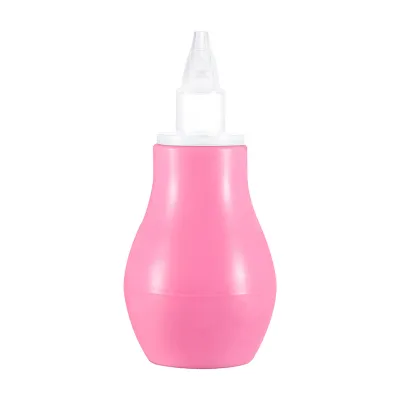
Bulb syringes are the traditional choice, often provided in newborn care kits or local pharmacies. These devices feature a simple, one-piece rubber or silicone squeeze-bulb design with a tapered tip. To use it, you compress the bulb, gently insert the tip into the baby’s nostril, and release the bulb to create suction. While they are highly affordable—often costing under ₱150—they require careful technique. Releasing the bulb too quickly or inserting the tip too deeply can irritate or damage the delicate nasal mucosa.
Manual pump aspirators, often referred to as mouth-suction or nasal pump aspirators, offer a modern alternative. These devices typically consist of a soft silicone tip, a collection chamber, a length of flexible tubing, and a mouthpiece for the caregiver. Instead of squeezing a bulb, you place the mouthpiece in your mouth and gently inhale to draw mucus into the chamber. A built-in hygiene filter prevents any mucus or bacteria from reaching your mouth. This design gives you precise, real-time control over the suction strength, allowing you to adjust your inhalation based on your baby’s comfort.
Electric nasal aspirators are battery-operated or rechargeable devices designed for maximum convenience. They feature a motorized pump that generates continuous, steady suction at the press of a button. Most electric models come with multiple silicone tips of varying shapes and sizes to accommodate growing nasal passages. While they carry a higher upfront cost—frequently ranging from ₱1,000 to ₱3,000 or more—they eliminate the physical effort of squeezing or inhaling. However, the motor does produce a mild humming sound, which may startle some infants, and they require regular battery replacement or charging.
Evaluating Suction Power, Hygiene, and Ease of Use
When comparing these three types, three critical factors dictate how well they perform in daily life: suction effectiveness, cleaning requirements, and overall portability.

Suction effectiveness must be carefully matched to your baby’s age and the thickness of their mucus. Bulb syringes provide a quick, single burst of suction, which is often sufficient for thin, watery newborn mucus but struggles with thick, stubborn congestion. Manual pump aspirators excel here because you can sustain the suction for several seconds and increase your inhalation force to clear thicker blockages. Electric aspirators provide a steady, continuous draw, but their maximum suction power is often electronically limited for safety, meaning they may require the assistance of saline drops to loosen thick mucus beforehand.
Cleaning and hygiene are paramount to prevent the growth of mold and bacteria, especially in humid environments. Bulb syringes are notoriously difficult to clean because their opaque, one-piece design makes it impossible to see inside. Water can easily become trapped, leading to hidden mold accumulation, which is why many pediatricians recommend replacing them frequently or choosing models that can be twisted apart. Manual pump aspirators disassemble completely, allowing you to wash the tip, chamber, and tubing with warm soapy water, though you must ensure the long tubing dries completely to prevent mildew. Electric models feature removable collection cups and silicone tips that are easy to wash, but you must be careful not to submerge the motorized base in water. Always check the manufacturer’s instructions regarding boiling, steam sterilization, or UV sterilizer compatibility.
Portability and convenience determine how easily you can manage congestion on the go. Bulb syringes are incredibly compact and require no accessories, making them easy to toss into a diaper bag for quick outings. Manual pump aspirators are also highly portable, though they require you to keep track of spare hygiene filters and the tubing assembly. Electric aspirators are the bulkiest option and require a reliable power source, whether that means carrying spare AA batteries or ensuring the device is fully charged before leaving the house.
Decision Framework: Which Nasal Syringe Fits Your Needs?
Selecting the ideal nasal syringe involves matching the device’s strengths to your specific caregiving situation, budget, and baby’s developmental stage.
You should choose a bulb syringe if you are dealing with mild, occasional congestion in a newborn and prefer a highly budget-friendly, straightforward tool. It is an excellent option to keep in your travel kit or diaper bag for emergencies. Because newborns have very small nasal passages, a bulb syringe with a narrow, soft silicone tip can quickly clear minor blockages before feedings.
You should choose a manual pump aspirator if you want maximum control over the suction strength and need to clear thicker, more stubborn mucus. This type is highly versatile and grows well with your baby from infancy through toddlerhood. It is ideal for parents who want a hygienic, fully washable system and do not mind using their own breath to generate the suction.
You should choose an electric nasal aspirator if you are managing frequent, severe congestion—such as during seasonal changes or allergy flare-ups—and want a fast, hands-free operation. If you have a highly active or squirming baby, the speed and consistency of an electric model allow you to complete the process quickly without struggling to maintain manual suction.
Before making your final choice, always verify if your baby has any underlying health factors. If your baby was born prematurely, has a history of respiratory conditions, or has highly sensitive nasal passages, consult your pediatrician first. They can recommend whether a specific suction level is safe or if you require medical-grade equipment.
Safe Usage, Cleaning, and When to See a Doctor
Using any nasal clearance tool requires strict adherence to safety guidelines to protect your baby’s delicate airway and nasal tissues.
To prevent nasal swelling and irritation, limit suctioning to a safe daily frequency. Pediatric guidelines generally recommend suctioning your baby’s nose no more than three to four times a day. Over-suctioning can irritate the sensitive lining of the nasal passages, causing inflammation that actually worsens congestion. It is best to schedule suctioning sessions right before key activities, such as feeding or putting your baby down to sleep, to help them breathe and swallow comfortably.
Proper cleaning protocols are essential to keep the device sanitary. Always verify the manufacturer’s labels to see if the parts are dishwasher-safe, can withstand boiling water, or are compatible with steam sterilizers. After washing, lay all components out on a clean, dry towel in a well-ventilated area. In humid climates, ensuring that flexible tubing and internal chambers are completely dry before reassembly is the best way to prevent mold growth.
While home suctioning is highly effective for common congestion, you must know when to seek professional medical care. Stop using the nasal syringe and consult a pediatrician immediately if your baby’s congestion does not improve after a few days, or if they exhibit signs of respiratory distress. These signs include rapid breathing, flaring nostrils, chest retractions (where the skin sucks in around the ribs), a persistent cough, a high fever, or extreme lethargy.
Frequently Asked Questions (FAQ)
Can I use a nasal syringe on a newborn?
Yes, you can use a nasal syringe on a newborn, but you must exercise extreme caution. A newborn’s nasal passages are incredibly narrow and fragile, making them highly susceptible to irritation. Always choose a syringe with a soft, flexible silicone tip designed specifically for newborns, and avoid inserting the tip too deeply. It is highly recommended to check the age limits on the product packaging and consult your pediatrician for a demonstration before using an aspirator on a newborn for the first time.
How often should I suction my baby's nose?
You should limit nasal suctioning to three or four times per day to avoid irritating your baby’s nasal lining. Suctioning too frequently can cause the mucosal tissues to swell, which actually increases congestion and discomfort. Try to time the suctioning before feedings or bedtime so your baby can eat and sleep more comfortably. If your baby still seems congested between sessions, consider using a cool-mist humidifier or saline drops to help loosen the mucus naturally.
Are electric nasal aspirators safe for daily use?
Electric nasal aspirators are safe for daily use, provided you strictly follow the manufacturer’s instructions and age recommendations. Because electric models deliver continuous suction, it is vital to monitor your baby’s comfort throughout the process. Always start on the lowest suction setting and stop immediately if you notice any nasal redness, bleeding, or if your baby shows signs of severe distress. Ensure you clean and sterilize the tips after every single use to maintain proper hygiene.

Community discussion
Share your experience or ask a question. Comments are reviewed before publication.