
When your baby is congested, finding a safe and effective way to clear their nasal passages is a top priority. Because infants primarily breathe through their noses, even mild blockages can disrupt their feeding, sleeping, and overall comfort. There is no single “best” nose suction device for every situation; the right choice depends on your baby’s age, the thickness of the mucus, and your own comfort level as a caregiver.
In tropical climates like the Philippines, sudden weather changes, high humidity, and transitioning between warm outdoor air and air-conditioned rooms can frequently trigger nasal congestion in infants. To manage this, caregivers typically choose between three main categories of nose suction tools: classic bulb syringes, manual breath-powered aspirators, and electric aspirators. Understanding how these devices compare in terms of suction control, hygiene, and ease of use will help you select the most appropriate option for your family’s daily routine.
How Bulb, Manual, and Electric Nasal Aspirators Work
To make an informed decision, it is helpful to understand the mechanical differences and typical use cases for each of the three primary nasal aspirator categories. Each design utilizes a distinct method to generate the vacuum pressure required to draw out nasal secretions.
Products mentioned in this guide
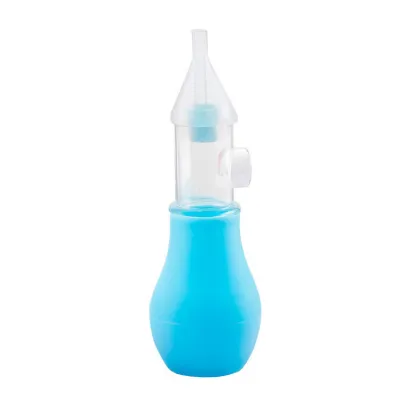
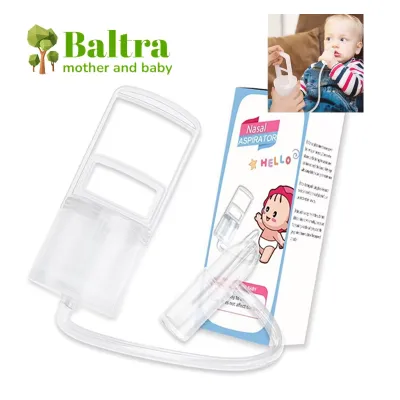
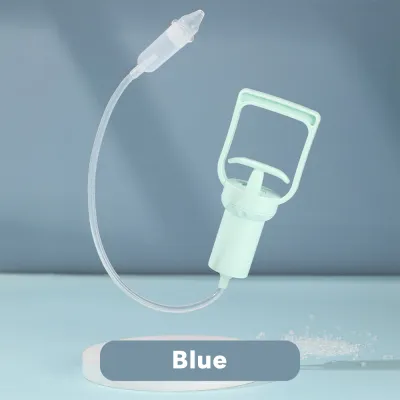
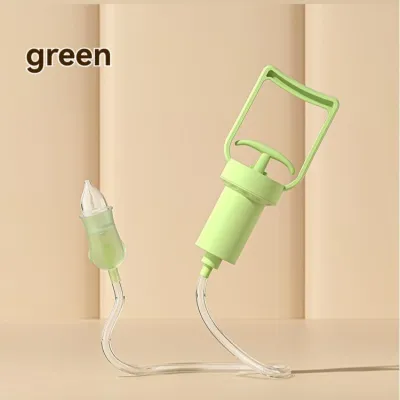
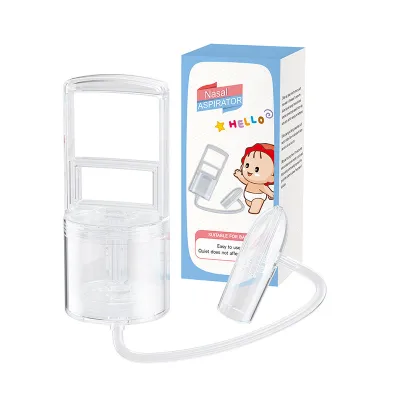
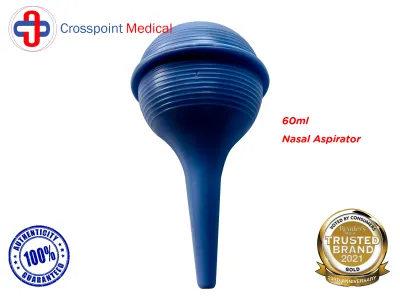
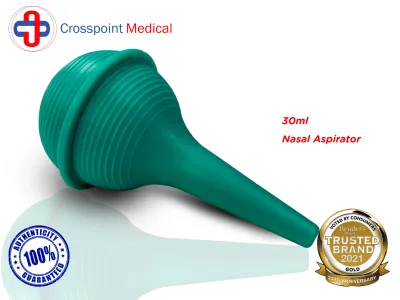
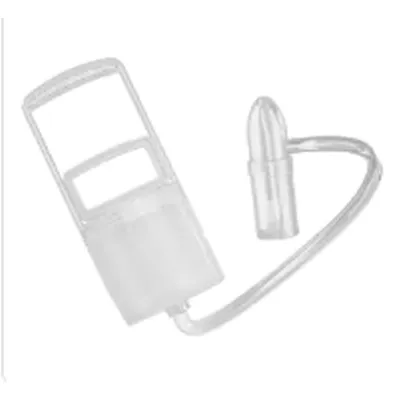
Prices are valid at publication and may change. Please refer to the product page for the latest price.
Bulb syringes are the most traditional option and are frequently included in newborn care kits. These devices feature a simple, one-piece rubber or silicone bulb with a tapered nozzle. To operate a bulb syringe, you compress the bulb to expel the air, gently insert the tip into the baby’s nostril, and slowly release your grip to create a vacuum that draws out the mucus. While straightforward, this method requires a steady hand and careful technique. Compressing the bulb while the tip is already inside the nostril can accidentally push air and mucus deeper into the nasal passages, causing discomfort or irritation.
Manual aspirators, often referred to as breath-powered or tube-based aspirators, offer a more modern approach to nasal clearance. These devices consist of a soft silicone tip connected to a flexible plastic tube, which ends in a mouthpiece for the caregiver. You place the tip at the opening of the baby’s nostril and gently suck on the mouthpiece to generate suction. A built-in chamber or a disposable foam filter acts as a physical barrier, ensuring that no mucus or bacteria can travel up the tube into your mouth. This design allows you to adjust the suction strength instantly and intuitively using your own breath.
Electric aspirators are battery-operated or USB-rechargeable devices that automate the suction process entirely. With the press of a button, a small internal motor generates continuous, steady vacuum pressure. Most electric models feature multiple suction levels, allowing you to increase or decrease the strength depending on the severity of the blockage. To help soothe or distract a fussy baby during use, many electric aspirators also include integrated features such as soft LED lights or gentle melodies.
What to Compare When Choosing a Nose Suction Device
When evaluating different nose suction options, looking beyond basic functionality to practical daily use, maintenance, and long-term costs will help you choose a device that fits seamlessly into your parenting routine.

Suction control and consistency are critical factors to consider. Manual, breath-powered aspirators give you complete, real-time control over the suction force, allowing you to pull gently for loose fluid or apply a quick, stronger pull for stubborn blockages. Electric aspirators, on the other hand, provide a highly consistent and steady stream of suction that does not rely on your lung capacity. However, because the motor operates at pre-set levels, you cannot adjust the pressure as instantly as you can with a manual device if your baby suddenly squirms or pulls away.
Hygiene and cleaning routines are especially important in warm, humid environments where mold and bacteria can multiply rapidly on damp surfaces. Bulb syringes are notoriously difficult to clean and dry internally because of their enclosed, opaque design. If you choose a bulb syringe, look for modern models that can be twisted apart for thorough scrubbing and visual inspection. Manual and electric aspirators generally disassemble into several distinct parts, such as silicone tips, collection cups, and tubing. Before purchasing, verify whether these components are dishwasher-safe, compatible with steam sterilizers, or if they require regular replacement of disposable foam filters to prevent cross-contamination.
Portability and noise levels can significantly impact how your baby responds to the device. If you frequently travel or need to clear your baby’s nose while away from home, a compact manual aspirator or a lightweight bulb syringe fits easily into a diaper bag without taking up much space. Electric models are typically bulkier and rely on batteries or charging cables. Additionally, the motor of an electric aspirator produces a humming sound that may startle a sensitive or sleeping baby, whereas manual and bulb options operate in complete silence.
The overall cost structure of each device includes both the initial purchase price and ongoing maintenance expenses. In local online marketplaces and baby boutiques, basic bulb syringes are highly economical, often priced under ₱150. Manual aspirators represent a moderate initial investment but often require the continuous purchase of proprietary replacement filters. Electric aspirators require the highest upfront cost, sometimes ranging from several hundred to a few thousand pesos, alongside potential long-term costs for replacement silicone tips or batteries.
Matching the Aspirator to Your Baby’s Age and Congestion
A baby’s developmental stage and the specific nature of their nasal congestion should guide your choice of a nose suction device, ensuring both safety and effectiveness.
For newborns and young infants with mild, watery congestion, protecting their delicate, narrow nasal passages is the primary concern. Newborns have highly sensitive mucous membranes that can easily swell if irritated. For these tiny nostrils, a manual aspirator with a wide, soft silicone tip is often the safest choice. The wide tip prevents you from inserting the device too deeply into the nostril, while the breath-controlled suction allows you to apply the gentlest possible pressure to clear away thin, watery fluids caused by dust or air conditioning.
As babies grow into older infants and toddlers, they become more active, and their nasal secretions can become thicker and more stubborn. Clearing deep, thick blockages from an active older infant who may resist the process requires a device that works quickly and efficiently. An electric aspirator is highly beneficial in these situations, as its consistent, automated suction can draw out thick mucus rapidly before the baby becomes too distressed. To make the process smoother, always apply a few drops of saline solution to the nostrils first to loosen and liquefy the mucus before initiating suction.
Nighttime congestion presents a unique challenge, as a blocked nose can prevent a tired baby from settling back to sleep. When performing a quick clearance in a dark, quiet nursery, minimizing disruption is key. A silent manual aspirator is highly advantageous for nighttime use, as it allows you to clear the nasal passages quietly without the loud motor noise of an electric model. This quiet operation, combined with gentle, reassuring touch, helps your baby transition back to sleep with minimal fuss.
Safety Limits, Cleaning Rules, and When to See a Doctor
Using a nose suction device requires strict adherence to safety protocols and hygiene standards to protect your baby from physical injury or secondary infections.
Always verify the manufacturer’s instructions for your specific device regarding sterilization methods, filter replacement schedules, and maximum daily usage limits. Some plastic components may warp or degrade if exposed to boiling water or microwave sterilizers, so it is essential to follow the approved cleaning guidelines. Never share a nasal aspirator between siblings without performing a thorough, high-level sterilization of all contact parts to prevent the transmission of viruses or bacteria.
Caregivers must remain highly observant of physical warning signs during and after suctioning. Stop using the device immediately if you notice any signs of nasal irritation, swelling, or minor bleeding, such as pink- or red-tinged mucus. The blood vessels inside a baby’s nose are very close to the surface and can easily rupture if the suction tip is inserted too deeply, scraped against the nasal wall, or if the suction pressure is too high.
It is important to remember that nasal aspirators are designed solely to provide temporary, symptomatic relief from congestion; they do not treat the underlying cause of an illness. Monitor your baby closely and consult a pediatrician immediately if you observe symptoms such as a persistent fever, rapid or labored breathing, chest retractions, flaring nostrils, poor feeding, extreme lethargy, or if the nasal congestion does not improve after several days of careful home care.
Frequently Asked Questions (FAQ)
How often can I safely use a nasal aspirator on my baby?
You should always consult your pediatrician and check your specific device’s user manual for personalized guidance on usage frequency. As a general rule, nasal suctioning should be limited to a few times a day, typically before feeding and before bedtime, to help your baby eat and sleep more comfortably. Overusing a nasal aspirator can irritate the delicate nasal lining, leading to inflammation and rebound swelling that can actually make your baby’s congestion feel worse. Instead of suctioning on a strict hourly schedule, observe your baby’s breathing and comfort levels to determine when clearance is truly necessary.
Can nose suction damage my baby’s nasal lining?
Yes, improper or excessive use of a nose suction device can cause damage to your baby’s delicate nasal tissues. To minimize this risk, always use an age-appropriate, soft silicone nozzle and avoid inserting the tip deeply into the nostril; the nozzle should only rest gently at the opening to form a seal. Applying excessive suction strength, scraping the tip against the inner nasal walls, or suctioning too frequently can lead to dryness, irritation, and minor bleeding. To reduce friction and tissue stress, always apply a few drops of gentle saline solution to soften and loosen the mucus before you begin suctioning.

Community discussion
Share your experience or ask a question. Comments are reviewed before publication.