
When your baby is congested, finding the right tool to clear their tiny nasal passages is essential for their comfort, feeding, and sleep. There is no single nasal aspirator that works best for every family; instead, the ideal choice depends on your baby’s age, the severity of their congestion, your budget, and how comfortable you are with cleaning and operating the device.
Bulb syringes are the most basic and inexpensive option, but they are difficult to clean thoroughly and present a high risk of mold growth. Manual pump aspirators, which use mouth suction, offer outstanding control over suction strength and allow you to see exactly what you are extracting, though they require you to use your own breath. Electric nasal aspirators provide consistent, motorized suction and hands-free operation, making them highly convenient for squirming babies, but they come with a higher price tag, require power, and can sometimes startle sensitive infants with their motor noise.
By understanding the distinct trade-offs of each type, you can select a tool that fits seamlessly into your daily care routine and helps your little one breathe easier.
Products mentioned in this guide
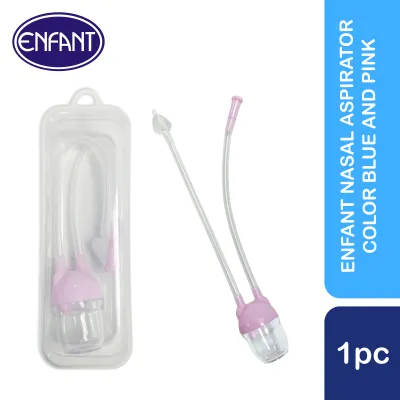
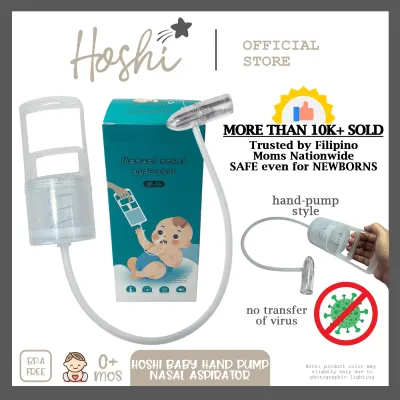
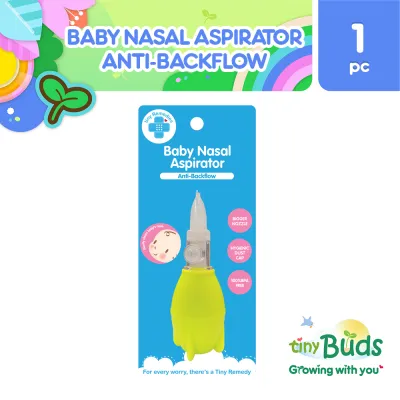
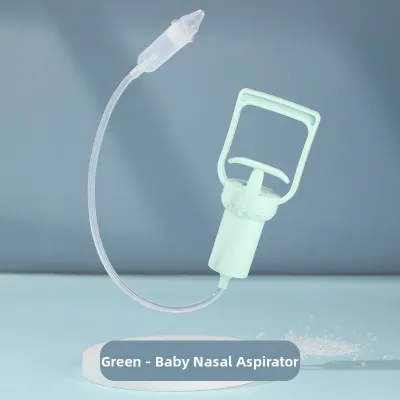
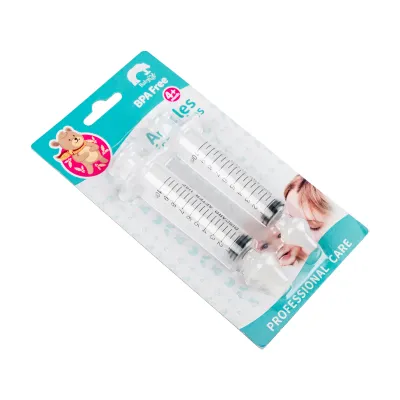
Prices are valid at publication and may change. Please refer to the product page for the latest price.
Breaking Down the Three Main Types of Nasal Aspirators
To choose the right nasal aspirator, it is helpful to understand how each design operates, along with their respective benefits and limitations.
Bulb Syringes (The Traditional Option)
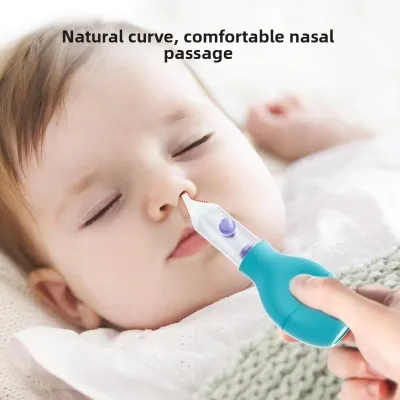
The bulb syringe is a classic baby care tool that has been used in households and hospitals for generations. Its design is straightforward, consisting of a single hollow bulb made of rubber or silicone that tapers into a narrow tip. To operate it, you squeeze the bulb to expel the air, gently insert the tip into your baby’s nostril, and then slowly release your grip. This release creates a vacuum that draws mucus out of the nasal passage and into the bulb.
One of the primary advantages of the bulb syringe is its accessibility and low cost. These devices are widely available in local pharmacies and department stores across the Philippines, typically costing under ₱150, making them an easy addition to any newborn diaper bag or emergency medical kit. They require no batteries, charging cables, or replacement filters, meaning they are always ready to use at a moment’s notice.
However, bulb syringes come with significant drawbacks that have led many modern parents to look for alternatives. The most critical issue is hygiene: because the bulb is opaque and cannot be disassembled, it is nearly impossible to clean or dry the interior completely. In the warm, highly humid climate of the Philippines, the damp, dark inside of a rubber bulb becomes a perfect breeding ground for mold and bacteria within just a few weeks. Additionally, because you cannot see inside the device, it is difficult to gauge how much mucus has been extracted. The suction power is also entirely manual and can be inconsistent, making it less effective for clearing thick, stubborn mucus. When selecting a bulb syringe, always check the product label to ensure the materials are medical-grade and that the tip size is appropriate for your baby’s current developmental stage.
Manual Pump Aspirators (The Tube-and-Mouthpiece Design)
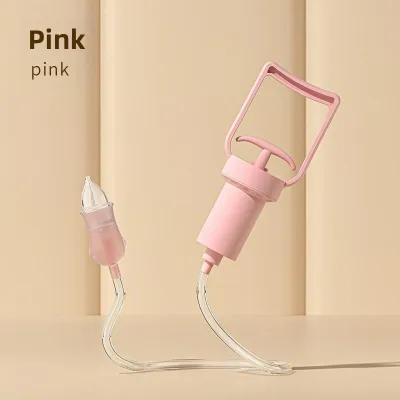
Manual pump aspirators, often referred to as mouth-suction aspirators, represent a major design upgrade from the traditional bulb syringe. This system consists of a soft silicone tip that rests against the baby’s nostril, a flexible plastic tube, a clear collection chamber, and a mouthpiece for the parent. To use it, you place the tip at the entry of your baby’s nose, insert the mouthpiece into your own mouth, and inhale gently. The suction created by your breath pulls the mucus out of the baby’s nose and directly into the collection chamber. A physical foam or plastic filter sits between the chamber and the tube to ensure that no mucus or bacteria can travel up into your mouth.
The standout benefit of this design is the unparalleled level of suction control. Because you are powering the device with your own breath, you can instantly adjust the strength of the suction based on how thick the mucus is or how your baby is reacting. If your baby is fussy or has highly sensitive nasal passages, you can pull very gently; if they have deep, thick congestion, you can apply a slightly stronger, steady pull. The clear collection chamber also provides immediate visual feedback, allowing you to monitor the color and amount of mucus, which can be useful information to share with your pediatrician. Furthermore, these devices are designed to be fully disassembled, making them easy to wash, sterilize, and dry.
On the downside, some parents find the concept of mouth suction unappealing, even with the physical barrier of the filter. It also requires you to be very close to your baby’s face, which can be challenging if they are squirming or crying. Additionally, manual pump aspirators rely on disposable filters to maintain hygiene, meaning you will need to purchase replacement filters periodically, adding a small but recurring cost to your baby care budget. Before purchasing, verify the manufacturer’s specific filter replacement guidelines and ensure that replacement filters are readily available.
Electric Nasal Aspirators (The Powered Solution)
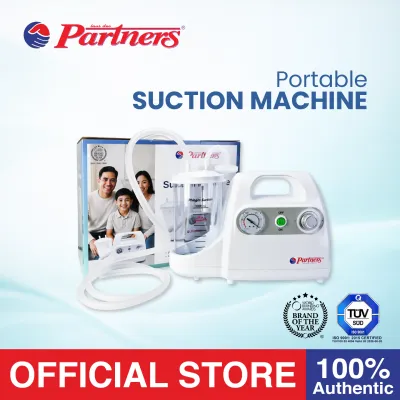
Electric nasal aspirators are motorized devices designed to automate the nasal clearance process. These devices feature a battery-operated or USB-rechargeable motor that generates continuous, steady suction at the press of a button. They typically come with multiple soft silicone tips of varying shapes and sizes to accommodate newborns, older infants, and toddlers.
The primary advantage of an electric aspirator is convenience and ease of use. Because the motor handles the suction, you have both hands free to cradle, soothe, or gently hold your baby’s head in place, which is helpful when dealing with a squirming infant. Many electric models offer adjustable suction levels, allowing you to increase or decrease the power depending on the severity of the congestion. To make the process less stressful for babies, some premium models also feature built-in lullabies, soft lights, or quiet motors designed to distract and soothe your little one during use.
However, electric aspirators are the most expensive option on the market, with prices ranging from ₱1,500 to over ₱4,000 for high-end rechargeable models. They are also bulkier and heavier than manual options, making them less convenient to pack in a diaper bag for quick outings. Because they rely on electronic components, they cannot be fully submerged in water; only the silicone tips and the removable collection cup can be washed. Parents must also manage battery life or remember to keep the device charged. Finally, despite manufacturers’ efforts to minimize noise, the humming sound of the motor can still startle or frighten some sensitive babies, making them resistant to the device.
Key Factors to Compare Before Buying
When deciding which nasal aspirator to purchase, comparing how these devices perform in real-world, daily scenarios is essential. Evaluating them across specific practical dimensions will help you choose the one that fits your lifestyle and your baby’s comfort.

Suction Power and Adjustability
The ability to manage suction strength directly impacts both safety and effectiveness. Manual pump aspirators offer the highest degree of adjustability because your breath controls the vacuum pressure instantly. Electric aspirators provide consistent, steady suction that does not rely on your lung capacity, but their pre-set levels may sometimes feel too weak for very thick, dried mucus or slightly too intense for sensitive newborns. Bulb syringes offer the least control; the suction force is determined entirely by how hard you squeeze the bulb before insertion, making it easy to accidentally apply too much or too little pressure.
Ease of Cleaning and Hygiene
Maintaining a sterile device is crucial for your baby’s health. In the tropical, high-humidity environment of the Philippines, moisture trapped inside baby products can quickly lead to mold and bacterial growth. Manual pump aspirators excel in this category because they disassemble completely into simple plastic and silicone parts that can be thoroughly scrubbed, boiled, or sterilized. Electric aspirators also offer good hygiene, as the parts that contact mucus are removable and washable, though you must take care not to get water into the motorized base. Bulb syringes present the highest hygiene risk; because you cannot see inside them or scrub the inner walls, they should be replaced frequently to ensure you are not reintroducing mold or bacteria into your baby’s airway.
Portability and Noise Level
For parents on the go, portability and noise are major considerations. Bulb syringes and manual pumps are completely silent and compact, fitting easily into any small diaper bag compartment without requiring power outlets or spare batteries. They are ideal for quick trips, travel, or late-night clearings when you want to avoid waking the rest of the household. Electric aspirators, while highly efficient, are bulkier due to their internal motors and batteries. The noise they produce, even on quiet settings, can sometimes cause a baby to become tense or resistant, requiring you to soothe them before and after use.
Comparison Table
| Aspirator Type | Suction Control | Cleaning Ease | Power Source | Best Use Case |
|---|---|---|---|---|
| Bulb Syringe | Low (manual squeeze) | Difficult (opaque, single-piece) | None (manual) | Budget-friendly backup or travel use |
| Manual Pump | High (controlled by breath) | Easy (fully disassembles) | Parent's breath | Precise control and visual monitoring |
| Electric Aspirator | Medium (pre-set levels) | Moderate (washable removable parts) | Batteries or USB rechargeable | Heavy congestion and hands-free operation |
Decision Framework: Matching the Aspirator to Your Baby's Needs
To make your final decision easier, you can match your specific household needs, budget, and parenting style to the following practical guidelines.
Choose a Bulb Syringe if:
- You are looking for an extremely budget-friendly option to keep as a temporary backup.
- You want a lightweight, silent tool to pack in a diaper bag for occasional emergencies.
- You are diligent about replacing the device every few months to prevent internal mold accumulation.
Choose a Manual Pump if:
- You want complete, instantaneous control over the suction strength to prevent irritating your baby's delicate nasal passages.
- You prefer a highly hygienic device that can be fully disassembled, washed, and sterilized after every single use.
- You do not mind using your own breath to clear your baby's nose and are comfortable purchasing replacement filters as needed.
Choose an Electric Aspirator if:
- Your baby frequently experiences heavy congestion due to seasonal changes or allergies, requiring consistent, effortless suction.
- You want a hands-free experience so you can use one hand to gently hold and comfort a squirming or fussy baby.
- You have room in your budget for a premium, long-term baby care investment and do not mind managing battery charging.
Verify First if:
- Your baby has any pre-existing respiratory conditions, structural nasal issues, or if you feel uncertain about how to safely clear their airway. In these situations, always consult a pediatrician before using any nasal aspirator to ensure you do not cause accidental harm.
Essential Safety and Cleaning Practices for All Types
Using a nasal aspirator correctly is just as important as choosing the right type. Because an infant’s nasal passages are delicate, improper technique or poor maintenance can lead to discomfort, tissue damage, or secondary infections.
First, always limit the frequency of suctioning. Overuse can irritate and inflame the sensitive nasal lining, which actually causes the body to produce more mucus and worsens congestion. As a general rule, limit suctioning to three or four times a day, ideally right before feeding times to help your baby latch and swallow comfortably, and right before bedtime to promote better sleep.
Second, always use a sterile saline nasal spray or drops before attempting to suction. Saline works to loosen up dry, stubborn, or thick mucus, making it much easier to extract with minimal suction force. Simply apply one to two drops of saline into each nostril, wait about a minute for the mucus to soften, and then gently apply the aspirator. This step is especially helpful in air-conditioned rooms, which can dry out your baby’s nasal passages.
Third, establish a strict cleaning and drying routine. Immediately after use, disassemble the washable parts of your aspirator and clean them thoroughly with warm, soapy water. In the humid climate of the Philippines, allowing parts to air-dry completely is critical to preventing the growth of mold and mildew. Place the washed components on a clean paper towel or a dedicated drying rack in a well-ventilated area. Never reassemble or store the device while any moisture remains inside.
Finally, prioritize safety boundaries during use. Never force the aspirator tip deep into your baby’s nostril; the tip should only rest gently at the very opening of the nostril to create a secure seal. Stop suctioning immediately if you see any signs of blood or if your baby shows extreme distress. Always check the manufacturer’s packaging for age restrictions, weight limits, and specific sterilization guidelines, as some materials may warp or degrade if boiled or placed in a steam sterilizer.
Frequently Asked Questions (FAQ)
Can I use a nasal aspirator on a newborn?
Yes, you can use a nasal aspirator on a newborn, but you must exercise extreme caution. A newborn’s nasal passages are exceptionally small and delicate, meaning any rough movement or excessive suction can easily cause irritation or swelling. When selecting an aspirator for a newborn, ensure the tip is made of soft, medical-grade silicone and is specifically sized for tiny nostrils. Always apply a drop of sterile saline solution to soften the mucus first, and never insert the tip deeply into the nose. If you are hesitant or if your newborn is struggling to breathe, consult your pediatrician before proceeding.
How often should I suction my baby's nose?
You should only suction your baby’s nose when they are visibly congested and having difficulty breathing, feeding, or sleeping. Suctioning is a corrective measure, not a daily preventive routine. Overusing a nasal aspirator can irritate the delicate nasal membranes, leading to swelling and increased mucus production. Limit suctioning to a maximum of three to four times a day. If your baby’s congestion does not improve after a few days, or if it is accompanied by other symptoms such as a fever, persistent cough, or poor feeding, stop using the device and seek medical advice from a pediatrician.

Community discussion
Share your experience or ask a question. Comments are reviewed before publication.