
When your baby has a stuffed nose, it affects everything from their feeding sessions to their sleep quality. Because infants are obligate nasal breathers, even mild congestion can cause significant distress, making them fussy during nursing or unable to settle down for a nap. Unlike adults, babies cannot clear their own nasal passages, which leaves parents with the task of clearing the airway manually.
Finding the right suction for nose relief is essential for your baby’s comfort, especially during seasonal changes or humid spells. However, walking down the baby care aisle reveals several distinct options, primarily bulb syringes, mouth-suction aspirators, and electric nasal devices. There is no single universal choice that suits every family; the right option depends on your baby’s age, your comfort level with manual suction, cleaning preferences, and your budget.
Bulb syringes are highly affordable and widely available, but they are notoriously difficult to clean thoroughly, presenting a hidden hygiene risk. Mouth-suction aspirators provide excellent suction control and are easy to wash, though they require you to purchase replacement filters regularly. Electric models offer consistent, automated suction and hands-free convenience, but they carry a higher upfront cost and can be noisy. Understanding how these mechanisms compare will help you select the most practical and hygienic tool for your household.
Products mentioned in this guide
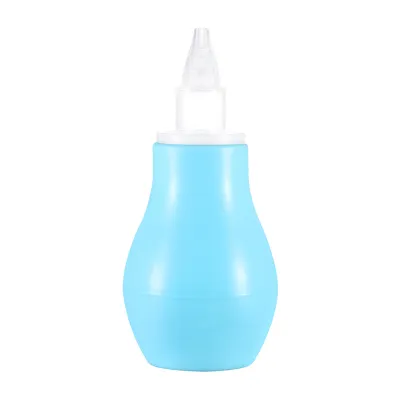
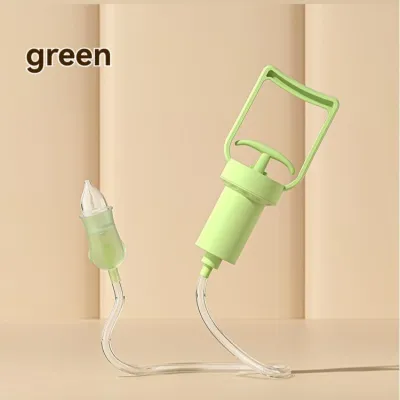
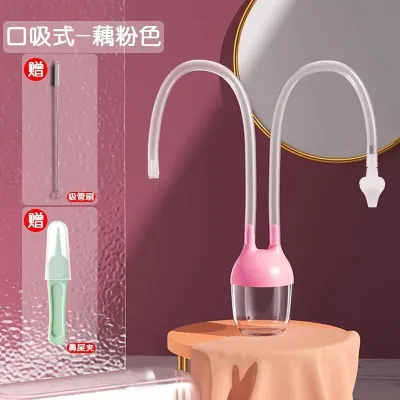
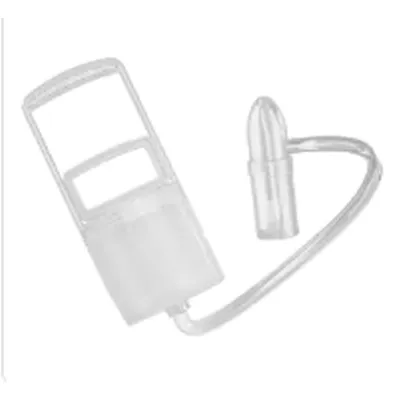

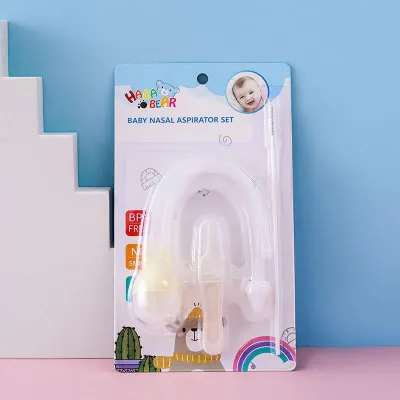
Prices are valid at publication and may change. Please refer to the product page for the latest price.
How the 3 Main Types of Nasal Suction Devices Work
To make an informed decision, it is helpful to understand the mechanical design, operational steps, and practical limitations of each nasal aspirator type. Each device relies on a different method of vacuum creation to draw mucus out of your baby’s nasal passages.
Bulb Syringes (Manual Squeeze)
The bulb syringe is the classic, single-piece rubber or silicone tool that has been used in pediatric care for generations. Its operation relies entirely on manual air displacement. To use it, you compress the bulb fully to expel the air inside, gently place the tapered tip at the entrance of your baby’s nostril, and slowly release your grip. The expanding bulb creates a vacuum that draws loose mucus into the chamber.
While bulb syringes are incredibly inexpensive—often costing between ₱100 and ₱300 in local pharmacies—and highly portable, they present significant practical challenges. The primary drawback is their opaque, one-piece construction, which makes it impossible to inspect the interior. Because you cannot open them, drying the inside completely is extremely difficult, creating a high risk of mold and bacterial growth. Additionally, controlling the suction pressure is difficult, and the blunt tips may not fit comfortably in very small or narrow nostrils.
Mouth-Suction Aspirators (Manual Tube)
Mouth-Suction aspirators, often referred to as manual tube aspirators, use a parent’s own breath to generate a vacuum. The device consists of a soft silicone nose tip, a collection chamber, a flexible plastic tube, and a mouthpiece. You place the silicone tip gently against the baby’s nostril, place the mouthpiece in your mouth, and inhale. A disposable physical filter sits between the collection chamber and the tube to prevent mucus, moisture, and bacteria from traveling up to your mouth.
This design offers exceptional control because you can instantly adjust the strength of the suction using your own breathing. If your baby has light, runny mucus, a gentle inhale is sufficient; for thicker congestion, you can pull slightly harder. The entire apparatus disassembles completely, allowing you to wash, sanitize, and dry every single component. However, this method requires a steady supply of replacement filters, and some parents find the physical concept of mouth suction unappealing, even with a protective filter in place.
Electric Nasal Aspirators
Electric nasal aspirators utilize a small, battery-operated or USB-rechargeable motor to generate continuous vacuum pressure. These devices typically feature a hand-held wand with a collection cup and interchangeable silicone tips of varying sizes. To operate the device, you select the desired suction level, insert the tip into the nostril, and press a button to initiate continuous suction.
The main benefit of an electric model is consistent, hands-free operation. Because the motor does the work, you can use one hand to hold the device and your other hand to gently cradle or stabilize your baby’s head. Many electric models also include built-in distractions, such as soft colorful lights or gentle lullabies, to keep a squirming baby calm. On the downside, electric models are bulkier, require regular charging or battery replacements, and can have a higher initial price point, often ranging from ₱800 to over ₱3,000.
Key Comparison Factors for Parents
When evaluating these three types of nasal suction devices, several practical factors should guide your choice. Looking at how these devices perform during daily use, cleaning, and travel will help you identify the best fit for your family’s routine.

Suction Power and Control
Managing suction power is critical to avoiding irritation of the delicate tissues inside your baby’s nose. Mouth-suction aspirators lead in this category because they offer immediate, intuitive control. You can feel the resistance of the mucus and adjust your inhalation force instantly.
Electric models provide steady, continuous suction, which is highly effective for clearing persistent congestion. However, you must verify the suction levels on the specific model you purchase, as some battery-operated units may lose power as the batteries drain. Bulb syringes offer the least control; a sudden, forceful release of the bulb can create a sharp vacuum that may startle your baby or irritate sensitive nasal membranes.
Hygiene and Cleaning
In warm, humid climates like the Philippines, moisture trapped inside baby products can become a breeding ground for mold and bacteria within hours. This makes the ease of cleaning a primary safety consideration. Bulb syringes are highly vulnerable to mold because they cannot be disassembled or dried internally, meaning they must be replaced frequently to maintain hygiene.
Both mouth-suction and electric aspirators are superior in terms of hygiene because they can be disassembled. Most manual tube models can be washed in warm, soapy water and boiled or steam-sanitized. For electric models, the collection chamber and silicone tips detach easily for washing, though you must keep the motorized handle dry. Always check the manufacturer’s care instructions to verify whether the parts are compatible with steam sterilizers, UV sterilizers, or boiling water.
Ease of Use and Portability
If you need a device that easily fits into a compact diaper bag for trips, family visits, or errands, portability is key. Bulb syringes and mouth-suction aspirators are lightweight, require no power source, and take up minimal space, making them excellent travel companions.
Electric aspirators are heavier and bulkier due to their internal motors and batteries. If you choose an electric model, you must ensure it is fully charged or carry spare batteries when leaving the house. However, for home use, the electric model’s one-handed operation is highly convenient, especially when trying to soothe and secure a restless toddler who resists having their nose cleared.
Baby's Comfort and Age Suitability
Your baby’s age and developmental stage play a major role in how they tolerate nasal suctioning. Newborns have incredibly narrow nasal passages and highly sensitive skin, requiring the softest, smallest silicone tips. Mouth-suction aspirators are highly recommended for newborns because of their gentle, customizable pressure.
As infants grow into toddlers, they become stronger and more resistant to nasal clearing. In these scenarios, the speed and consistency of an electric model can make the process much faster. The motor noise of an electric aspirator can sometimes startle a newborn, but older babies are often distracted by the built-in lights and music features, making them more cooperative during use.
Decision Framework: Choosing the Right Suction for Nose
To help you finalize your decision, consider these practical scenarios and guidelines tailored to different parenting needs.
Choose a Bulb Syringe if:
- You need a low-cost, immediate backup device to keep in your travel kit or diaper bag.
- You are using the sterile, disposable bulb syringe provided by the hospital immediately postpartum.
- Your baby only experiences occasional, very light, and watery nasal discharge.
- You are committed to replacing the bulb regularly to prevent internal mold accumulation.
Choose a Mouth-Suction Aspirator if:
- You want absolute control over the suction strength to protect your newborn's delicate nasal lining.
- You prefer a highly hygienic device that can be completely disassembled, washed, and sterilized.
- You travel frequently and need a lightweight, compact tool that does not rely on batteries or power outlets.
- You do not mind the ongoing purchase and replacement of hygienic filters.
Choose an Electric Aspirator if:
- You prefer a quick, automated process that allows you to keep one hand free to comfort or hold your baby.
- Your baby is older, has thicker congestion, and can tolerate the sound of a small motor.
- You want a device with built-in distractions, like music and lights, to make the process less stressful.
- You are comfortable with a higher upfront cost and maintaining rechargeable batteries.
- You want consistent suction power that does not rely on your own lung capacity.
Verify First if:
Before purchasing any nasal aspirator, verify the local availability and long-term cost of replacement parts. For mouth-suction models, check where you can buy compatible hygienic filters nearby or online. For electric models, verify the availability of replacement silicone tips in different sizes to ensure the device can grow with your baby. Always consult the manufacturer’s documentation to confirm the recommended age range, weight limits, and sterilization guidelines before first use.
Safe Usage and Cleaning in Humid Environments
Using a nasal suction device safely requires careful attention to technique and strict hygiene practices, particularly in tropical climates where bacteria and mold thrive.
Frequency Limits
Avoid over-suctioning your baby’s nose. Pediatricians generally recommend limiting nasal suctioning to two or three times a day, ideally right before feeding sessions and bedtime. Suctioning too frequently can irritate the delicate nasal mucosa, leading to localized swelling, inflammation, or even increased mucus production, which can worsen the congestion you are trying to clear.
Saline Preparation
Always use sterile saline drops or a gentle saline spray before attempting to suction your baby’s nose. Administering one to two drops of saline into each nostril helps loosen and soften thick, stubborn mucus. Wait approximately one to two minutes after applying the drops to allow the saline to work before using your nasal aspirator. This step makes the suctioning process much gentler, faster, and more effective.
Cleaning and Drying
Because of the high relative humidity in the Philippines, damp baby gear is highly susceptible to mold. Immediately after each use, disassemble all washable parts of your nasal aspirator and wash them thoroughly in warm, soapy water. Rinse them well and place them on a clean, dry towel in a well-ventilated area to air-dry completely. If you are using a bulb syringe and suspect any internal mold, black spots, or sour odors, discard the device immediately and replace it.
When to Stop
Nasal suctioning should be a gentle, relieving process. Stop using the device immediately and consult your pediatrician or a healthcare professional if you observe any of the following symptoms:
- Nasal bleeding or bright red blood in the suctioned mucus.
- Extreme distress, crying, or resistance that makes safe positioning impossible.
- Persistent, severe nasal congestion that does not improve after several days of regular saline and gentle suctioning.
- Signs of respiratory distress, such as rapid breathing, flared nostrils, chest retractions (skin pulling in around the ribs), or a grunting sound when breathing.
Frequently Asked Questions (FAQ)
Can I use a nasal aspirator on a newborn?
Yes, you can use a nasal aspirator on a newborn, but you must exercise extreme caution. Ensure you use a soft silicone tip specifically sized for newborns to avoid inserting the device too deeply into their tiny nasal passages. Always use the gentlest suction possible, apply sterile saline drops beforehand to soften mucus, and verify the manufacturer’s age guidelines on the product packaging before use.
How often should I suction my baby's nose?
It is best to limit suctioning to two or three times a day. Overusing a nasal aspirator can irritate and inflame the delicate lining of your baby’s nose, which can actually cause more congestion. Timing the suctioning sessions right before feeding and bedtime is highly effective, as it helps your baby breathe comfortably while eating and sleeping.
Do I need to buy replacement filters for mouth-suction aspirators?
Yes, replacement filters are essential for maintaining hygiene and safety when using a mouth-suction aspirator. These filters act as a physical barrier to block mucus, moisture, and bacteria from entering the suction tube and reaching the parent’s mouth. You should replace the filter after each use, or as directed by the manufacturer’s instructions, to ensure the device remains hygienic and functions with optimal airflow.

Community discussion
Share your experience or ask a question. Comments are reviewed before publication.