
When your baby is congested, finding a way to clear their delicate nasal passages becomes an urgent priority. Because infants cannot blow their own noses, learning how to safely suction nose blockages is a vital parenting skill. A clear airway is essential for your baby to feed comfortably and sleep soundly, directly impacting their overall growth and daily comfort.
There is no single “best” nasal aspirator for every family. The right choice depends on your baby’s age, the thickness of their congestion, and your personal comfort level with operating and cleaning these specialized devices. By understanding the distinct advantages and limitations of each type, you can select a tool that provides quick relief while keeping your baby safe and calm.
Quick Answer: Which Nasal Aspirator Should You Choose?
Selecting the right nasal aspirator involves balancing performance, convenience, and safety. To help you navigate the options, consider this practical decision framework based on different parenting scenarios and baby needs:
Products mentioned in this guide

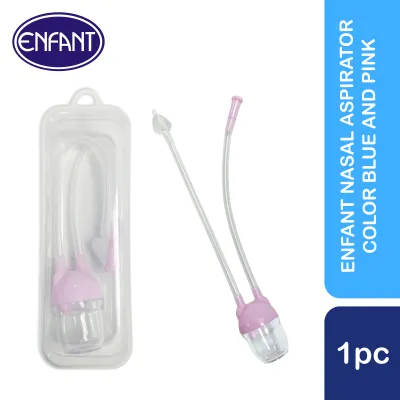
Prices are valid at publication and may change. Please refer to the product page for the latest price.
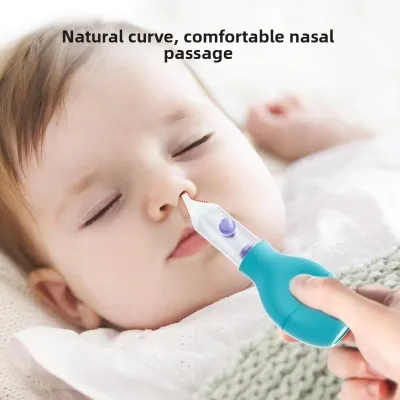
- Choose a Bulb Syringe if: You need an inexpensive, highly portable backup device, are comfortable with basic suction for very mild, watery congestion, or want a simple tool to keep in your diaper bag for emergencies.
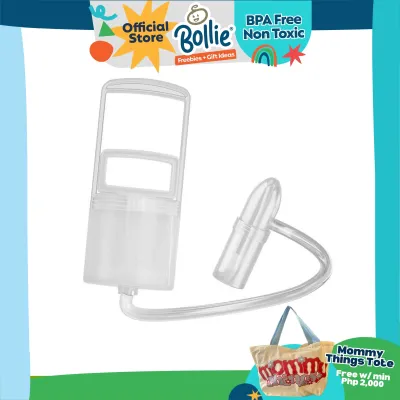
- Choose a Manual (Mouth-Suction) Aspirator if: You want precise, real-time control over the suction strength, need to clear moderate to thick congestion, and do not mind the physical effort of manual suctioning and detailed part cleaning.
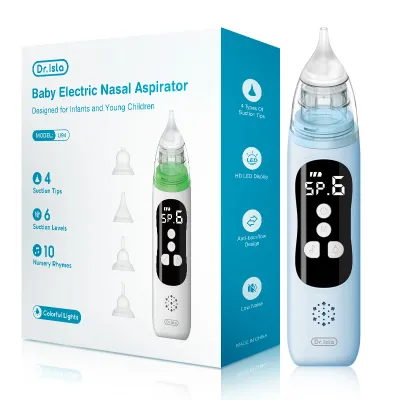
- Choose an Electric Aspirator if: You require consistent, automated suction for frequent congestion, prefer one-handed operation while soothing your baby, and have the budget for a premium, battery-operated or rechargeable device.
Before using any suction device, verify your baby’s overall health status. If your baby is under three months old, has a fever, or shows signs of respiratory distress, consult a pediatrician before relying solely on home suctioning. Nasal clearance is highly effective for symptom relief, but it does not replace professional medical evaluation when underlying infections are present.
Comparing the Three Main Types of Nasal Aspirators
To make an informed decision, it is helpful to look closely at how each type of nasal aspirator operates. Each design uses a different mechanism to create the vacuum pressure needed to draw out trapped mucus, resulting in distinct trade-offs in usability, hygiene, and control.

Bulb Syringes: The Traditional Option
The classic rubber bulb syringe is the most familiar nasal aspirator on the market. Its mechanism is entirely mechanical and straightforward: you compress the bulb to expel the air, gently insert the narrow tip into the baby’s nostril, and slowly release your grip to create a vacuum that draws out the mucus. These syringes are highly accessible, very affordable, and are frequently provided in newborn discharge kits by hospitals.
Despite their popularity, bulb syringes have notable limitations. Because the body of the syringe is completely opaque, it is impossible to see inside to check how much mucus has been extracted or to verify if the interior is clean. In the humid tropical climate of the Philippines, moisture trapped inside the dark cavity of a rubber bulb creates an ideal breeding ground for mold and bacteria. Cleaning these devices thoroughly is exceptionally difficult, as you cannot scrub the inner walls, often making them a single-use or short-term option.
Additionally, the suction power of a bulb syringe depends entirely on how quickly and firmly you release your squeeze. This makes it difficult to regulate the pressure, increasing the risk of accidental tissue irritation if the tip is positioned incorrectly. They are best reserved for newborns with very mild, watery mucus or kept as a temporary travel backup.
Manual (Mouth-Suction) Aspirators: The Parent-Powered Choice
Manual aspirators, often referred to as mouth-suction or tube-style aspirators, have become highly popular among modern parents. These devices consist of a soft silicone nozzle that rests against the baby’s nostril, a flexible plastic tube, a collection chamber, and a mouthpiece for the parent. To operate it, you place the mouthpiece in your mouth and inhale, using your own lung capacity to generate the suction power.
The primary advantage of this design is the unparalleled level of control it offers. You can feel the physical resistance of the mucus and adjust your inhalation speed and strength instantly, ensuring the suction is gentle enough for a sensitive nose but strong enough to clear stubborn blockages. Because the collection chamber is transparent, you can easily monitor the color, consistency, and volume of the extracted mucus, which provides helpful information to share with your pediatrician.
Some parents feel initial hesitation about using their mouth to create suction, fearing they might accidentally inhale their baby’s mucus. However, these devices are engineered with built-in physical barriers, such as disposable foam filters or specialized chamber pathways, that completely block mucus and airborne particles from traveling up the tube. Cleaning is also much more reliable than with bulb syringes; the components easily disassemble, allowing you to wash, sanitize, and thoroughly dry every surface to prevent mold growth.
Electric Nasal Aspirators: The Automated Solution
Electric nasal aspirators use a small, motorized pump to generate continuous vacuum pressure. These devices are typically battery-operated or rechargeable via USB, offering a modern, automated approach to airway clearance. They usually feature soft, medical-grade silicone tips of varying sizes and offer multiple suction levels that can be adjusted with the press of a button.
The main benefit of an electric model is its ease of use and consistency. Because the motor does all the work, you can operate the device easily with one hand, leaving your other hand free to cradle, comfort, or gently hold your baby’s head still. Many electric models also include built-in distractions, such as soft lights or playful musical tunes, which can help keep a fussy or startled baby calm during the process.
However, electric aspirators come with specific trade-offs. They represent a much higher upfront financial investment, with prices in the Philippines generally ranging from ₱1,000 to over ₱3,000, compared to the low cost of manual or bulb options. They also rely on a power source; if the batteries drain or you experience a power outage during typhoon season, the device becomes unusable unless fully charged. Furthermore, the humming sound of the electric motor can sometimes frighten sensitive infants, and the maximum suction power is electronically capped for safety, which may occasionally feel less effective for extremely thick, deep-seated congestion than a strong manual pull.
Key Factors to Consider When Choosing a Suction Nose Tool
When evaluating which device will work best in your home, it is important to look beyond basic product descriptions. Matching a specific suction nose tool to your daily routine, living environment, and baby’s unique physical needs will ensure a safer and more comfortable experience.
Suction Power and Congestion Severity
The consistency of your baby’s mucus changes depending on the cause of their congestion, whether it is dry indoor air from air conditioning, seasonal dust, or a common cold. Watery, thin mucus is highly responsive to gentle suction and can be easily cleared with a simple bulb syringe or the lowest setting of an electric aspirator.
Thick, sticky, or deep-seated mucus requires a more robust approach. In these situations, manual mouth-suction aspirators or high-grade electric models with adjustable power settings are much more effective. Attempting to clear thick mucus with inadequate suction can lead to repeated, unsuccessful attempts that irritate the delicate nasal lining without providing relief.
Hygiene and Cleaning Effort
Because these devices come into contact with bodily fluids, maintaining strict hygiene is essential to prevent reinfection or exposure to mold. The high humidity levels in the Philippines mean that any device with hidden, hard-to-dry cavities poses a sanitary risk.
Always verify the manufacturer’s cleaning and sterilization instructions before purchasing. Look for models that can be completely disassembled and are compatible with boiling water, steam sterilizers, or warm soapy water. If you have a busy lifestyle and cannot commit to meticulously cleaning and drying complex multi-part tubes, an electric model with a simple, detachable, dishwasher-safe collection cup may be the most practical choice.
Baby's Age and Comfort
Your baby’s physical development plays a major role in how they tolerate nasal suctioning. Newborns have extremely narrow, delicate nasal passages and highly sensitive mucosal linings. They require ultra-soft, flexible silicone tips that rest gently at the opening of the nostril rather than entering deep into the nasal cavity.
As infants grow into active toddlers, they often develop a strong resistance to having their faces touched. An older baby may actively fight against a manual aspirator, making one-handed electric models highly advantageous because they allow you to secure your baby safely with your free arm. If your baby is easily startled by sensory inputs, a silent manual aspirator is often much less intimidating than a motorized electric unit.
Portability and Power Needs
Consider where you are most likely to use the aspirator. If you travel frequently, visit relatives, or want a reliable tool for outdoor trips, portability is key. Manual aspirators and bulb syringes are lightweight, compact, and require no external power, making them exceptionally reliable under any circumstances.
If you choose an electric model, look for rechargeable lithium-ion battery designs that use standard USB ports, allowing you to charge the device in the car or via a portable power bank. Keeping a simple manual or bulb syringe as a backup in your diaper bag is highly recommended, ensuring you are never left without a clear airway solution during power outages or unexpected travel delays.
Safe Usage Guidelines and When to See a Doctor
Using a nasal aspirator requires gentle technique and strict adherence to safety protocols to avoid damaging your baby’s sensitive tissues. Always prioritize your baby’s comfort and physical safety over the desire to extract every last bit of mucus.
Preparation with Saline
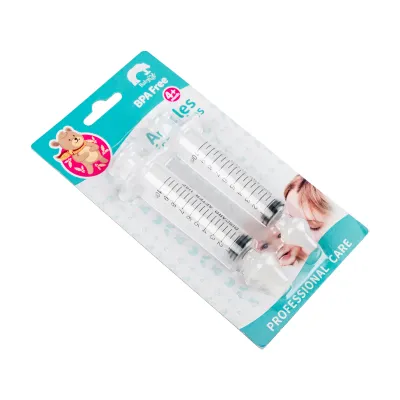
Before initiating any suctioning, always check the manufacturer’s instructions for both the aspirator and any accompanying nasal solutions. It is highly recommended to use pediatrician-approved, sterile saline drops or sprays specifically formulated for infants to help loosen dry or thick mucus.
Place one to two drops of saline into each nostril and wait approximately one to two minutes. This brief waiting period allows the saline to break down the sticky bonds of the mucus, making it much easier to extract gently without needing to apply excessive suction pressure.
Proper Technique and Limits
When inserting the aspirator tip, gentleness is paramount. Gently place the silicone tip at the opening of the nostril to create a seal; never force or push the nozzle deep into the nasal passage, as this can cause bruising, swelling, or nosebleeds. Angle the tip slightly outward toward the side of the nostril (pointing toward the ear on that side) rather than straight up the nasal septum, which is highly sensitive and prone to bleeding.
Limit suctioning sessions to a maximum of two to three times a day, ideally right before feeding times and bedtime to help your baby eat and sleep comfortably. Over-suctioning can severely irritate, dry out, or cause swelling in the delicate nasal membranes, which ironically triggers the body to produce even more mucus, worsening the congestion over time.
When to Stop Immediately
Carefully monitor your baby’s physical reactions throughout the process. Stop suctioning immediately if you observe any of the following signs:
- Any visible trace of blood or bleeding from the nose.
- Extreme distress, prolonged crying, or physical panic that makes safe positioning impossible.
- Visible swelling, redness, or inflammation inside or around the nostrils.
If your baby resists intensely, pause the session, soothe them, and try again later. Forcing the device against a thrashing baby increases the risk of physical trauma to the nasal tissues.
When to Seek Professional Help
Nasal aspirators are designed solely for temporary symptom relief and do not cure the underlying cause of congestion. Consult a pediatrician or seek immediate medical attention if you observe any of these warning signs:
- Your baby is under three months old and presents with nasal congestion accompanied by a fever.
- Signs of respiratory distress, including rapid breathing, flaring nostrils, chest retractions (the skin sucking in tightly around the ribs or collarbone), or grunting sounds.
- The baby is unable to feed, nurse, or drink fluids due to severe congestion, raising the risk of dehydration.
- The nasal congestion does not improve or worsens after several days of gentle home care.
Always trust your parental instincts. If you are unsure whether your baby’s congestion requires medical treatment, contact a healthcare professional for a comprehensive evaluation.
Frequently Asked Questions (FAQ)
How often can I suction my baby's nose?
Generally, you should limit nasal suctioning to two to three times a day. The most effective times to suction are right before feeding, to help your baby latch or drink comfortably, and right before bedtime to promote restful sleep. Suctioning too frequently can irritate the delicate nasal lining, causing it to swell and produce even more mucus. Always consult your pediatrician for personalized guidance tailored to your baby’s specific health needs.
Can I use a nasal aspirator on a newborn?
Yes, you can use a nasal aspirator on a newborn, but you must exercise extreme gentleness and use a device specifically designed for their tiny anatomy. Ensure the aspirator features an ultra-soft, flexible silicone tip sized appropriately for newborns to prevent tissue damage. Always use pediatrician-approved saline drops first to soften any blockages, and apply the gentlest suction pressure possible, whether using a manual, bulb, or low-setting electric device.

Community discussion
Share your experience or ask a question. Comments are reviewed before publication.