
Quick Answer: Which Type Works Best?
When your little one is congested, finding the right aspirator for baby care is crucial because infants cannot clear their own nasal passages. There is no single “best” nasal aspirator for every situation; the ideal choice depends entirely on your baby’s developmental age, the thickness of the mucus, and your comfort level as a caregiver.
Bulb syringes are basic, highly affordable, and widely available, but they are notoriously difficult to clean and dry thoroughly. Manual pump (mouth-suction) aspirators offer excellent, parent-controlled suction that is ideal for moderate congestion and easy to clean. Electric aspirators provide consistent, automated suction that is highly effective for active older babies or severe congestion, though they require a larger upfront investment.
Regardless of the type you choose, prioritizing safety, proper sanitization, and correct usage techniques is far more critical than the complexity of the device itself.
Products mentioned in this guide
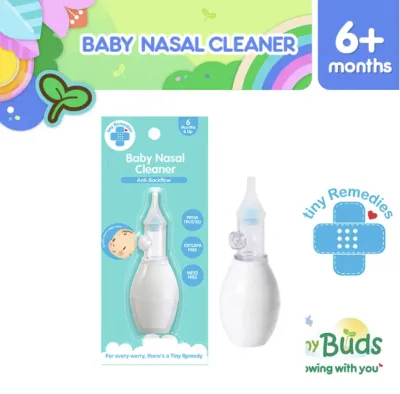
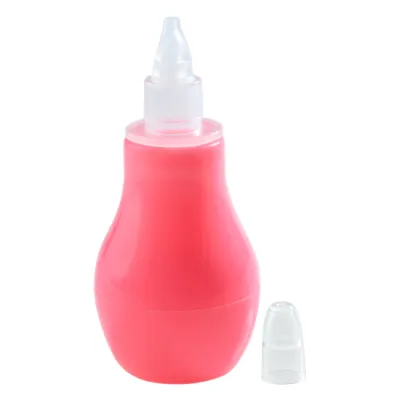
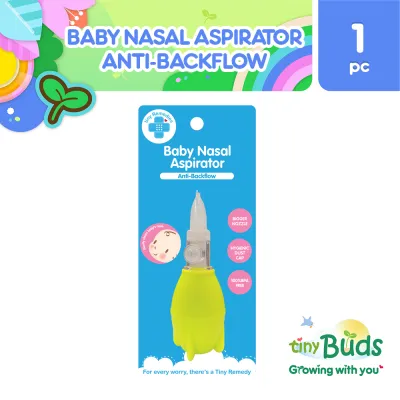
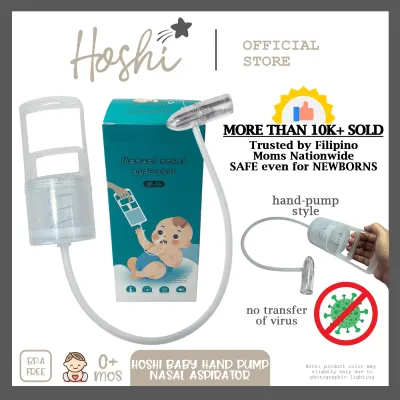
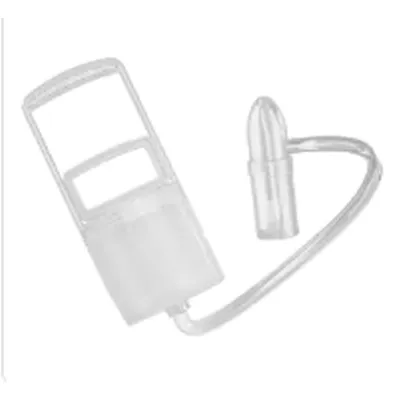
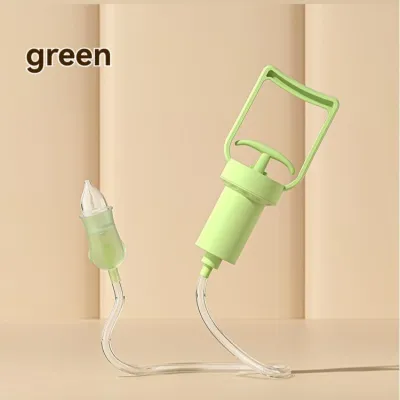
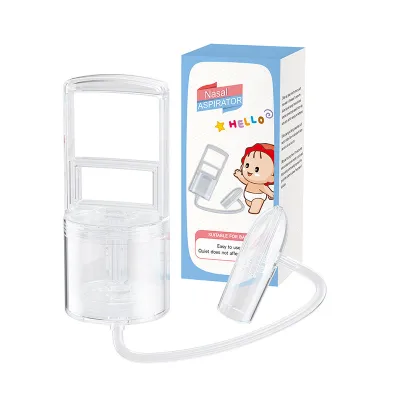
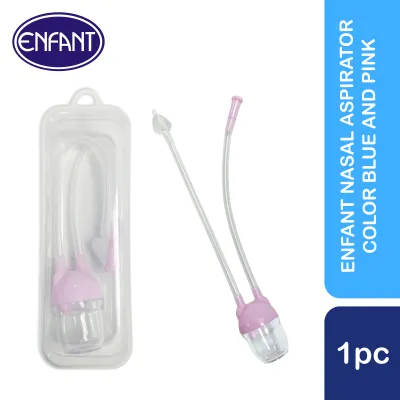
Prices are valid at publication and may change. Please refer to the product page for the latest price.
Comparing the 3 Main Types of Baby Nasal Aspirators
Babies are obligatory nasal breathers for the first several months of life, meaning they naturally breathe through their noses rather than their mouths. In a tropical climate like the Philippines, where sudden weather shifts, high humidity, and dusty urban environments can easily trigger nasal congestion, keeping a baby’s airway clear is essential for comfortable feeding and restful sleep. To manage this common challenge, parents can choose from three primary aspirator designs, each utilizing a distinct mechanism to clear nasal passages.

Bulb Syringes: The Traditional Option
The classic bulb syringe is a familiar sight in pediatric care, often provided to parents in hospital discharge kits or local lying-in clinics. Its operation relies on a straightforward squeeze-and-release mechanism. To use it, you compress the rubber bulb to expel air, gently insert the narrow tip into the baby’s nostril, and slowly release your grip to draw mucus into the chamber.
This traditional option is highly favored for its simplicity and affordability, with basic models typically costing under ₱100 in local pharmacies. It is lightweight, requires no batteries or replacement filters, and is easy to pack in a diaper bag for quick outings.
However, bulb syringes present significant challenges regarding hygiene and control. Because the suction strength depends entirely on how quickly you release your grip, it can be difficult to gauge the physical pressure applied to delicate nasal membranes. Furthermore, because most traditional bulbs are made of opaque rubber or plastic, you cannot see inside them. This makes it incredibly difficult to verify if the interior is completely clean and dry, creating a high risk of mold and bacterial growth over time.
Manual Pump Aspirators: The Middle Ground
Manual pump aspirators, often referred to as mouth-suction aspirators, utilize a tube-and-mouthpiece design that harnesses parental breath to create suction. To operate this device, you place the soft silicone tip at the entry of the baby’s nostril and gently draw air through the mouthpiece on the opposite end of the tube. A physical chamber with a disposable or washable filter sits between the two ends, ensuring that no mucus or bacteria can reach your mouth.
The primary benefit of this design is the unparalleled level of control it offers. You can instantly feel the resistance of the mucus and adjust your suction strength in real time, ensuring a gentle yet highly effective extraction. These devices are easy to disassemble, allowing you to wash and sterilize every component thoroughly.
The main drawback is the physical concept itself, as some parents find the idea of using their mouth to clear a baby’s nose uncomfortable or unhygienic, despite the protective barrier. Additionally, depending on the brand, you will need to purchase replacement filters regularly to maintain hygiene standards, which adds to the long-term cost of ownership.
Electric Aspirators: The Hands-Free Upgrade
Electric nasal aspirators are motorized, battery-operated, or rechargeable devices that provide automated, continuous suction at the press of a button. They typically feature multiple power settings, allowing you to adjust the suction level based on the severity of the baby’s congestion. Many modern models also include child-friendly features, such as soft silicone nozzles of varying sizes, built-in lullabies, or gentle light displays designed to distract a fussy child.
The standout advantage of an electric model is ease of use. It allows you to operate the device with one hand while using your other hand to gently cradle or stabilize your baby’s head. The suction is steady and continuous, which can quickly clear stubborn blockages without the physical fatigue associated with manual suction.
On the downside, electric aspirators represent a much higher initial investment, with prices in the Philippines generally ranging from ₱1,500 to over ₱3,500. They are also bulkier than manual alternatives, require regular battery replacements or USB charging, and produce a low motor hum that might startle or upset sensitive newborns.
Feature Comparison: Suction, Cleaning, and Portability
To help you weigh your options, the table below compares the three main types of baby nasal aspirators across key decision-making criteria.
| Feature | Bulb Syringe | Manual Pump | Electric Aspirator |
|---|---|---|---|
| Suction Control | Low (dependent on hand grip) | High (parent controls breath) | Medium to High (adjustable settings) |
| Ease of Cleaning | Low (hard to dry inside) | High (fully disassembles) | High (removable parts wash easily) |
| Portability | High (compact and cordless) | High (compact, no power needed) | Medium (requires batteries/charger) |
| Cost/Value | Very Low (under ₱100) | Moderate (₱300 to ₱800) | High (₱1,500 to ₱3,500+) |
| Best Suited For | Mild newborn congestion | Precise, daily congestion care | Active toddlers or heavy congestion |
Before purchasing any device, always check the manufacturer’s packaging for specific age recommendations, weight limits, and cleaning instructions. Ensure that replacement parts, such as spare silicone tips or filters, are easily accessible on local online marketplaces or baby boutiques. Additionally, verify the warranty conditions for electric models to protect your investment.
Matching the Aspirator to Your Baby’s Age and Needs
Choosing the right aspirator for baby care requires matching the device’s capabilities to your child’s developmental stage and the severity of their congestion.
Newborns (0-3 months)
Newborn nasal passages are incredibly narrow and delicate. During these first few weeks, keeping suction gentle is your top priority. A soft-tipped manual pump or a basic bulb syringe is often the safest choice because they allow for highly controlled, low-pressure extraction. Avoid using high-suction electric settings on young infants, as excessive pressure can easily irritate or damage their sensitive nasal linings.
Older Babies and Toddlers (4+ months)
As babies grow, they become stronger, more active, and significantly more resistant to being held still. A toddler will often turn their head or push your hand away during nasal clearing. For this stage, an electric aspirator is highly practical. Its quick, automated suction allows you to complete the process in seconds, minimizing the time you need to hold an active child still.
Mild vs. Severe Congestion
The thickness of the mucus should also guide your choice. Mild, watery congestion caused by minor temperature changes can be easily cleared with a simple bulb syringe. However, thick, stubborn mucus—which often accumulates in air-conditioned nurseries or during seasonal changes—requires the sustained, steady pull of a manual mouth-suction pump or an electric aspirator to safely clear the airway.
Decision Framework
To simplify your choice, consider the following practical guidelines:
- Choose a bulb syringe if you need an inexpensive, highly portable backup for mild, clear newborn congestion, and you are willing to replace the device frequently to prevent hygiene issues.
- Choose a manual pump if you want maximum control over suction strength, prefer a travel-friendly option that requires no power source, and want a device that can be completely sterilized.
- Choose an electric aspirator if your baby is older, highly active, resists manual holding, or frequently suffers from thick, heavy congestion that requires rapid, consistent clearing.
Safe Usage and Maintenance Guidelines
Using a nasal aspirator safely is just as important as choosing the right model. Because a baby’s nasal tissue is highly sensitive, improper use can lead to swelling, irritation, or minor bleeding.
Usage Frequency
Limit nasal suctioning to times when it is strictly necessary, such as right before feeding or before putting your baby down to sleep. Suctioning more than three times a day can irritate the delicate nasal lining, causing it to swell and actually making the congestion feel worse for your baby.
Preparation
To make nasal clearing as comfortable as possible, always use pediatric saline drops or sprays to loosen thick or dry mucus before suctioning. Administering one to two drops of saline into each nostril and waiting about one minute helps thin out the secretions. This preparation allows any aspirator to work more efficiently with minimal physical friction.
Cleaning Protocols
Hygiene is paramount to prevent the growth of bacteria and mold. For bulb syringes, wash the interior with warm, soapy water after every use, rinse thoroughly, and dry it tip-down to ensure no moisture remains trapped inside. For manual and electric models, disassemble all washable components, clean them thoroughly, and sterilize the silicone tips according to the manufacturer’s guidelines. Always check for internal moisture before storing the device.
When to Stop
Stop using the aspirator immediately and consult a pediatrician or qualified healthcare professional if your baby experiences nosebleeds, if the nasal congestion persists for more than a few days without improvement, or if you notice signs of respiratory distress. Signs of breathing difficulty include flaring nostrils, rapid breathing, wheezing, or chest retractions where the skin pulls in tightly around the ribs.
Frequently Asked Questions (FAQ)
Can I use a nasal aspirator on my baby every day?
Using a nasal aspirator daily is generally not recommended unless your baby is actively congested and having trouble breathing, feeding, or sleeping. Routine, unnecessary suctioning can irritate the sensitive lining of the nasal passages, leading to inflammation and increased mucus production. Only use the device when visible congestion interferes with your baby’s daily comfort.
Do I need to use saline drops before suctioning?
While saline drops are not strictly mandatory for very thin, runny mucus, they are highly recommended for thick, sticky, or dry secretions. Saline helps dissolve and loosen the mucus, making it much easier to extract with any type of aspirator. This step reduces the amount of suction force required, protecting your baby’s delicate nasal tissues from irritation.
When should I stop using a nasal aspirator and see a doctor?
You should stop home suctioning and seek immediate medical evaluation if your baby shows any signs of respiratory distress, such as rapid breathing, flared nostrils, or chest retractions. Additionally, consult a pediatrician if your baby runs a fever, if the mucus contains visible blood, or if the congestion persists for more than a week without showing signs of improvement.

Community discussion
Share your experience or ask a question. Comments are reviewed before publication.