
Nasal congestion can be incredibly distressing for both infants and parents. Because babies are obligate nasal breathers for the first several months of life, even a mild blockage from weather changes, dust, or air conditioning can significantly disrupt their ability to feed, sleep, and rest comfortably. Unlike adults, infants cannot clear their own nasal passages, making a reliable nasal aspirator one of the most critical tools in a parent’s wellness toolkit.
Choosing the right aspirator for baby care requires understanding how different designs perform under real-world conditions. The market offers three primary categories: traditional bulb syringes, manual pump or mouth-suction aspirators, and motorized electric devices. Each type has distinct advantages and trade-offs regarding suction control, ease of cleaning, physical handling, and cost, meaning the ideal choice depends on your daily routine and your child’s specific needs.
Quick Answer: Which Baby Nasal Aspirator Should You Choose?
The most effective nasal aspirator is the one that matches your baby’s age, the consistency of their mucus, and your comfort level with handling the device. No single design is universally superior for every situation, as families often find that different stages of infancy require different tools.
Products mentioned in this guide
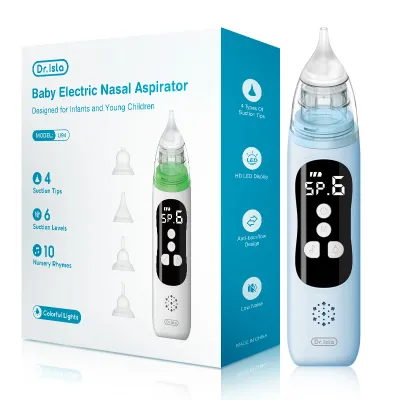
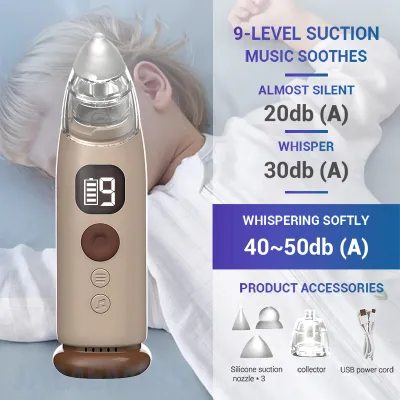
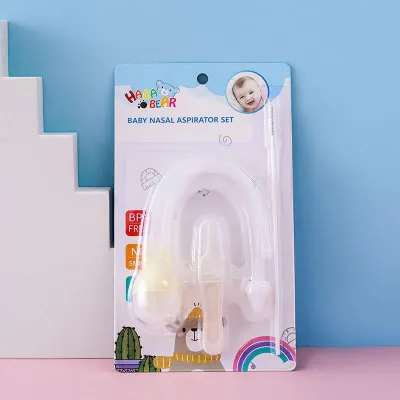
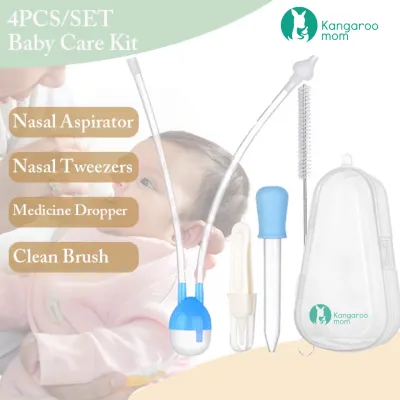
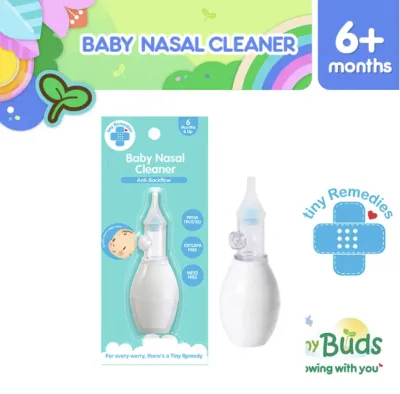
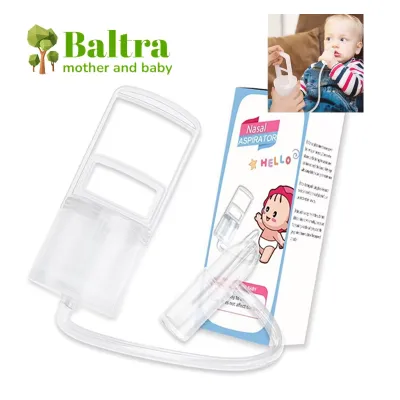
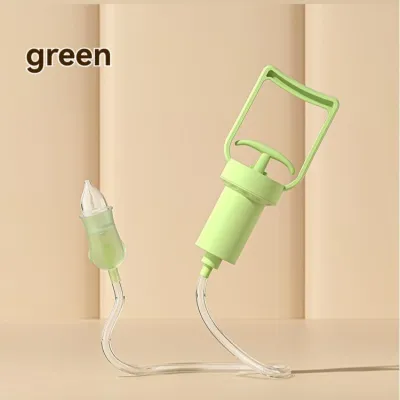
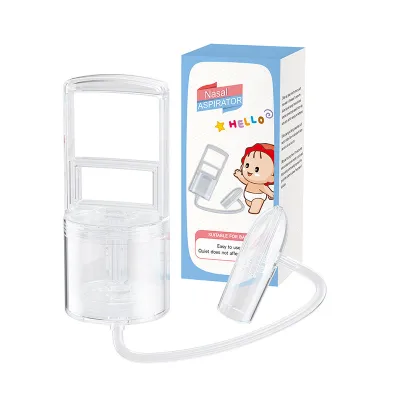
Prices are valid at publication and may change. Please refer to the product page for the latest price.
For occasional, mild congestion or routine post-bath clearing, a traditional bulb syringe is a highly affordable and accessible option. If you are dealing with thick, stubborn mucus from a cold and want complete control over the suction force without scaring your baby, a manual mouth-suction aspirator is highly effective. For families managing frequent congestion, active older infants who resist being held still, or parents who prefer the convenience of one-handed operation, a rechargeable electric nasal aspirator is often the most practical investment.
Ultimately, the right choice aligns with your budget, how comfortable you are cleaning the device, and how your baby tolerates the process. Many parents find it helpful to keep a simple manual option in their diaper bag for travel and a motorized unit at home for quick, efficient clearing before bedtime.
Understanding the Three Main Types of Baby Aspirators
To make an informed decision, it is essential to understand how each of these three devices operates, along with their primary advantages and limitations.

Bulb Syringes
Bulb syringes are the classic, teardrop-shaped rubber bulbs that have been used in pediatric care for generations. To operate a bulb syringe, you compress the bulb to expel the air, gently insert the narrow tip into the baby’s nostril to create a seal, and slowly release your grip to draw mucus into the chamber.
- Pros: These devices are highly affordable, widely available in local pharmacies, and are frequently included in hospital discharge kits. They operate silently, require no batteries or replacement filters, and are small enough to fit easily into any travel kit.
- Cons: The primary drawback of traditional bulb syringes is that they are notoriously difficult to clean and dry inside, which presents a high risk of mold and bacterial growth over time. Additionally, because the rubber body is completely opaque, it is impossible to see how much mucus has been extracted or to inspect the interior for cleanliness.
Manual Pump Aspirators (Mouth-Suction and Hand-Pump)
Manual pump aspirators, particularly mouth-suction models, consist of a soft silicone nasal tip connected by flexible tubing to a mouthpiece. The parent places the nasal tip at the entry of the baby’s nostril and draws breath through the mouthpiece, using their own lung capacity to generate suction while a physical foam filter prevents any mucus from traveling up the tube.
- Pros: This design offers unmatched control, allowing you to instantly vary the suction strength from a gentle pull to a stronger draw based on the baby's comfort and the thickness of the mucus. The collection chamber is transparent, giving you immediate visual confirmation of what has been cleared.
- Cons: Operating a manual mouth-suction device requires coordination and can feel physically tiring during long nights. Parents must also purchase and regularly replace the single-use hygiene filters to prevent cross-contamination, which adds a recurring cost to the device's lifetime ownership.
Electric Nasal Aspirators
Electric nasal aspirators are handheld, battery-operated or USB-rechargeable devices equipped with a small, motorized pump. With the press of a button, the device generates continuous, steady suction through a detachable silicone nozzle, and many modern models feature adjustable power settings, built-in lights, or soothing music to distract the baby.
- Pros: The standout benefit of an electric model is true one-handed operation, which leaves your other hand free to gently stabilize a wriggling baby. They provide consistent, automated suction without requiring physical effort from the parent, and they typically feature fully detachable, sterilizable collection cups.
- Cons: Electric aspirators represent a higher initial financial investment, often ranging from ₱1,000 to ₱3,000 or more on local online marketplaces. They require regular charging or battery replacements, and the vibration and humming noise of the motor can sometimes startle or upset sensitive infants.
Key Comparison Dimensions for Baby Nasal Aspirators
Evaluating these devices across specific performance dimensions helps clarify how they operate during daily parenting challenges.
Suction Power and Effectiveness
The ability to clear a blockage efficiently depends directly on how the device generates and maintains suction. Bulb syringes provide a brief, single-draw suction that is generally sufficient for thin, watery fluid but often fails to dislodge thick, sticky mucus deep within the nasal passages.
Manual mouth-suction devices excel at clearing stubborn congestion because the parent can dynamically adjust the suction profile. You can apply a quick, firm draw to break a stubborn seal or a long, steady pull to clear deeper blockages, making it highly versatile for varying illness stages.
Electric models provide continuous, steady suction that does not fade mid-draw, which is highly effective for clearing a large volume of fluid quickly. However, parents must carefully review the manufacturer’s instructions regarding the different speed levels; using a setting that is too high can irritate the delicate nasal lining, while a setting that is too low may feel ineffective compared to a manual draw.
Regardless of the device you choose, physical suction alone is rarely enough for dry or highly compacted mucus. Pre-treating the nasal passages with a few drops of sterile, pediatrician-approved saline solution is essential to break down the mucus bonds, allowing any aspirator to work safely and effectively.
Ease of Use and Baby's Comfort
A baby’s reaction to nasal clearing can turn a simple task into a stressful struggle, making physical handling and ergonomics crucial factors. Bulb syringes require two hands to operate effectively—one to compress the bulb and guide the tip, and another to stabilize the baby’s head—and the bulky rubber body can sometimes block your line of sight.
Manual aspirators require you to manage the nasal tip, the flexible tubing, and the mouthpiece simultaneously. While this allows you to keep your face close to your baby to offer comfort, managing the physical tubing while your baby is squirming can be challenging and requires practice to master.
Electric aspirators offer the most streamlined physical handling because they are self-contained and operate with one hand. This allows you to use your free hand to gently support your baby’s forehead or hold their hands out of the way. To ensure your baby’s comfort, always verify that the device includes multiple sizes of soft silicone tips; a tip that is too large will not seal the nostril, while a tip that is too narrow can be accidentally inserted too deeply.
Cleaning and Hygiene Maintenance
Maintaining strict hygiene is vital when caring for an infant’s respiratory system, especially in warm, humid tropical environments where mold, yeast, and bacteria multiply rapidly on damp surfaces.
- Bulb Syringes: These present the most significant hygiene challenge because they cannot be disassembled. Even when flushed with hot, soapy water, the dark, enclosed interior of a rubber bulb dries very slowly, creating a high risk of internal mold accumulation. If you choose to use a bulb syringe, it must be replaced frequently.
- Manual Aspirators: These are highly hygienic because they are designed to be completely taken apart. The silicone nose tip, collection chamber, and tubing can be washed thoroughly in warm, soapy water. However, you must replace the disposable foam filter after every use and allow all components to air-dry completely before reassembly to prevent bacterial growth.
- Electric Aspirators: Most electric models feature a smart design where the motorized base is completely separated from the fluid collection chamber. The silicone tips and plastic collection cup can be easily detached, washed, and sterilized according to the manufacturer's guidelines. It is critical to ensure that no moisture enters the motorized handle, as this can damage the internal electronics and void the warranty.
Matching the Aspirator to Your Baby's Needs
Selecting the right tool depends heavily on your baby’s developmental stage and the specific type of congestion you are managing.
By Age and Development Stage
An infant’s physical size and mobility change rapidly during their first year, directly impacting how they tolerate nasal suctioning.
- Newborns (0 to 3 months): Newborns have incredibly small, delicate nasal passages that are easily irritated. For this stage, a manual mouth-suction aspirator or an electric model on its lowest setting, equipped with an ultra-soft, extra-narrow newborn silicone tip, is ideal. The gentle, highly controllable suction minimizes the risk of swelling the nasal tissues.
- Active Infants (4 to 12 months): As babies develop head control, roll over, and learn to push your hands away, nasal clearing becomes more of a physical challenge. The speed and one-handed convenience of an electric aspirator are highly beneficial here, allowing you to complete the process quickly before the baby becomes too distressed.
- Toddlers (12 months and older): Toddlers may actively resist nasal clearing but can often be reasoned with or distracted. Electric models that feature built-in music or colorful lights can turn a scary chore into a more cooperative experience, while some toddlers may prefer the quiet, non-threatening design of a manual tube.
Always consult the product packaging to verify the manufacturer’s age, weight, and safety guidelines before using any nasal clearance device on your child.
By Congestion Severity and Mucus Type
The nature of your baby’s congestion should dictate the tool and technique you use to clear it.
- Mild, Watery Congestion: This is common during sudden weather changes, exposure to air conditioning, or routine post-bath clearing. A simple bulb syringe or a low-power setting on an electric model is perfectly adequate to clear this light fluid quickly.
- Thick, Stubborn Mucus: During a common cold or viral infection, mucus becomes thick, sticky, and deeply lodged. To clear this safely, first apply one to two drops of sterile saline solution to each nostril and wait about a minute to soften the blockage. Then, use a manual mouth-suction device for precise, high-volume extraction, or use an electric model on a medium-to-high setting as specified by the manufacturer.
If your baby’s congestion is persistent, does not improve with suctioning, or is accompanied by other symptoms, always consult a pediatrician for professional guidance.
Decision Framework: Which Type Fits Your Family?
To help you finalize your choice, consider how these conditional scenarios match your family’s lifestyle, budget, and preferences.
- Choose a Bulb Syringe if: You are looking for a highly budget-friendly, silent, and basic tool for occasional, mild congestion, and you are diligent about replacing the device every few months to maintain strict hygiene.
- Choose a Manual Pump if: You want absolute, intuitive control over the suction strength to handle thick mucus, prefer a quiet device that will not startle your baby, and do not mind the physical effort or the ongoing cost of purchasing replacement filters.
- Choose an Electric Aspirator if: Your baby experiences frequent congestion (especially during the rainy or dusty seasons), you need a fast, one-handed tool to manage an active, squirming infant, and you are comfortable with a higher upfront cost for a rechargeable, highly durable device.
- Verify first if: Your baby was born prematurely, has a history of respiratory conditions, or suffers from chronic nasal passage narrowing. In these cases, always consult your pediatrician before using any motorized or high-suction nasal clearance devices.
Safe Usage and Maintenance Guidelines
Regardless of which nasal aspirator you select, adhering to safe usage practices is essential to protect your baby’s delicate nasal passages from injury and infection.
First, limit the frequency of nasal suctioning. Pediatricians generally recommend suctioning a baby’s nose no more than three to four times a day, typically before feedings and bedtime. Over-suctioning can irritate and inflame the sensitive nasal mucosa, which actually increases swelling and makes congestion worse.
Second, pay close attention to depth and positioning. Never force the aspirator tip deep into the nasal cavity. The tip should only rest gently at the entrance of the nostril, pointing slightly outward toward the side of the nose rather than straight up or inward toward the nasal septum, which can cause discomfort or minor bleeding.
Third, maintain a strict cleaning routine. Wash all detachable parts in warm, soapy water immediately after each use. In humid climates, ensure all components dry completely in a well-ventilated, clean area before reassembly, as trapping moisture inside closed parts promotes mold growth. Discard any bulb syringe immediately if you notice internal discoloration, a sour odor, or if the rubber begins to lose its elasticity.
Finally, monitor your baby for warning signs. Stop suctioning immediately if you see any blood, if the nasal lining appears swollen and red, or if your baby shows signs of extreme distress. Seek immediate professional medical help if your baby’s congestion is accompanied by a high fever, if they are struggling to breathe (indicated by rapid chest movement or flaring nostrils), or if they are too congested to feed.
Frequently Asked Questions (FAQ)
Can I use a nasal aspirator on a newborn?
Yes, you can use a nasal aspirator on a newborn, but you must select a device specifically designed for newborns that features an ultra-soft, narrow silicone tip. Always apply a drop of sterile saline solution first to lubricate the passage, use the gentlest suction possible, and consult your pediatrician if you are unsure about the correct technique.
How often should I replace a bulb syringe?
Because traditional rubber bulb syringes cannot be disassembled, scrubbed, or thoroughly dried inside, they should be replaced every two to three months. If you notice any internal discoloration, a sour or musty odor, or if the rubber begins to feel sticky or lose its elasticity, discard the device immediately.
Do electric aspirators hurt the baby's ears?
When used correctly at the entrance of the nostril, consumer electric nasal aspirators are calibrated to operate within safe pressure limits and will not harm your baby’s ears or sinuses. However, the motor’s noise and vibration can sometimes startle sensitive infants; using a model with a quiet motor or utilizing distraction techniques can help keep your baby calm during use.
Community discussion
Share your experience or ask a question. Comments are reviewed before publication.