
As your body transitions into the postpartum phase, your skin undergoes a significant period of recovery, contraction, and hormonal adjustment. Designing a targeted postpartum essentials kit for stretch mark care is one of the most supportive steps you can take for your physical comfort and skin health. An effective kit relies on a thoughtful combination of deeply hydrating plant oils, barrier-supporting creams, and ultra-gentle exfoliants that work together to soothe, nourish, and restore your skin.
Selecting the right products requires balancing efficacy with strict safety standards, particularly if you are breastfeeding. In addition, managing skincare in a warm, humid climate like the Philippines requires lightweight, fast-absorbing formulations that provide deep nourishment without leaving a heavy or sticky residue. By understanding how to choose and apply these products safely, you can cultivate a soothing self-care ritual that respects your body’s natural healing timeline.
Setting Realistic Expectations for Postpartum Stretch Mark Care
To approach postpartum skincare with confidence, it is essential to understand the biology of stretch marks and what topical treatments can realistically achieve. Stretch marks, scientifically known as striae, are structural changes that occur when the skin’s middle layer (the dermis) stretches rapidly over a short period. This rapid expansion causes the supportive collagen and elastin fibers in the dermis to rupture, leaving behind visible lines on the surface of the skin.
Products mentioned in this guide
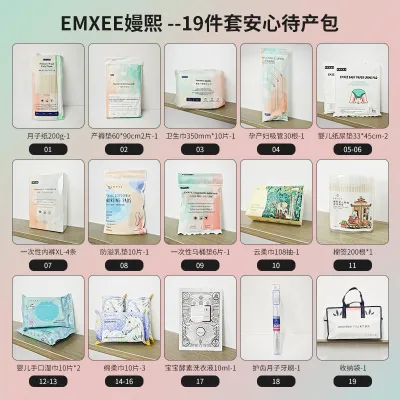
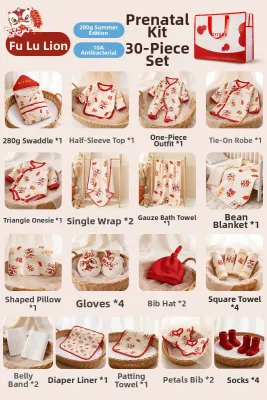
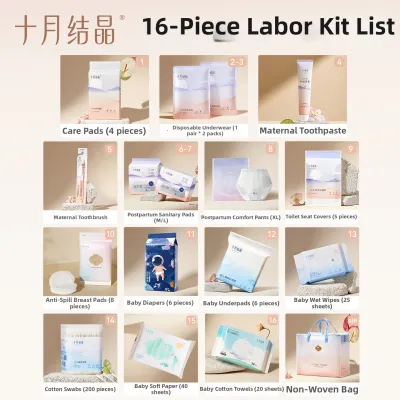
Prices are valid at publication and may change. Please refer to the product page for the latest price.
During the initial postpartum months, stretch marks typically present as red, purple, pink, or deep brown lines, a stage known as striae rubrae. This color is caused by blood vessels showing through the newly torn dermal layers. Over time, these marks naturally mature into striae albae, transitioning into a lighter, silver-white, or glossy tone. Postpartum skincare is primarily focused on supporting this natural transition by fading discoloration, improving skin elasticity, and relieving the dryness or itching that occurs as your skin contracts.
It is important to recognize that postpartum care is distinct from prenatal prevention. While prenatal care focuses on maximizing skin pliability to accommodate growth, postpartum care is centered on tissue repair, deep hydration, and soothing the skin barrier. Because stretch marks are a form of dermal scarring, no topical cream, oil, or serum can erase them completely. Accepting this structural reality allows you to focus on healthy, realistic goals: improving your skin’s overall texture, restoring its moisture barrier, and helping the marks fade into subtle, soft lines.
Safe and Effective Ingredients to Look For
When building your postpartum essentials kit, reading product labels carefully is your most important tool. Selecting evidence-backed ingredients ensures your routine delivers genuine benefits while remaining entirely safe for both you and your baby.

Rosehip Seed Oil This botanical oil is highly regarded for its regenerative properties. It is naturally rich in essential fatty acids, including linoleic and linolenic acids, as well as vitamins A and C. These components work together to support skin cell turnover, improve moisture retention, and assist in fading postpartum hyperpigmentation and redness.
Centella Asiatica Also known as Gotu Kola or Tiger Grass, this herbal extract is widely celebrated for its ability to support collagen production and soothe irritated skin. It helps strengthen the skin’s structural framework, making it an invaluable ingredient for healing stretched dermal tissues and reducing inflammation.
Hyaluronic Acid This powerful humectant acts like a sponge, drawing moisture from the surrounding environment into the outer layers of your skin. It provides immediate, deep hydration that plumps the skin, temporarily smoothing out the appearance of fine lines and uneven textures.
Peptides Peptides are short chains of amino acids that serve as the building blocks for essential skin proteins like collagen and elastin. Incorporating peptide-infused products into your routine helps support skin firmness and elasticity as your body adapts to its postpartum shape.
Crucial Safety Boundary While optimizing your skincare routine, you must prioritize ingredient safety above all else, especially if you are breastfeeding. You must strictly avoid topical retinoids—including retinol, retinyl palmitate, and prescription-strength tretinoin—while nursing. These vitamin A derivatives carry a risk of systemic absorption and are not recommended during lactation. Always check product labels for clear “pregnancy-safe” or “breastfeeding-safe” claims, which indicate the formula has been vetted for safety. If you are ever uncertain about an ingredient list, consult your pediatrician or a dermatologist before applying the product.
Essential Product Types to Include in Your Kit
A highly functional postpartum skincare kit does not require a complicated, multi-step routine. Instead, it relies on three core product categories, each serving a distinct purpose in keeping your skin comfortable, hydrated, and resilient.
Nourishing Body Oils
Body oils play a vital role in postpartum stretch mark care by forming a protective lipid barrier on the surface of the skin. This barrier locks in moisture and increases skin pliability, making the tissue more resilient. Applying a high-quality oil also provides the perfect lubrication for a gentle daily massage, which helps stimulate blood circulation and supports tissue recovery in stretched areas like the abdomen, hips, and thighs.
When selecting a body oil, prioritize pure, plant-based options such as jojoba oil, sweet almond oil, or cold-pressed rosehip oil. Jojoba oil is particularly beneficial because its molecular structure closely mimics your skin’s natural sebum, allowing it to absorb deeply without clogging pores. Look for cold-pressed, unrefined oils that are free from synthetic fragrances, artificial colorants, and preservatives to minimize the risk of skin irritation.
In the tropical and humid climate of the Philippines, heavy, occlusive oils can quickly become uncomfortable. They can trap sweat, clog pores, and leave a sticky residue that clings to lightweight clothing or stains nursing wear. To avoid this, look for fast-absorbing formulas often marketed as “dry oils.” These lightweight oils deliver deep nourishment and a smooth, satin-like finish without leaving you feeling greasy in the heat.
Repairing and Firming Body Creams or Butters
While oils are excellent for sealing in moisture and facilitating massage, thick body creams and butters are essential for deep barrier repair and long-lasting hydration. As your skin contracts postpartum, it can often feel tight, dry, and intensely itchy. A rich, restorative cream helps rebuild the skin’s natural moisture barrier and provides immediate, soothing relief.
Look for creams formulated with barrier-repairing ingredients such as ceramides, shea butter, cocoa butter, or colloidal oatmeal. Ceramides are lipid molecules that help rebuild the skin’s protective shield, while colloidal oatmeal is highly effective at calming itchiness and reducing localized redness. These ingredients help keep the skin soft and pliable, which is crucial for reducing the appearance of stretch marks.
When choosing a cream or butter, it is highly recommended to select fragrance-free or very lightly scented options. Strong synthetic perfumes can cause headaches or nausea for a sensitive postpartum mother. More importantly, strong fragrances can easily irritate your baby’s delicate skin and respiratory system during close contact, skin-to-skin bonding, or nursing. Creams are generally best suited for daytime application or when you need to dress immediately, as they absorb cleanly into the skin without leaving a heavy film.
Gentle Body Exfoliants
Exfoliation is an often-overlooked step in postpartum stretch mark care, yet it is highly effective when done correctly. Mild exfoliation helps sweep away dead skin cells, smooths rough skin texture, and allows your subsequent treatments—such as oils and creams—to penetrate more deeply and work more efficiently. By encouraging cell turnover, gentle exfoliation supports the skin’s natural healing process.
For postpartum skin, gentleness is key. Opt for mild chemical exfoliants, such as body lotions containing low percentages of lactic acid, which gently dissolve dead skin cells while simultaneously acting as a humectant to draw in moisture. Alternatively, you can use very gentle physical scrubs made from finely ground oatmeal or fine sugar, which physically polish the skin without causing irritation.
You must strictly avoid harsh, coarse physical scrubs—such as those containing large salt crystals, ground nutshells, or crushed apricot stones—and high-strength chemical peels like high-percentage glycolic or salicylic acids. Postpartum skin is often highly sensitive, thin, and prone to hyperpigmentation; aggressive scrubbing can cause micro-tears, compromise your skin barrier, and worsen discoloration. Limit your exfoliation routine to just one or two times a week to maintain a healthy, intact skin barrier.
How to Layer and Apply Your Skincare Routine
To maximize the benefits of your postpartum essentials kit, you must apply your products in the correct order and at the optimal times. Developing a consistent, mindful application routine ensures your skin receives the full therapeutic value of each ingredient.
The Power of Timing The single most effective time to apply your skincare is immediately after stepping out of the shower or bath. While your skin is still slightly damp, your pores are receptive, and there is abundant surface moisture available. Applying your products at this moment locks in that hydration, preventing it from evaporating into the dry air.
The Layering Method To get the most out of your products, use the “oil then cream” method or the “mixing” method. For the layering method, apply your nourishing body oil first, massaging it gently into your skin using circular motions to promote circulation. Once the oil has partially absorbed, apply a layer of your repairing body cream over the top to seal in the moisture and create a protective barrier. Alternatively, if you are short on time, you can place a dollop of body cream in your palm, add three to four drops of body oil, mix them together, and apply the blend directly to your skin.
An Essential Safety Boundary While establishing your routine, you must observe strict safety boundaries regarding healing tissues. Never apply any active skincare products, body oils, creams, or exfoliants directly on or near unhealed C-section incisions, episiotomies, perineal tears, or any surgical wounds. Applying non-sterile cosmetic products to healing wounds can introduce bacteria, cause severe irritation, or disrupt the healing process. Wait until these areas are completely closed, fully healed, and you have received explicit clearance from your healthcare provider before resuming normal topical applications nearby.
Frequently Asked Questions (FAQ)
Will stretch mark oils and creams make my stretch marks disappear completely?
No topical product can completely erase stretch marks. Stretch marks represent a structural tear deep within the dermal layer of the skin, resulting in permanent scar tissue. While high-quality creams and oils cannot reverse this structural change, they are highly effective at fading the red or purple discoloration, smoothing out uneven skin texture, and relieving the dryness and itching associated with skin recovery. Over time, with consistent hydration and care, your stretch marks will naturally soften and fade into a much less noticeable silver or white tone.
When is the best time to start using postpartum stretch mark products?
You can begin using basic, gentle, fragrance-free moisturizers and pure plant oils on intact, healthy skin immediately after giving birth to help soothe dryness and support skin elasticity. However, if you have undergone a C-section or experienced perineal tearing, you must completely avoid applying any cosmetic products, active treatments, or exfoliants near those healing surgical sites. Always wait until all wounds are fully closed, any scabbed areas have resolved, and your obstetrician or healthcare provider has formally cleared you to resume topical skincare in those specific areas.

Community discussion
Share your experience or ask a question. Comments are reviewed before publication.