
Choosing the right breastfeeding nursing cover depends on balancing your personal need for privacy, your baby’s temperament, and the local climate. If you prioritize structured airflow and being able to see your baby easily while feeding, an apron-style cover is often the most practical choice. For those who want a wearable accessory that transitions seamlessly from an outfit to a cover, a scarf or infinity design works beautifully. Meanwhile, a traditional blanket cover offers the greatest versatility for multi-use scenarios, such as shading a stroller or serving as a clean surface.
In warm, humid environments like the Philippines, the decision becomes even more critical. A cover that traps heat can make feeding uncomfortable for both you and your little one. By evaluating how each style manages airflow, coverage, and ease of deployment, you can find a solution that keeps your nursing sessions calm and comfortable, whether you are at home or out in public.
Understanding the Three Main Nursing Cover Styles
Traditional blanket covers are simple, versatile options. They typically consist of a rectangular or square piece of fabric equipped with neck straps, ties, or snap buttons to keep the material secure. Because of their straightforward design, they lay flat when unfolded, making them easy to adapt for other purposes beyond nursing.
Products mentioned in this guide
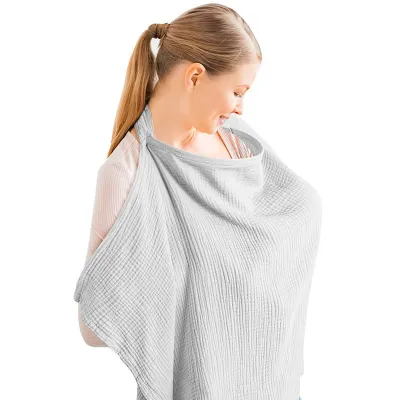

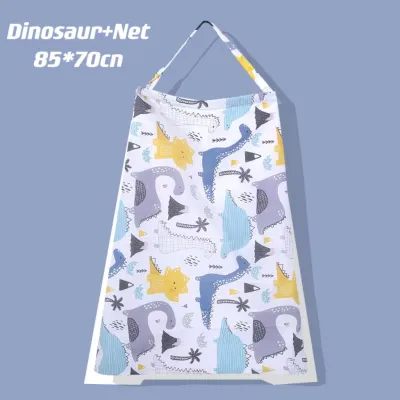
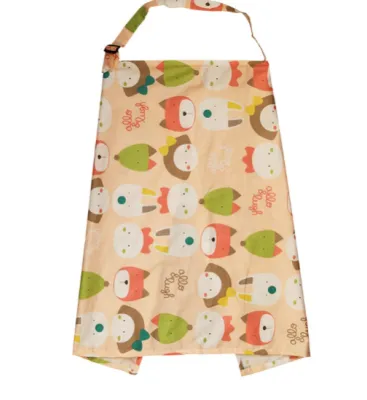
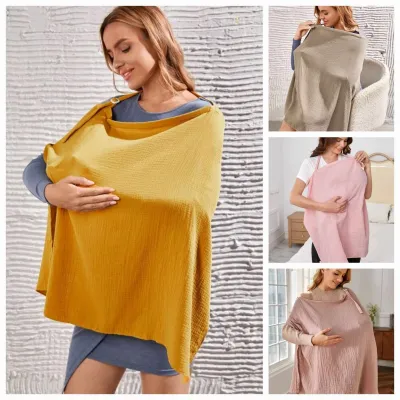
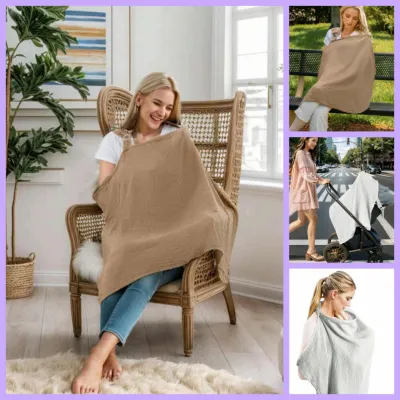
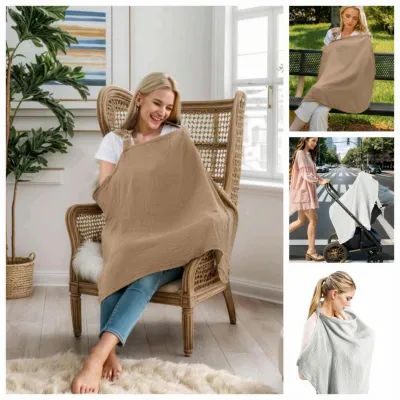
Prices are valid at publication and may change. Please refer to the product page for the latest price.
Apron-style covers feature a more structured design. They hang from the caregiver’s neck like a kitchen apron, but they incorporate a rigid, curved neckline—often made of flexible plastic or boning. This structural element holds the fabric away from your chest, creating a small viewing window so you can maintain eye contact with your baby and ensure proper latching.
Scarf or infinity covers are designed as continuous loops of fabric. You wear them around your neck as an accessory during the day, and then unloop or drape them over your shoulder when it is time to feed. They provide 360-degree coverage, wrapping completely around your torso to shield your front, sides, and back.
Key Decision Factors for Your Comfort and Lifestyle
Privacy and coverage area represent the first major consideration. Some parents prefer full 360-degree coverage to ensure their back and sides remain completely hidden, especially when wearing shorter tops that might ride up. Others only require front-facing coverage and prefer a lighter, less restrictive drape that does not wrap all the way around the body.

Climate and breathability are crucial, particularly in tropical conditions where humidity is high. A heavy or non-breathable fabric can quickly turn the space under the cover into a warm, stuffy pocket, causing your baby to sweat and become fussy. Selecting a design that allows hot air to escape easily is essential for maintaining a peaceful feeding environment.
Your baby’s age and developmental stage also dictate which style will work best. Newborns often need close monitoring and assistance with latching, requiring a clear line of sight. As babies grow older and become more aware of their surroundings, they may easily get distracted, pull at the fabric, or reject being covered altogether, meaning you need a secure option that cannot be easily yanked away.
Ease of use and portability determine how practical the cover is in daily life. When your baby is hungry and crying, you need to be able to deploy the cover quickly, ideally with one hand while holding your child. The cover should also fold down compactly so it does not take up excessive space in an already crowded diaper bag.
Detailed Comparison: Blanket vs. Apron vs. Scarf
When comparing visibility and airflow, the apron-style cover holds a distinct advantage. The rigid neckline acts as a canopy, allowing fresh air to circulate freely while giving you an unobstructed view of your baby. Traditional blankets and infinity scarves drape directly over the baby’s head and body, which can limit airflow and require you to manually lift the fabric to check on your child’s latch.
Versatility and multi-use potential vary significantly across these designs. Traditional blankets excel here, as they can easily double as a stroller canopy, a light blanket, or a clean surface for tummy time. Scarf covers offer excellent fashion versatility, serving as a wearable accessory that eliminates the need to pack an extra item in your bag, while apron-style covers are highly specialized and rarely serve purposes outside of nursing.
Security and fit are essential when managing a squirming baby or dealing with outdoor elements. Infinity scarves wrap securely around your body, making them highly resistant to being kicked off or blown away by a sudden breeze. Apron-style covers are secured at the neck but hang loose at the bottom, which can leave you vulnerable if a baby kicks or if there is a strong wind. Traditional blankets with simple ties or snaps offer moderate security but may require frequent adjustments.
To help you weigh these trade-offs, the following comparison matrix summarizes how each style performs across key practical categories:
| Cover Style | Coverage Level | Airflow & Visibility | Portability & Multi-Use | Best For |
|---|---|---|---|---|
| Traditional Blanket | Front-facing, adjustable | Moderate; drapes over baby | High; doubles as stroller shade or blanket | Parents seeking a multi-functional utility item |
| Apron-Style | Front-facing, open sides | High; rigid neckline creates viewing window | Moderate; specialized design with structured insert | Parents who want easy eye contact and maximum airflow |
| Scarf / Infinity | Full 360-degree coverage | Low to moderate; drapes closely | High; wearable accessory that saves bag space | Parents prioritizing privacy and discreet fashion |
How to Match the Cover to Your Specific Needs
Choosing a traditional blanket cover is ideal if you value multi-purpose gear. If you want a single item in your diaper bag that can shade a stroller, cushion a hard surface, and provide adjustable coverage during feeding, this classic style fits the bill. It is highly adaptable, allowing you to tuck, fold, or drape the fabric exactly how you and your baby prefer.
Opt for an apron-style cover if your primary concern is maintaining a clear view of your baby while keeping them cool. The structured neckline is particularly helpful for mothers who are still mastering the latching process or for babies who get fussy when they cannot see their caregiver. The open-back design also ensures that heat does not get trapped around your body, making it a comfortable option for warm afternoons.
Select a scarf or infinity cover if you want a discreet, stylish solution that you can wear throughout the day. This style is perfect for active parents who do not want to fumble through a diaper bag when it is time to nurse. Because it wraps completely around your torso, it provides peace of mind if you are concerned about side exposure or if your baby tends to kick and pull at loose fabric.
It is important to recognize that some babies strongly object to being covered. If your little one consistently cries, struggles, or pulls the fabric away, forcing a cover can make breastfeeding stressful for both of you. In these situations, you might consider alternative privacy strategies, such as wearing layered clothing, utilizing public nursing rooms, or finding quiet, shaded outdoor spots where you can feed comfortably without a cover.
Safety, Care, and Maintenance Guidelines
Airway safety must always be your top priority when using any breastfeeding nursing cover. Ensure your baby’s nose and mouth are completely clear of the fabric, and check on them frequently during the feeding session. Never leave a baby sleeping or unattended under a cover, as fabric can shift and restrict their breathing.
Proper fabric care is essential for maintaining hygiene and preserving the life of your cover. Because these items frequently come into contact with breast milk, baby saliva, and sweat, they require regular washing. Always check the manufacturer’s care label for specific instructions, as some delicate fabrics or structured necklines may require hand washing or air drying to prevent shrinking and warping.
Regularly inspect your cover for wear and tear to ensure it remains safe to use. Check the stitching around straps, the security of snaps or buttons, and the integrity of any rigid neckline inserts. Loose threads, cracked plastic boning, or loose fasteners can pose choking hazards or lead to sudden failures while you are holding your baby.
Frequently Asked Questions (FAQ)
Can I use a regular blanket or large scarf instead of a dedicated nursing cover?
Yes, you can use a standard muslin blanket or a large pashmina scarf as a temporary nursing cover. These items are highly portable and often readily available in your diaper bag or wardrobe. However, they lack the specialized features of dedicated covers, such as secure neck straps or structured necklines. Without these elements, you may find yourself constantly readjusting the fabric to keep it from slipping off your shoulder, which can make feeding more challenging if you need both hands to support your baby. If you must use a regular blanket, you can secure it temporarily by tucking a corner under your bra strap or using dedicated fabric clips.
What fabric is best for a nursing cover in a warm climate?
When nursing in a warm or humid climate, it is best to check product labels for lightweight, highly breathable materials. Natural fibers such as cotton, cotton muslin, and bamboo-derived viscose are excellent choices because they allow air to circulate and help wick away moisture. Avoid heavy synthetic fabrics, thick polyesters, or multi-layered designs that trap body heat and create a stuffy environment for your baby. Regardless of the fabric you choose, always monitor your baby while feeding; if you notice they are sweating, flushed, or breathing rapidly, take a break from the cover to let them cool down.
How do I clean a nursing cover with a rigid neckline?
Cleaning an apron-style cover requires extra care to protect the rigid insert that keeps the neckline open. First, consult the manufacturer’s care label to identify the structural material, which is typically a flexible plastic or a coated wire. If the label permits machine washing, place the cover inside a mesh laundry bag and use a gentle, cold-water cycle to prevent the insert from twisting or snapping. For covers with non-removable or delicate inserts, hand washing or spot cleaning the fabric is often the safest method. Avoid high-heat drying or ironing directly over the rigid neckline, as extreme heat can warp, melt, or permanently damage the structural component.

Community discussion
Share your experience or ask a question. Comments are reviewed before publication.