
Choosing the right nursing cover is a highly personal decision that depends on how you balance coverage, baby visibility, and physical comfort. There is no single design that works perfectly for every parent; instead, the ideal option depends on your baby’s age, your typical feeding environments, and how easily you or your baby get warm. By understanding the structural differences between apron, scarf, and infinity styles, you can select a cover that makes breastfeeding on the go a relaxed and comfortable experience.
In warm and humid tropical climates like the Philippines, choosing a cover is not just about privacy—it is also about managing heat and airflow. A cover that traps too much warmth can make your baby fussy and uncomfortable, turning a feeding session into a struggle. Evaluating how each style drapes and ventilates will help you keep your baby cool while maintaining the level of coverage you desire.
Understanding the Three Main Nursing Cover Designs
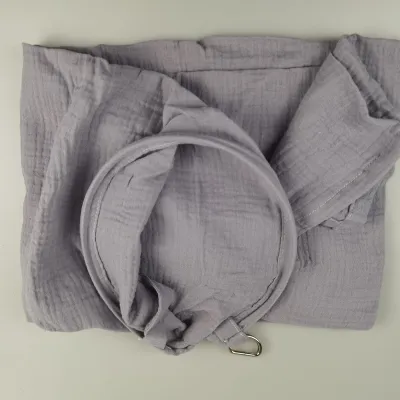
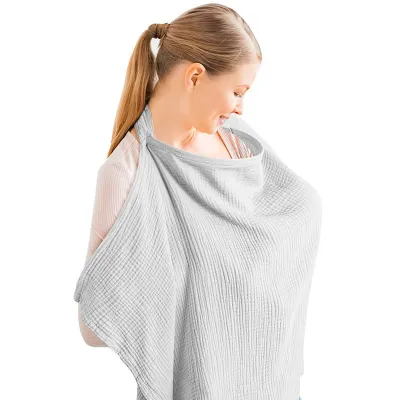
To choose the right style, it helps to understand how each design is constructed and how it sits on your body. The apron style is one of the most traditional designs available. It features a strap that goes around your neck to hold the fabric in place, along with a semi-rigid, curved neckline at the top. This structured neckline bows outward, creating a small canopy or “tent” over your chest that allows you to look directly down at your baby while keeping the sides draped over your torso.
Products mentioned in this guide
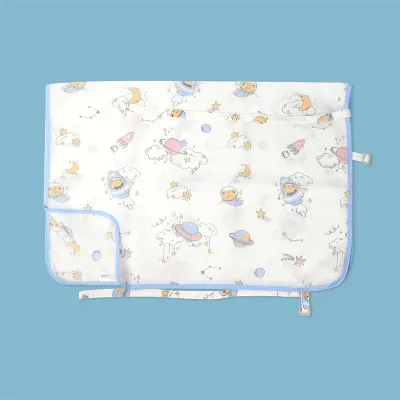
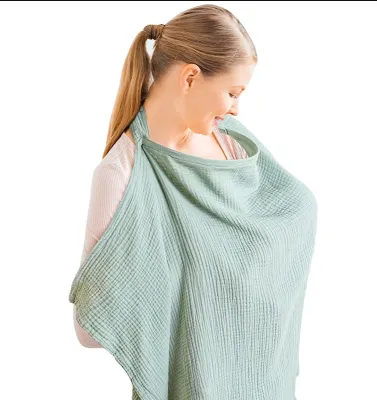
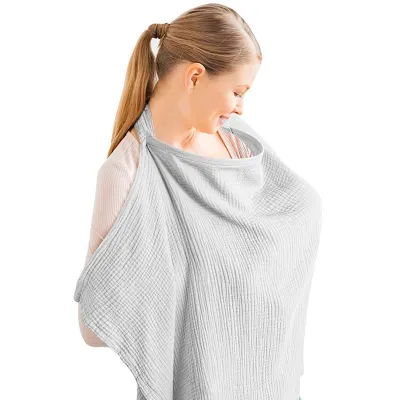
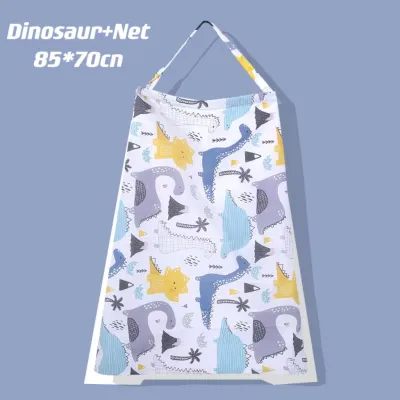
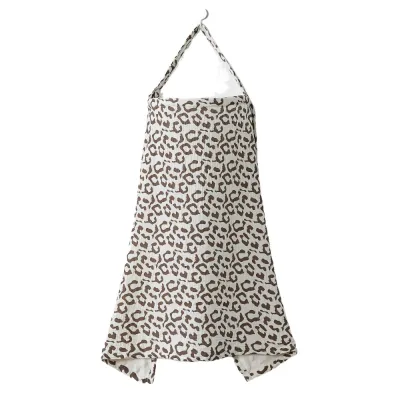
Prices are valid at publication and may change. Please refer to the product page for the latest price.
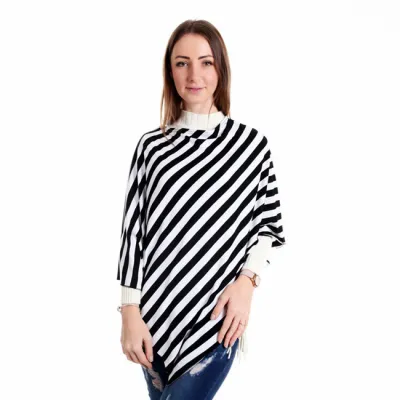
In contrast, the scarf or wrap style is designed to look like a standard fashion accessory when you are not nursing. It is typically a wide, rectangular piece of fabric that you can drape over your shoulder, tie in various configurations, or wrap around your torso. Because it lacks a rigid frame, it relies entirely on how you manually position and tuck the fabric to keep it secure while feeding.
The infinity or loop style consists of a continuous, circular loop of stretchy fabric. You wear it around your neck as a fashionable double-looped scarf during the day. When it is time to feed, you simply unloop one section and stretch it down over your shoulder and torso, enclosing both yourself and your baby within the fabric. This design provides a snug, secure fit that stays in place without any tying or adjusting of straps.
Comparing Coverage, Visibility, and Airflow
Each of these three designs offers a different balance of physical coverage, visibility, and ventilation. Understanding these trade-offs is essential for finding a style that matches your personal comfort level and your baby’s feeding habits.

Coverage levels vary significantly between the styles. The infinity style provides complete 360-degree coverage, meaning your front, sides, and back are fully shielded from view. This is highly beneficial if you are wearing a loose top that you need to pull upward to nurse. The apron style covers your front and sides well but leaves your back completely open, which works best if you wear nursing-specific tops or layered clothing. The scarf style offers customizable coverage; you can drape it heavily over one side or wrap it loosely around your torso, depending on how much fabric you have to work with.
Baby visibility is another critical factor, especially during the early weeks of breastfeeding when you are still mastering the latch. The apron style excels in this area because the rigid neckline holds the fabric away from your body, creating a clear viewing window. This allows you to use both hands to position your baby without losing sight of them. Scarf and infinity styles drape directly over your body and baby, meaning you must manually pull the fabric forward with one hand to check your baby’s latch, breathing, or positioning.
Airflow and temperature management are vital, particularly in warm, tropical environments. The apron style naturally offers the best ventilation because the open back allows heat to escape, and the structured neckline lets fresh air circulate from above. Infinity and scarf styles wrap more closely around your body, which can trap body heat and create a warm microclimate for your baby. If you choose an infinity or scarf style, prioritizing lightweight, breathable fabrics is essential to prevent your baby from overheating.
| Feature / Style | Apron Style | Scarf / Wrap Style | Infinity / Loop Style |
|---|---|---|---|
| Coverage Area | Front and sides; open back | Customizable; front and side focus | Full 360-degree front, side, and back coverage |
| Baby Visibility | High (rigid neckline creates viewing window) | Moderate (requires manual adjustment to view) | Low to Moderate (drapes closely; requires pulling fabric) |
| Airflow & Ventilation | High (open back and structured top allow heat to rise) | Moderate (depends heavily on drape and fabric weight) | Low to Moderate (enclosed loop traps more body heat) |
| Adjustment Needed | Simple neck strap adjustment | Manual wrapping, tying, or draping | Pulling over head and stretching over torso |
| Typical Use Scenario | Quick feedings where eye contact is prioritized | Casual outings where the cover doubles as an accessory | High-traffic public spaces where full coverage is desired |
Matching the Cover to Your Environment and Baby's Stage
Where you plan to nurse and how old your baby is will heavily influence which cover style feels most practical. Different environments present different challenges, and your baby’s behavior will change dramatically as they grow and develop.
If you frequently nurse in busy, high-traffic public spaces like shopping malls, parks, or crowded family gatherings, security is often a top priority. In these settings, an infinity cover is highly reliable because it cannot be easily blown aside by a sudden breeze or knocked loose by a passing elbow. If you primarily nurse in quieter, more stationary environments, such as a doctor’s waiting room or a friend’s living room, the quick setup and excellent visibility of an apron cover may feel much more convenient.
Your baby’s developmental stage also plays a major role in how they tolerate a cover. Newborns require constant monitoring and assistance with latching, making the structured viewing window of an apron cover incredibly helpful. However, as babies reach 4 to 6 months of age, they become highly curious and easily distracted by their surroundings. A distracted baby may actively pull, tug, or kick at a loose cover to see what is happening around them. An older baby can easily pull down a loosely draped scarf or kick open an apron cover, whereas a snug infinity cover is much harder for them to remove.
Many parents appreciate multi-use items that help lighten their diaper bag. Infinity covers and some scarf styles are highly versatile and can double as shopping cart covers, high chair liners, or infant car seat canopies. While this versatility is convenient, you must always perform strict safety checks when repurposing these items. Never fully cover a stroller or car seat in a way that restricts fresh airflow, as temperatures inside can rise rapidly. Always ensure there is a wide, open gap for ventilation and monitor your baby closely.
Essential Features to Verify Before Purchasing
Before purchasing any nursing cover from an online marketplace or local baby boutique, it is important to look past the aesthetic designs and verify the physical specifications of the product. Checking these details on the manufacturer’s label or product description ensures the cover will be safe, comfortable, and durable.
First, examine the fabric properties. Do not rely on generic marketing terms like “cooling” or “ultra-soft” without checking the actual material composition. Look for lightweight, natural fibers or breathable semi-synthetics, such as cotton muslin, bamboo-derived rayon, or lightweight modal blends. These fabrics allow for better air circulation and are gentle on sensitive baby skin. Additionally, ensure the fabric is fully machine-washable, as the cover will inevitably come into contact with spilled milk, spit-up, and sweat.
Next, verify the adjustability and dimensions of the cover. For apron styles, check if the neck strap uses a secure D-ring buckle or adjustable snaps that will not slip when your baby pulls on the fabric. For infinity and scarf styles, check the overall dimensions to ensure they match your body frame. A cover that is too small will feel tight and restrictive, making it difficult to position your baby comfortably, while a cover that is too large may slip off your shoulders and fail to provide adequate coverage.
Consider the storage and portability of the design. If you use a compact diaper bag, a soft infinity loop or scarf can be easily rolled up, stuffed into a small pocket, or simply worn around your neck, saving valuable storage space. An apron cover with a rigid plastic or boning insert in the neckline requires more careful packing; folding it too tightly can crease or damage the insert, so you will need to ensure you have a flat compartment in your bag to store it safely.
Finally, always read and follow the manufacturer’s safety warnings. No matter which style you choose, never leave your baby unattended under a nursing cover. Ensure the fabric is never resting directly against your baby’s nose or mouth, and maintain a clear line of sight so you can monitor their breathing and comfort level at all times.
Frequently Asked Questions (FAQ)
Can I use a regular lightweight blanket or scarf instead of a dedicated nursing cover?
Yes, you can use a regular lightweight receiving blanket or a personal fashion scarf as a makeshift nursing cover. This is a highly accessible and budget-friendly option, especially when you are caught unprepared while out with your baby. However, makeshift covers lack the secure fastening mechanisms of dedicated nursing covers, meaning a sudden gust of wind or a quick kick from your baby can easily cause the fabric to slip off your shoulder.
If you choose to use a regular blanket or scarf, you must perform essential safety checks to protect your baby. Ensure the fabric is exceptionally lightweight and breathable, such as an open-weave cotton muslin, to prevent heat buildup. Drape the fabric loosely over your shoulder rather than wrapping it tightly, and make sure it does not press against your baby’s face or restrict their access to fresh air.
When do most babies stop needing a nursing cover?
There is no specific age when a baby must stop using a nursing cover, as the timeline varies based on your baby’s temperament and your personal comfort level. Many parents find that between 6 and 9 months of age, babies become highly active, strong, and curious about their environment. At this stage, many infants will actively pull, push, or cry when a cover is placed over them, signaling that they prefer an unobstructed view of the world while they feed.
If your baby begins to resist the cover, you can transition to other discreet breastfeeding methods if you still prefer privacy. Wearing layered clothing, such as a stretchy tank top under a loose shirt, allows you to pull the top shirt up and the tank top down, keeping your torso covered without needing an external fabric drape. Alternatively, you can plan your outings around locations that offer dedicated, quiet nursing rooms.
Community discussion
Share your experience or ask a question. Comments are reviewed before publication.