
Choosing the right baby activity gear is not about buying every item on the department store shelf; it is about matching your baby’s current physical milestones to the specific function of each product. Whether you are considering a bouncer, a motorized swing, or a traditional walker—often searched locally as a karang for baby—your child’s safety and developmental stage must dictate your choice. While these items promise to keep your baby entertained or soothed, they serve very different purposes. A bouncer offers a responsive, portable spot for active infants, a swing provides rhythmic motion to calm fussy newborns, and a walker is designed for older babies who are beginning to explore upright movement. By focusing on your baby’s immediate physical capabilities rather than future milestones, you can avoid cluttered living rooms and ensure you only invest in gear that supports their natural growth safely.
Assessing Your Baby’s Current Milestones and Physical Limits
Before purchasing any baby gear, you must observe your child’s physical readiness. Babies develop at their own pace, and age recommendations on packaging are only general guidelines. The true test of readiness lies in observable physical milestones, such as head control, trunk stability, and the ability to sit up without support. Placing a newborn in gear designed for an older infant who can sit upright poses serious safety risks, as their neck muscles cannot yet support the weight of their head. Conversely, keeping an active, rolling baby in a seat designed for a stationary infant can lead to tipping hazards.
To determine if a product is safe, locate the manufacturer’s specifications on the packaging or in the manual. Look closely at the weight and height restrictions. In tropical climates like the Philippines, ensure you weigh your baby accurately without heavy layers to get a precise reading before placing them in any suspended gear.
Products mentioned in this guide
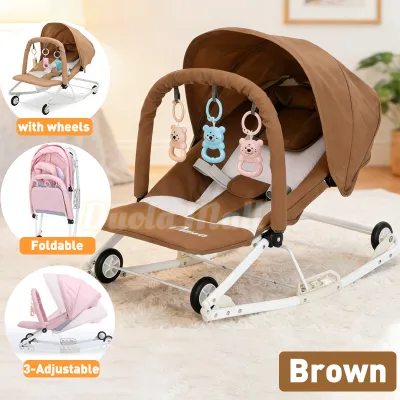
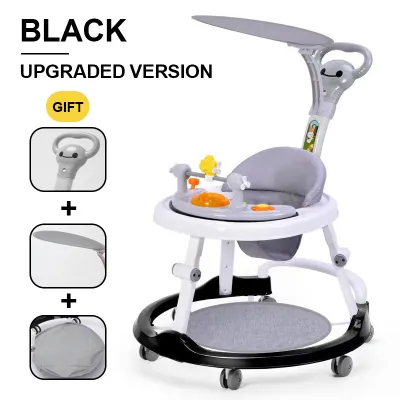
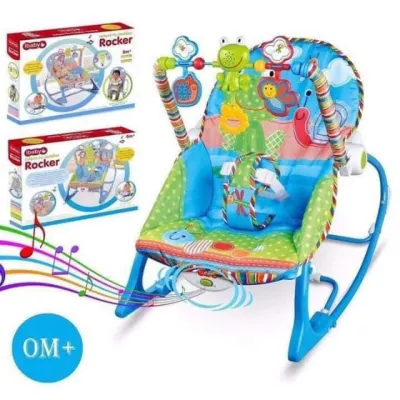
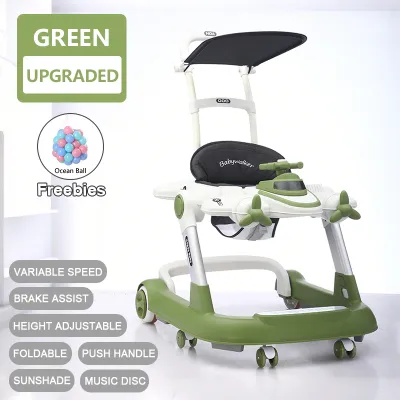
Prices are valid at publication and may change. Please refer to the product page for the latest price.
You must also identify the milestones that signal it is time to stop using a specific item. Once your baby begins to roll over, push up on their hands and knees, or attempt to sit up unassisted, they have outgrown most standard bouncers and swings. Continuing to use these items past these milestones increases the risk of falls.
Diagnosing the Need for a Baby Bouncer
A baby bouncer is a lightweight, low-to-the-ground seat that moves in response to your baby’s natural kicks. It is an ideal solution for parents who need a safe, portable spot to place a young infant while they manage household tasks in the same room. Because bouncers are highly portable, they are convenient for moving from room to room, allowing you to keep your baby in your direct line of sight while balancing daily chores.

Safety when using a bouncer requires strict adherence to a few rules. Always secure your baby using the built-in harness, ensuring the straps are snug. Never place a bouncer on an elevated surface like a table or sofa, as the baby’s movements can cause it to slide or tip. Always place the bouncer on a flat, level floor, away from cords or fans. Additionally, transition your baby out of the bouncer as soon as they show signs of trying to sit up or when they reach the maximum weight limit.
Evaluating Baby Swings for Soothing and Engagement
Unlike bouncers, baby swings are motorized devices that provide continuous, rhythmic swaying. They are designed primarily for passive soothing rather than active play, making them a popular choice for calming fussy infants. When deciding if a swing is right for your home, consider the physical space it requires. Motorized swings often have a much larger footprint than bouncers and are less convenient to move between rooms.
You will also need to evaluate the power source, as some models rely on batteries while others require proximity to an electrical outlet. In humid or tropical environments, ensure the swing is placed in a well-ventilated area to prevent your baby from overheating. Because swings are designed for soothing, it can be tempting to let a sleeping baby remain in them, but you must always supervise your baby and follow safe sleep guidelines.
Always adhere strictly to the manufacturer’s weight limits to prevent motor strain or structural failure. Once your baby begins to actively pull themselves up or attempt to climb out of the swing seat, discontinue use immediately to prevent falls.
Examining Baby Walkers: Safety Checks and Developmental Realities
Baby walkers, traditionally known as a karang for baby, are wheeled frames with a suspended fabric seat that allow infants to scoot across the floor. While they have historically been popular for keeping babies entertained, modern developmental and safety guidelines require parents to evaluate them with extreme caution. The primary concern with wheeled walkers is the rapid mobility they grant to an infant who does not yet possess the cognitive awareness to avoid hazards.
In a typical home, a baby in a walker can quickly roll toward open doorways, uneven floor transitions, or household hazards like hot liquids and electrical cords. If your home has steps or raised thresholds, the risk of a tipping accident is exceptionally high. Furthermore, pediatricians generally advise against wheeled walkers because they do not help babies learn to walk faster. In fact, relying on a walker can alter natural muscle development by encouraging tiptoe standing and bypassing crucial crawling phases. Before purchasing a walker, verify these developmental impacts with your pediatrician.
If you want to provide your baby with an upright view without the safety risks of a wheeled walker, consider safer alternatives. Stationary activity centers, which allow your baby to spin and play with toys without moving across the floor, or sturdy push toys designed for babies who are already pulling to stand, offer excellent opportunities for physical engagement without the hazards of wheels.
Building Your Final Activity Gear Decision Matrix
To make the best decision, use a simple framework based on your baby’s current developmental milestones. If your baby is a newborn who struggles to stay calm and needs constant motion, a swing may be a helpful investment, provided you have the space. If you need a highly portable, budget-friendly spot to place your baby safely while you complete household tasks, a bouncer is often the most practical choice. For older babies who are starting to sit up and want to explore, skipping the wheeled walker (or karang for baby) entirely and opting for a stationary activity center or a sturdy push toy is the safest path, protecting them from mobility hazards while supporting natural motor progression.
Budget and space are also critical factors in this decision. Single-purpose items can quickly clutter a small home and represent a significant financial investment, with prices often ranging upwards of several thousand pesos (₱). If budget is a concern, look for multi-functional gear that transitions from an infant bouncer to a toddler seat, allowing you to get more value out of a single purchase. Ultimately, if your baby is on the verge of outgrowing a specific category of gear, it is wiser to wait. Investing in items your baby will only use for a few weeks can strain your budget and leave you with bulky gear to store; instead, focus on simple floor play, which remains the most effective and cost-free way to support physical development.
Frequently Asked Questions (FAQ)
Can my baby sleep in a bouncer or swing?
No, babies should not be allowed to sleep in a bouncer or swing. These items are designed with an incline, which poses a risk of positional asphyxiation if a sleeping baby’s head flops forward, blocking their airway. If your baby falls asleep while in a bouncer or swing, the standard safety practice is to immediately transfer them to a flat, firm, and approved sleep surface, such as a crib or bassinet, to ensure safe sleep.
How do I know when my baby has outgrown their activity gear?
Your baby has outgrown their activity gear when they reach the maximum weight or height limits specified on the manufacturer’s label, or when they achieve certain developmental milestones. For bouncers and swings, this typically happens when the baby begins to sit up unassisted, roll over, or attempt to climb out. For stationary play centers, you should stop use once your baby can walk independently or when their feet no longer rest flat on the floor at the lowest height adjustment.

Community discussion
Share your experience or ask a question. Comments are reviewed before publication.