
Baby bottle cleaners like Tiny Buds are specifically formulated to remove stubborn breast milk and formula residues while remaining gentle on bottle materials. Whether you use glass, plastic, or silicone bottles, understanding the ingredients in your bottle wash helps ensure you are maintaining both hygiene and material integrity. These specialized cleaners typically leverage plant-derived ingredients to break down milk fats without leaving behind the harsh chemical residues or strong fragrances associated with standard dish soaps.
By choosing a dedicated formula, you protect your baby’s sensitive digestive system from chemical exposure while extending the lifespan of your feeding gear. Let us explore what goes into these cleaners and how they interact with different bottle materials.
Understanding Common Bottle Cleaner Ingredients
The primary job of any bottle wash is to break down the complex fats and proteins found in breast milk and infant formula. To achieve this, manufacturers use surfactants, which lower the surface tension of water, allowing it to mix with oils and wash them away. In specialized baby bottle washes, these surfactants are typically plant-derived, often sourced from coconut, palm kernel, or corn. Common examples include decyl glucoside and coco-glucoside, which are known for being mild yet highly effective at lifting organic residues.
Products mentioned in this guide
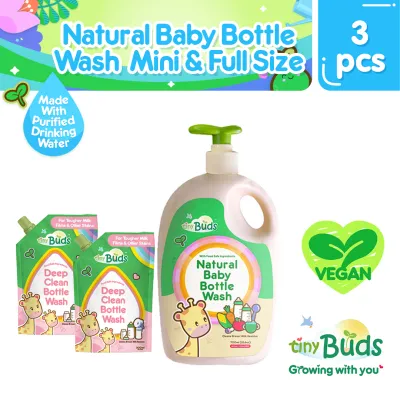
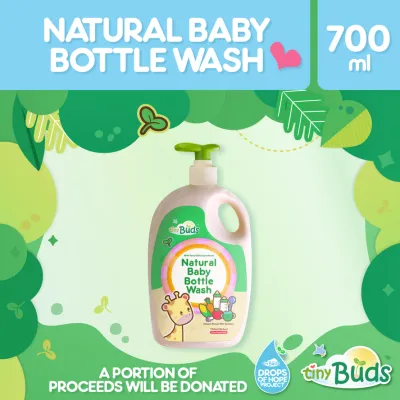
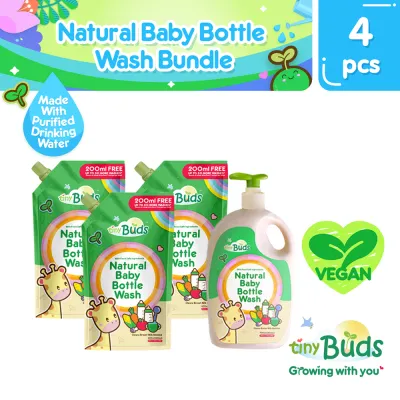
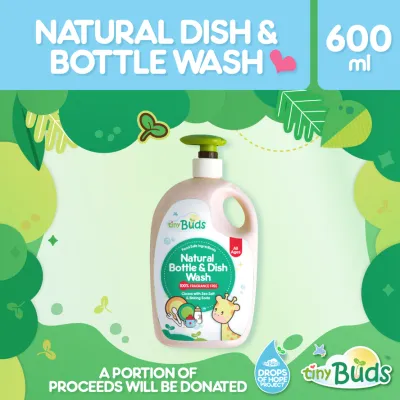
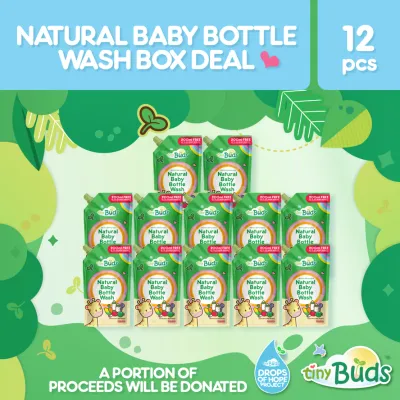
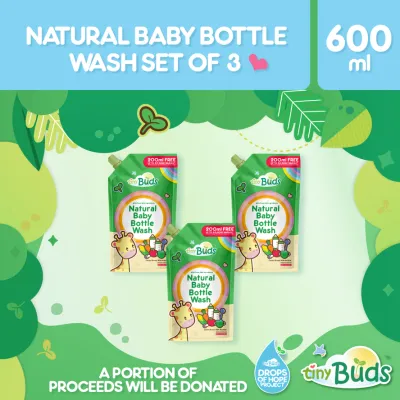
Prices are valid at publication and may change. Please refer to the product page for the latest price.
In contrast, standard household dish soaps frequently rely on synthetic surfactants like sodium lauryl sulfate (SLS) or sodium laureth sulfate (SLES). While highly efficient at cutting heavy grease on adult cookware, these synthetic compounds can strip materials aggressively and require extensive rinsing to ensure no chemical film remains on the bottle surface.
Beyond surfactants, many liquid cleaning formulations incorporate natural enzymes to target specific organic residues. Enzymes like amylase break down carbohydrates, while protease targets milk proteins that stick to the inner walls of the bottle. Preservatives are also necessary to prevent the growth of mold, yeast, and bacteria within the liquid cleaner itself, especially in warm, humid tropical environments. Safe formulations typically utilize food-grade preservatives, such as potassium sorbate or sodium benzoate.
Fragrances in baby bottle cleaners are either entirely absent or kept to a minimum using food-grade, natural extracts. This prevents the lingering, perfumed odors that can cause a baby to reject their milk. When reading the label of a product like the tiny buds bottle cleaner, look for a transparent ingredient list that highlights plant-based active ingredients and the absence of parabens, phthalates, and artificial colorants.
Evaluating Safety for Glass, Plastic, and Silicone Bottles
Different bottle materials react uniquely to cleaning agents and physical scrubbing. Understanding these characteristics helps you choose the right cleaning routine for your specific feeding setup.

Glass bottles are highly durable, non-porous, and chemically inert. They do not absorb odors, colors, or chemical residues from cleaners, making them compatible with almost any bottle wash. The primary concern with glass is not chemical degradation but physical handling and thermal shock. Rapid temperature transitions—such as moving a cold glass bottle directly into boiling water or a hot sterilizer—can cause micro-fractures or shattering.
Plastic bottles, including those made from polypropylene (PP), polyphenylene sulfone (PPSU), or polyethersulfone (PES), are lightweight and shatterproof, making them highly practical for daily use. However, plastics are physically softer than glass and are highly susceptible to micro-scratches. Harsh chemical solvents, strong acids, or abrasive cleaning agents can degrade the plastic polymer over time, leading to cloudiness, structural weakness, or the leaching of chemicals. Using a gentle, plant-based cleaner ensures the plastic remains structurally sound throughout its intended lifespan.
Silicone bottles and nipples present a different set of challenges. Silicone is a flexible, rubber-like material that is highly heat-resistant but slightly porous. It has a natural affinity for oils, meaning milk fats can easily cling to silicone surfaces and create a cloudy, greasy film. Furthermore, silicone can absorb strong artificial fragrances from standard dish soaps, leaving a soapy taste that can affect the flavor of the milk. A plant-based bottle cleaner is ideal for silicone because it strips away stubborn milk oils efficiently without leaving a perfumed scent behind.
To ensure complete safety, always cross-reference your chosen cleaner’s label with the specific care instructions provided by your bottle manufacturer. Some high-end plastics like PPSU can withstand higher temperatures and different cleaning environments compared to standard PP bottles, and the manufacturer’s manual will outline these specific boundaries.
Best Practices for Washing and Rinsing Different Materials
To maintain the hygiene of your baby’s feeding equipment, establishing a consistent and safe washing routine is essential. Always start by reading the usage instructions on your bottle cleaner. Some products are designed to be pumped directly onto a damp brush, while others require dilution in a basin of warm water. If you are dealing with dried-on milk residue, a brief soak in warm, soapy water can loosen the proteins before you begin scrubbing.
The tools you use to scrub are just as important as the cleaner itself. For plastic and silicone bottles, avoid stiff nylon bristle brushes, which can create microscopic scratches where bacteria can hide. Instead, opt for soft silicone brushes or sponge brushes that glide smoothly over the surfaces. Glass bottles can tolerate nylon bristles, but a gentle touch is still recommended to prolong the life of the bottle and prevent accidental chipping.
Thorough rinsing is a critical step that must not be rushed. After scrubbing, rinse each component under clean, running water. Pay close attention to the bottle nipples, anti-colic valves, and collar threads, as these small, hard-to-reach areas are prime spots for milk fat and soap residue to accumulate. Gently squeeze the nipple tip while rinsing to ensure the feeding hole is completely clear of any blockages.
In humid tropical climates, the drying process requires extra attention to prevent mold and bacterial growth. After rinsing, place all parts on a clean, elevated drying rack in a well-ventilated area. Avoid using kitchen towels to dry bottles, as towels can transfer lint and bacteria back onto the clean surfaces. Let the components air-dry completely before assembly or storage.
Signs You Need to Change Your Cleaner or Replace a Bottle
Regularly inspecting your baby’s feeding equipment is crucial for maintaining safety and hygiene. Over time, both the bottles and the cleaning routine can show signs of wear that require immediate action.
Look for visual cues such as persistent cloudiness that does not clear up after washing, deep scratches on the inner walls of plastic bottles, or significant yellowing of silicone nipples. Scratches are especially risky because they provide a harbor for bacteria that normal washing cannot reach. If you observe these signs, it is time to replace those specific bottle components.
Tactile and olfactory cues are also highly telling. Run a clean finger along the inside of the bottle after it has dried; if it feels sticky or greasy, your current cleaner may not be effectively breaking down the milk fats, or your rinsing technique needs adjustment. Similarly, if the bottle retains a strong sour milk odor or a heavy perfume smell from the soap, it indicates residue buildup that could affect your baby’s feeding experience.
If your baby suddenly refuses to feed, shows signs of oral discomfort, or develops skin irritation around the mouth, stop using your current cleaning product immediately. Thoroughly rinse all feeding equipment with plain, hot water, and consult your pediatrician or the bottle manufacturer to identify potential sensitivities or material issues.
Frequently Asked Questions (FAQ)
Can I use regular dishwashing liquid instead of a dedicated baby bottle cleaner?
Standard dishwashing liquids are formulated to tackle heavy grease on adult cookware and often contain strong synthetic surfactants, artificial colorants, and intense fragrances. These ingredients can be difficult to rinse completely from plastic and silicone baby bottles, potentially leaving a chemical residue or a strong scent that can alter the taste of milk. While you can use regular dish soap in an emergency, it requires exhaustive rinsing with hot water. For daily use, a dedicated baby bottle cleaner is highly recommended because its milder, plant-based formulation rinses away much more cleanly.
Do I still need to sterilize bottles if I use a specialized bottle cleaner?
Yes, cleaning and sterilizing are two distinct and necessary steps. Cleaning with a specialized bottle wash physically removes milk fats, proteins, and visible residue from the bottle surfaces. However, cleaning alone does not eliminate all microscopic pathogens. Sterilization uses heat, steam, or UV light to kill remaining bacteria, viruses, and mold spores. This is particularly crucial for newborns, premature infants, or babies with developing immune systems. Always clean the bottles thoroughly with soap and water first, then follow up with a sterilization method approved by your bottle manufacturer.

Community discussion
Share your experience or ask a question. Comments are reviewed before publication.